The Chinese company CNOOC Limited plans to begin drilling its first exploratory well on the Brazilian continental shelf in the Santos Basin in 2029. The project focuses on little-studied deepwater areas, where major international oil companies are also operating.
Three Seatrium production sites in Brazil have given the company a competitive edge in securing Petrobras contracts for FPSO construction, despite changes in procurement models. Seatrium is adapting to new market conditions by collaborating with partners and focusing on high-quality project execution and sustainable financial results.
An adult jaguar has traveled more than 2,000 kilometers across the southern Amazon, setting a new record for its species and surprising scientists with its unusual route. This discovery changes our understanding of what big cats are capable of and highlights the importance of natural corridors for their survival.
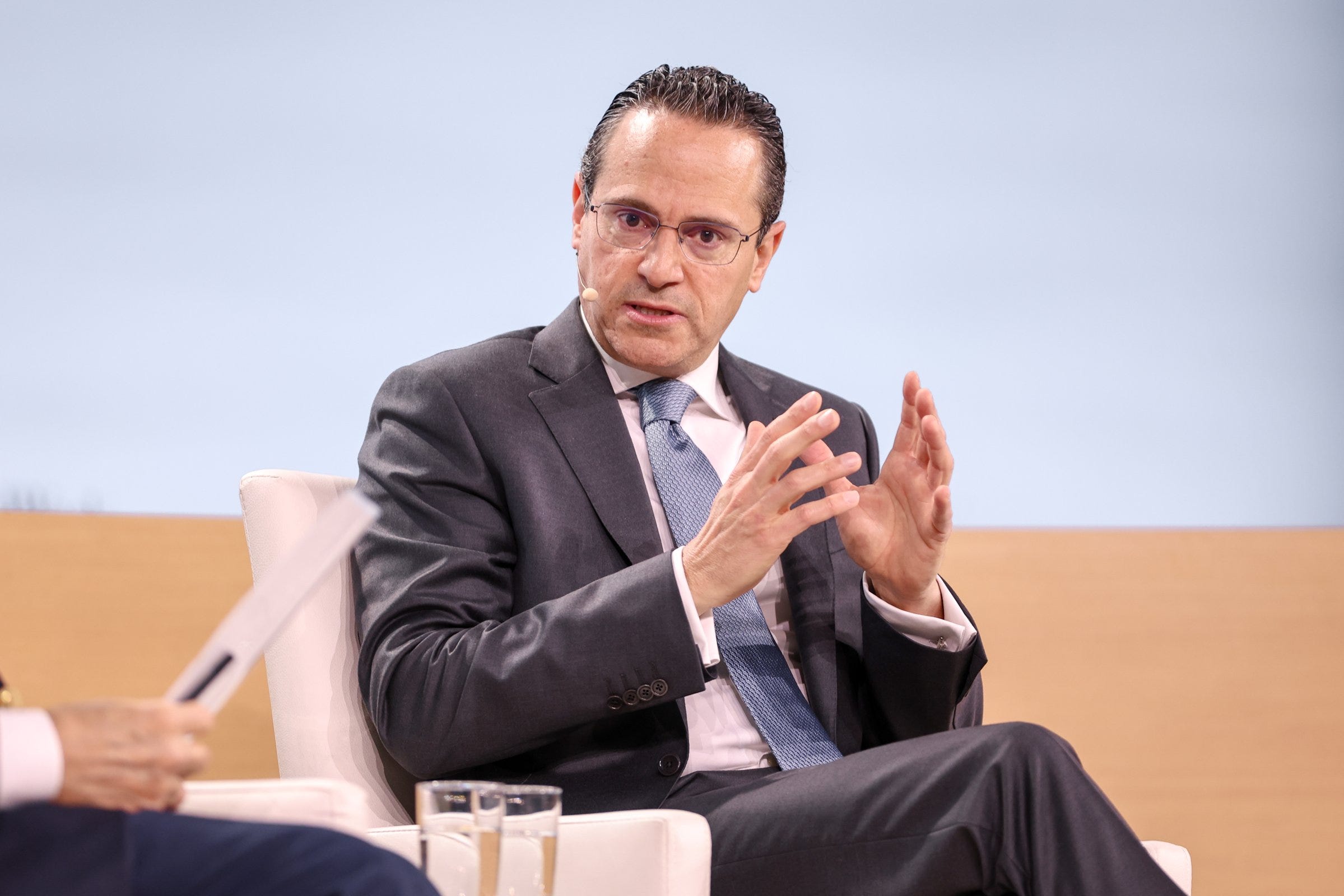
In the second quarter of 2026, Shell reported profits that significantly exceeded analysts’ expectations, driven by high oil and gas prices, record refinery utilization, and successful trading operations. The company also announced a new share buyback program and continued to reduce its costs.
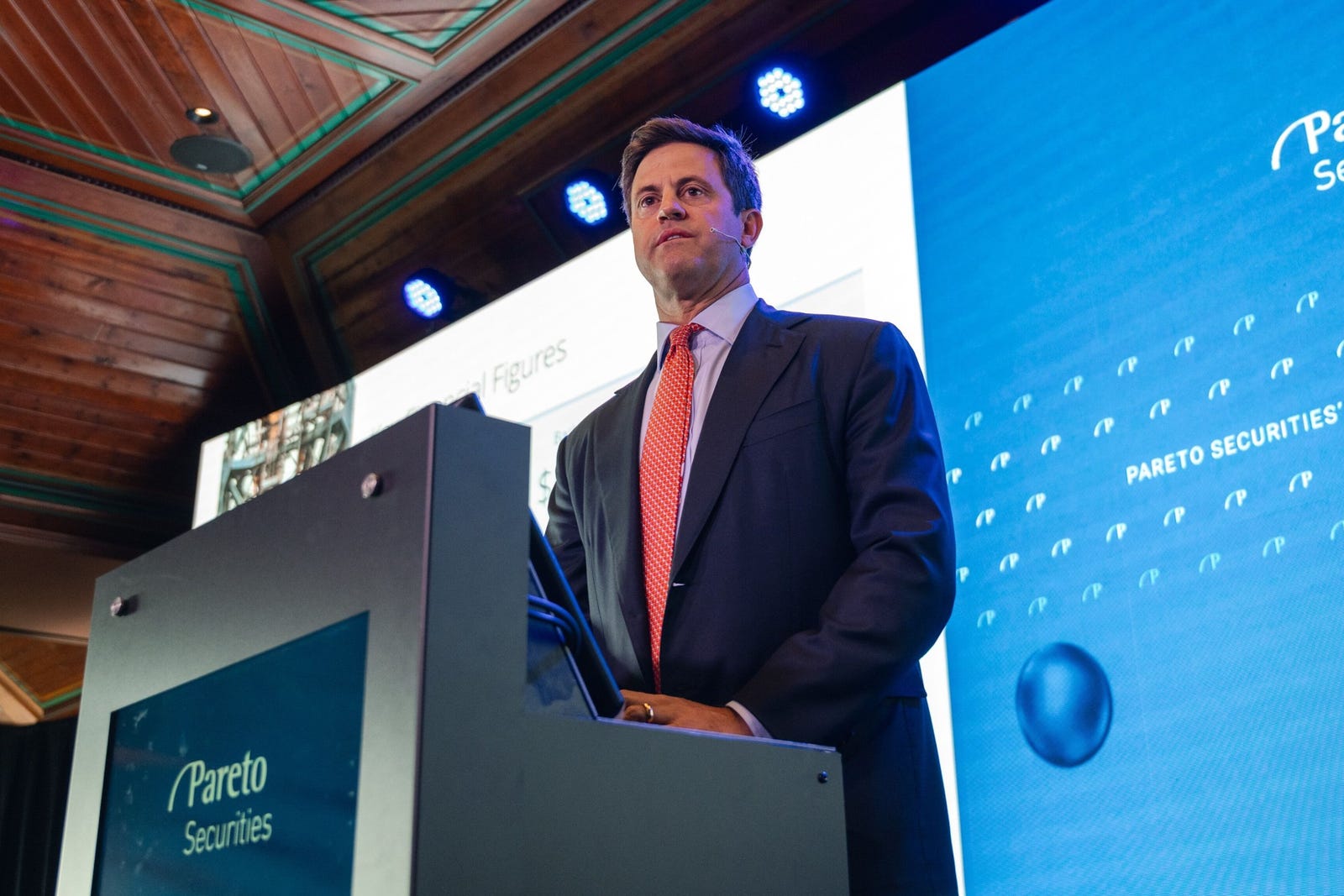
The temporary suspension of two Noble Corporation drilling rigs in Brazil due to a regulatory inspection led to decreased revenue and losses in the second quarter. Despite market volatility and reduced activity from Petrobras, the company notes steady demand for deepwater drilling and continues to pursue new contracts.
In the second quarter, Noble Corporation reported a loss of $37 million due to the suspension of operations at two drilling rigs off the coast of Brazil. The company also lowered its revenue and EBITDA forecasts for 2026.
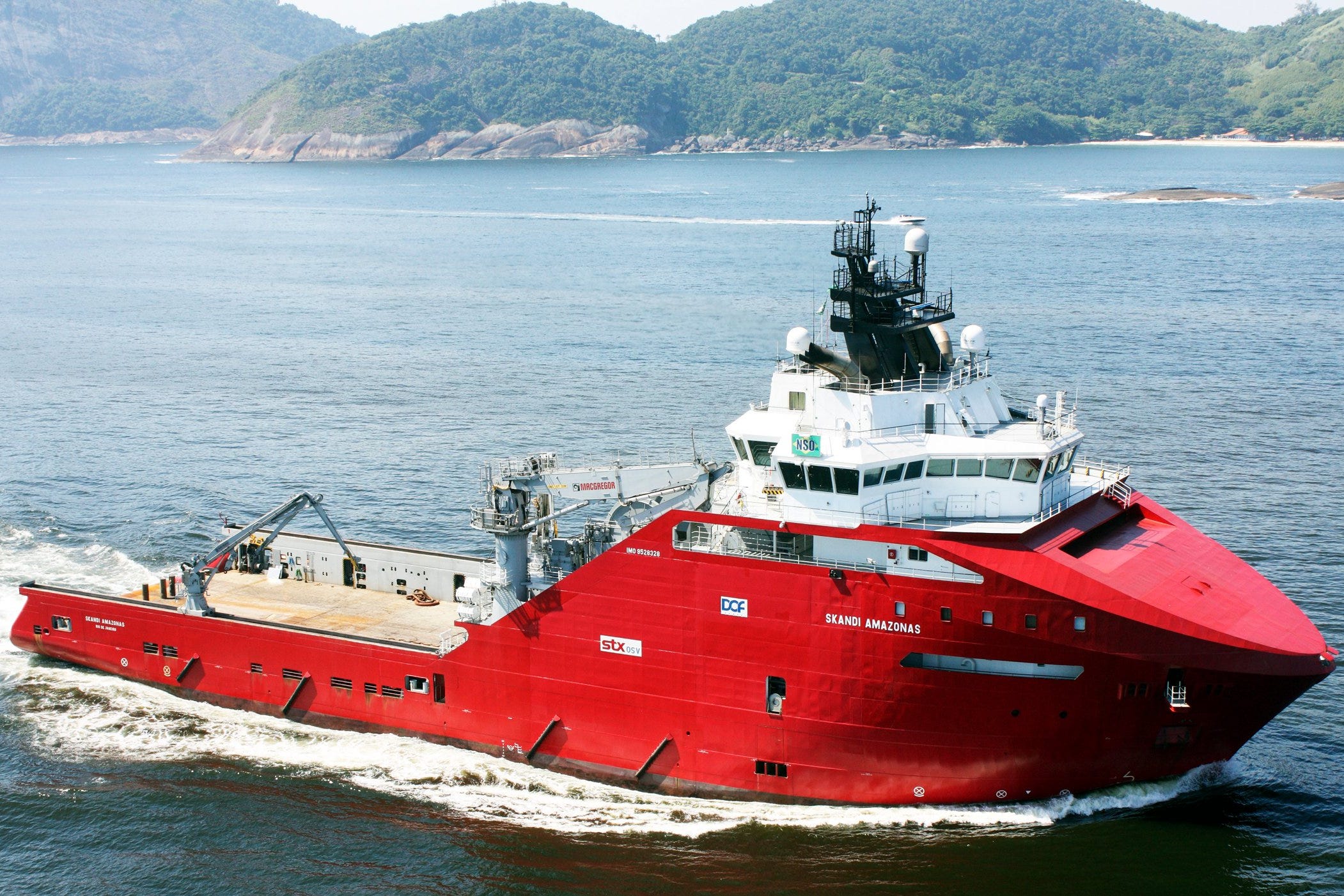
The vessel Skandi Amazonas, owned by DOF Subsea, has been declared a total loss following an accident off the coast of Brazil. No injuries were reported. The company also announced the sale and purchase of vessels as part of its fleet optimization strategy.
Galp reported a significant increase in profits in the second quarter, driven by higher production, elevated oil prices, and stable performance in its refining segment. The company has raised its forecast for 2026 and continues to expand production at key fields.
Shipping rates between South and North America have increased, despite a decline in trade volumes and stricter U.S. tariff policies toward Brazil. Exporters are seeking new markets, while carriers report improved schedule reliability.
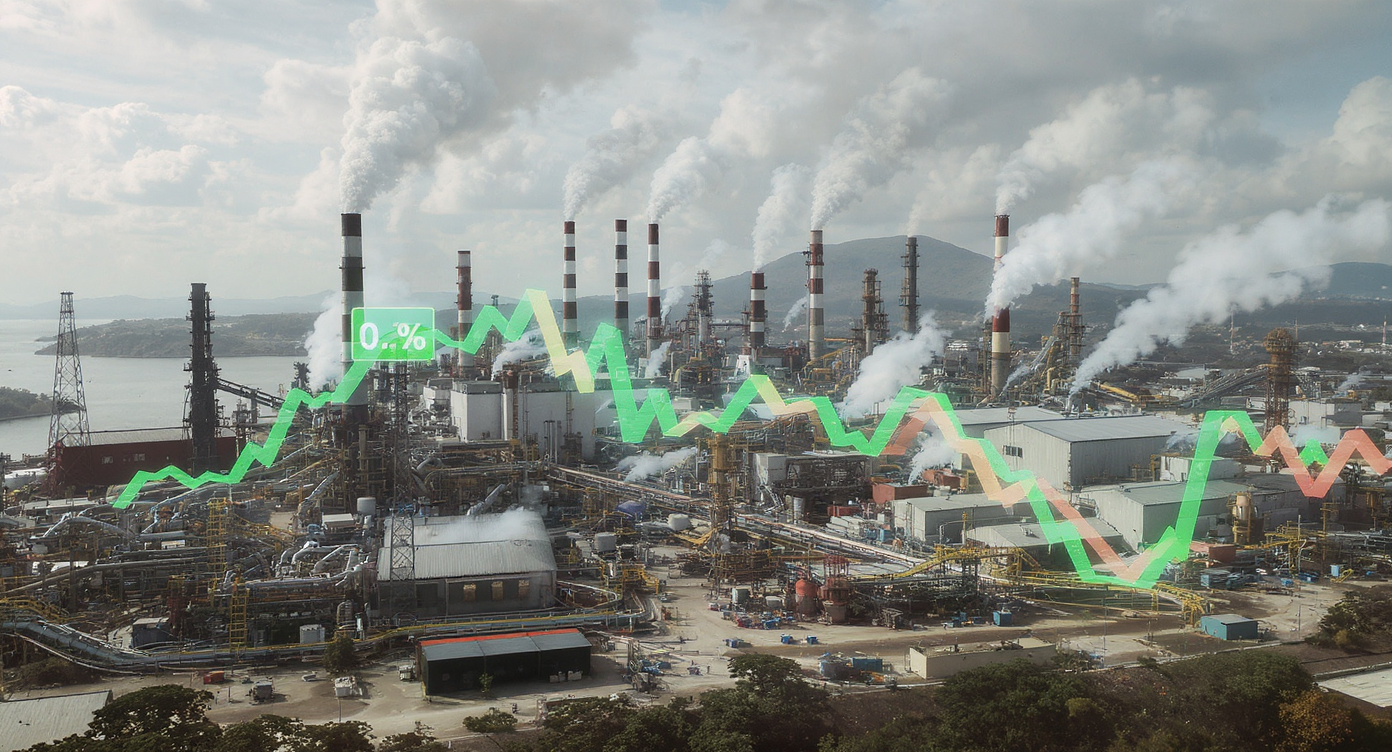
The yield on Brazilian government bonds has risen across the curve, especially for long-term issues, while the Ibovespa index fell by 0.8% and credit default swaps narrowed.
A new study has shown that taking vitamin D may increase the effectiveness of chemotherapy in women with breast cancer. However, larger studies are needed to confirm these results.
Industrial production in Brazil grew by 0.9% in February compared to January, surpassing analysts' expectations. On an annual basis, the decline was 0.7%, which was also better than forecasted.
Brazil's monetary reserves have declined due to active market interventions aimed at stabilizing the economy amid global sell-offs. Despite this reduction, liquidity levels remain above the minimum comfort threshold, which is especially important ahead of elections and significant government debt payments.
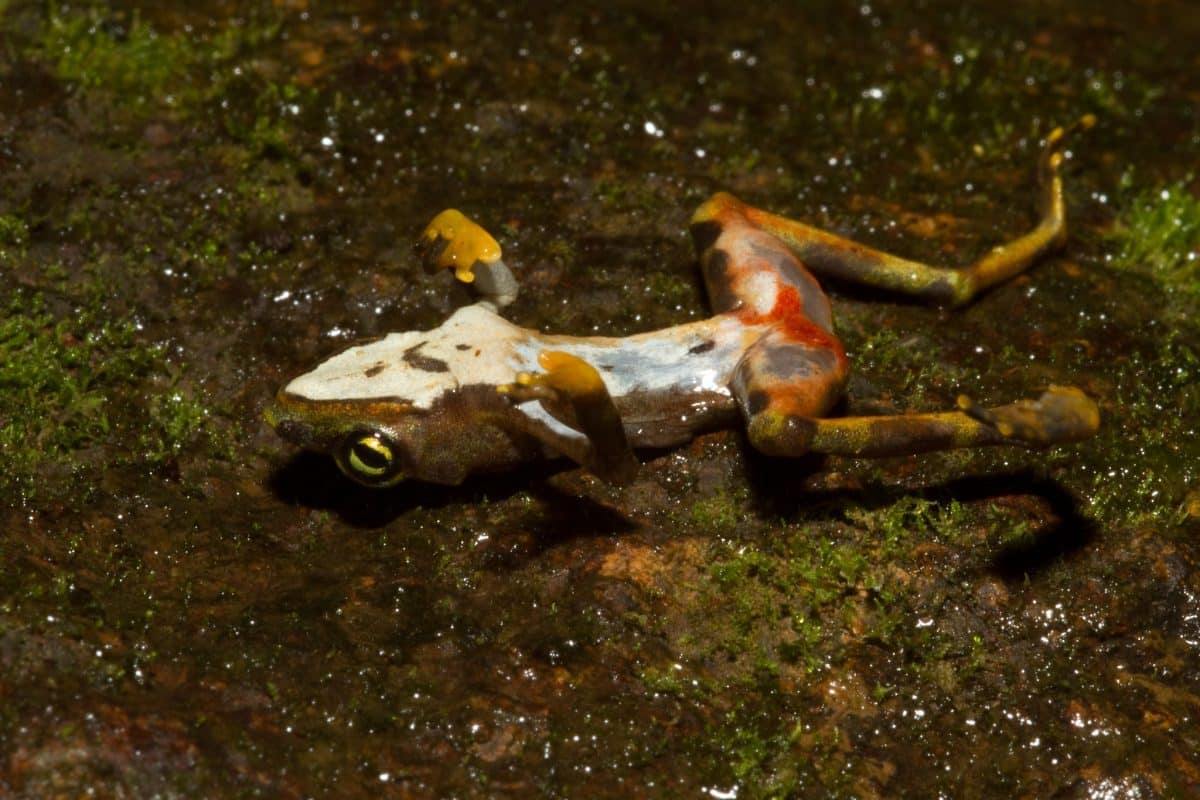
A new study has shown that international trade in live frogs from Brazil has contributed to the global spread of a deadly fungus that threatens hundreds of amphibian species.
A study has shown that due to deforestation and the decline in wild animal populations, mosquitoes are increasingly feeding on human blood, which raises epidemiological risks.


 Petrus