The United States has approved the first direct-acting drug for the treatment of late-stage pancreatic adenocarcinoma, one of the most aggressive forms of cancer. The new medication has demonstrated a twofold improvement in survival rates compared to standard chemotherapy.
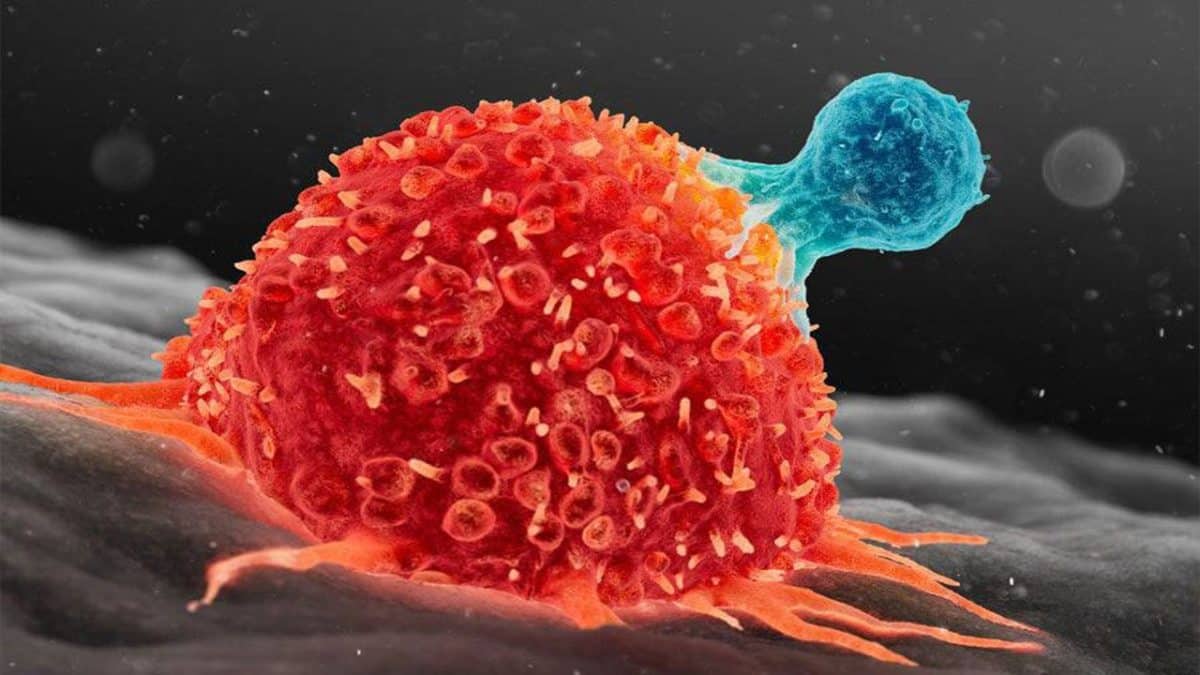
Scientists have discovered a rare population of immune cells that play a crucial role in fighting tumors. Activating these cells could significantly enhance the effectiveness of modern cancer therapies.
Scientists have developed a new technology for anti-cancer vaccines that harnesses immunity formed after COVID-19 to fight tumors. This method has already demonstrated effectiveness in experiments and is currently undergoing clinical trials.
Scientists have developed an experimental CRISPR-based technology that makes prostate tumors more susceptible to immune attack and increases the effectiveness of immunotherapy. This new approach could open up possibilities for treating other types of cancer that are difficult to manage with current therapies.
Studies indicate that changing cancer therapy before a relapse occurs can improve treatment effectiveness and slow the development of tumor resistance. However, this approach requires further clinical validation.
Recent studies have shown that sildenafil, the active ingredient in Viagra, may slow the progression of cancer metastases, especially when combined with statins. This approach could improve survival rates for patients with oncological diseases.
Новое исследование показало, что регулярное употребление острого перца связано с повышенным риском рака пищевода, особенно в регионах с острой кухней. Однако прямая причинно-следственная связь не установлена, и влияние умеренного потребления остаётся неясным.
A new study has shown that taking vitamin D may increase the effectiveness of chemotherapy in women with breast cancer. However, larger studies are needed to confirm these results.
Scientists from China have created a cellular map of neuroblastoma and identified new strategies to enhance the effectiveness of therapy, including combined targeting of immune signaling pathways. These findings open up new possibilities for more successful treatment of the disease in children.
Researchers at KAIST have developed a method that allows macrophages to be reprogrammed directly within tumors, turning them into active cancer fighters. This approach could enhance the effectiveness of immunotherapy and simplify the treatment of complex types of tumors.
Colorectal cancer is increasingly being diagnosed in young adults, a trend linked to changes in lifestyle and diet. Experts emphasize the importance of early screening and awareness to help reduce the risk.
Scientists have discovered why the drug venetoclax gradually loses its effectiveness in treating acute myeloid leukemia, and have proposed a way to overcome cancer cell resistance using OPA1 protein inhibitors. This new approach could improve survival rates and open up new possibilities for treating resistant forms of cancer.
The new HPV-DeepSeek test can detect HPV-associated head and neck cancer many years before symptoms appear by analyzing fragments of viral DNA in the blood. This approach could significantly increase the chances of successful treatment and improve patients' quality of life.
A new study has shown that the risk of developing certain types of cancer depends not so much on the total amount of body fat, but rather on where it is distributed in the body. Visceral and liver fat are considered especially dangerous.
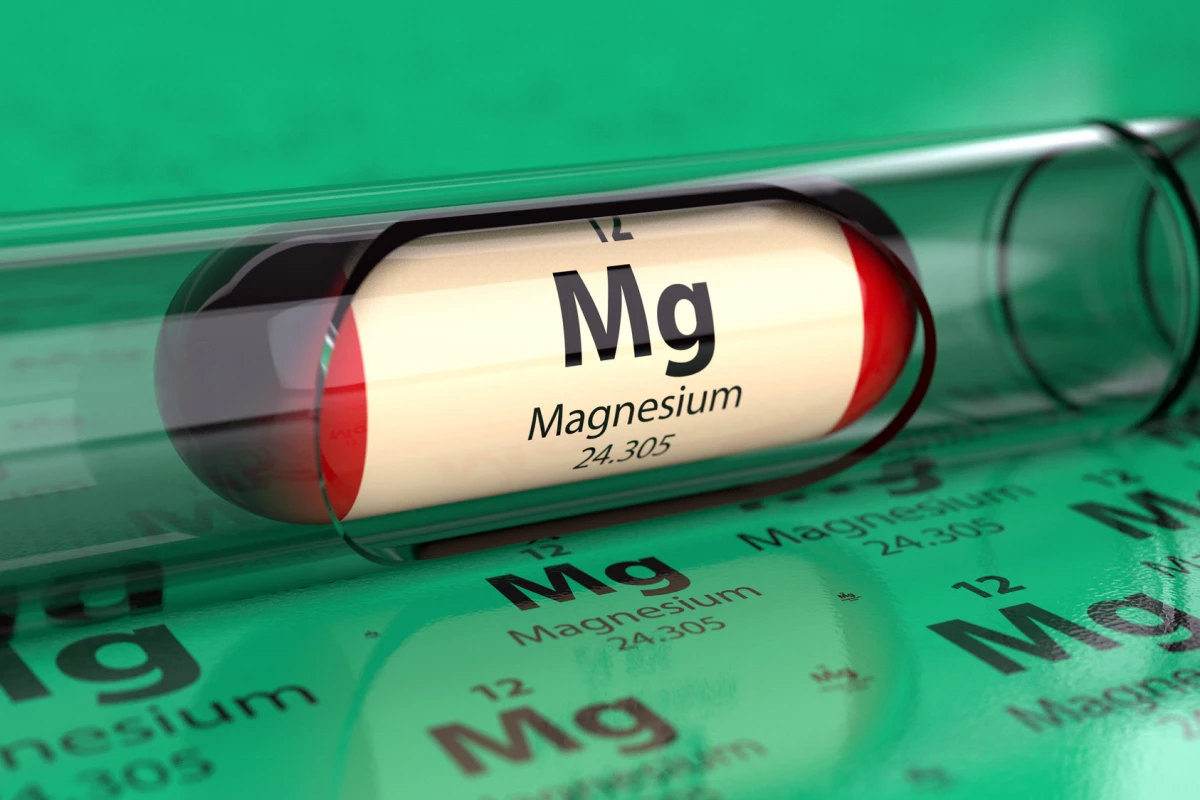
A new study has shown that taking magnesium may promote the growth of gut bacteria that help reduce the risk of colorectal cancer, especially in women and people without certain genetic traits. The effect depends on genetics and gender, and further research is needed before clinical recommendations can be made.


 Salus
Salus