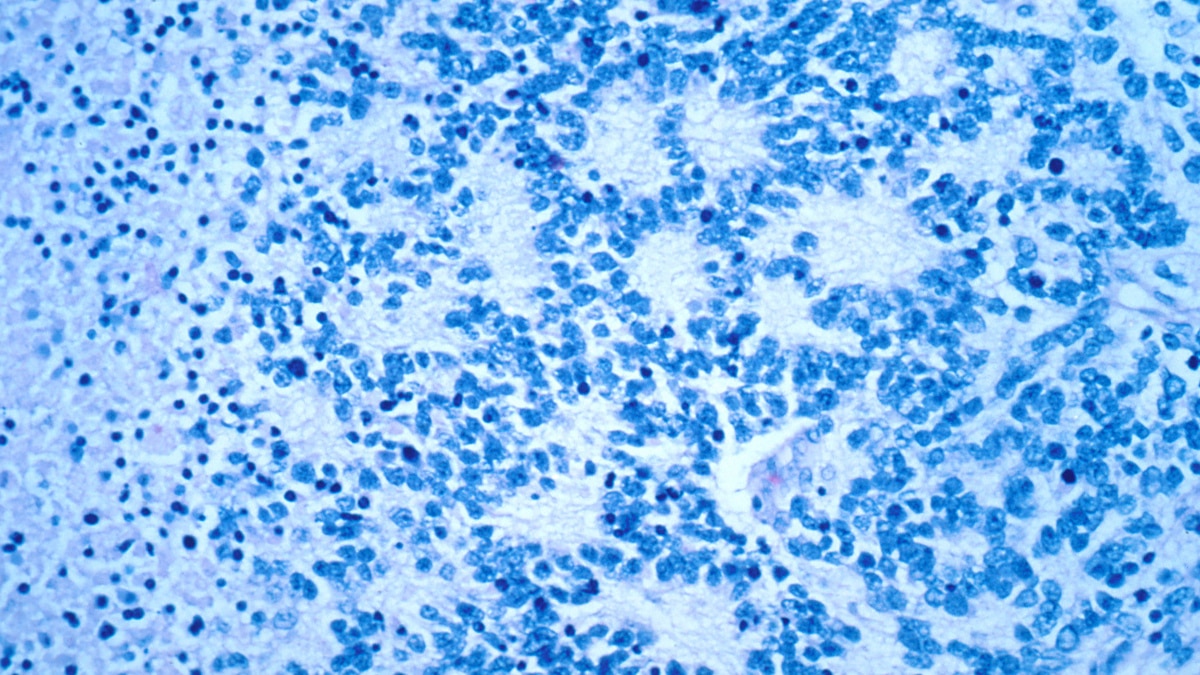
Scientists from China have created a cellular map of neuroblastoma and identified new strategies to enhance the effectiveness of therapy, including combined targeting of immune signaling pathways. These findings open up new possibilities for more successful treatment of the disease in children.
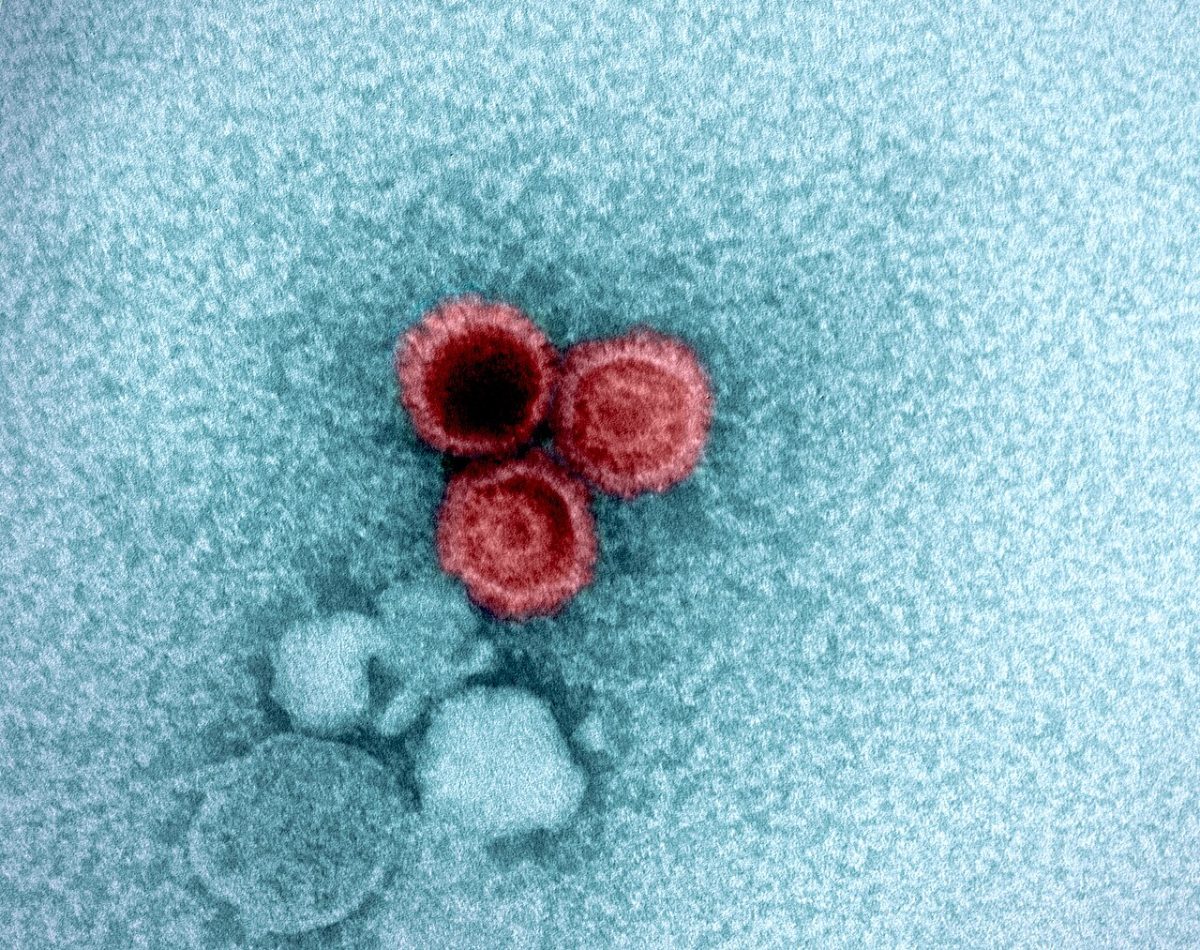
New research confirms the link between the Epstein-Barr virus and the development of multiple sclerosis, revealing mechanisms that may explain the immune system’s mistaken response. These findings open up new possibilities for innovative treatment methods for the disease.
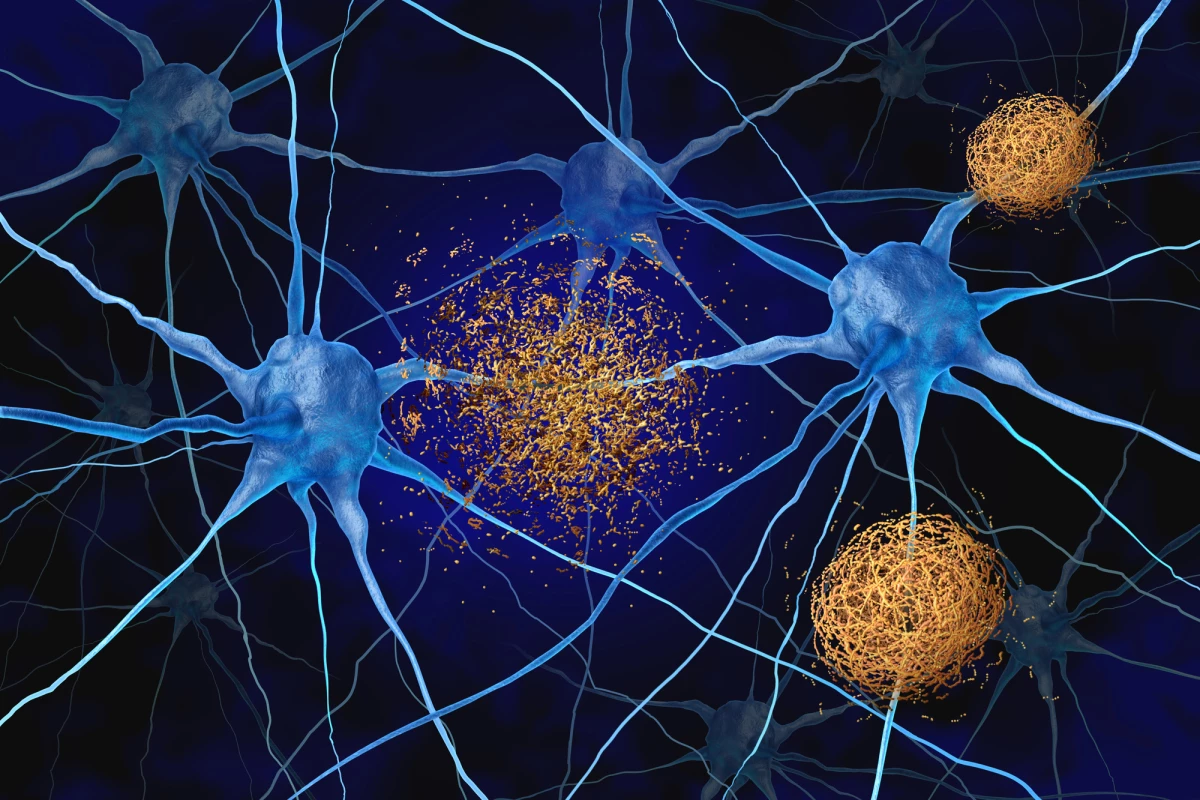
Scientists have discovered a molecule produced by certain cancer cells that helps the brain clear out harmful proteins associated with Alzheimer's disease. This finding could lead to new approaches in the prevention of neurodegenerative disorders.
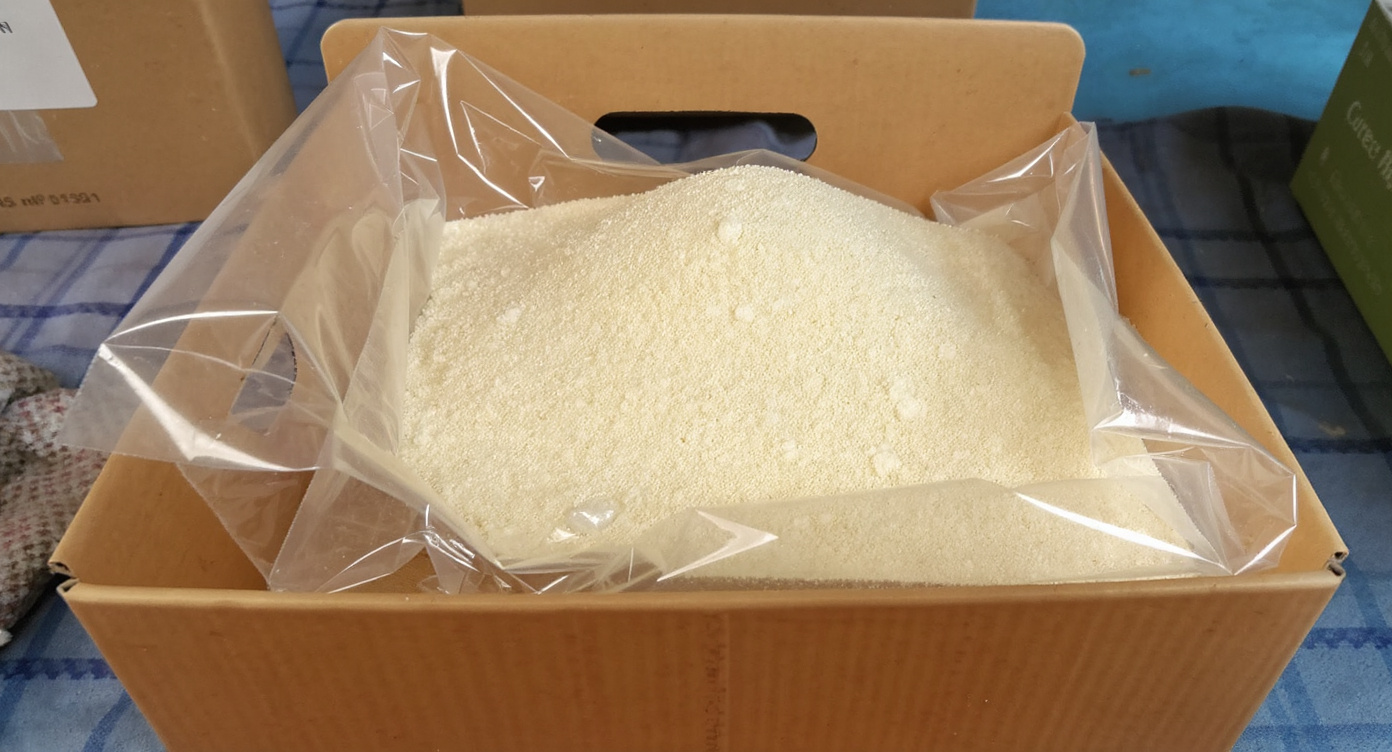
A new study has found that the consumption of food emulsifiers by mice during pregnancy and lactation may negatively affect the gut microbiota of their offspring, increasing the risk of inflammatory diseases and obesity. The researchers emphasize the need for further studies to assess the long-term impact of these additives on the health of future generations.
A recent meta-analysis has shown that anti-inflammatory drugs may help reduce the severity of depressive symptoms in people with chronic inflammation, opening up new possibilities for treatment. However, further research and the development of safe therapeutic methods are still needed.
A new study has shown that urolithin A, a compound produced in the gut when consuming pomegranates and nuts, can rejuvenate the immune system and boost its effectiveness in middle-aged individuals. This substance improves the function of immune cells and may slow down age-related changes.
A new study has shown that impaired blood flow accelerates tumor growth by weakening the body's immune defenses, in a manner similar to aging. These findings pave the way for new strategies in cancer prevention and treatment.

 Salus
Salus