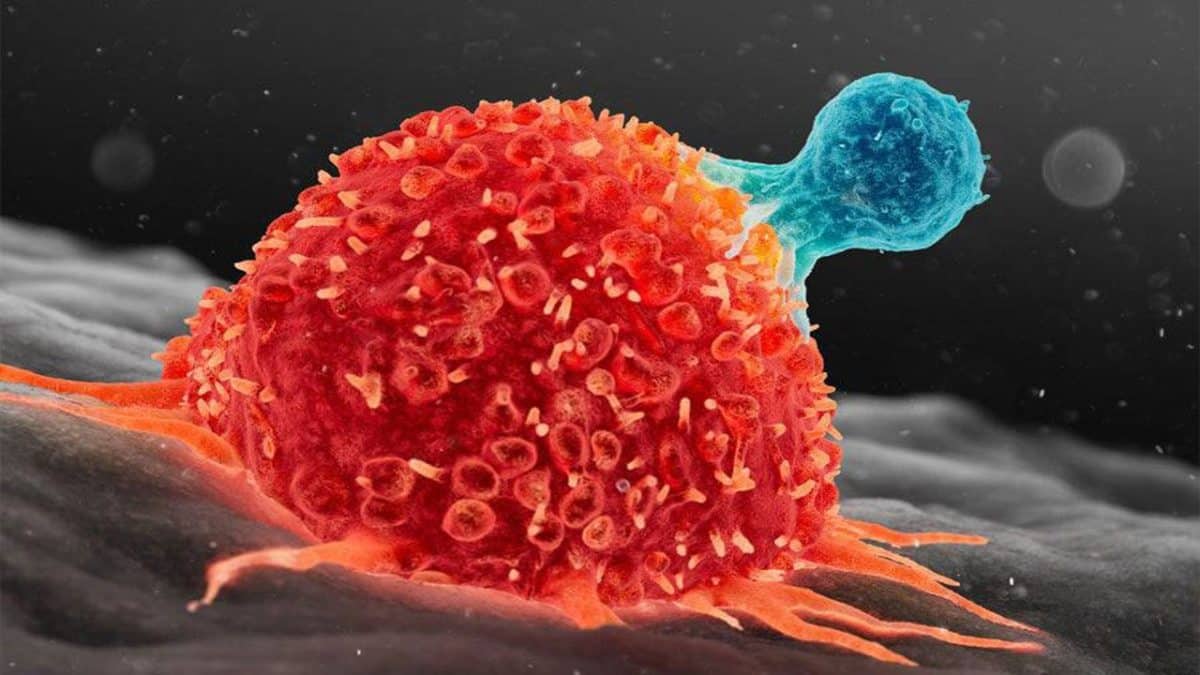
Scientists have discovered a rare population of immune cells that play a crucial role in fighting tumors. Activating these cells could significantly enhance the effectiveness of modern cancer therapies.
Arginine plays an important role in supporting the immune system and protein synthesis, and its deficiency can increase the risk of developing cancer and viral infections. Studies show that adequate intake of arginine helps strengthen the body's defenses and may be beneficial for the prevention and treatment of various diseases.
Scientists have developed a new technology for anti-cancer vaccines that harnesses immunity formed after COVID-19 to fight tumors. This method has already demonstrated effectiveness in experiments and is currently undergoing clinical trials.
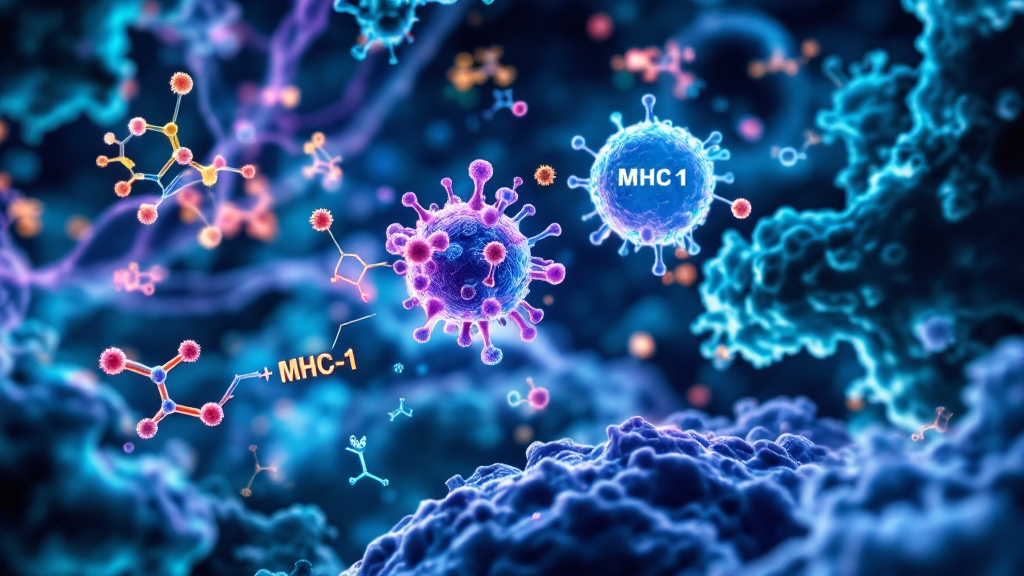
Scientists have developed an experimental CRISPR-based technology that makes prostate tumors more susceptible to immune attack and increases the effectiveness of immunotherapy. This new approach could open up possibilities for treating other types of cancer that are difficult to manage with current therapies.
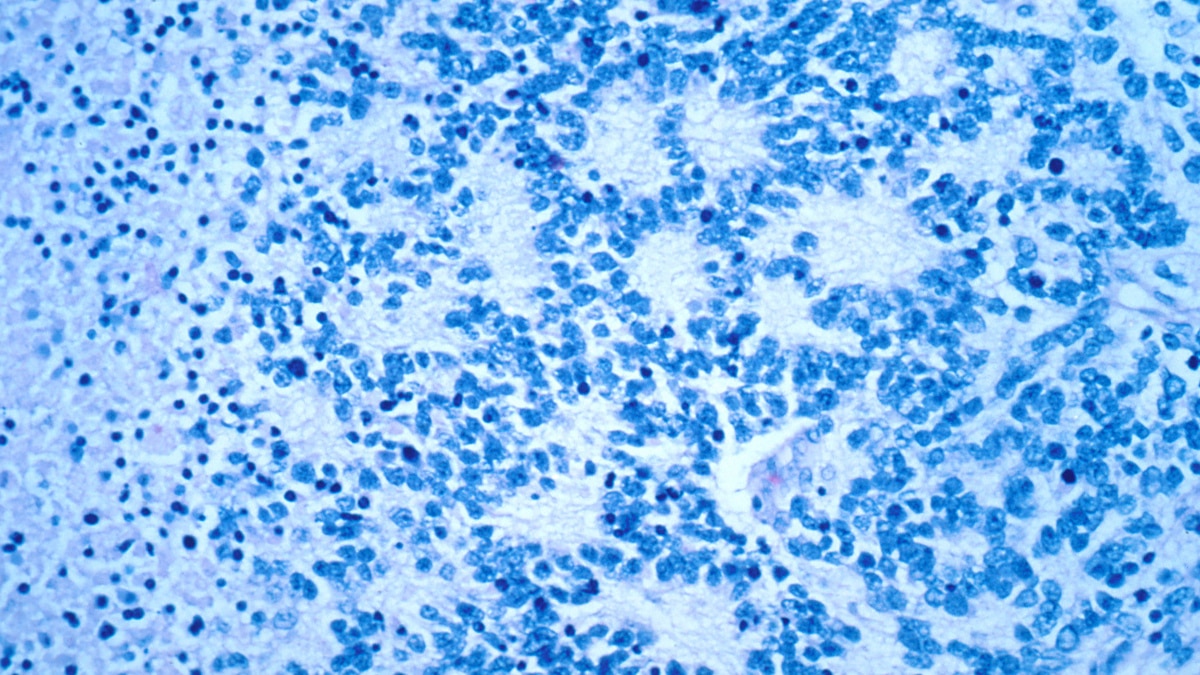
Scientists from China have created a cellular map of neuroblastoma and identified new strategies to enhance the effectiveness of therapy, including combined targeting of immune signaling pathways. These findings open up new possibilities for more successful treatment of the disease in children.
Researchers at KAIST have developed a method that allows macrophages to be reprogrammed directly within tumors, turning them into active cancer fighters. This approach could enhance the effectiveness of immunotherapy and simplify the treatment of complex types of tumors.
A new study has shown that the T-cell receptor remains closed until it encounters an antigen, rather than always being open as previously believed. This discovery could help improve immunotherapy and vaccine development.

 Salus
Salus