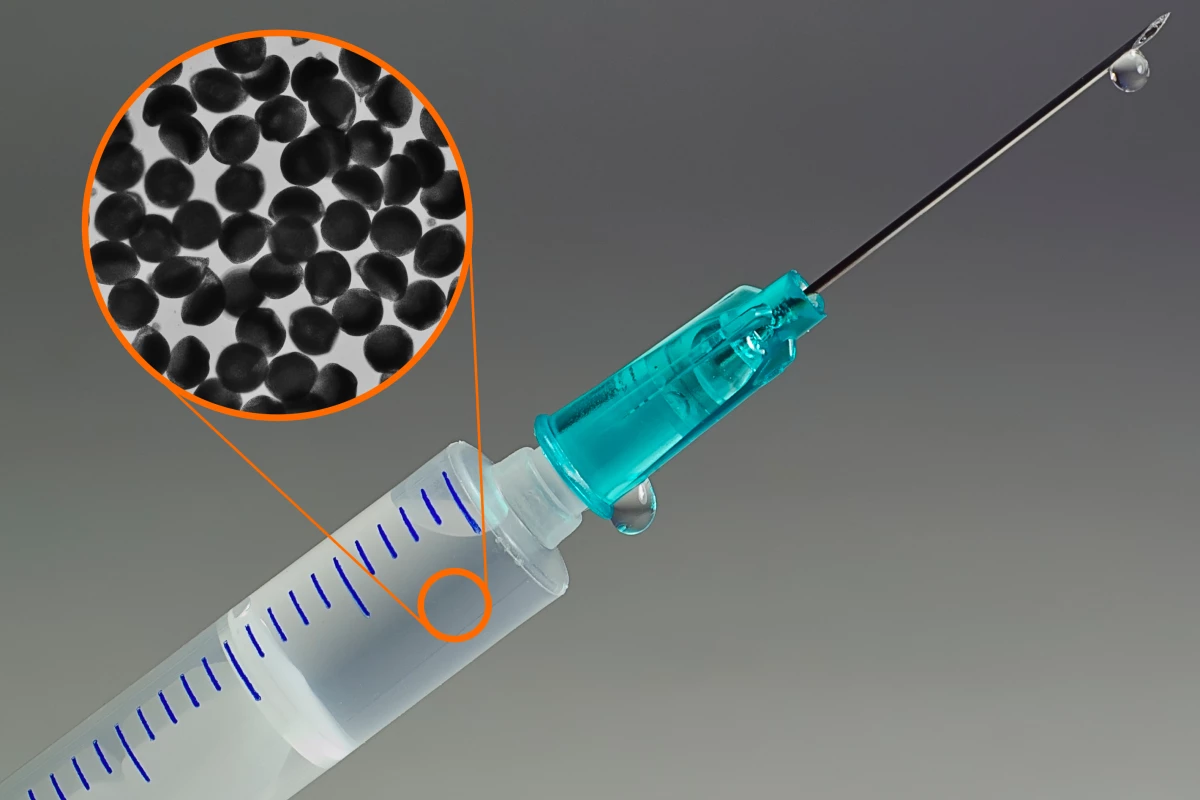
The United States has approved the first direct-acting drug for the treatment of late-stage pancreatic adenocarcinoma, one of the most aggressive forms of cancer. The new medication has demonstrated a twofold improvement in survival rates compared to standard chemotherapy.
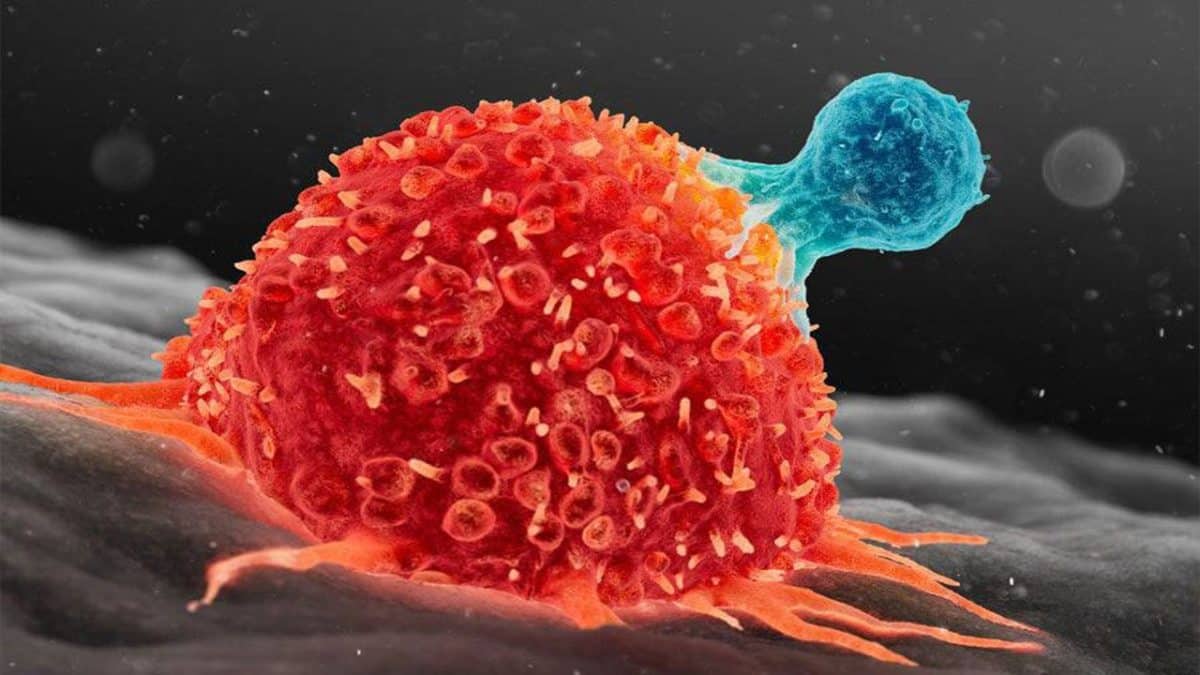
Scientists have discovered a rare population of immune cells that play a crucial role in fighting tumors. Activating these cells could significantly enhance the effectiveness of modern cancer therapies.
Scientists have developed a new technology for anti-cancer vaccines that harnesses immunity formed after COVID-19 to fight tumors. This method has already demonstrated effectiveness in experiments and is currently undergoing clinical trials.
Scientists have developed an experimental CRISPR-based technology that makes prostate tumors more susceptible to immune attack and increases the effectiveness of immunotherapy. This new approach could open up possibilities for treating other types of cancer that are difficult to manage with current therapies.
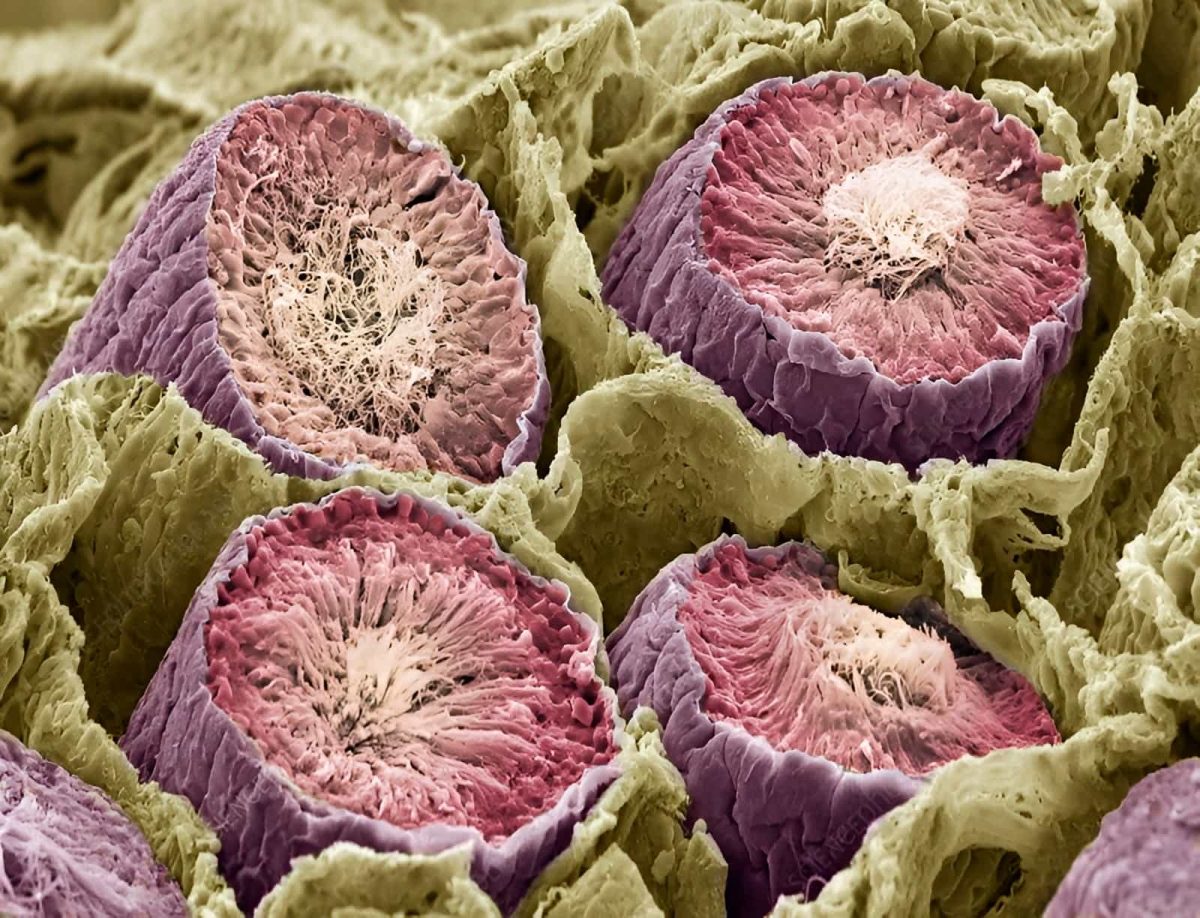
For the first time, doctors have managed to restore sperm production in a man using testicular tissue that was frozen during his childhood, before puberty. This breakthrough offers hope to boys undergoing treatments that could result in infertility.
Studies indicate that changing cancer therapy before a relapse occurs can improve treatment effectiveness and slow the development of tumor resistance. However, this approach requires further clinical validation.
Recent studies have shown that sildenafil, the active ingredient in Viagra, may slow the progression of cancer metastases, especially when combined with statins. This approach could improve survival rates for patients with oncological diseases.
MIT engineers have developed a method to deliver highly concentrated antibody drugs with a single injection instead of lengthy IV infusions, making treatment simpler, faster, and more accessible for patients.
A new study has found that people with two or more tattoos are diagnosed with melanoma less frequently than those without tattoos. The authors urge caution in interpreting these findings and emphasize the need for further research.
Scientists from Cambridge have developed an innovative two-component drug delivery system that is activated only in tumor tissues, minimizing side effects and increasing the safety of cancer immunotherapy.


 Salus
Salus