

For the first time, spermatogenesis has been restored from childhood tissue.
For the first time, doctors have managed to restore sperm production in a man using testicular tissue that was frozen during his childhood, before puberty. This breakthrough offers hope to boys undergoing treatments that could result in infertility.
Salus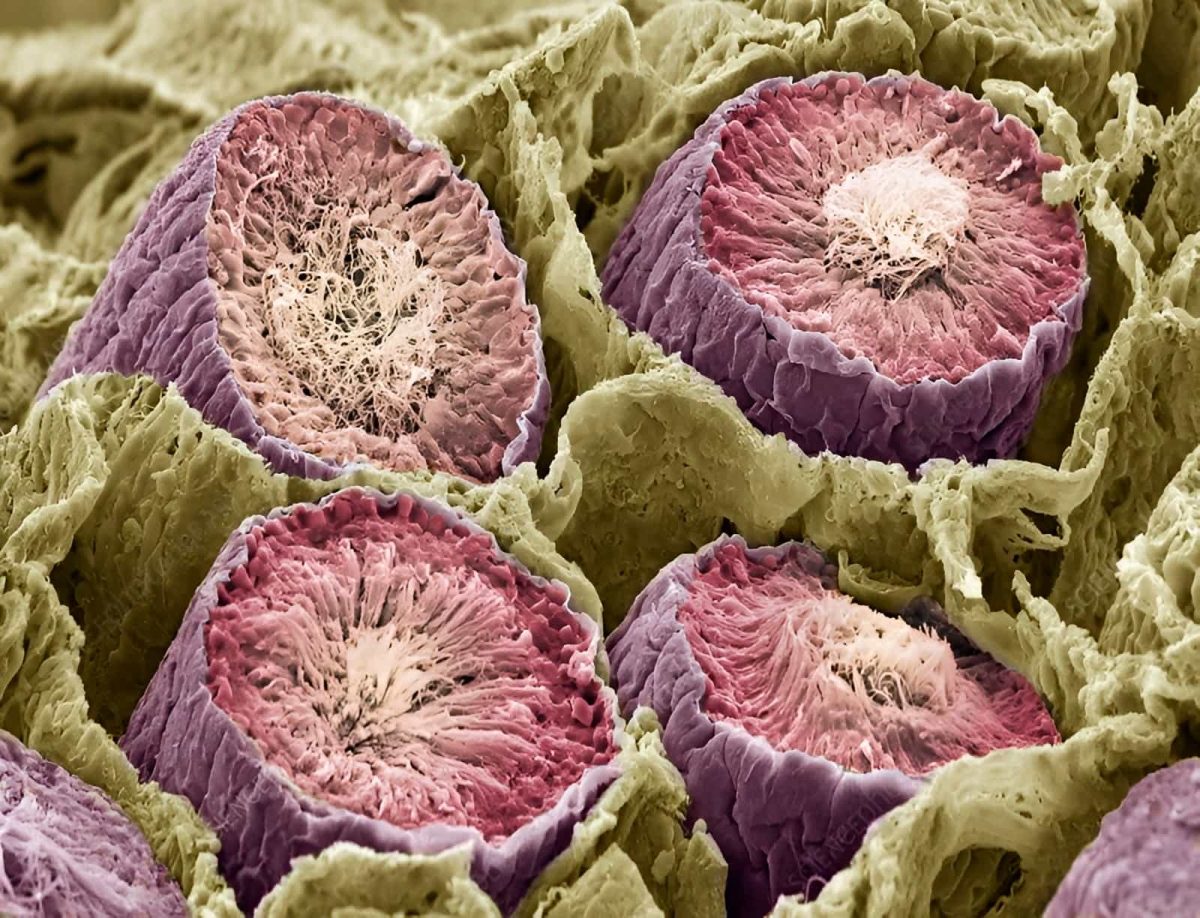
For the first time in medical practice, doctors have managed to restore spermatogenesis in a man using testicular tissue that had been frozen during childhood, before the onset of puberty. Sixteen years after cryopreservation, the transplanted tissue began producing sperm cells.
The Challenge of Preserving Fertility
Modern treatment methods, especially for cancer, have significantly increased patient survival rates. However, intensive chemotherapy and radiation therapy often damage the cells that develop into sperm, which can lead to infertility. Adult men can freeze their sperm in advance for later use in assisted reproduction. Boys who have not yet reached puberty do not have this option, as their bodies do not yet produce mature sperm. For them, the only potential way to preserve fertility is cryopreservation of testicular tissue containing spermatogonial stem cells—the precursors to sperm cells.
Technological Progress
Over the past decade, this procedure has been offered to thousands of patients. From 2002 to 2022, more than three thousand boys in Europe, the USA, and Australia agreed to preserve samples of testicular tissue before starting treatment. At that time, it was not certain whether these samples could ever be used to restore fertility in the future.
The First Successful Case
In 2008, a 10-year-old boy with sickle cell anemia, who was about to undergo high-dose chemotherapy before a stem cell transplant, had one testicle removed and small fragments of its tissue frozen. Sixteen years later, when the patient decided to become a father, tests showed that his body was producing almost no sperm on its own. He received a transplant of 11 previously frozen tissue fragments: some were placed in the remaining testicle, and some under the skin of the scrotum to ensure exposure to adult hormones and other factors necessary for the maturation of reproductive cells.
A year after the transplant, researchers removed part of the transplanted tissue for analysis. Several samples contained spermatogonial stem cells and signs of active spermatogenesis. In one sample, a mature sperm cell was found—the first ever obtained after transplantation of testicular tissue frozen before the patient’s puberty. Until now, restoration of spermatogenesis after tissue transplantation had only been achieved in laboratory animals.
Prospects and Further Research
The transplant was preserved to obtain more sperm cells, which could be used for assisted reproduction. The main question that remains is whether sperm cells obtained in this way can fertilize an egg and result in the birth of a healthy child.
Researchers hope that other men who preserved testicular tissue in childhood before treatment will participate in further trials. This will help determine how reproducible the technology is and under what conditions it is most effective.
At present, it is too early to speak of a ready-made treatment method. It is still unknown whether sperm obtained after transplantation will be fully functional for fertilization and normal embryo development. Nevertheless, these results offer real hope for boys whose chances of becoming parents were previously considered almost lost.