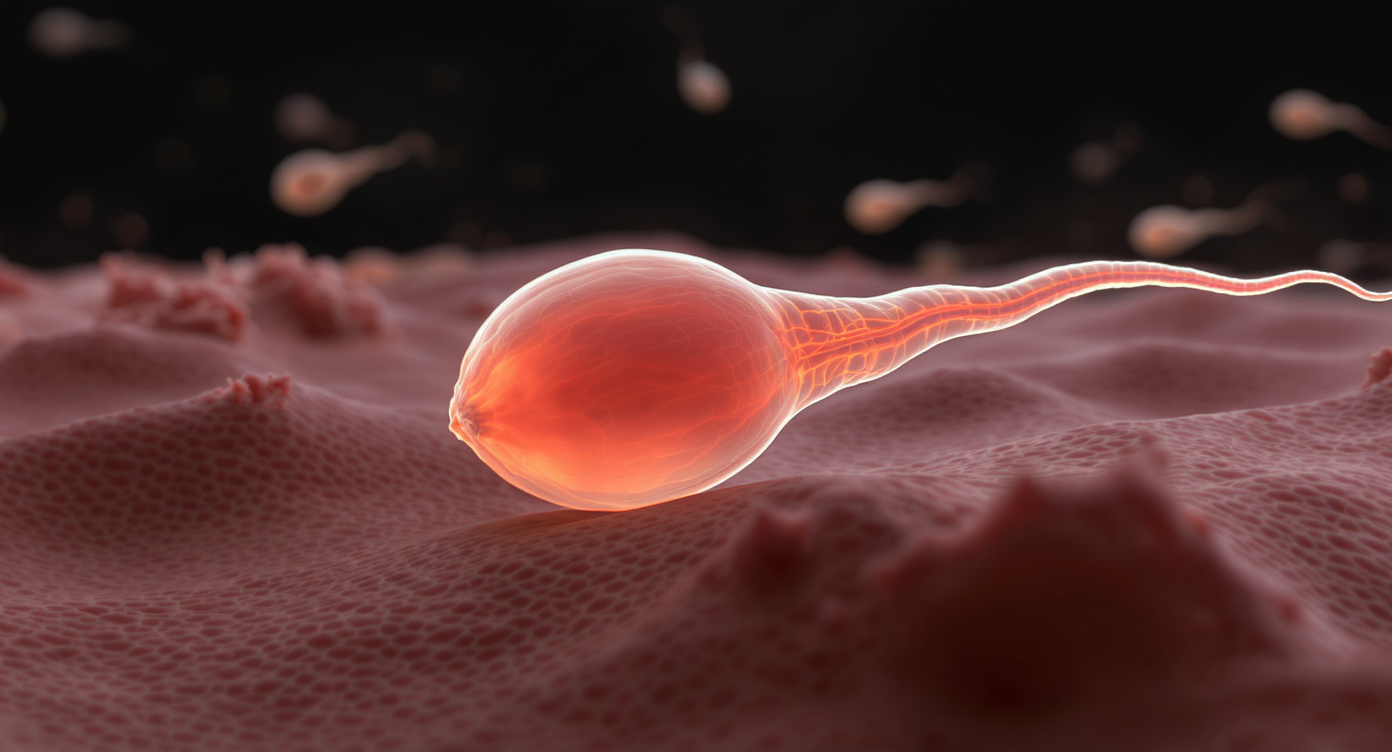
For the first time, doctors have managed to restore sperm production in a man using testicular tissue that was frozen during his childhood, before puberty. This breakthrough offers hope to boys undergoing treatments that could result in infertility.
A new study has shown that female anubis baboons are able to select sperm from genetically most suitable males, ensuring diversity and survival of their offspring at the molecular level.
Scientists have discovered how sperm cells rapidly boost their energy potential just before fertilization, paving the way for new treatments for infertility and non-hormonal male contraception.
A new study has shown that a short period of abstinence before providing a sperm sample for IVF can significantly increase the chances of pregnancy compared to traditional recommendations. A personalized approach is especially important for men with sperm quality issues.
Scientists have developed biohybrid microrobots based on sperm cells coated with magnetic nanoparticles and, for the first time, tracked their movement inside an anatomical model using X-rays. This technology opens up new possibilities for targeted drug delivery and infertility treatment, though it is still in the early stages of research.

 Salus
Salus