

Female baboons choose paternity at the genetic level
A new study has shown that female anubis baboons are able to select sperm from genetically most suitable males, ensuring diversity and survival of their offspring at the molecular level.
Cursus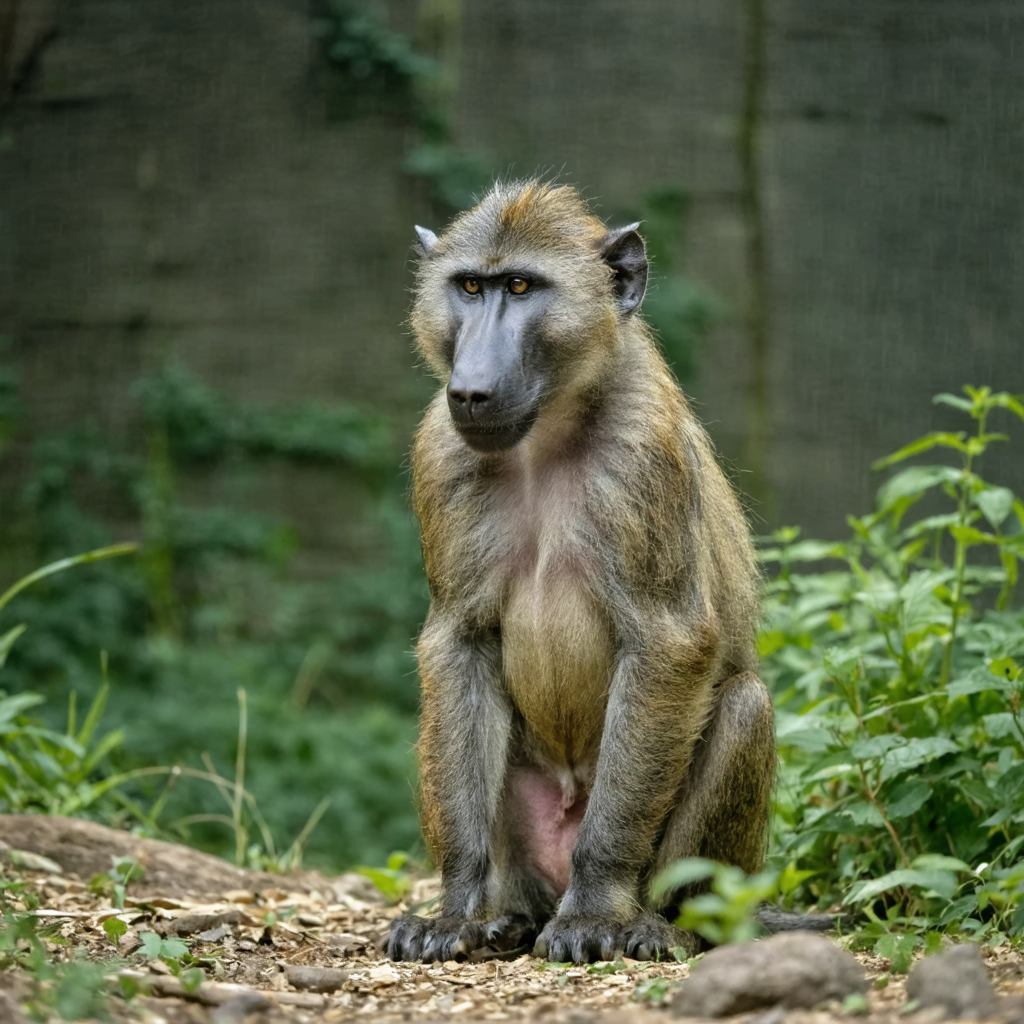
The interaction between a female Anubis baboon and a male does not guarantee that this particular male will father her offspring. Even after mating, the selection of a suitable candidate continues: sperm that are genetically incompatible with the female are filtered out within her reproductive tract.
Mechanism of Cryptic Female Choice
In biology, this process is known as cryptic female choice. A female may mate with several males, but only the sperm of a specific partner are allowed to fertilize her egg. This selection occurs inside the reproductive tract through physiological reactions that vary depending on the characteristics of the sperm, favoring some and hindering others.
Genetic Basis of Selection
It is believed that sperm selection can depend on the male’s genetic material, particularly the genes of the major histocompatibility complex (MHC)—a region of the genome responsible for pathogen recognition and immune response regulation. Close relatives have similar MHC regions. Animals typically choose partners with the most different set of MHC alleles, which reduces the risk of inbreeding, ensures genetic diversity in offspring, and increases their chances of survival.
Study on Anubis Baboons
Until recently, sperm discrimination had only been observed in rodents, and there was no evidence of this mechanism in large mammals such as primates. An international team of researchers studied a population of 13 Anubis baboons (9 females and 4 males) housed at a primate center in France.
The scientists mapped the DNA of each animal, focusing on MHC genes and others involved in recognizing foreign and similar genetic material. The females were trained to approach for treats, allowing researchers to quickly collect vaginal swabs.
Males and females were placed in enclosures in various combinations to allow mating between both related and unrelated pairs. Swabs were taken from the females before and four hours after mating to assess the body’s response to sperm from different males.
Experimental Results
The study showed that the environment of the female reproductive tract changes depending on genetic similarity to the male. When mating with males who had similar MHC genes, the vaginal pH dropped significantly, creating a more acidic environment and reducing the likelihood of fertilization. In contrast, when mating with genetically different males, the pH remained stable or decreased only slightly, creating more favorable conditions for sperm and increasing the chances of conception.
It was also found that after mating with genetically similar males, there was a surge in the activity of genes associated with inflammatory responses and immune signaling in the vagina, indicating the activation of the body’s defense mechanisms against unwanted sperm.
Significance of the Mechanism
A strong immune response to unwanted sperm demonstrates the female’s ability to recognize and block their participation in fertilization. Thus, the mechanism of sperm discrimination allows the female to actively contribute to ensuring the genetic diversity of her offspring.