A new study has, for the first time, described the composition of microRNA in dolphin milk and revealed similarities between these molecules and the microRNA found in terrestrial mammals. This discovery will help deepen our understanding of the role milk plays in the development of offspring across different species.
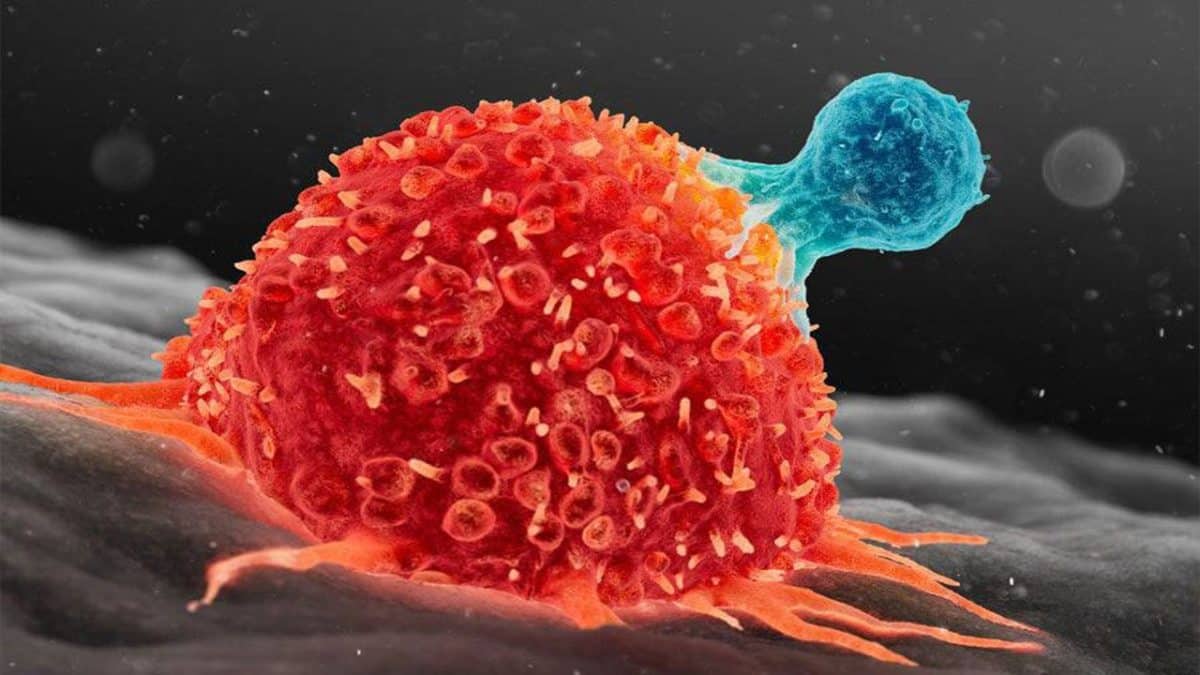
Scientists have discovered a rare population of immune cells that play a crucial role in fighting tumors. Activating these cells could significantly enhance the effectiveness of modern cancer therapies.
Arginine plays an important role in supporting the immune system and protein synthesis, and its deficiency can increase the risk of developing cancer and viral infections. Studies show that adequate intake of arginine helps strengthen the body's defenses and may be beneficial for the prevention and treatment of various diseases.
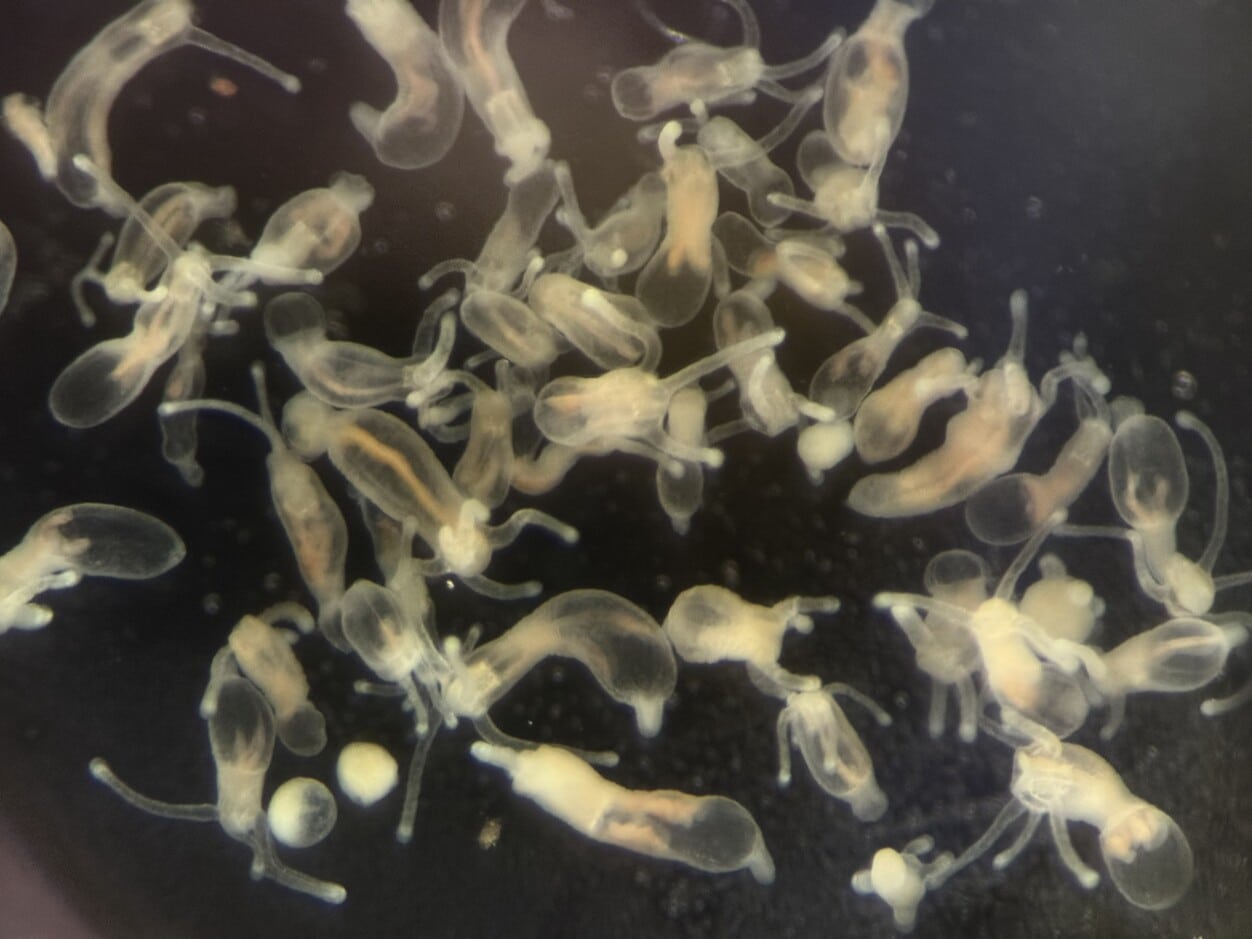
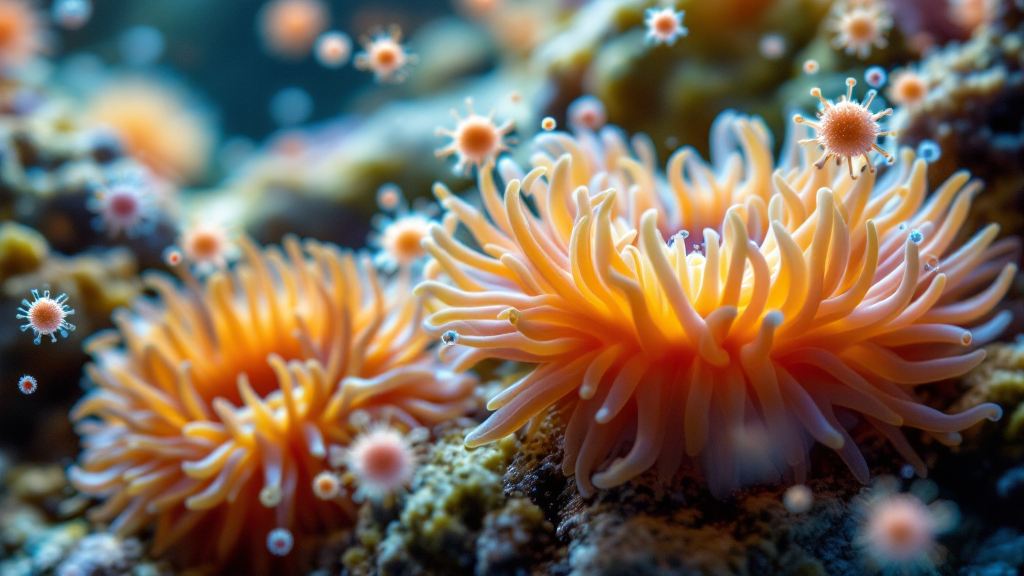
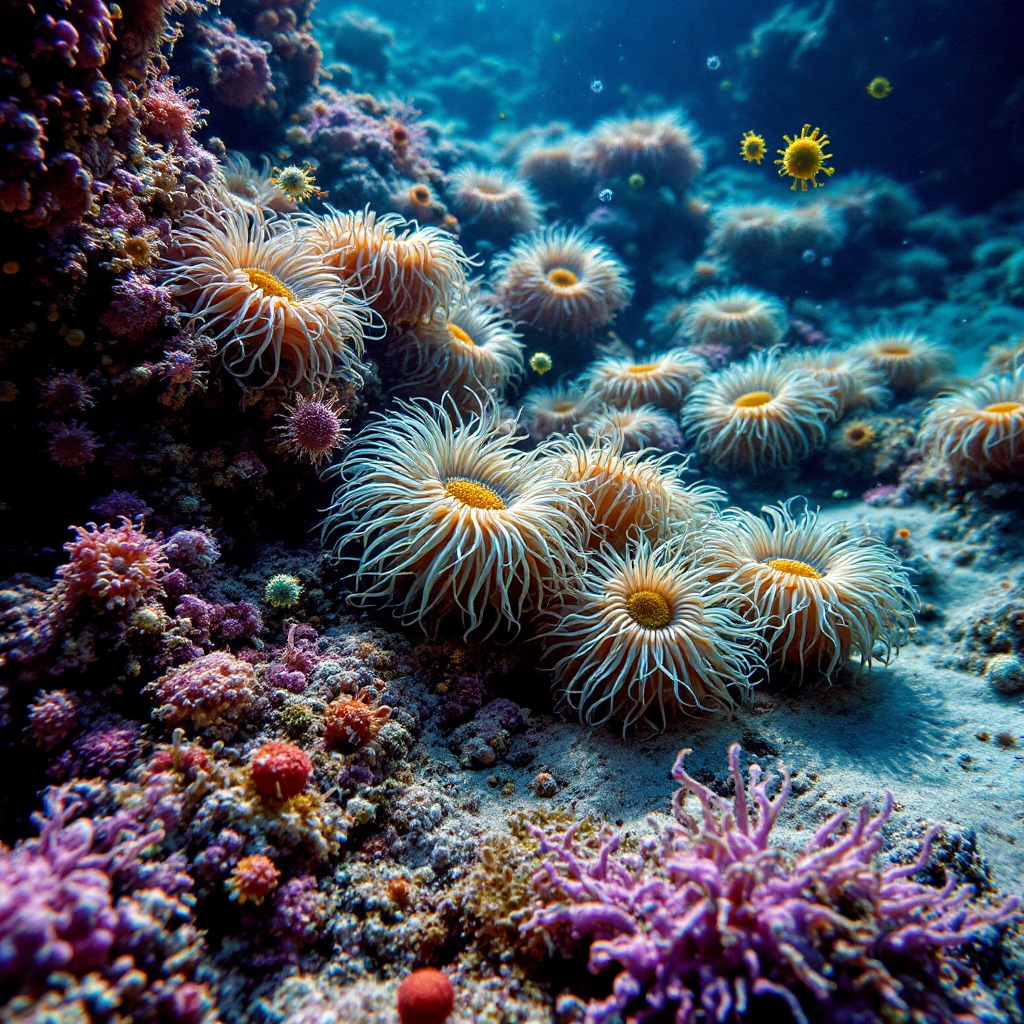
The article discusses the scientific journey of a researcher, the introduction of new molecular methods, and the study of invertebrate immunity using the sea anemone as a model organism. It highlights achievements, publications, and future prospects for research in the fields of RNA biology and antiviral immunity.
Geneticists have discovered traces of two ancient species in the DNA of modern humans—species that existed before the emergence of Homo sapiens. These findings broaden our understanding of the complex history of interbreeding between human ancestors and other hominids.
Scientists have developed a new technology for anti-cancer vaccines that harnesses immunity formed after COVID-19 to fight tumors. This method has already demonstrated effectiveness in experiments and is currently undergoing clinical trials.
A new study has revealed that the brown tree snake on Guam possesses unexpectedly high genetic diversity, which helps it adapt quickly and makes controlling this invasive species more challenging. These findings also offer hope for the conservation of rare species with small populations.
A new study has revealed that sea anemones possess a unique antiviral defense mechanism that differs from that of humans. This discovery broadens our understanding of immune system evolution and opens up new possibilities for developing novel medicines.
A new study has revealed that sea anemones possess a unique antiviral defense mechanism that differs from the immune systems of vertebrates. This discovery broadens our understanding of immune system evolution and could aid in the search for new medicines.
A new study has shown that taking vitamin D may increase the effectiveness of chemotherapy in women with breast cancer. However, larger studies are needed to confirm these results.
A new study has found that depression is linked to changes in certain types of brain cells responsible for mood and immune functions, opening up possibilities for new treatment methods.
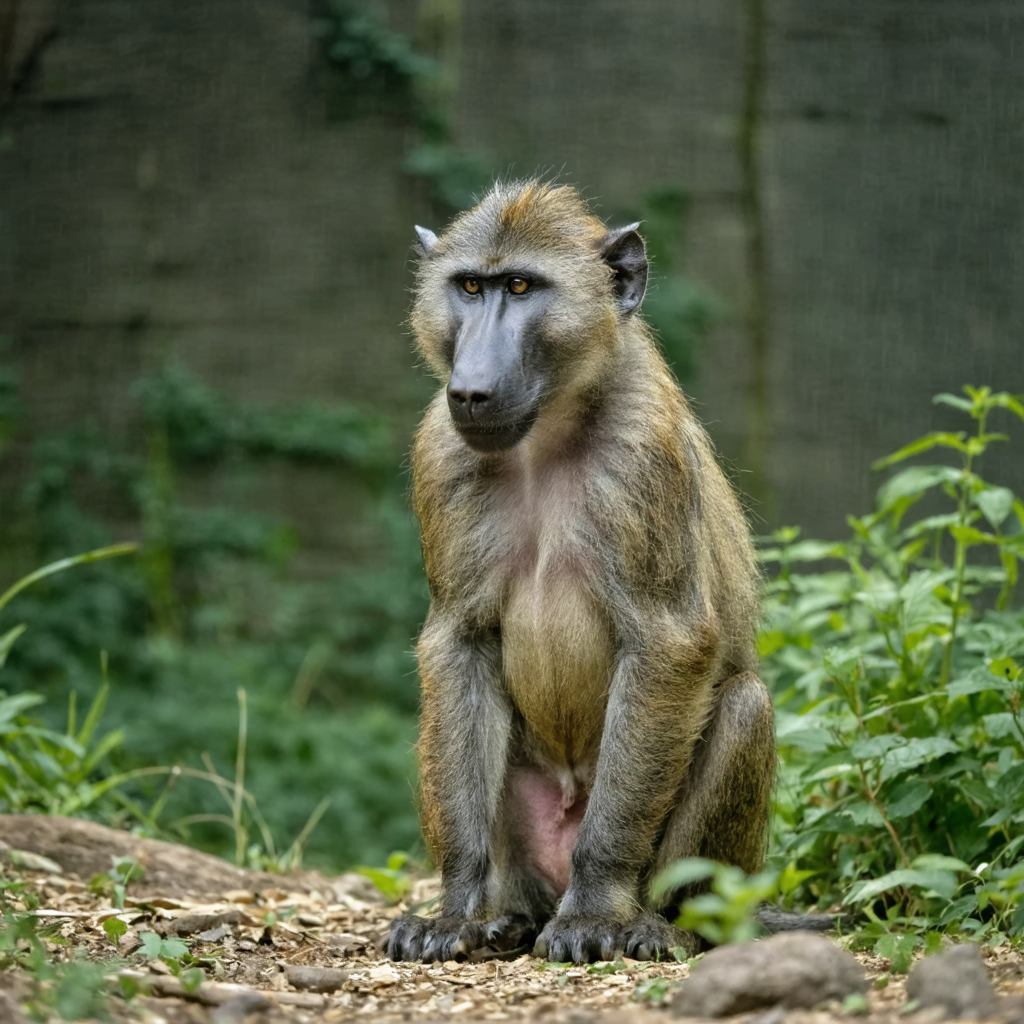
A new study has shown that female anubis baboons are able to select sperm from genetically most suitable males, ensuring diversity and survival of their offspring at the molecular level.
The protein dermcidin, produced by sweat glands, can inhibit the replication of the influenza virus and other respiratory infections. Higher concentrations of this substance are associated with greater resistance to illness and the absence of pronounced symptoms.
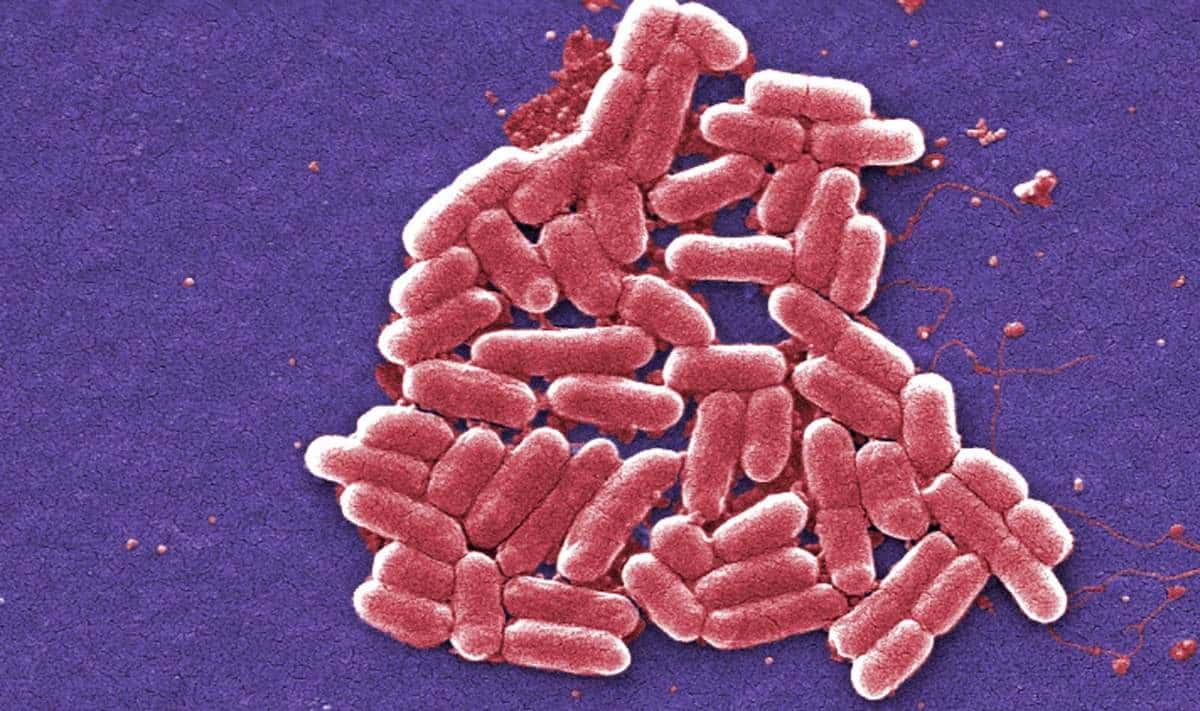
Researchers at MIT, using artificial intelligence, have discovered thousands of new genes that protect bacteria from viruses, including previously unknown defense mechanisms. This breakthrough expands our understanding of how immunity evolves in microorganisms.
In various countries, birds have started using cigarette butts to build their nests as a way to protect themselves from parasites. However, by doing so, they are also exposed to harmful substances, which can have a negative impact on their health.


 Cursus