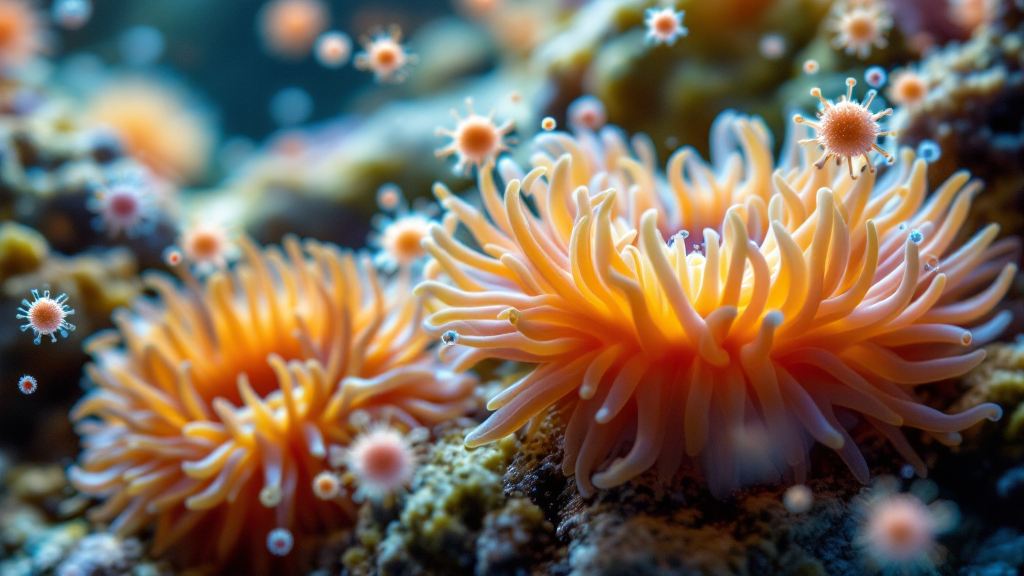
A new study has revealed that sea anemones possess a unique antiviral defense mechanism that differs from that of humans. This discovery broadens our understanding of immune system evolution and opens up new possibilities for developing novel medicines.
A new study has revealed that sea anemones possess a unique antiviral defense mechanism that differs from the immune systems of vertebrates. This discovery broadens our understanding of immune system evolution and could aid in the search for new medicines.
Scientists have developed a plastic coating with nanostructures that physically destroys viruses on surfaces, reducing the risk of infection. This technology can be used to protect phone screens and medical equipment.
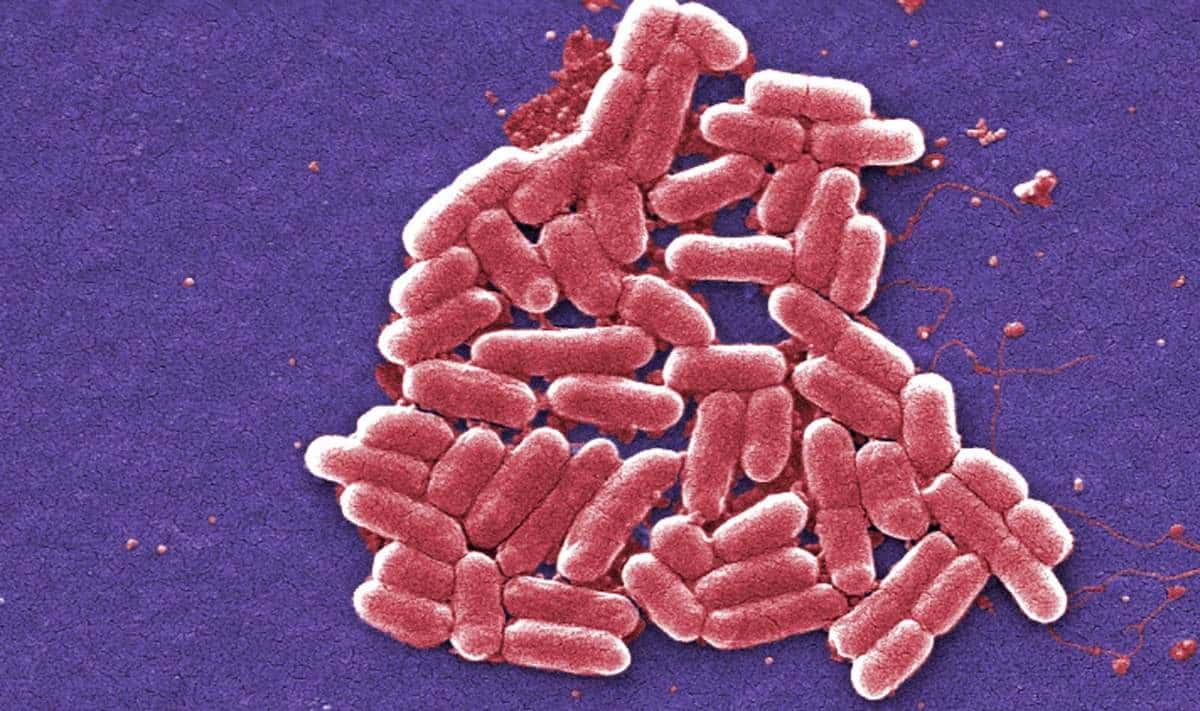
Researchers at MIT, using artificial intelligence, have discovered thousands of new genes that protect bacteria from viruses, including previously unknown defense mechanisms. This breakthrough expands our understanding of how immunity evolves in microorganisms.
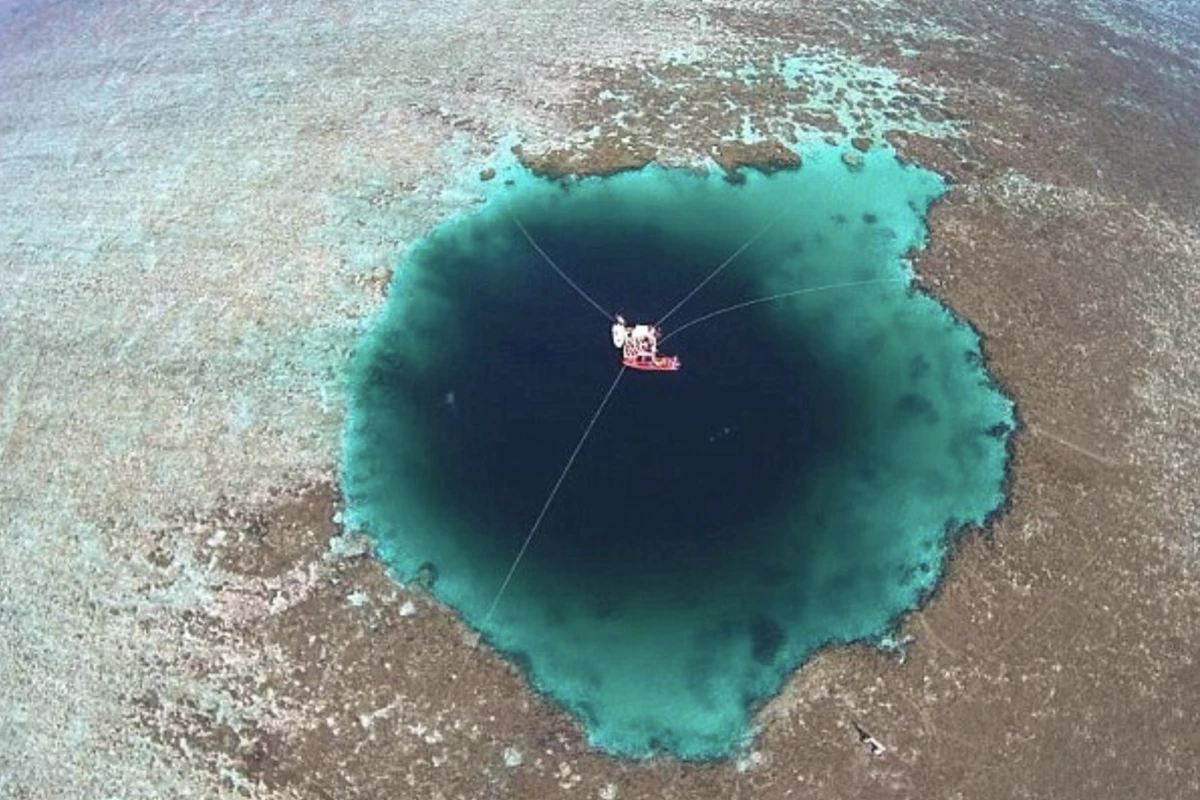
The Dragon Hole in the South China Sea is a unique blue hole where, at great depths, there is almost no oxygen or typical marine life. In its isolated layers, scientists have discovered unusual communities of microbes and viruses, including previously unknown species, making this place a natural laboratory for studying extreme forms of life.
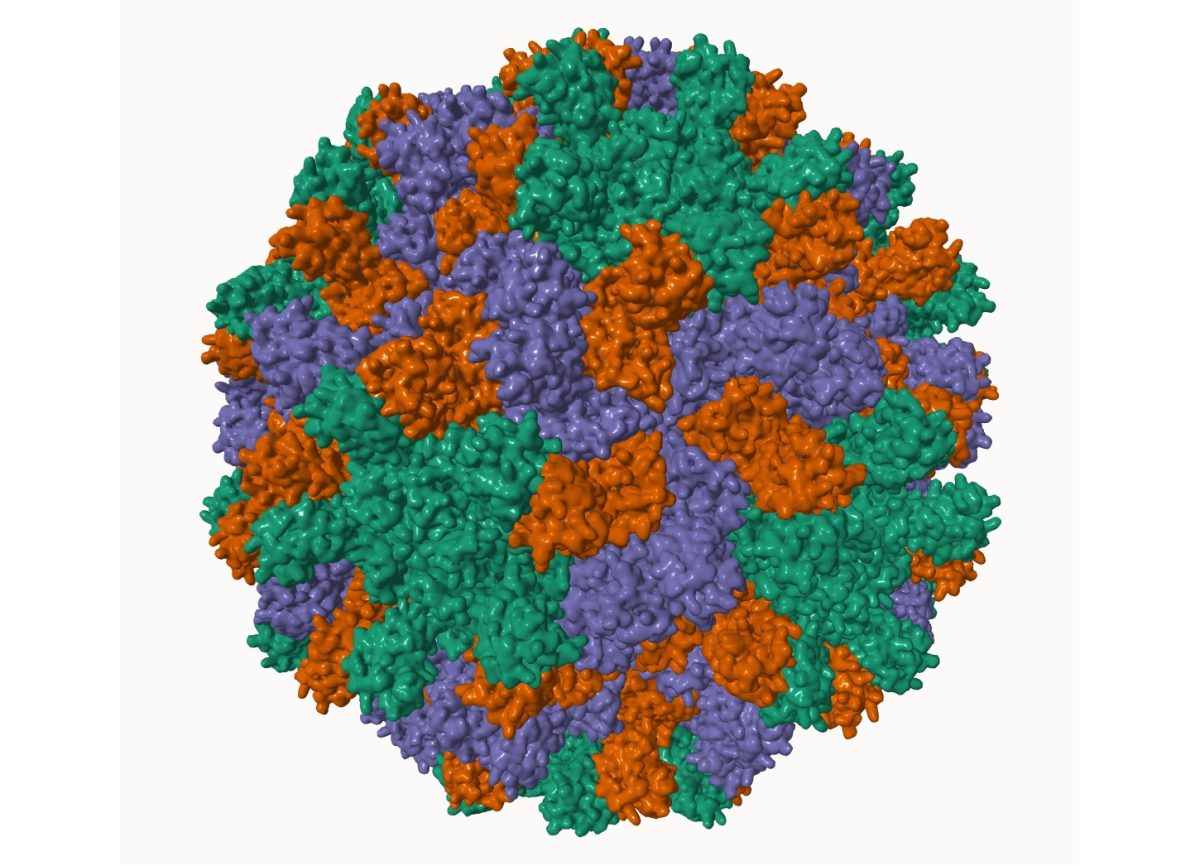
Scientists have discovered how spherical viruses precisely determine the direction for releasing their genetic material: hidden inside their shell is a unique chemical bond that sets the attack point. This breakthrough could lead to the development of more effective medicines and nanocontainers.
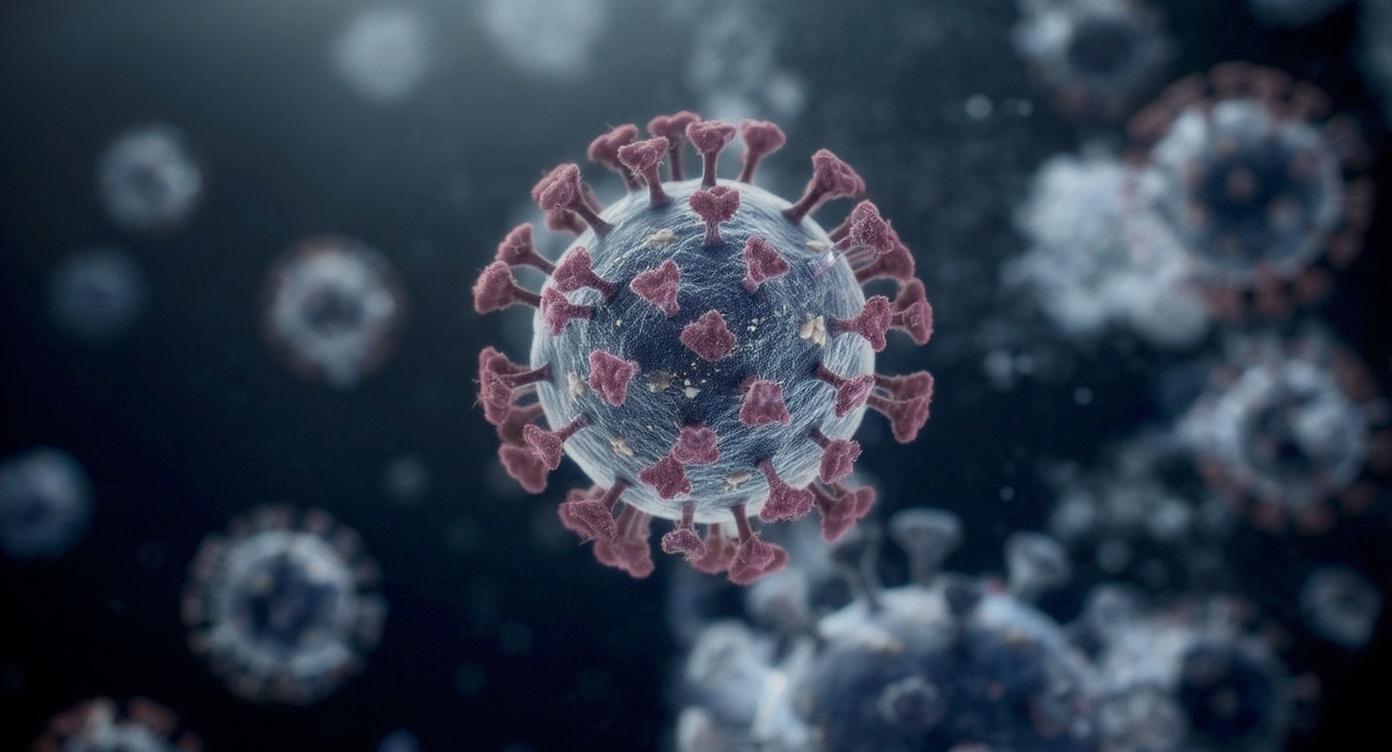
Scientists have discovered that a specific gene in the avian flu virus enables it to survive at high temperatures, making fever an ineffective defense. This explains the severe course of the disease in humans and highlights the importance of monitoring new strains.
A new study has shown that avian influenza viruses are capable of reproducing even at high temperatures, which reduces the effectiveness of fever as a protective mechanism in humans. This explains the severe course of the disease and highlights the importance of epidemiological surveillance for new strains.

 Cursus