British scientists have developed a vaccine against tetanus and diphtheria that can be stored without refrigeration. This innovation will help provide protection against infections in regions with hot climates and unreliable electricity supplies.
Scientists have discovered three previously unknown genotypes of Helicobacter bacteria in pygmy sperm whales, which may be linked to diseases of their gastrointestinal tract. This finding raises important questions about the impact of bacterial infections on the health of marine mammals and the overall state of ocean ecosystems.
A new study has revealed that sea anemones possess a unique antiviral defense mechanism that differs from the immune systems of vertebrates. This discovery broadens our understanding of immune system evolution and could aid in the search for new medicines.
A study of medieval cemeteries in Denmark revealed that having tuberculosis or leprosy did not significantly affect the prestige of a burial site. People with serious illnesses were often buried alongside others without any clear signs of discrimination.
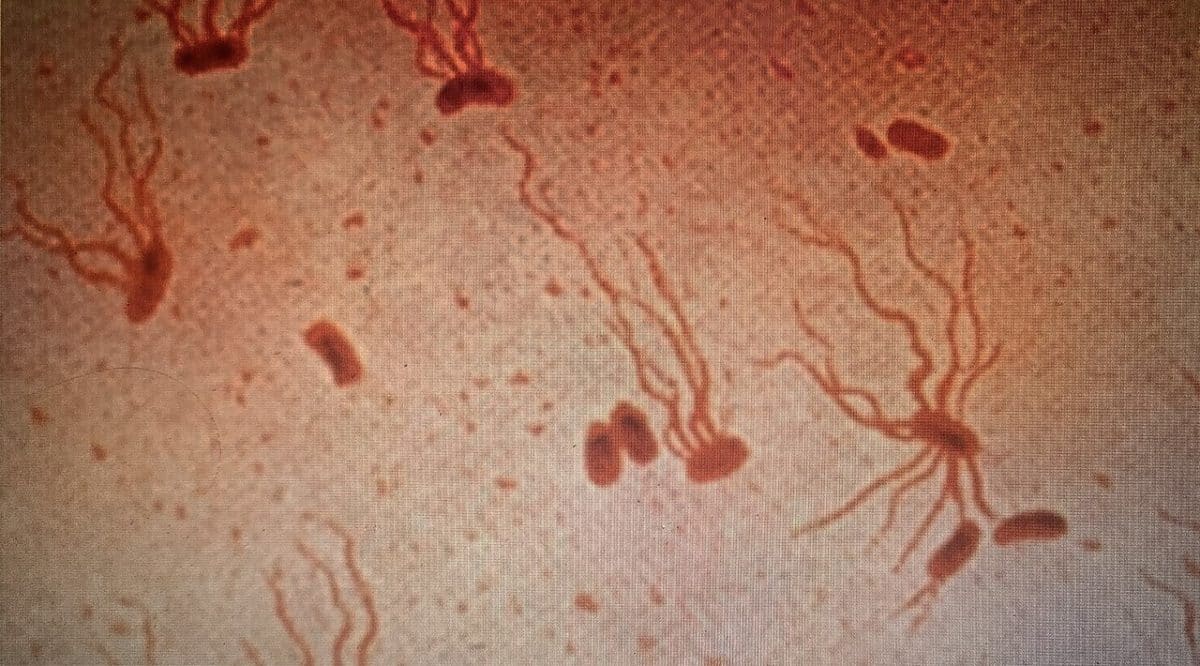
Scientists have discovered that bacteria can move across surfaces without flagella by creating an osmotic "wave" through the processing of sugars. This finding is important for combating bacterial infections.
A new study has shown that a significant vitamin D deficiency is linked to an increased risk of hospitalization due to respiratory infections. Taking vitamin D supplements is especially important during the winter months and for people in high-risk groups.
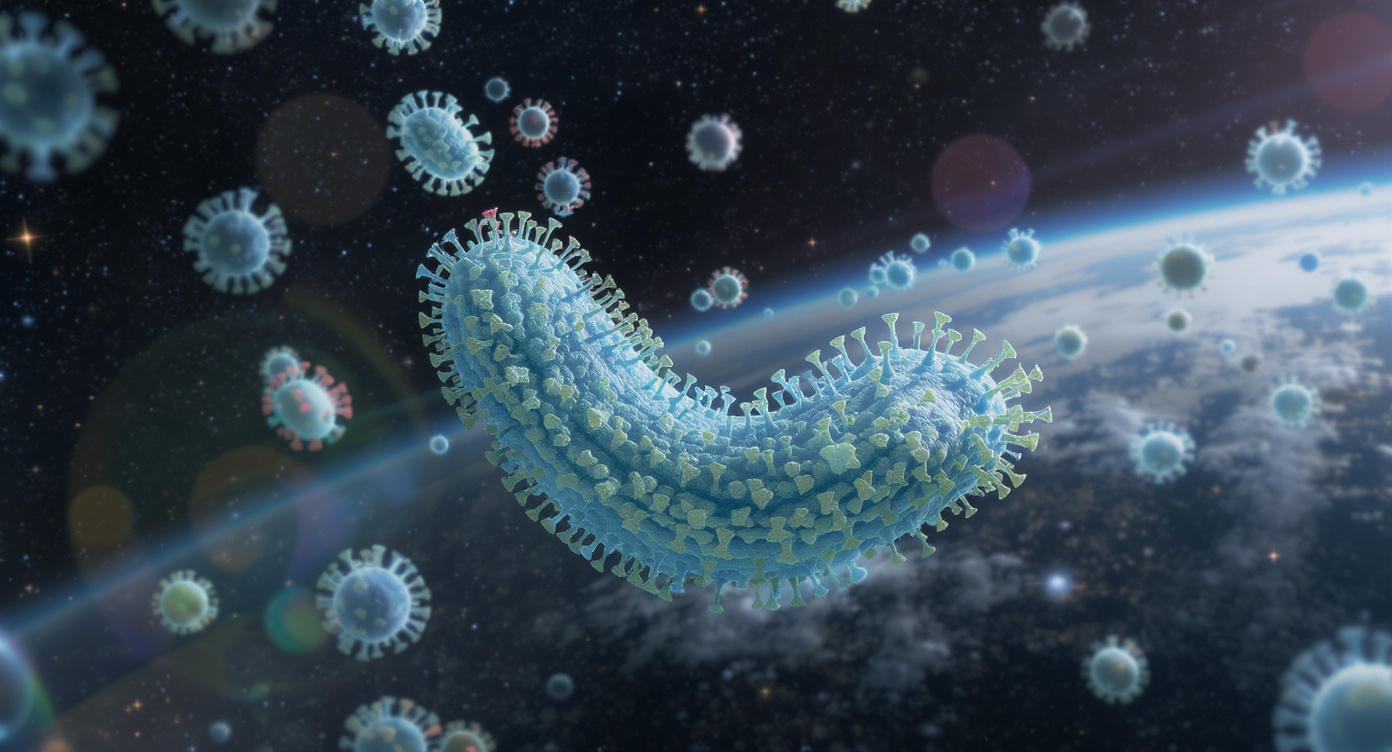
American scientists have discovered that the microgravity conditions on the ISS help bacteriophage viruses acquire mutations that allow them to effectively destroy bacteria resistant to antibiotics. These experiments open up new possibilities for developing drugs against superbugs.
Hospitalization due to severe infections, such as sepsis or pneumonia, significantly increases the risk of developing dementia, especially in people over the age of 60. Scientists recommend careful monitoring of cognitive health after recovering from such infections.


 Salus
Salus