A new study has shown that in elderly people with sleep disorders and early signs of dementia, taking high doses of vitamin D is associated with improved cognitive function. This effect was observed only at doses of 5,000 IU per day or higher.
Nearly half of all dementia cases are linked to modifiable risk factors, such as smoking and high blood pressure. Research has shown that healthy habits can delay the onset of symptoms of Alzheimer's disease and vascular dementia.
A new study has found that different microglial responses in the brain may explain why some people are more resistant to dementia in Alzheimer's disease. These findings open up new possibilities for developing therapies aimed at supporting the brain's protective microglial functions.
A new study has shown that the APOE2 gene variant helps neurons protect DNA and slows down cellular aging, thereby reducing the risk of dementia and Alzheimer's disease. These findings open up new possibilities for therapeutic approaches, especially for people with a high genetic risk.
A new study has shown that exceptional memory in older adults cannot be explained solely by a low genetic risk for Alzheimer's disease. Other biological, behavioral, and social factors also play an important role in maintaining cognitive health.
A two-year study found that omega-3 fatty acid supplements did not improve memory or cognitive function in older adults at risk for Alzheimer's disease. Taking fish oil did not slow age-related changes in the brain compared to a placebo.
An international team of researchers has identified three already approved drugs that may be effective for the treatment or prevention of Alzheimer's disease. Large-scale clinical trials are needed to confirm their benefits.
A new study has shown that taking medications against toxoplasmosis and receiving a herpes vaccine are associated with a reduced risk of developing Alzheimer's disease. However, scientists emphasize that these findings require further confirmation.
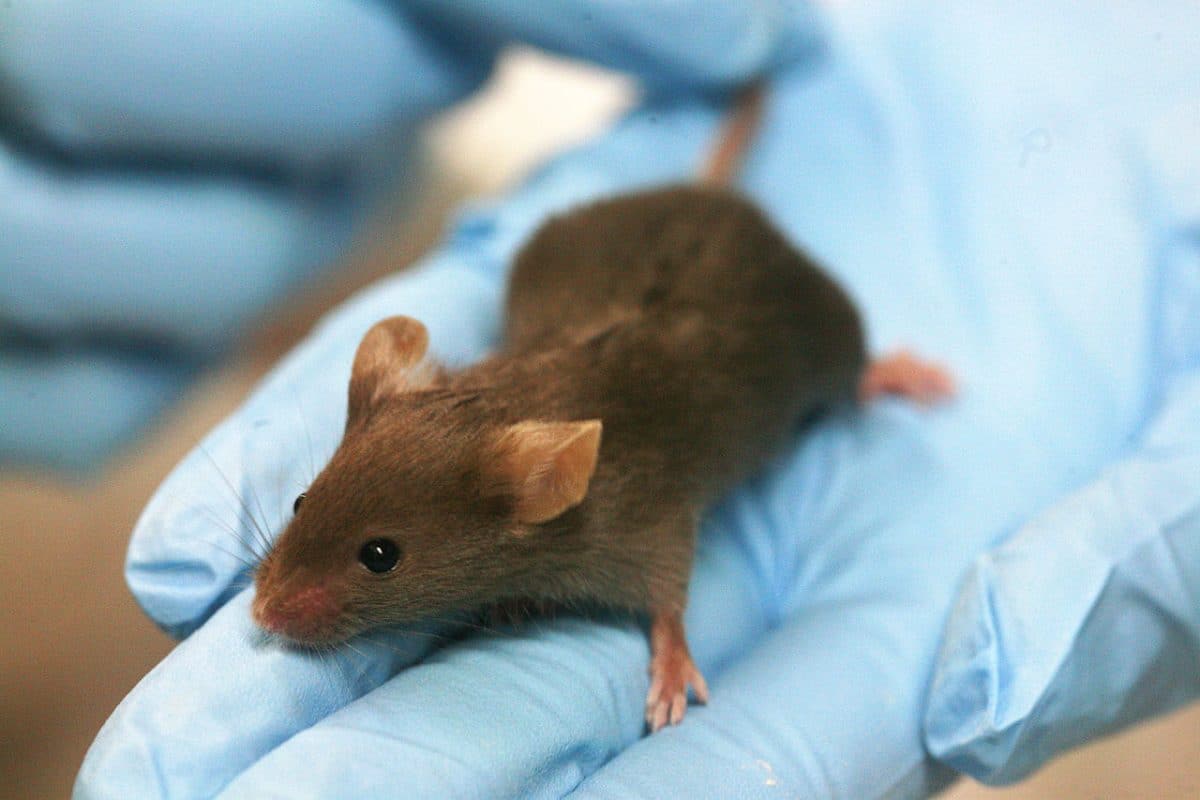
Experiments on mice have shown that the drug P7C3-A20 can fully restore memory and cognitive functions even in the later stages of Alzheimer's disease, opening up new possibilities for dementia therapy.
Researchers have developed the ComSLI method, which enables highly accurate and accessible visualization of fiber microstructure in tissues and the brain, including old archival samples. This breakthrough opens up new possibilities for studying tissue changes in diseases and analyzing previously inaccessible information.
A new study has found that young people with obesity already show brain damage biomarkers typically associated with aging, especially when choline levels are low. This may indicate an early risk of cognitive impairment and highlights the importance of proper nutrition for brain health.
Hospitalization due to severe infections, such as sepsis or pneumonia, significantly increases the risk of developing dementia, especially in people over the age of 60. Scientists recommend careful monitoring of cognitive health after recovering from such infections.
Scientists have discovered brain damage in stranded dolphins that resembles Alzheimer's disease in humans. These changes may be linked to toxins from algae and water pollution. The study highlights that neurodegeneration is not just a human issue and emphasizes the need for further research into how environmental factors affect animal health.
Japanese scientists have developed a new analogue of vitamin K that significantly enhances neuron formation and may slow down or even reverse neurodegenerative processes. This breakthrough opens up new possibilities for treating Alzheimer's and Parkinson's diseases.


 Salus
Salus