

A new vitamin K analogue slows neurodegeneration
Japanese scientists have developed a new analogue of vitamin K that significantly enhances neuron formation and may slow down or even reverse neurodegenerative processes. This breakthrough opens up new possibilities for treating Alzheimer's and Parkinson's diseases.
Cursus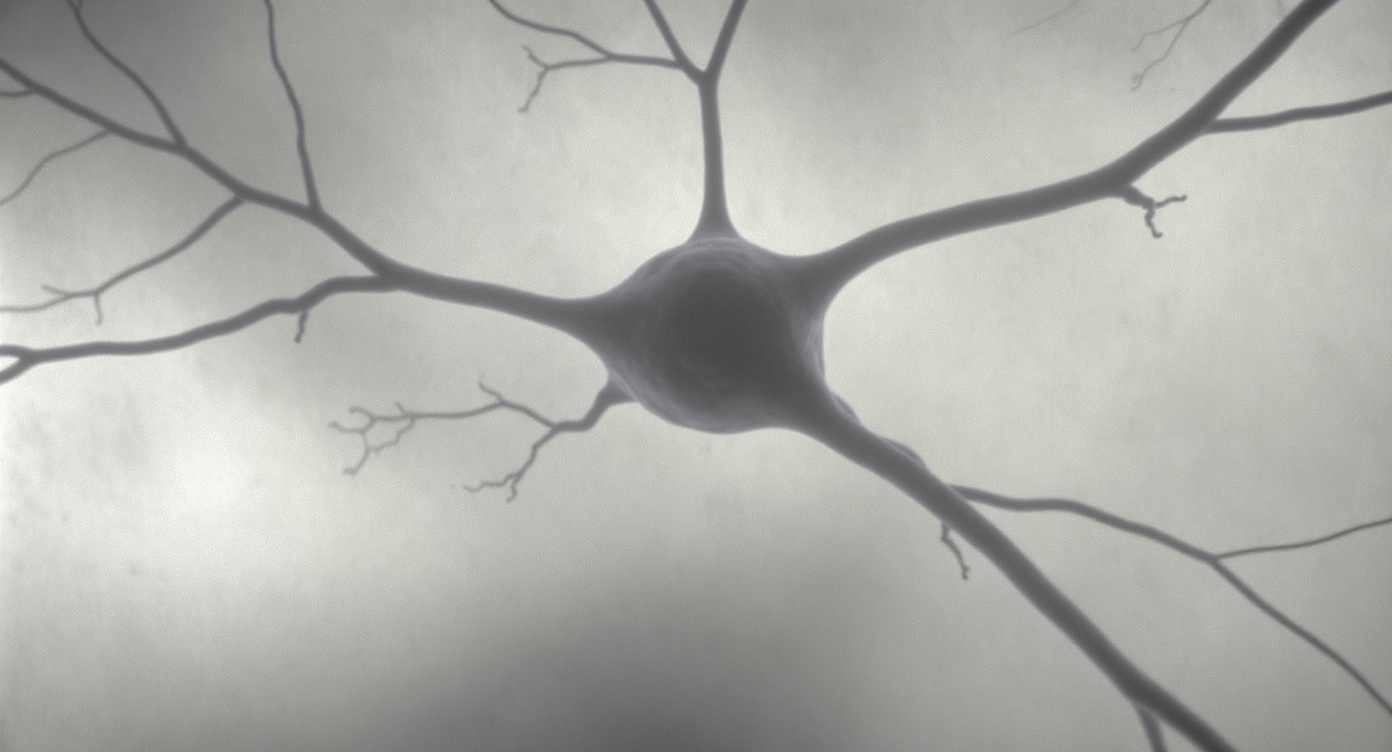
Neurodegenerative diseases, such as Alzheimer's, Parkinson's, and Huntington's, develop due to the gradual destruction and loss of neurons. This progressive loss of brain cells leads to serious symptoms, including memory decline, cognitive impairment, and motor dysfunction. Over time, these conditions significantly reduce quality of life and often make patients dependent on constant care. Current medications can only alleviate symptoms but do not halt or reverse the underlying pathological process, highlighting the urgent need for new therapeutic approaches.
One promising strategy is to stimulate neuronal differentiation—the process by which new neurons are formed to replace lost cells, potentially slowing or even reversing neurodegeneration.
Vitamin K and Its Role in Brain Protection
Vitamin K is a fat-soluble nutrient best known for its role in blood clotting and bone health. In recent years, it has attracted scientific attention for its influence on the development and protection of brain cells. However, natural forms of vitamin K, such as menaquinone-4 (MK-4), may not be sufficiently effective for use in regenerative therapies for neurodegenerative diseases.
New Vitamin K Analogs: An Innovative Approach
In a recent study published in ACS Chemical Neuroscience, researchers from the Shibaura Institute of Technology (Japan) developed and tested new vitamin K analogs with pronounced neuroactive properties. The team also identified a unique mechanism by which vitamin K promotes neuronal differentiation.
Dr. Hirota noted, “The newly synthesized vitamin K analogs demonstrated about three times greater effectiveness in inducing the differentiation of neuronal progenitor cells into neurons compared to natural vitamin K. Since neuron loss is a hallmark of neurodegenerative diseases, such analogs could become regenerative agents that help restore lost neurons and brain functions.”
Synthesis and Testing of Hybrid Molecules
To enhance the biological activity of vitamin K, the researchers created 12 hybrid homologs by combining it with retinoic acid (an active metabolite of vitamin A that promotes neuronal differentiation), carboxylic acid, or methyl ester. They then evaluated how effectively each compound stimulated neuronal differentiation.
Vitamin K and retinoic acid influence gene transcription through the steroid and xenobiotic receptor (SXR) and the retinoic acid receptor (RAR), respectively. By measuring the activity of these receptors in mouse neuronal progenitor cells treated with the new compounds, the scientists found that the hybrids retained the biological functions of both parent molecules.
One compound, which combined retinoic acid with a methyl ester, triggered a threefold increase in neuronal differentiation compared to the control and showed significantly higher activity than natural vitamin K. This improved version was named Novel VK (novel vitamin K analog).
Mechanisms of Action and Application Prospects
To better understand the protective effects of vitamin K, the team compared gene expression in neuronal stem cells treated with MK-4 to cells where this process was suppressed. Transcriptomic analysis revealed that vitamin K-induced neuronal differentiation is mediated by metabotropic glutamate receptors (mGluR) through epigenetic and transcriptional processes, with the effect of MK-4 linked to mGluR1.
Previous studies have shown that mGluR1 plays a key role in synaptic transmission, and mice lacking this receptor exhibit motor and synaptic disorders similar to those seen in neurodegenerative diseases. Structural modeling and molecular docking confirmed Novel VK’s high affinity for mGluR1.
Bioavailability and Pharmacokinetics
Further experiments showed that Novel VK more easily penetrates cells and is converted into bioactive MK-4 faster than natural vitamin K. In mouse studies, it demonstrated stable pharmacokinetic behavior, the ability to cross the blood-brain barrier, and achieved higher concentrations of MK-4 in the brain.
Significance and Future Perspectives
This research uncovers the mechanism by which vitamin K and its structural analogs exert neuroprotective effects, paving the way for the development of new therapeutic agents capable of slowing or even reversing neurodegenerative processes.
In conclusion, Dr. Hirota states: “Our study offers a potentially revolutionary approach to treating neurodegenerative diseases. A vitamin K-based drug that can slow the progression of Alzheimer's disease or improve its symptoms could not only enhance the quality of life for patients and their families but also significantly reduce the growing social burden on healthcare and long-term care systems.”