A new study of ancient rocks in Northern Australia has revealed that even the earliest eukaryotes depended on oxygen. This evidence confirms the crucial role of oxygen in the evolution of complex life on Earth.
Scientists have developed a more accessible and cost-effective method for determining biologically active phosphorus in soil, which is linked to microbial activity. This new approach will help study soil fertility more efficiently and make better use of limited phosphorus resources in agriculture.
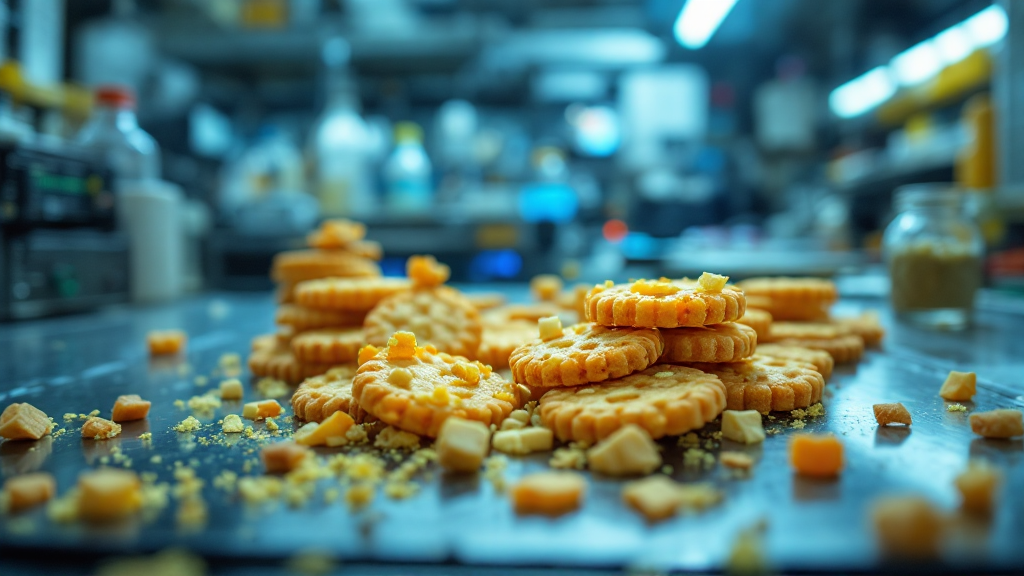
At Southern Illinois University, researchers have developed a method to convert plastic and plant waste into a protein-rich food product using genetically modified yeast. The project is currently at the proof-of-concept stage and requires further research to assess its safety and practical applications.
A new study has found that in most songbird species, males tend to live longer than females, especially among migratory species. Researchers link these differences to physical exertion and social dominance.
A new study has shown that African elephants use certain plants and minerals not only as food, but also to maintain their health. This information is important for species conservation and for planning their habitats.
Scientists have discovered that bacteria from kimchi can bind to and remove nanoplastics from the body, opening up new possibilities for biological methods to combat plastic pollution.
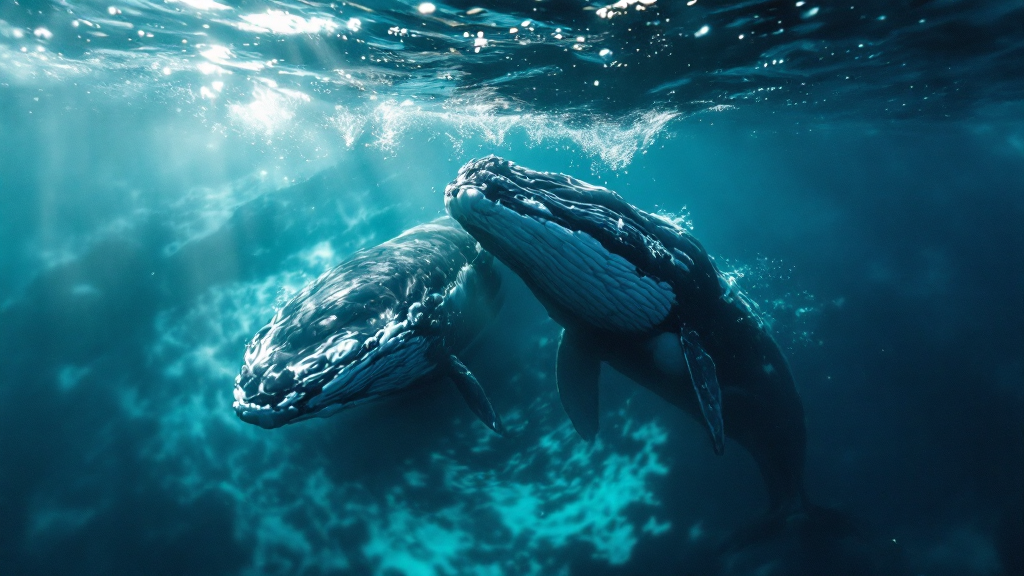
Australian biologists have, for the first time, closely documented a female humpback whale staying near her stillborn calf, repeatedly returning to it. This is the first recorded case of post-mortem attention in humpback whales.
Studies have shown that dogs and humans share similar biological markers of aging, opening up new opportunities for longevity research. Habits that promote healthy aging in people are likely beneficial for dogs as well.
Finnish researchers have developed a productive life index that takes into account both paid and informal work. Their study revealed that the period of full working capacity is significantly shorter than the average life expectancy, highlighting the true economic burden of an aging population.
Despite the abundance of anti-snoring remedies, their effectiveness is often limited due to a lack of understanding of the mechanics behind this phenomenon. Physicists have developed a 3D model of the airways to study the causes of loud snoring and to explore new approaches to treatment.
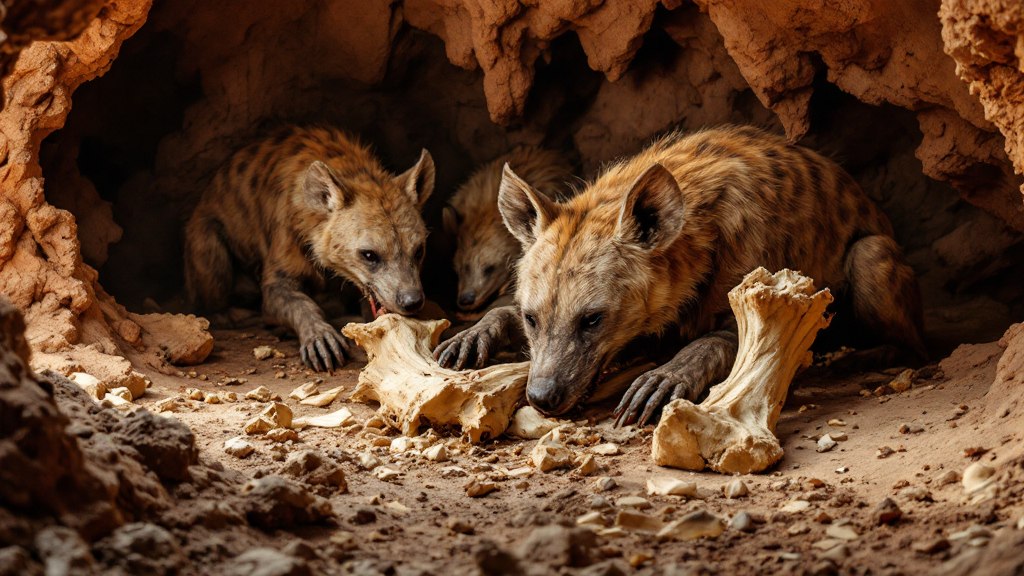
A study of fossilized excrement from the Odessa catacombs has revealed that ancient hyenas of the genus Pliocrocuta were already feeding on large bones and animal hides 3.6 million years ago. This evidence confirms that their dietary habits were similar to those of modern scavengers.
Scientists have uncovered the biochemical mechanisms behind the synthesis of toxic compounds in monkshood and larkspur, paving the way for the development of new medicines based on natural products. This research could lead to environmentally friendly methods for obtaining valuable medical substances.
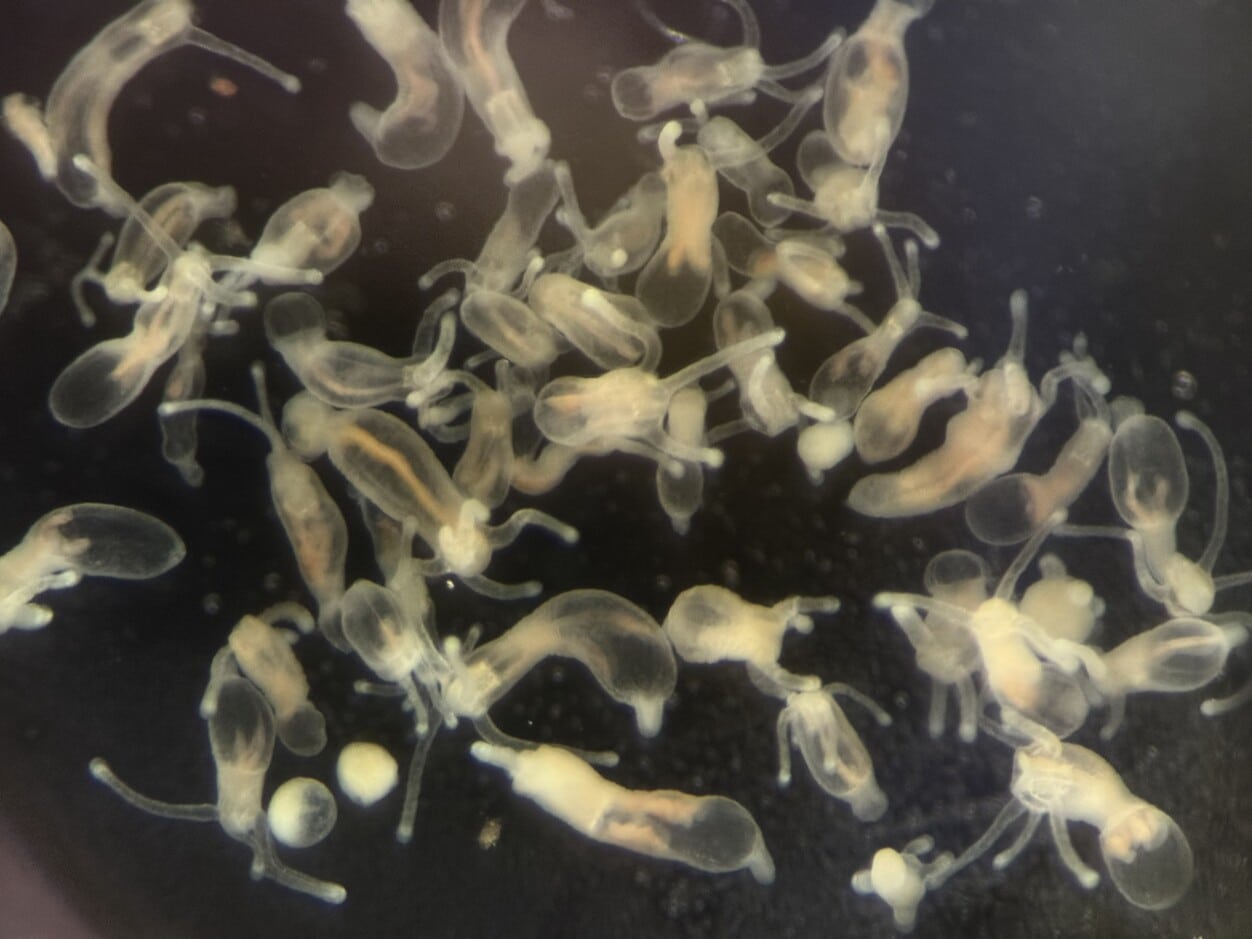
The article discusses the scientific journey of a researcher, the introduction of new molecular methods, and the study of invertebrate immunity using the sea anemone as a model organism. It highlights achievements, publications, and future prospects for research in the fields of RNA biology and antiviral immunity.
Chinese bioengineers have developed a tool called smACGmax, which can simultaneously replace three types of nucleotides in DNA to accelerate the process of directed genome evolution. This technology enables the creation of cells with new beneficial properties and speeds up the development of medicines.
Scientists have developed a new method for distinguishing mirror-image forms of molecules using twisted laser light, which has simplified and improved the accuracy of analyzing their chirality. This technology could be applied in chemistry, biology, and pharmaceuticals, where the properties of mirror-image molecules are critically important.


 Cursus