A new study of ancient rocks in Northern Australia has revealed that even the earliest eukaryotes depended on oxygen. This evidence confirms the crucial role of oxygen in the evolution of complex life on Earth.
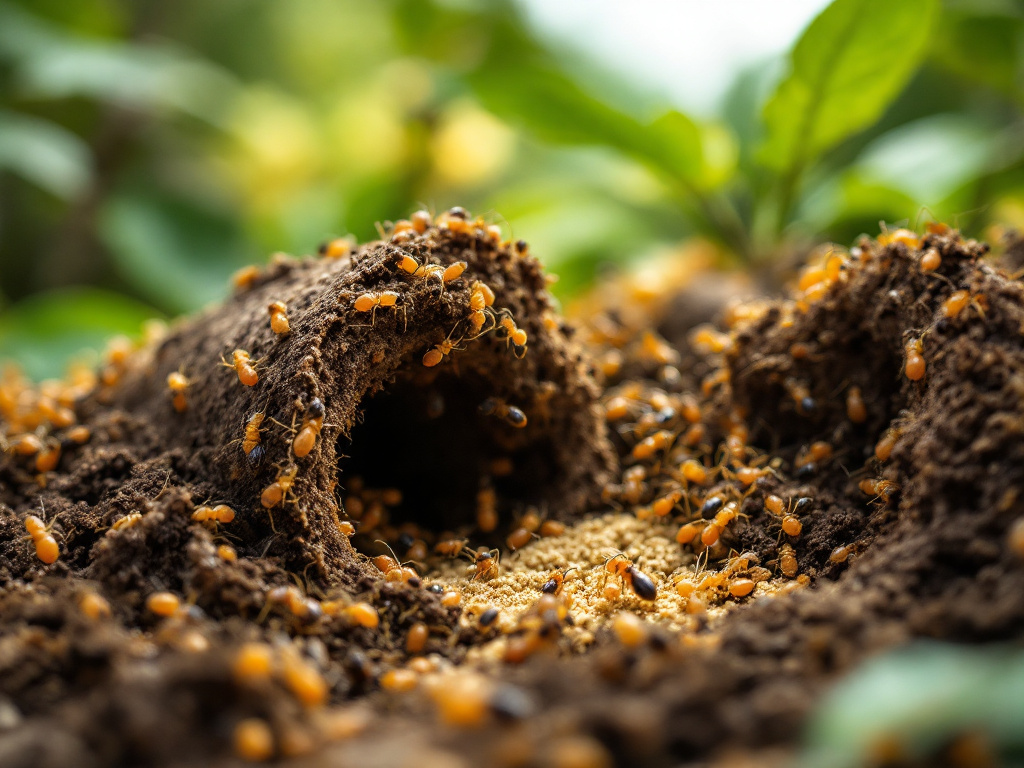
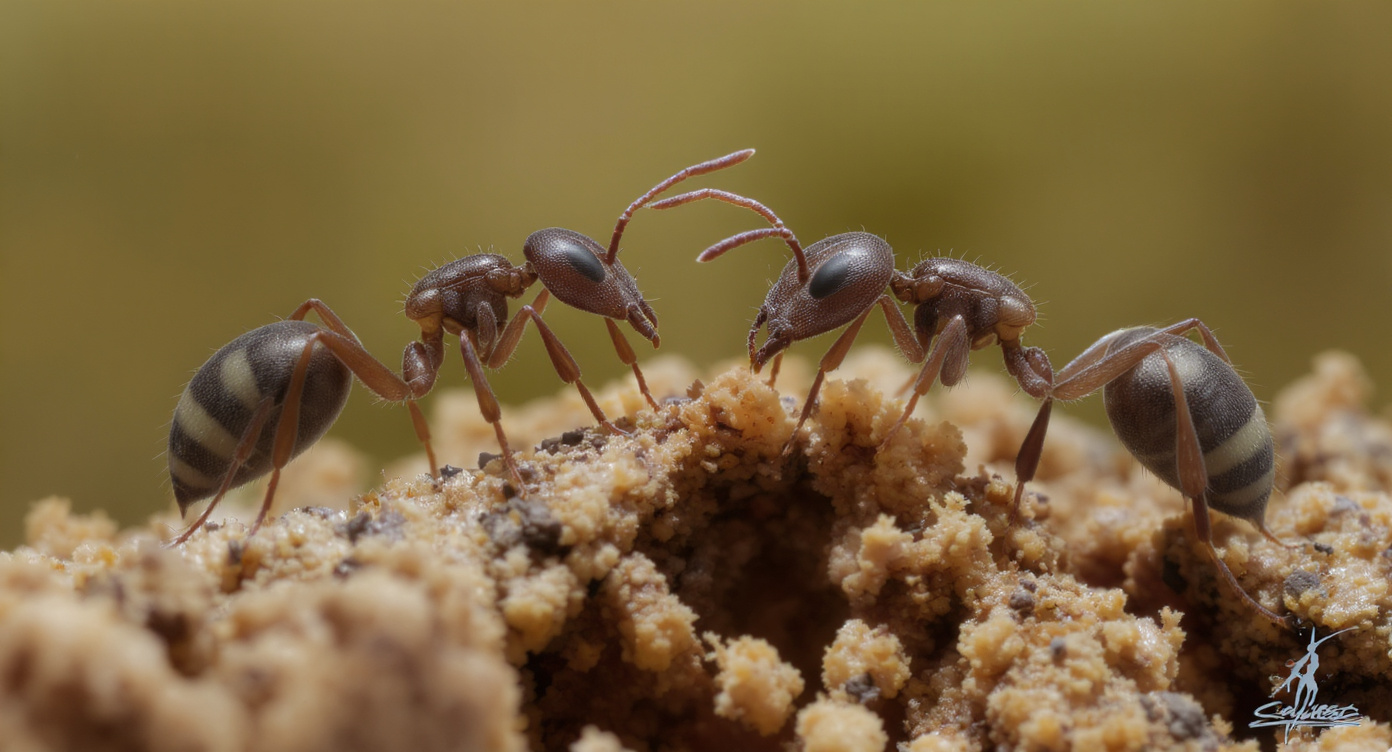
Some species of ants have learned to transform carbon dioxide from their underground nests into a durable mineral layer that strengthens their exoskeleton and protects the colony. This process allows the insects to simultaneously get rid of excess CO2 and reinforce their outer shell.
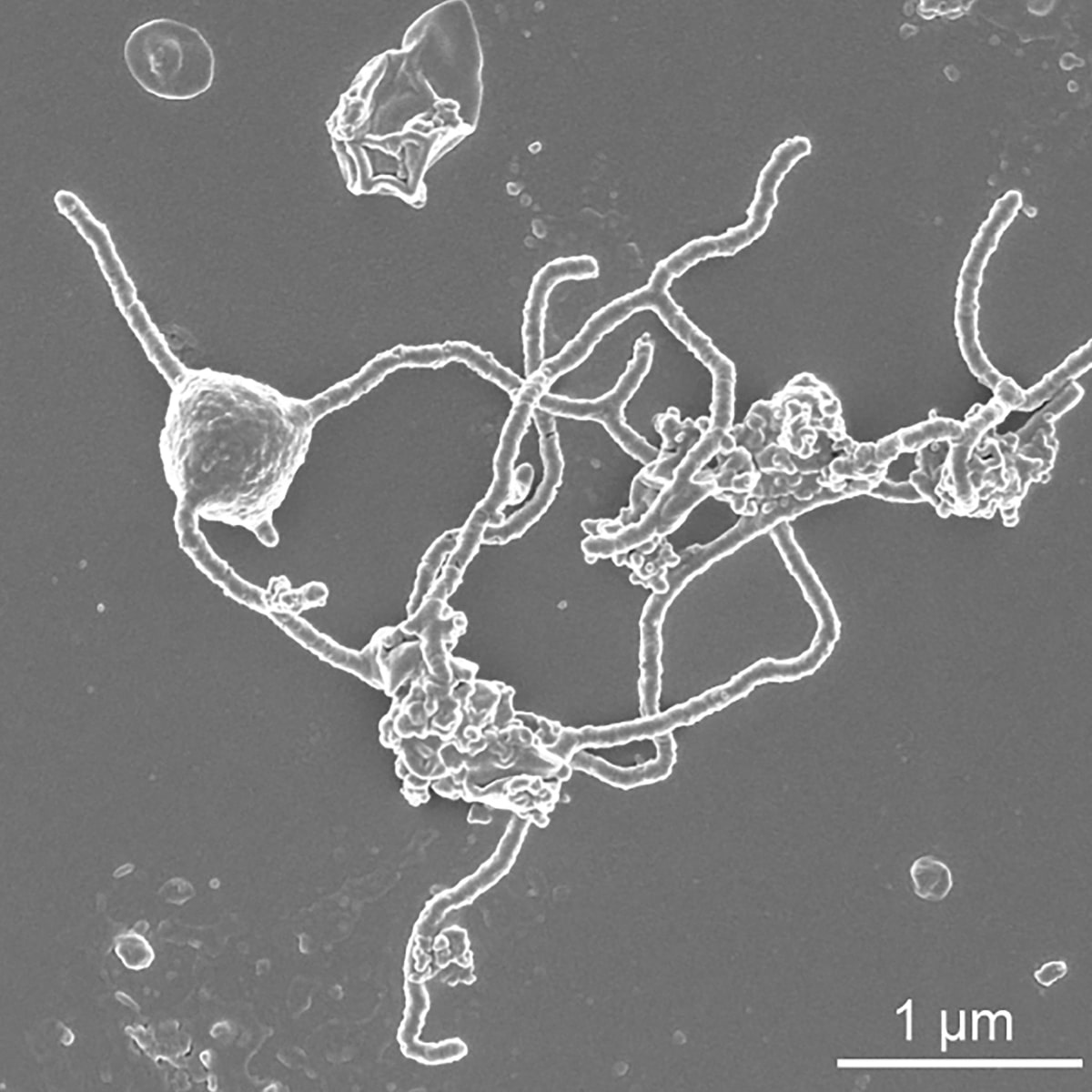
A new study has revealed that ancient archaea—the closest relatives of eukaryotes—possessed the genetic machinery for oxygen respiration even before their symbiosis with bacteria. This discovery changes our understanding of how complex cells originated.
Scientists have discovered a molecular switch that enables plants to enter into symbiosis with nitrogen-fixing bacteria. This breakthrough could pave the way for the development of cereal crops capable of supplying themselves with nitrogen, thereby reducing agriculture's reliance on fertilizers.
Termites protect their mushroom farms from harmful fungi using a sophisticated strategy: they isolate infected areas and cover them with soil enriched with antifungal microorganisms. This approach allows them to effectively preserve their crops and prevent the spread of infection.
Iberian harvester ants have been found to possess a unique method of reproduction: queens are able to produce clones of males from another species, ensuring the survival of their colony. This unusual symbiosis reveals new aspects of insect evolution.

 Cursus