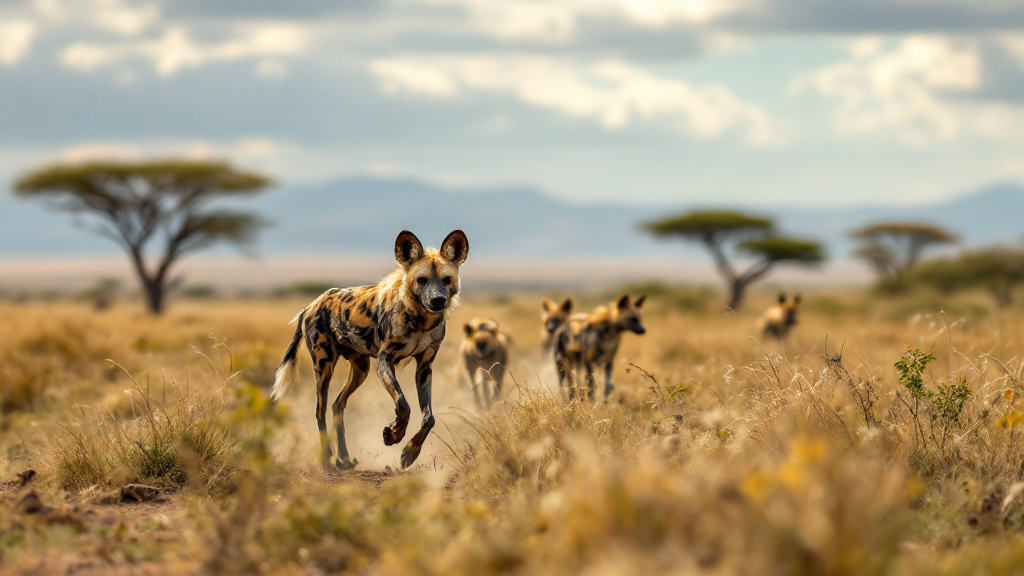
Young male African wild dogs traveled over 4,000 kilometers in nine months, setting a new record among African mammals. This discovery is important for understanding migration patterns and for the conservation of this rare species.
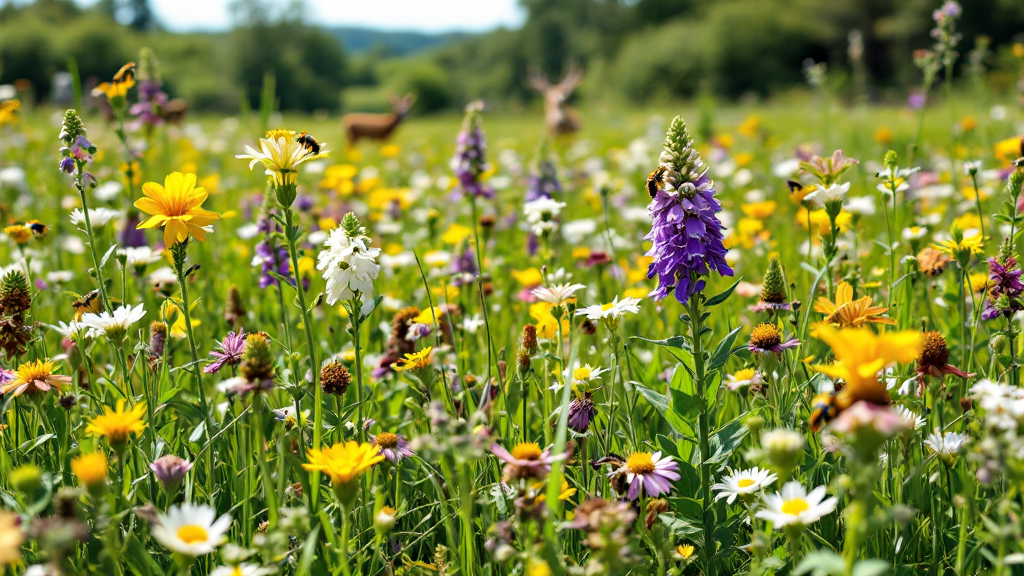
Долгосрочное исследование показало, что заброшенные сельскохозяйственные земли могут самостоятельно превращаться в луга с высоким биоразнообразием без дорогостоящих вмешательств. Такой подход способствует восстановлению экосистем и снижает затраты на реабилитацию земель.
A new study has shown that glyphosate reduces foraging activity in honey bees and may disrupt the chemical balance in their brains. This could negatively affect hive health and highlights the need for further research.
A study in Germany found that streetlights with warm light attract nearly half as many nocturnal insects compared to cold lamps, reducing insect deaths caused by artificial lighting. This approach could help preserve insect populations and support ecosystems.
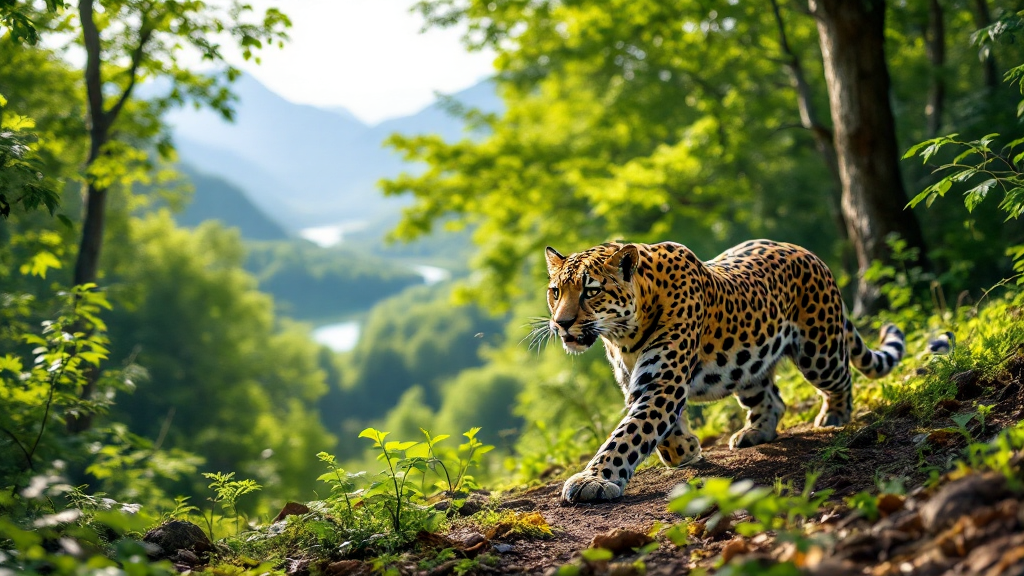
Over the past ten years, the population of Amur leopards in Russia has nearly tripled thanks to enhanced protection efforts. To further restore their numbers, plans are underway to expand their habitat and strengthen international cooperation.
An adult jaguar has traveled more than 2,000 kilometers across the southern Amazon, setting a new record for its species and surprising scientists with its unusual route. This discovery changes our understanding of what big cats are capable of and highlights the importance of natural corridors for their survival.
A new study has shown that controlled burns significantly increase the survival rate of giant sequoias during extreme wildfires. This approach is recognized as a key tool for their preservation.
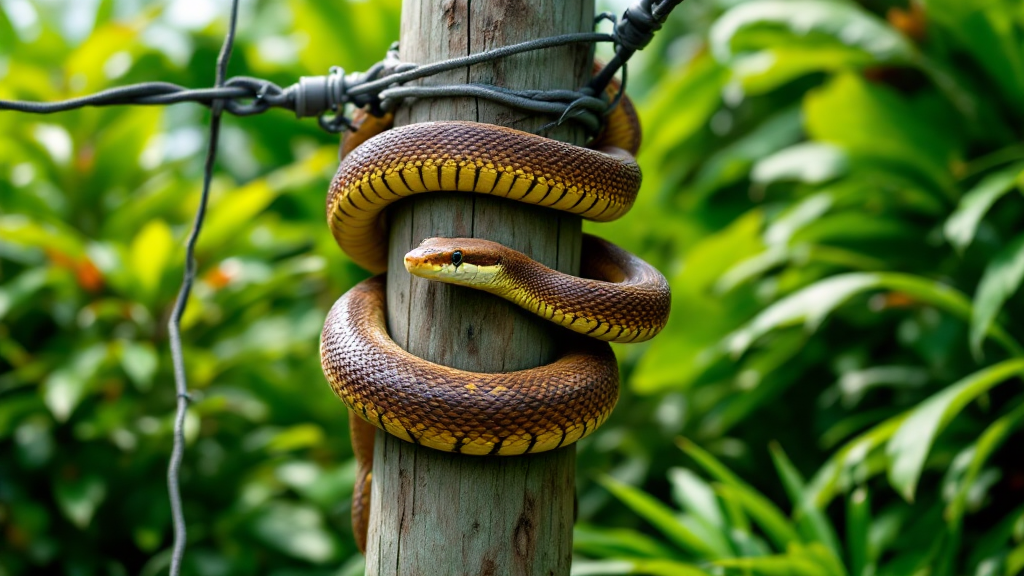
A new study has revealed that the brown tree snake on Guam possesses unexpectedly high genetic diversity, which helps it adapt quickly and makes controlling this invasive species more challenging. These findings also offer hope for the conservation of rare species with small populations.
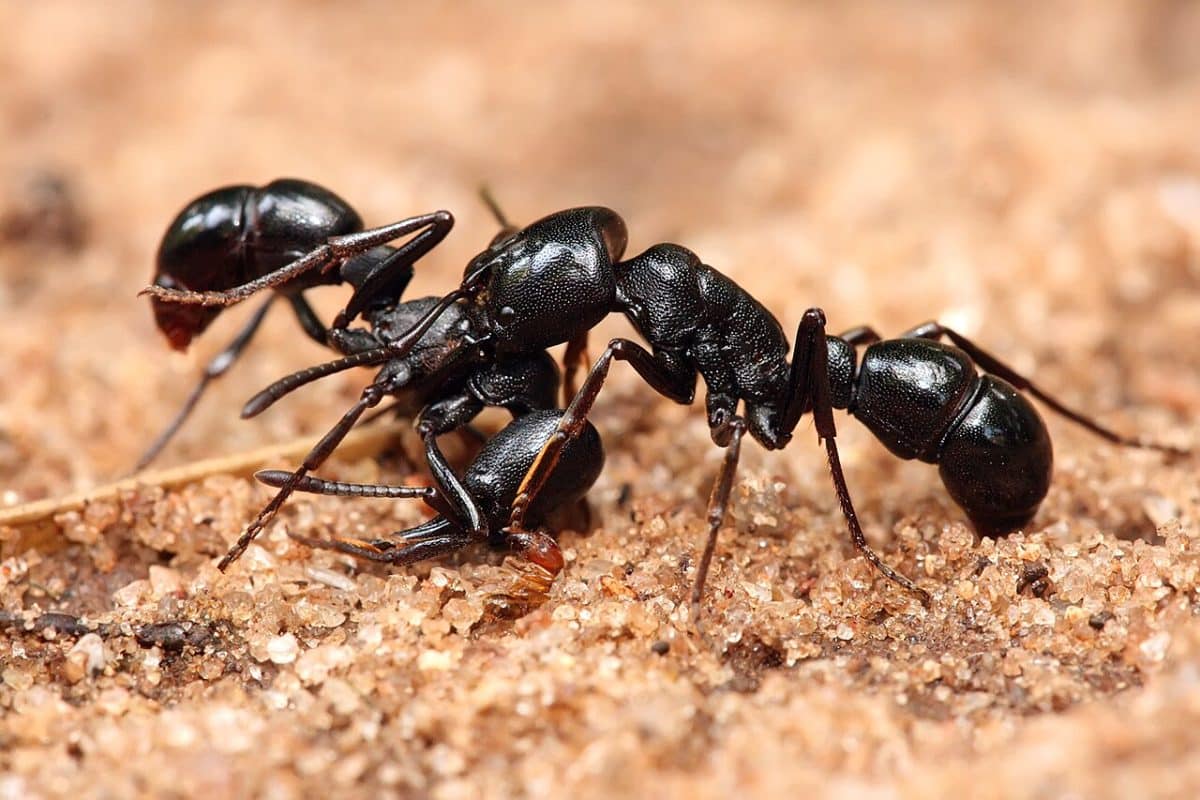
A new study reveals that scientists have identified less than 5% of all terrestrial insect species, and the actual diversity may exceed 20 million species. Most of these insects live in remote tropical forests that are difficult to access.
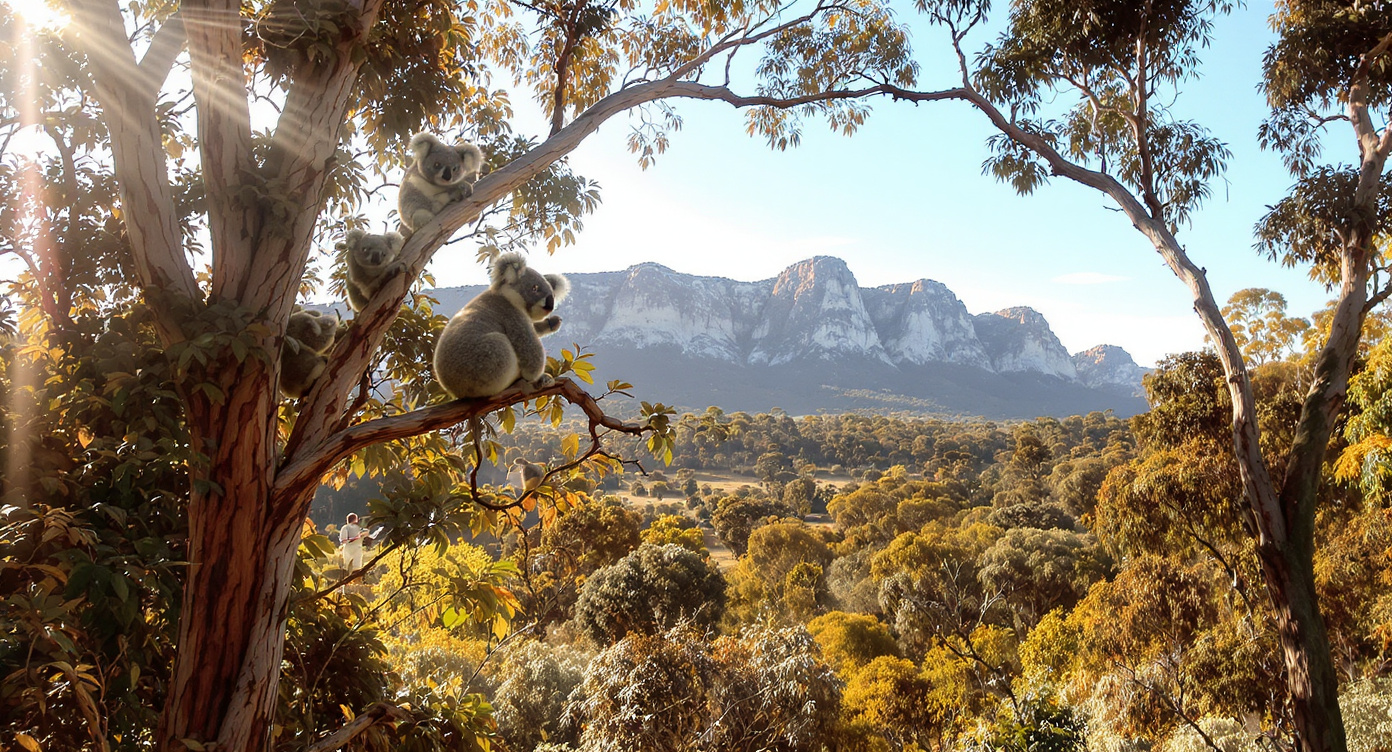
In South Australia, the koala population is rapidly increasing, which could lead to environmental issues. A new study proposes a humane strategy for population control to help maintain ecological balance.
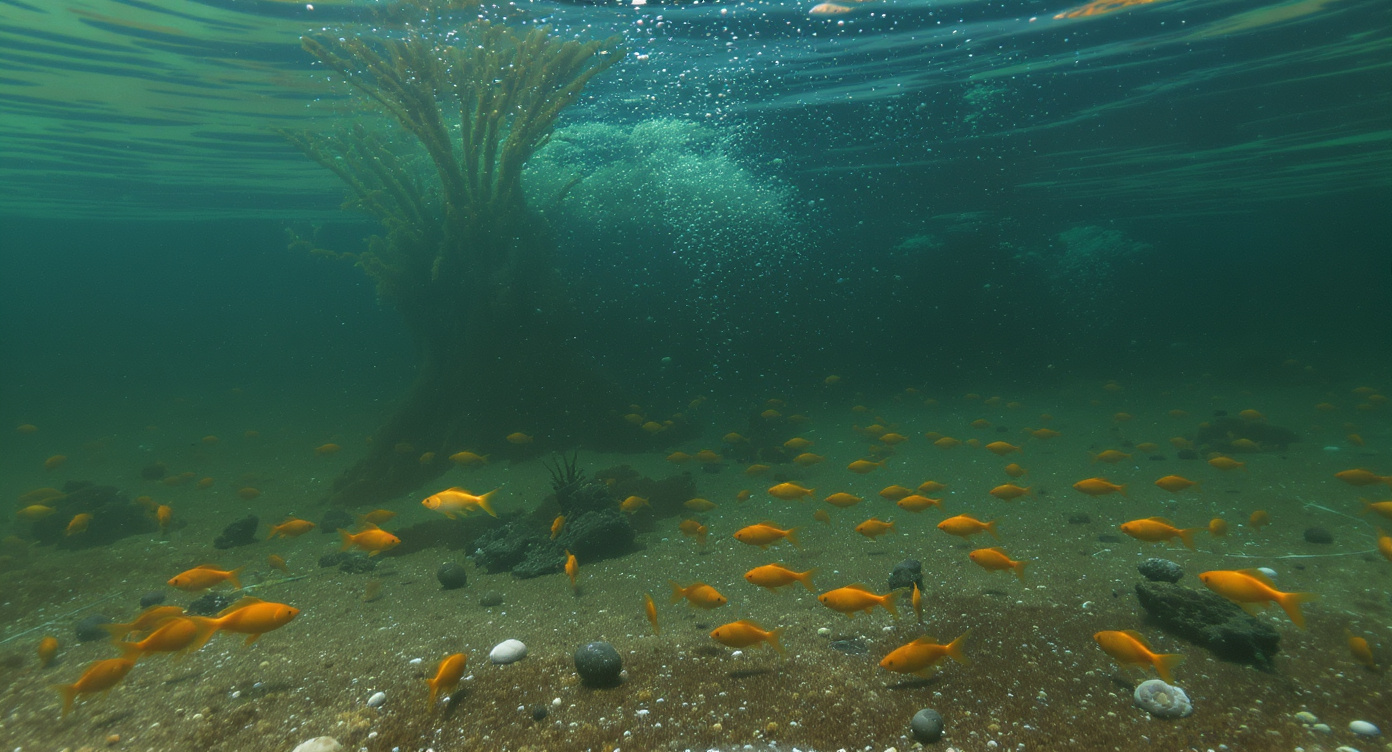
The introduction of goldfish into freshwater lakes leads to ecosystem destruction: water quality deteriorates, algae disappear, and the populations of native animals decline. Scientists urge that aquarium owners be informed about the harm caused by releasing these fish into the wild.
A new study has shown that plants are capable of absorbing minerals directly from atmospheric dust through their leaves, which is especially important for ecosystems with nutrient-poor soils. In some regions, this aerial pathway provides up to 17% of the nutrients that plants need.
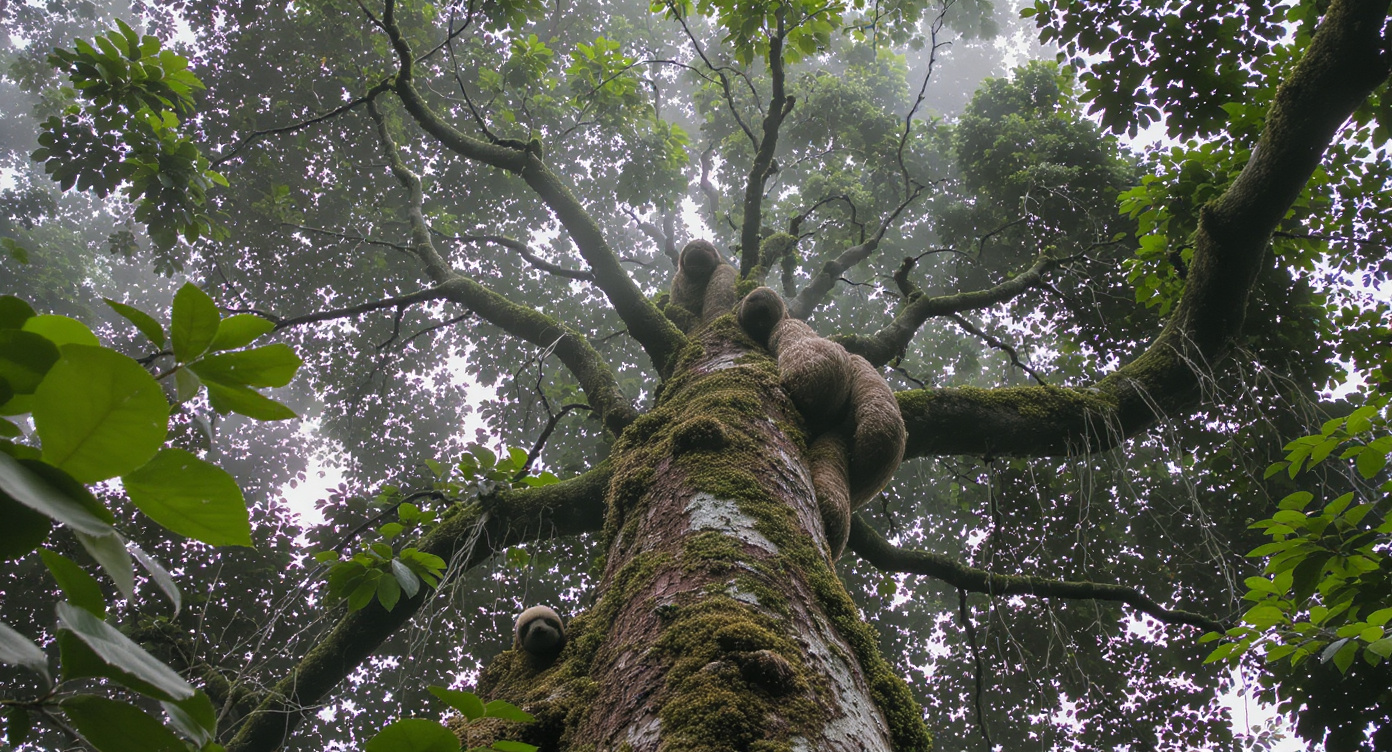
In the cloud forests of Costa Rica, researchers have discovered that sloths, margays, and other mammals use the canopies of certain trees as communal toilets. This finding changes our understanding of animal behavior and their communication within tropical ecosystems.
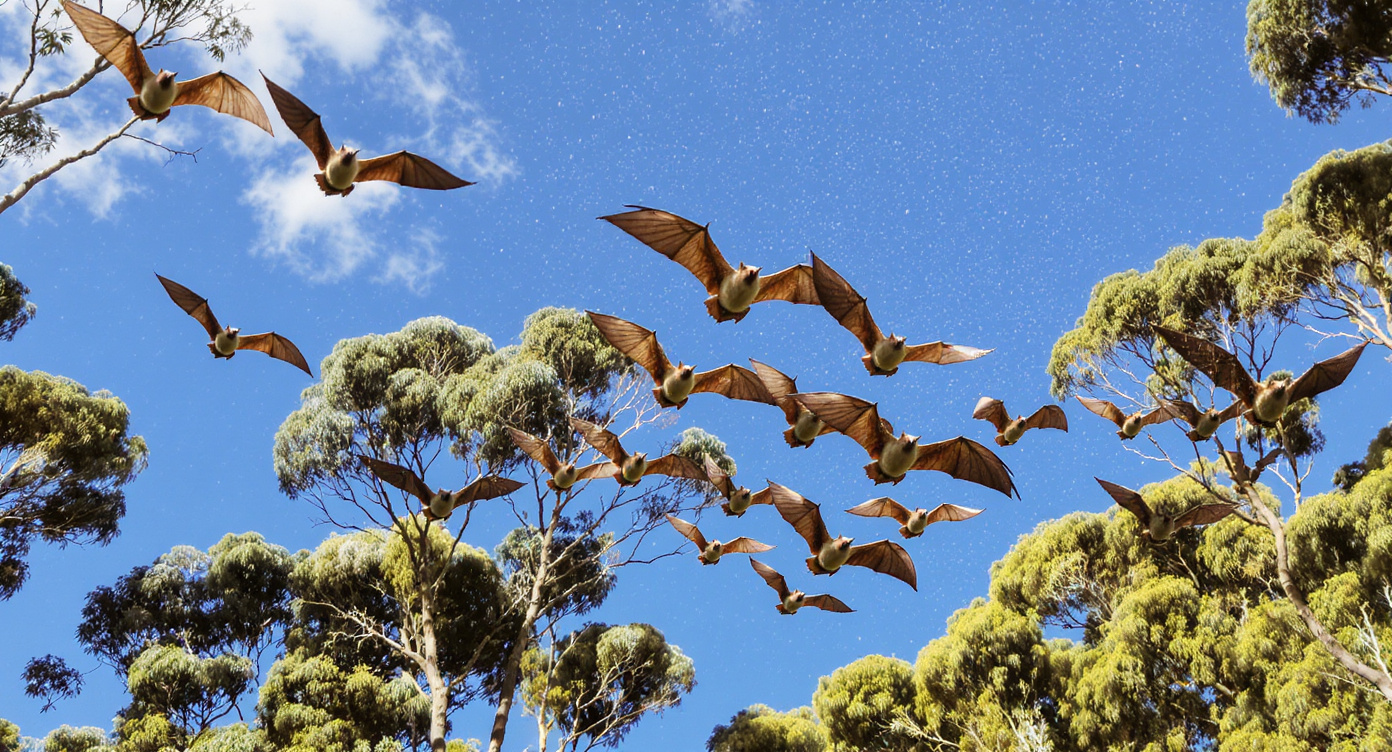
Australian flying foxes, once considered pests, help generate millions of new trees each year and contribute hundreds of millions of dollars to the country's economy. Research highlights their crucial role in forest restoration and the importance of protecting these animals.
A new study has shown that microplastics are actively accumulating in forest soils, mainly entering them from the atmosphere and with falling leaves. Forests are becoming indicators of atmospheric microplastic pollution, which may pose an additional threat to ecosystems.

 Natura