The implementation of artificial intelligence in industry requires flexibility and rapid adaptation to fast-paced technological changes, while maintaining the stability and security of key processes. Companies that can quickly identify and scale effective solutions, while discarding inefficient ones, gain a competitive advantage.
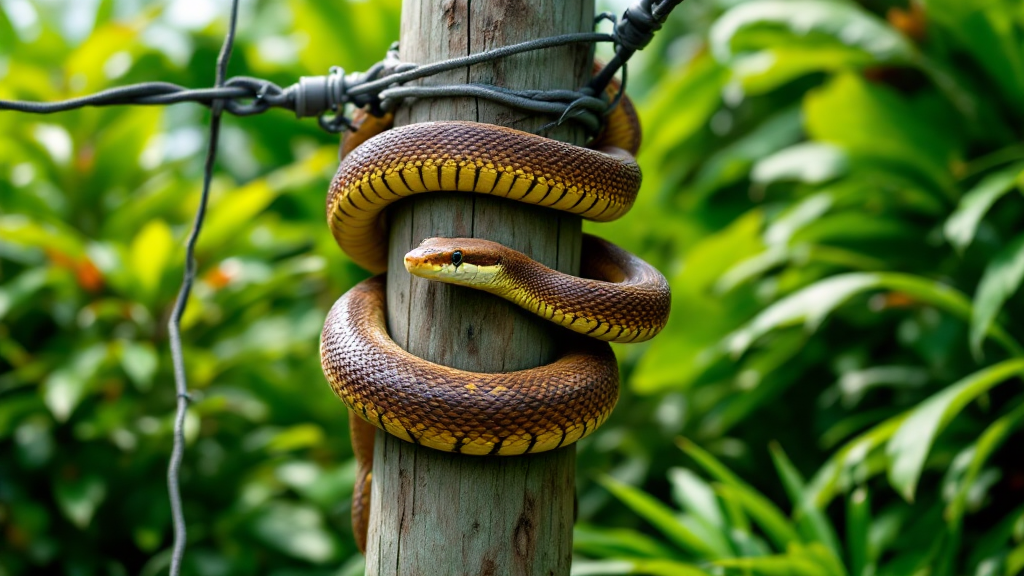
A new study has revealed that the brown tree snake on Guam possesses unexpectedly high genetic diversity, which helps it adapt quickly and makes controlling this invasive species more challenging. These findings also offer hope for the conservation of rare species with small populations.
Over the next 30 to 50 years, forecasts for ice loss in Antarctica remain fairly reliable, which is important for planning adaptation measures to rising sea levels. However, by the end of the century, uncertainty increases, highlighting the need to improve models and strengthen international cooperation.
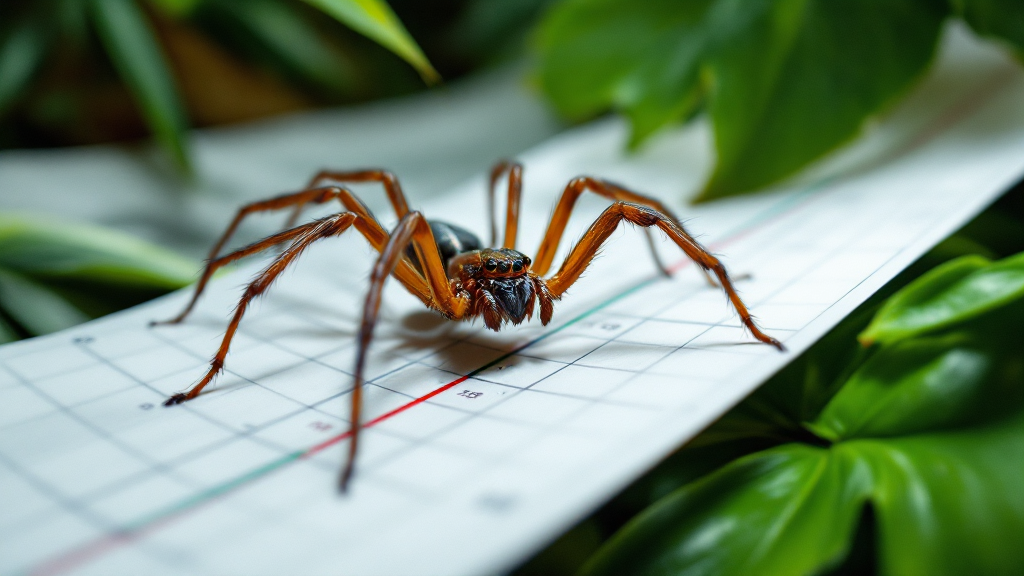
A new study has found that the fastest arachnid is the huntsman spider Heteropoda jugulans, which can reach speeds of up to 3.59 m/s. The key factor behind its impressive speed turned out to be the length of its legs.
The implementation of lean methodologies requires consideration of the cultural and organizational characteristics of the region—there is no universal template. Success depends on adapting tools and approaches to local conditions.
The shift to a potato-based diet around 10,000 years ago led the inhabitants of the Andes to develop a significant increase in the number of amylase gene copies, which helped them digest starch more efficiently. This genetic adaptation optimized their metabolism, but it is also linked to modern issues such as a higher prevalence of tooth decay.
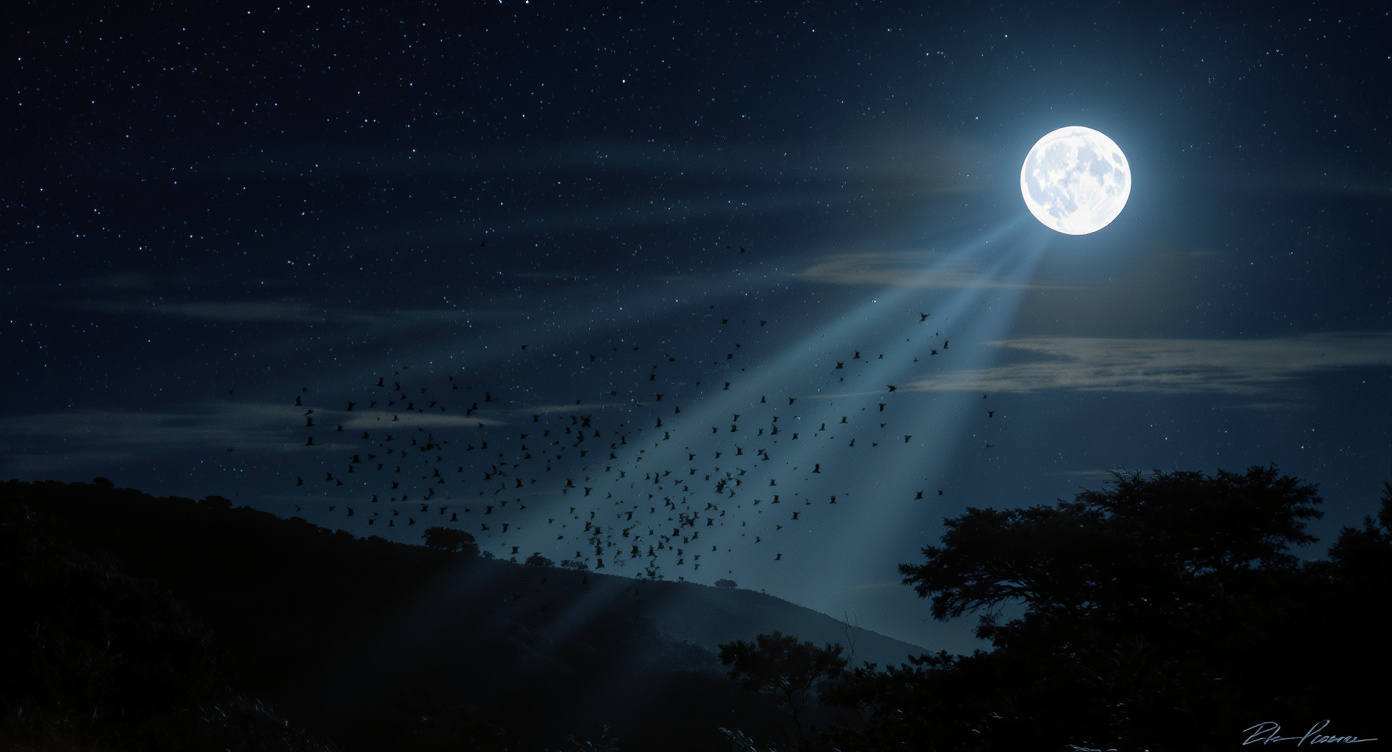
The study revealed that the life cycle of red-necked nightjars is closely linked to the phases of the Moon: these birds are most active during the full moon, while during the new moon they enter a state of torpor to conserve energy. Lunar cycles also influence the migration and breeding patterns of these nocturnal birds.
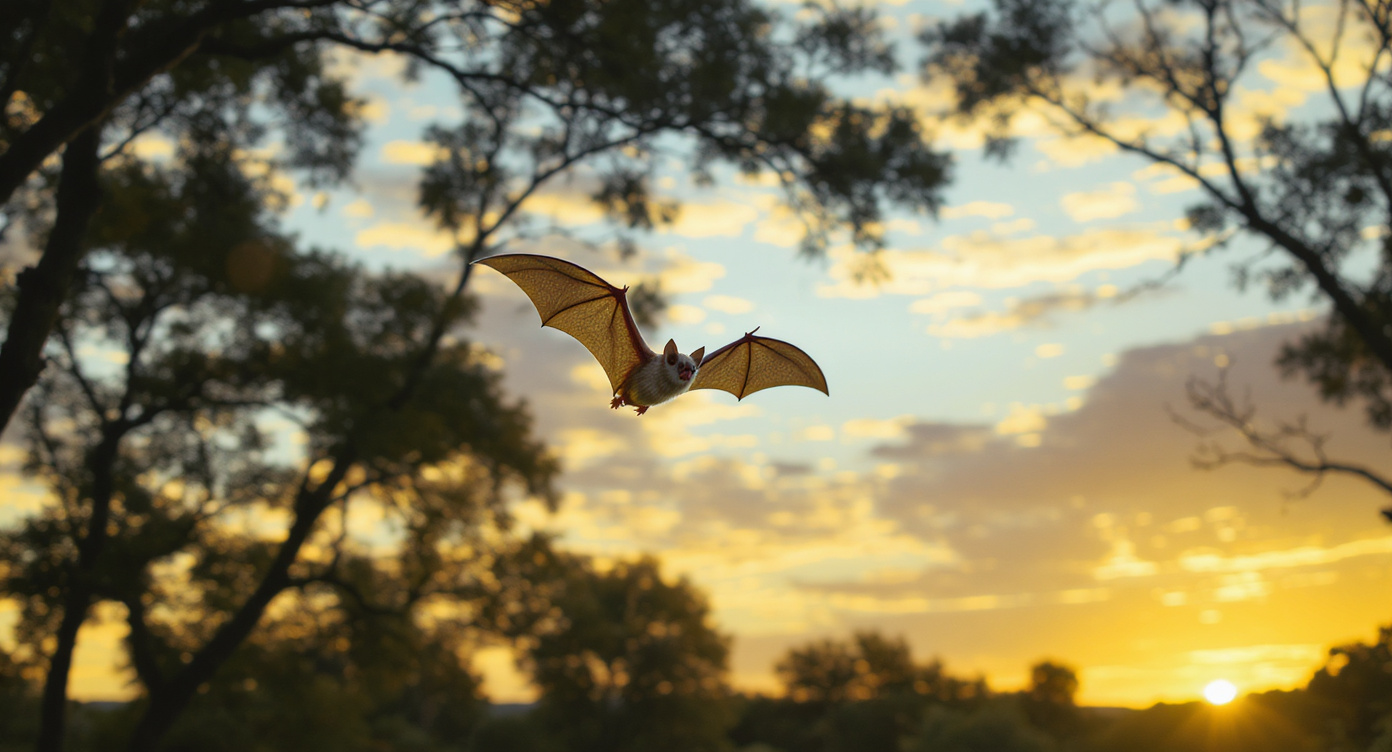
An alpha-coronavirus has been discovered in African bats that is capable of entering human cells via the CEACAM6 protein, which is widely present in the lungs. Although transmission of the virus to humans has not yet been observed, the study highlights the importance of monitoring new potential routes of infection.
A new study shows that the risk of malaria infection significantly influenced the settlement patterns of ancient humans in Africa, alongside climate factors. Malaria shaped the demographic structure of populations, dividing groups and determining their choice of habitats.
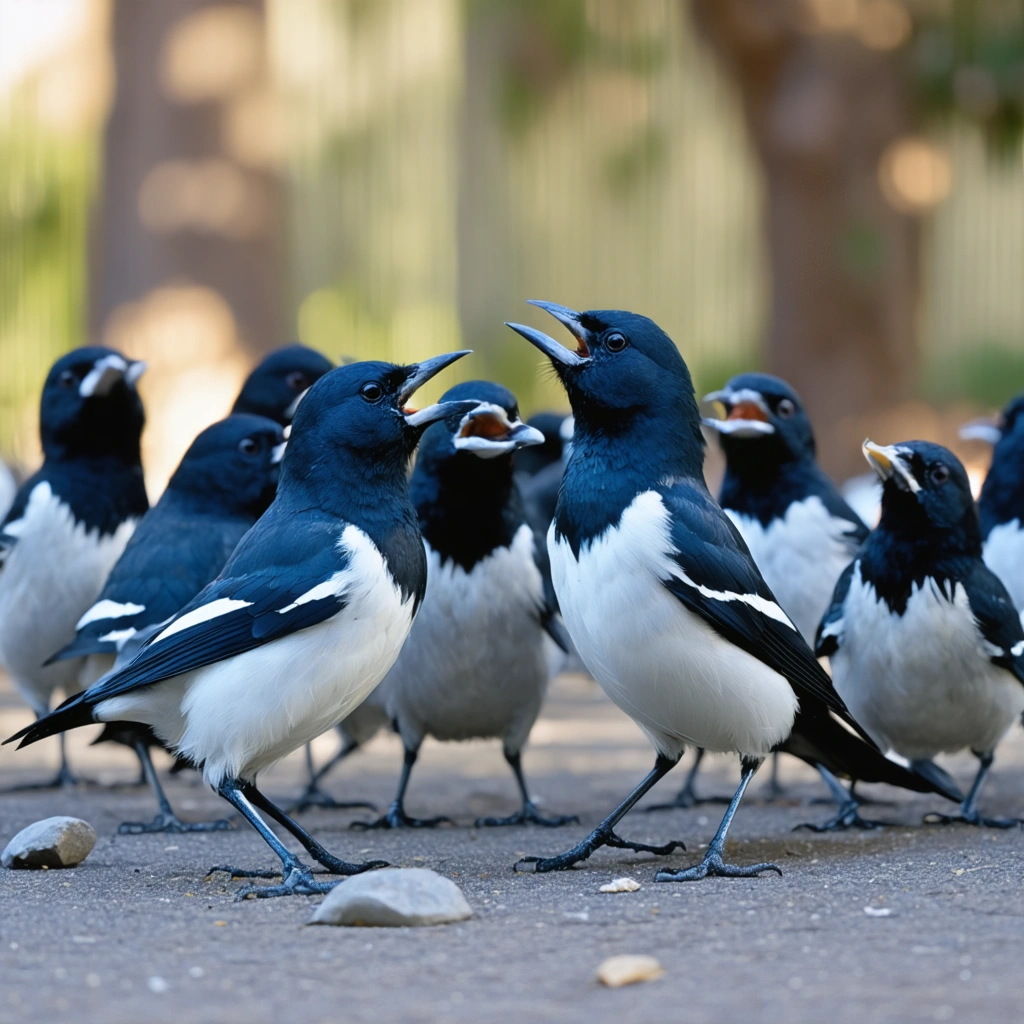
A new study has shown that close social bonds among Western Australian magpies accelerate their learning of complex vocal combinations, while a wider social circle helps them develop a more diverse vocal repertoire. Social activity has been identified as a key factor in the development of communication skills in birds.
A new study has shown that warming in the United States is uneven: different regions are experiencing changes in extreme temperatures, not just in average values. This calls for tailored approaches to adaptation and climate policy.
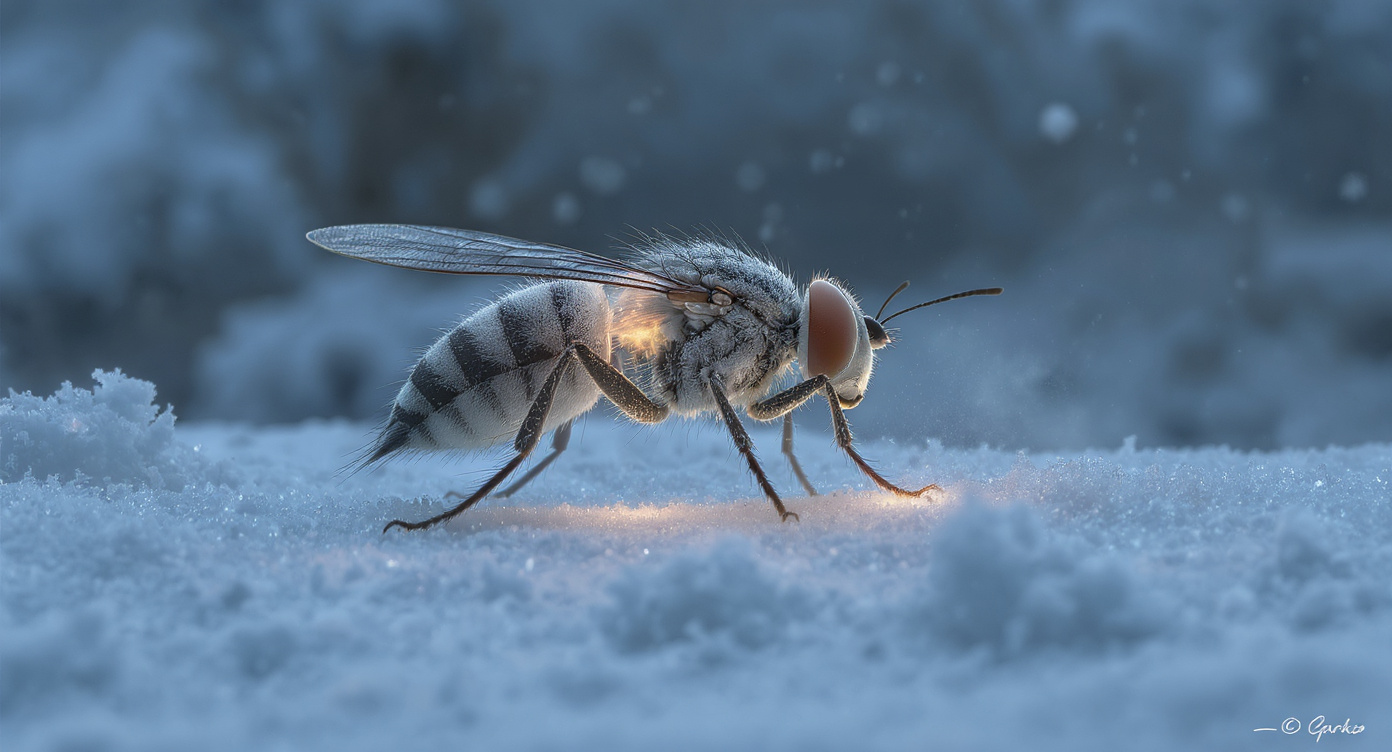
Scientists have decoded the genome of the snow fly Chionea alexandriana and discovered how this insect remains active at subzero temperatures. The fly combines internal heating, the production of antifreeze proteins, and reduced sensitivity to oxidative stress, which allows it to survive and move across snow even at –7°C.
The architects at Studioninedots have designed a house in Amsterdam where each family module is set apart in its own zone, providing flexibility, privacy, and helping to strengthen family bonds. The space can be easily adapted to meet the changing needs of the family.
Researchers have developed a modular robot that, using artificial intelligence, can independently evolve and adapt to new conditions within minutes, showcasing a new approach to robotics.
Studies have shown that bumblebee queens can survive underwater for up to a week thanks to their slowed metabolism and unique physiological mechanisms. This ability helps them endure flooding during hibernation.


 Opus
Opus