The implementation of artificial intelligence in industry requires flexibility and rapid adaptation to fast-paced technological changes, while maintaining the stability and security of key processes. Companies that can quickly identify and scale effective solutions, while discarding inefficient ones, gain a competitive advantage.
Apple has introduced the A20 Pro processor for the iPhone 18 Pro and Pro Max, featuring a revamped architecture, enhanced graphics performance, and a doubled Neural Engine. The significant boost in processing power and memory promises noticeable improvements, but the real advantages will be revealed through independent testing.
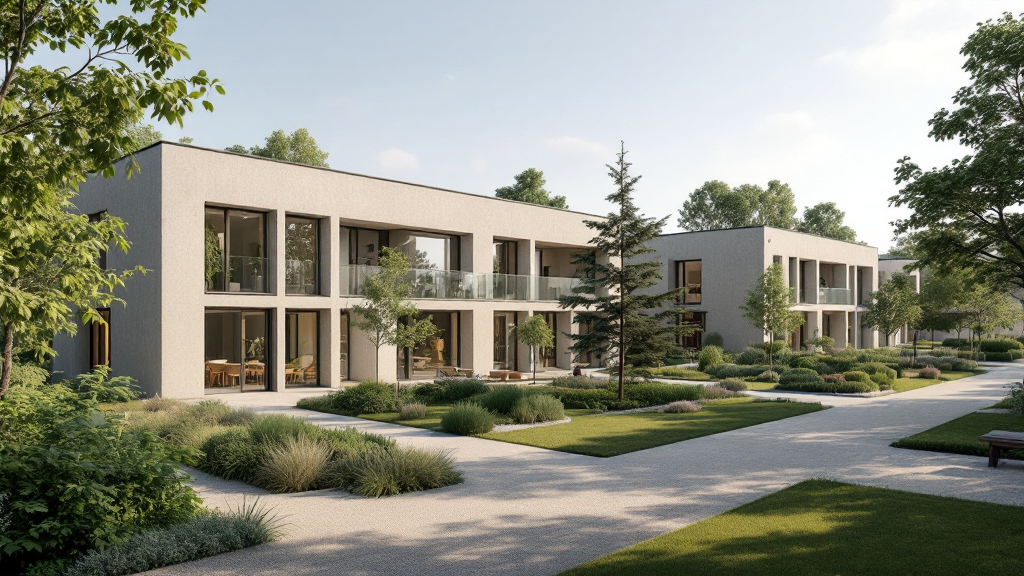
Construction of the largest residential complex in Europe built using 3D printing has been completed in Denmark. The project features 36 independent student apartments and demonstrates the potential for widespread adoption of 3D technologies in construction.
Emerson has introduced the DeltaV automation platform for data centers, which unifies thermal, mechanical, and electrical subsystems within a single architecture. This solution leverages artificial intelligence to enhance efficiency and enable centralized infrastructure management.
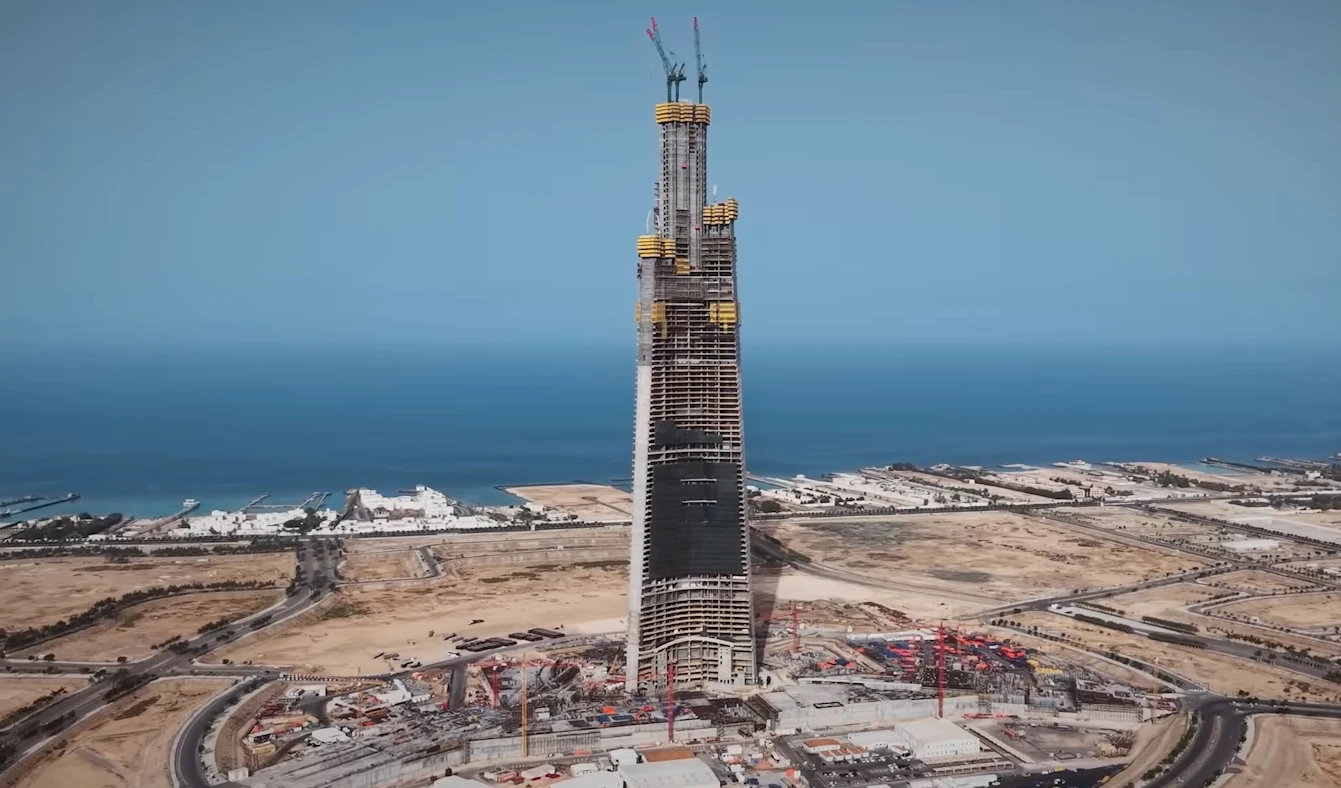
Construction of the JEC Tower in Saudi Arabia is ongoing; it has already reached 430 meters in height and 107 floors, making it one of the tallest buildings in the world. Once completed in 2028, the building is expected to surpass all existing skyscrapers in height.
A project for an extraordinary cultural center with a facade resembling moss-covered boulders has been unveiled in Rotterdam, aiming to inspire visitors to take action against climate change. The building will combine exhibition spaces, a hotel, gardens, and panoramic terraces, while its architecture will extend the line of the coastal park.
The new Qualcomm SM8975 chip offers a significant architectural upgrade, support for advanced memory standards, and enhanced AI capabilities. It is expected to appear in ultra-premium devices starting at the end of 2026.
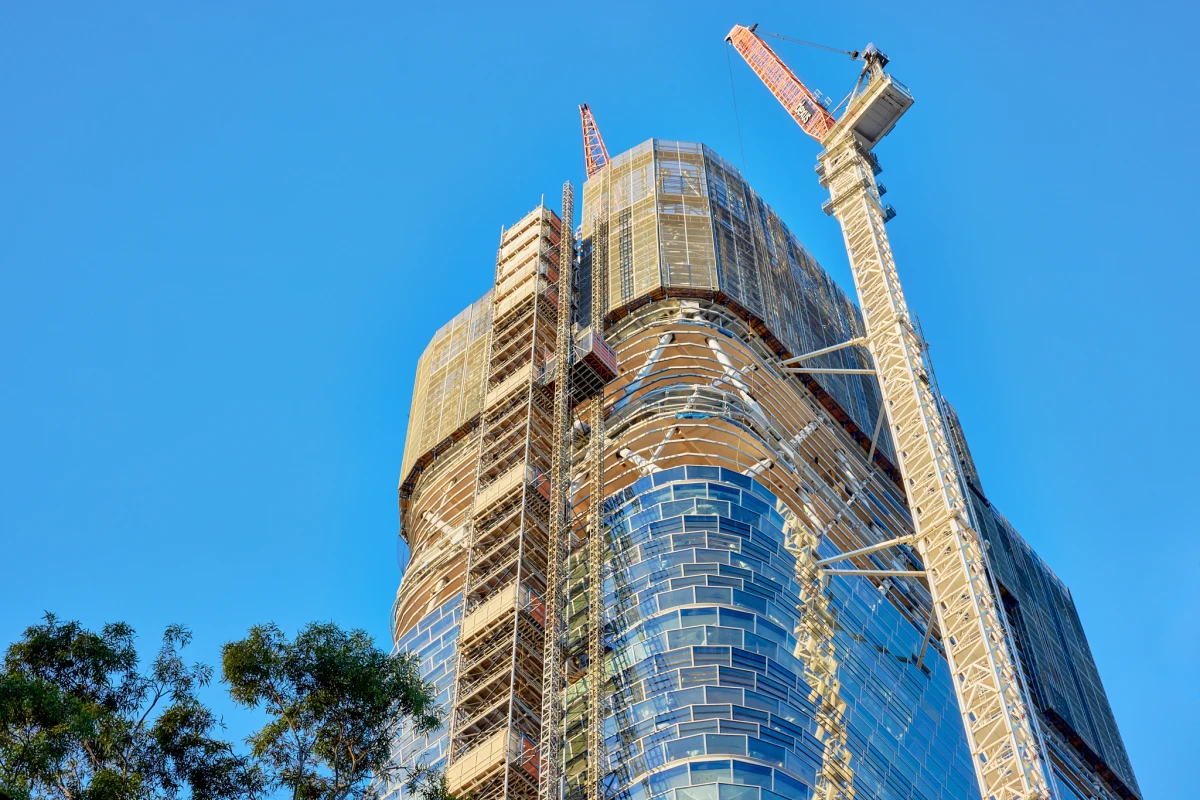
The construction of the world's tallest hybrid timber skyscraper, Atlassian Central, has been completed in Sydney. Standing at 180 meters, the building combines wood, concrete, and steel, significantly reducing its carbon footprint and increasing energy efficiency by 50% compared to conventional towers.
The Brazilian company Vivix has implemented a unified data architecture, which has accelerated customer request processing, improved energy efficiency, and reduced costs. This approach supports the development of innovation and the effective use of data across all business processes.
Artificial intelligence is significantly transforming optimization and automation methods in architecture, engineering, and construction, boosting productivity and efficiency across the industry. By 2030, AI is expected to automate up to 50% of non-productive tasks. However, the key will remain the integration of these technologies into end-to-end processes and the development of unique competitive advantages.
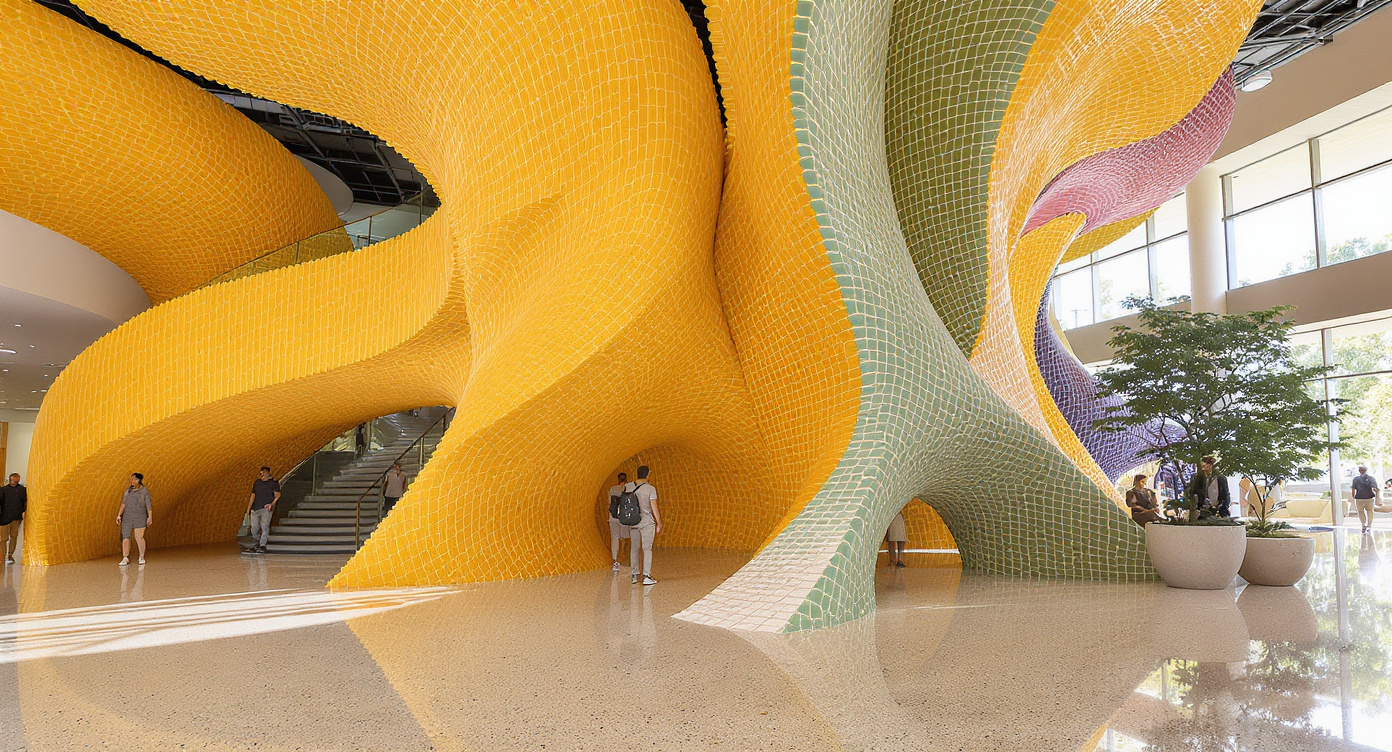
Researchers from Sweden have developed a fully biodegradable material based on yeast for 3D printing architectural and interior components. This new material produces no waste, can be easily customized in terms of color and texture, and completely decomposes in the environment after use.
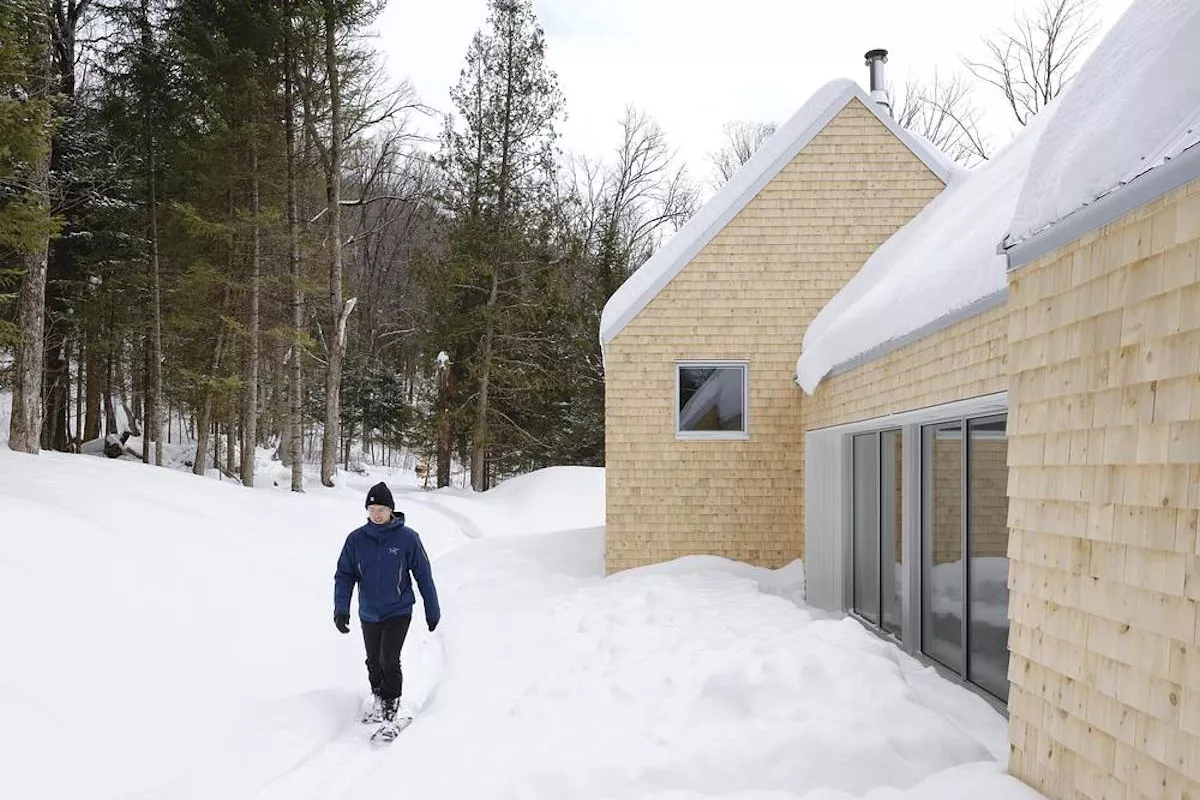
The Canadian house La Maraude is designed to blur the boundaries between interior and nature, combining modern architectural solutions with regional traditions. Spacious windows, geometric layouts, and the integration of inner courtyards create harmony with the surrounding forest landscape.
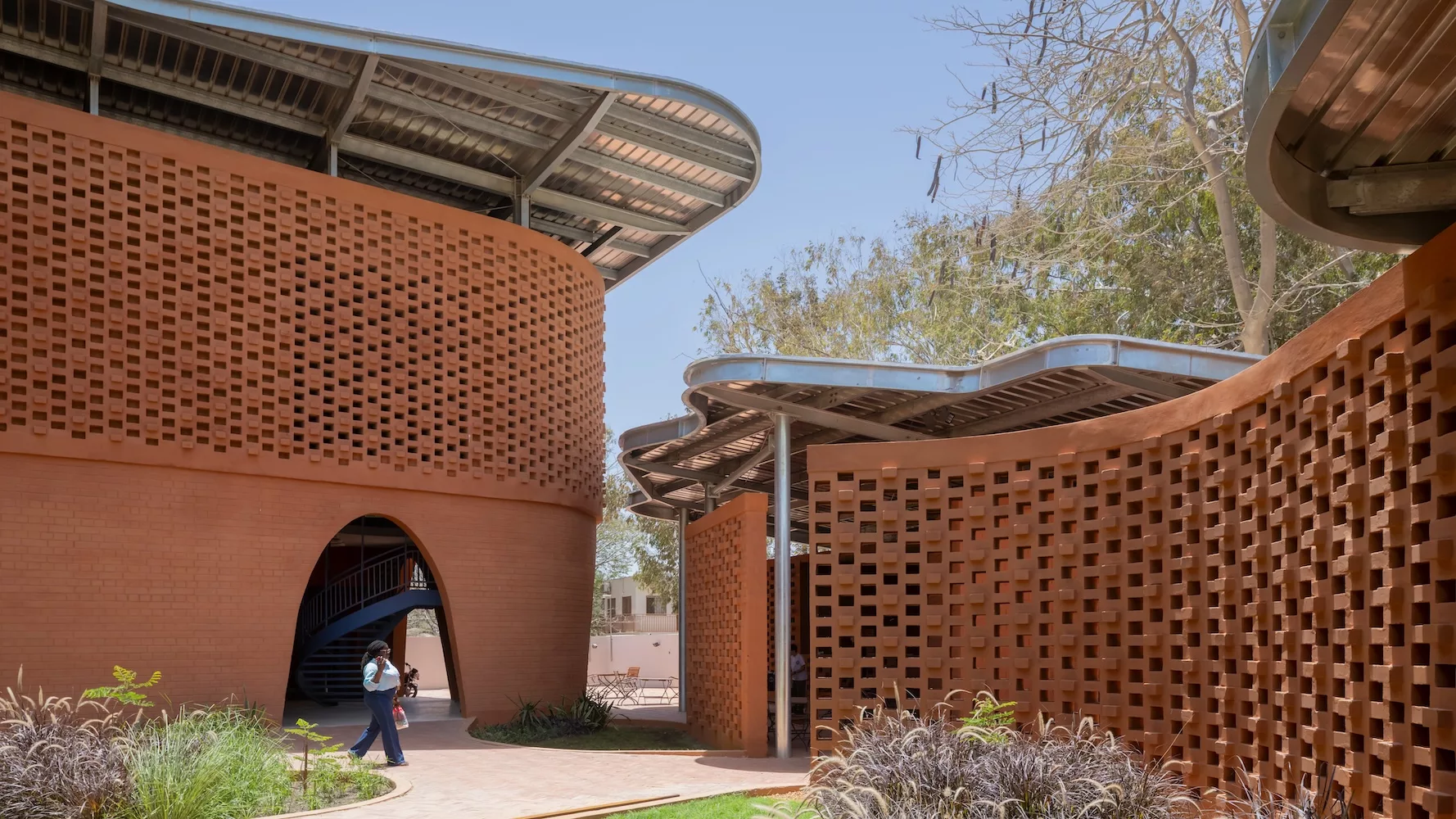
В Дакаре открылся первый специально построенный филиал Гёте-Института, спроектированный бюро Kéré Architecture. Здание сочетает современные архитектурные решения и устойчивое развитие, поддерживая международный культурный обмен.
A major exhibition dedicated to the development of Gothic architectural drawing has opened at the Metropolitan Museum. More than 90 rare sketches reveal the evolution of the architect’s profession and the artistic value of medieval designs.
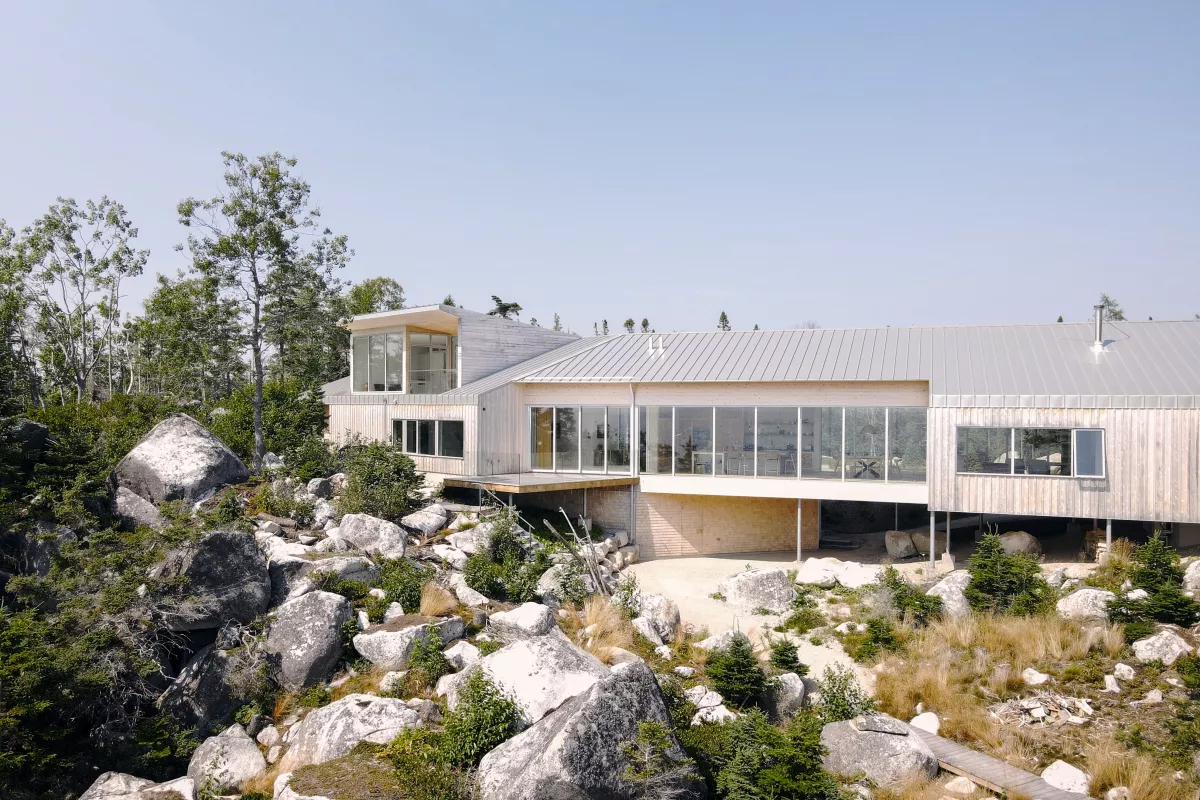
The architectural studio Omar Gandhi Architects has designed a house on the rocky coast of Nova Scotia that blends seamlessly into the landscape, appearing to float above the valley. The building connects two hills, echoing the natural curves of the terrain, and creates a smooth transition between the interior and exterior spaces.


 Opus
Opus