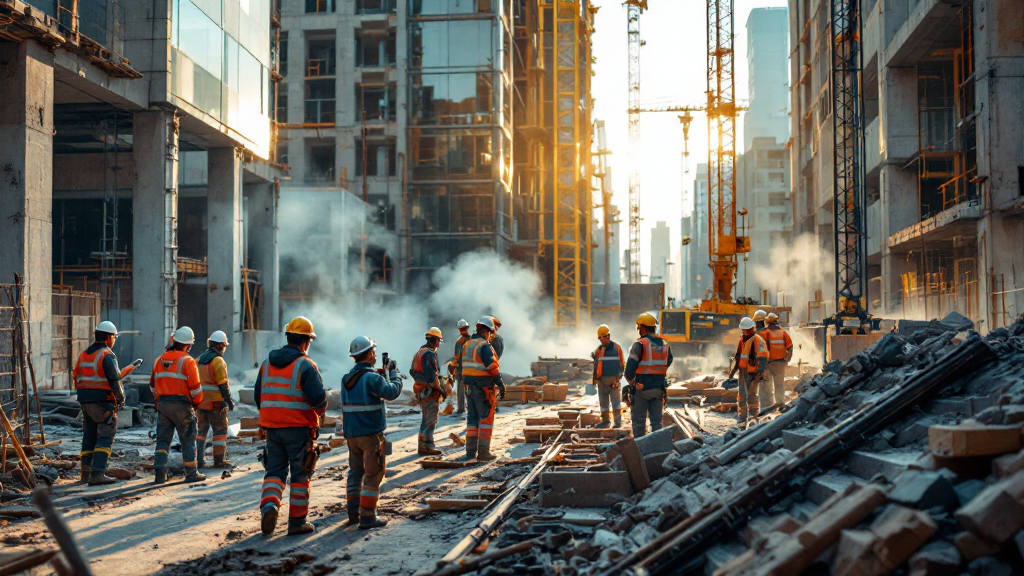
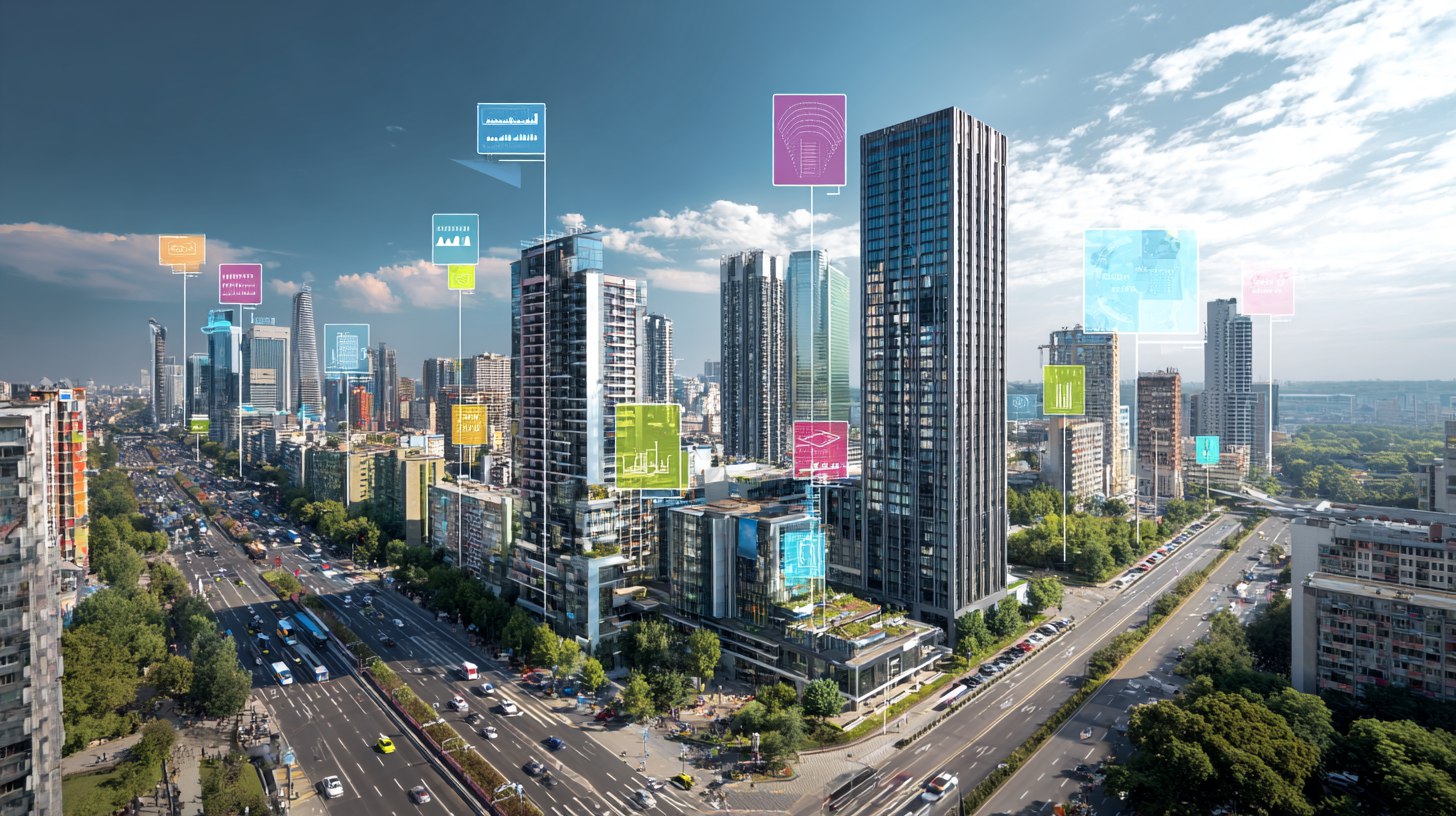
The implementation of artificial intelligence in construction can reduce costs by 17–20% and accelerate project completion by 22–25%. The analysis identifies six key processes where AI increases efficiency and highlights the industry's growing interest in these technologies.
The construction industry is facing a severe shortage of qualified professionals, despite a decline in demand. Companies are implementing training programs and forming partnerships with colleges to address the workforce gap and ensure sustainable growth.
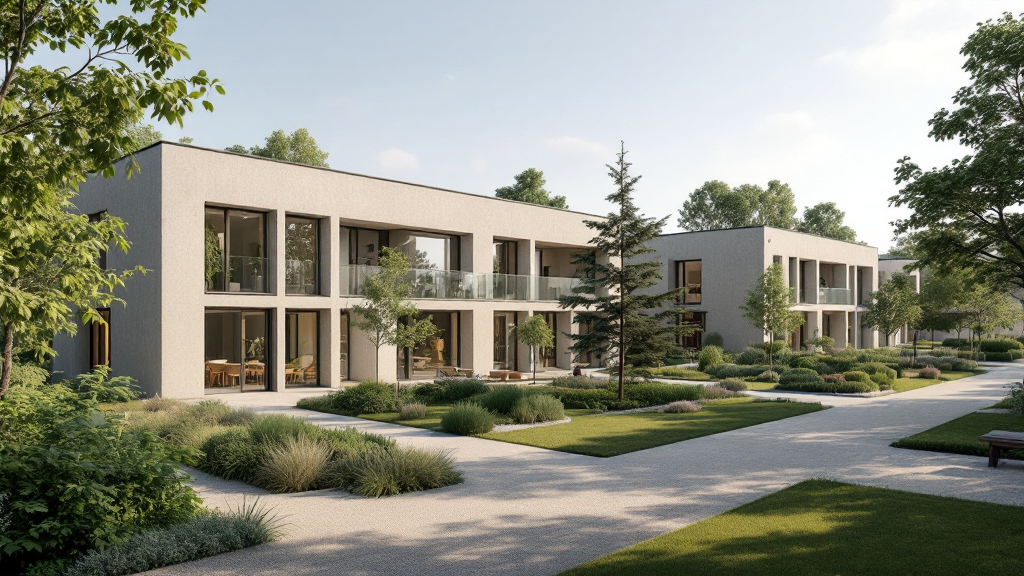
Construction of the largest residential complex in Europe built using 3D printing has been completed in Denmark. The project features 36 independent student apartments and demonstrates the potential for widespread adoption of 3D technologies in construction.
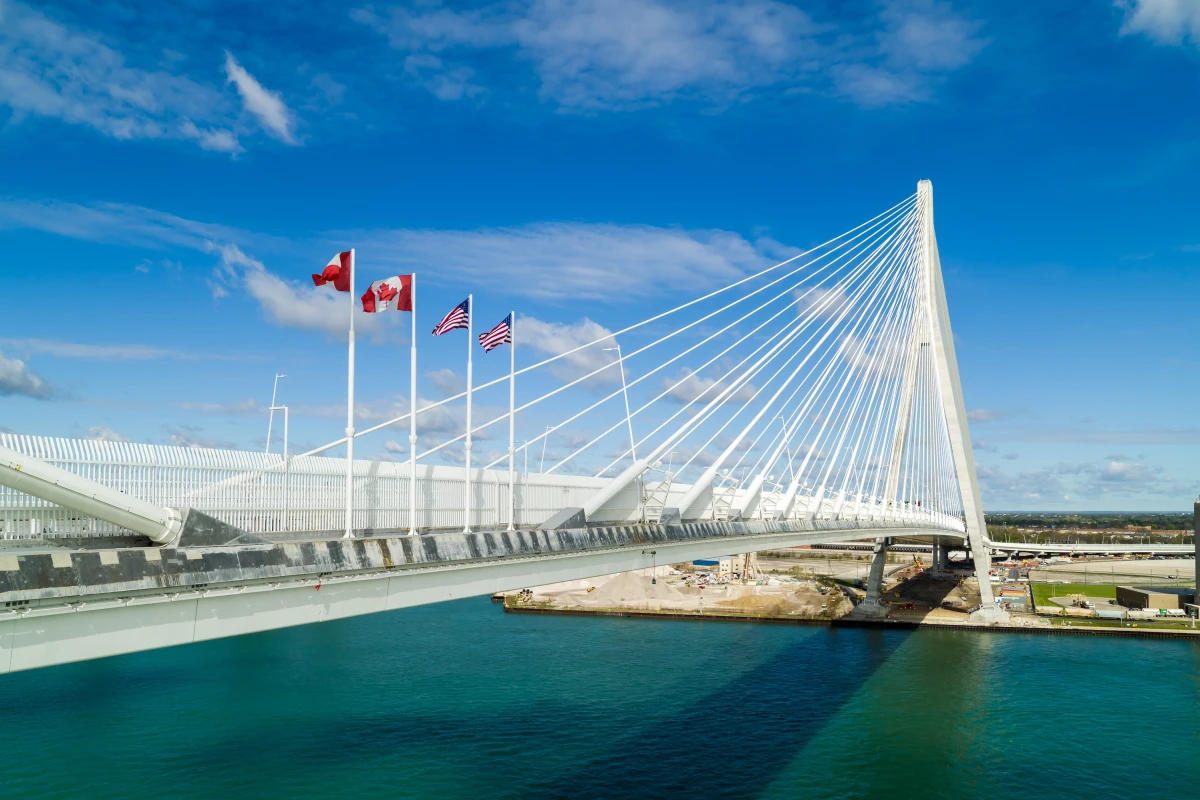
After eight years of construction, the Gordie Howe International Bridge—the longest cable-stayed bridge in North America connecting the United States and Canada—has opened. This new crossing will significantly streamline freight transportation between the two countries.
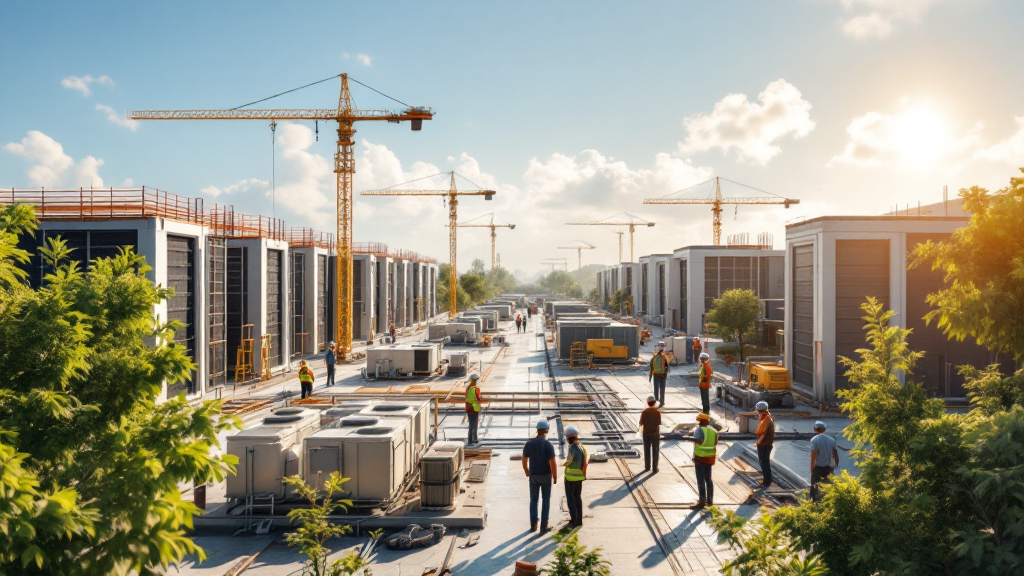
Despite the increasing number of data center construction projects, their implementation is often delayed due to challenges with permits, zoning, and equipment supply. Successful completion requires strategic planning, and the industry is placing greater emphasis on sustainability and energy efficiency.
Artificial intelligence is significantly transforming optimization and automation methods in architecture, engineering, and construction, boosting productivity and efficiency across the industry. By 2030, AI is expected to automate up to 50% of non-productive tasks. However, the key will remain the integration of these technologies into end-to-end processes and the development of unique competitive advantages.
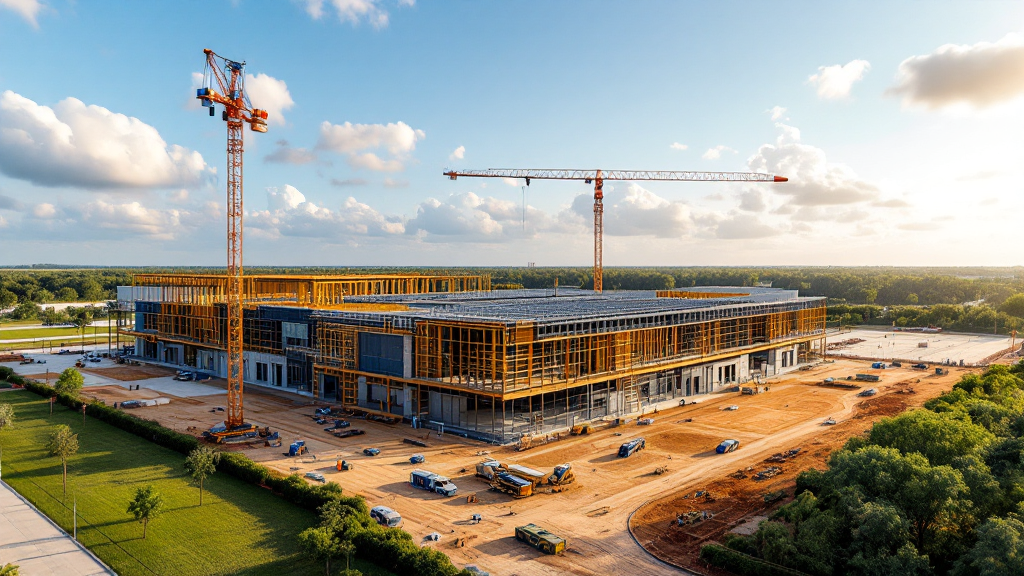
Компания Gilbane и команда New York Mets завершают строительство современного тренировочного комплекса во Флориде, открытие которого запланировано к весенним тренировкам 2027 года. Новый объект включает тренажёрный зал, раздевалки, зоны гидротерапии и крытые бейсбольные клетки.
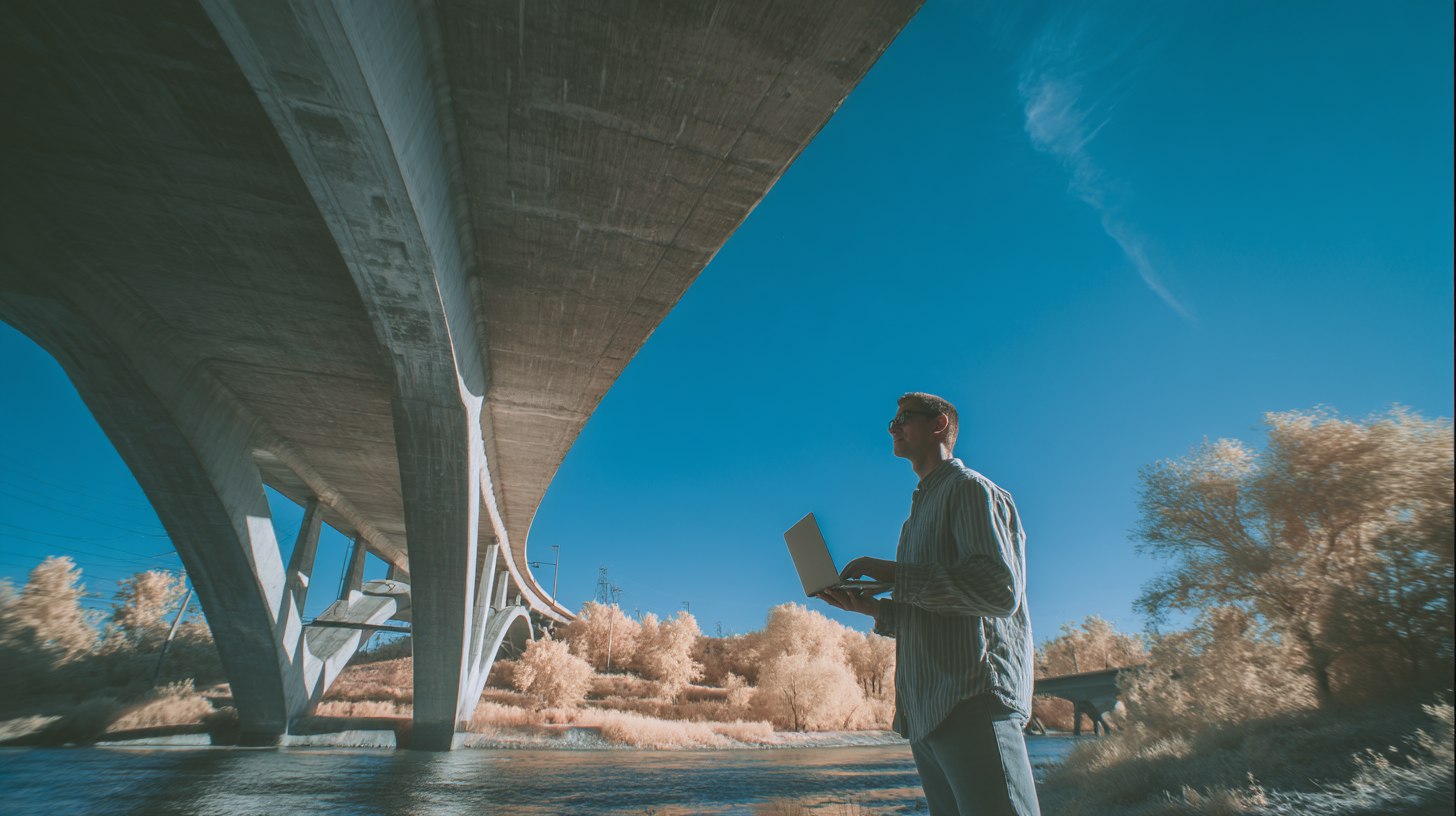
Инженеры из UCF и NASA разработали подход, сочетающий ИК-термографию, HD-изображения и нейросети для быстрой и точной оценки состояния бетонных мостов.

 Aedis
Aedis