Engineers have developed a type of concrete that is not only stronger than traditional versions but can also capture carbon dioxide from the atmosphere. This new material could help reduce the carbon footprint of the construction industry.
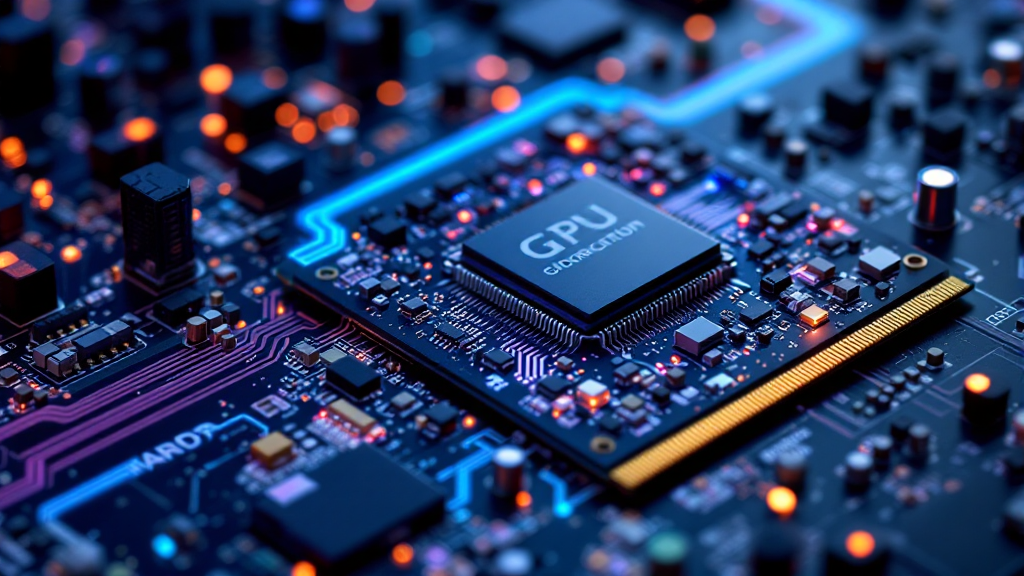
Huawei has announced the upcoming release of the Ascend 960DT chip, which offers performance comparable to Nvidia’s solutions. This development could reduce China’s reliance on foreign technologies and accelerate the country’s AI progress. The new chip has the potential to reshape the balance of power in the artificial intelligence market.
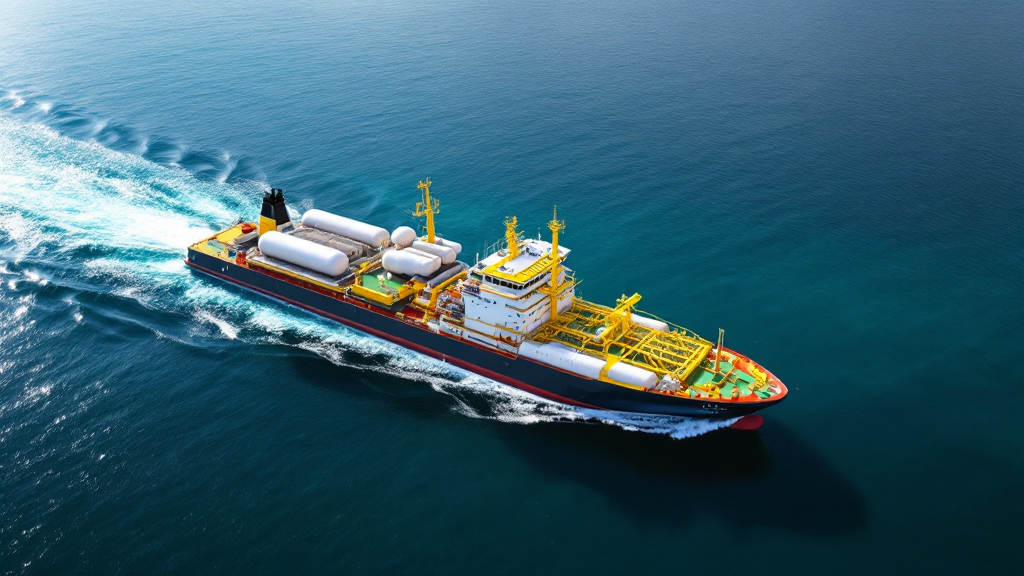
Denmark has launched the EU's first offshore facility for CO₂ storage, capable of handling up to 400,000 tons annually, with the potential to increase capacity to 8 million tons. This project highlights the importance of developing regulatory and investment frameworks to enable large-scale carbon capture in Europe.
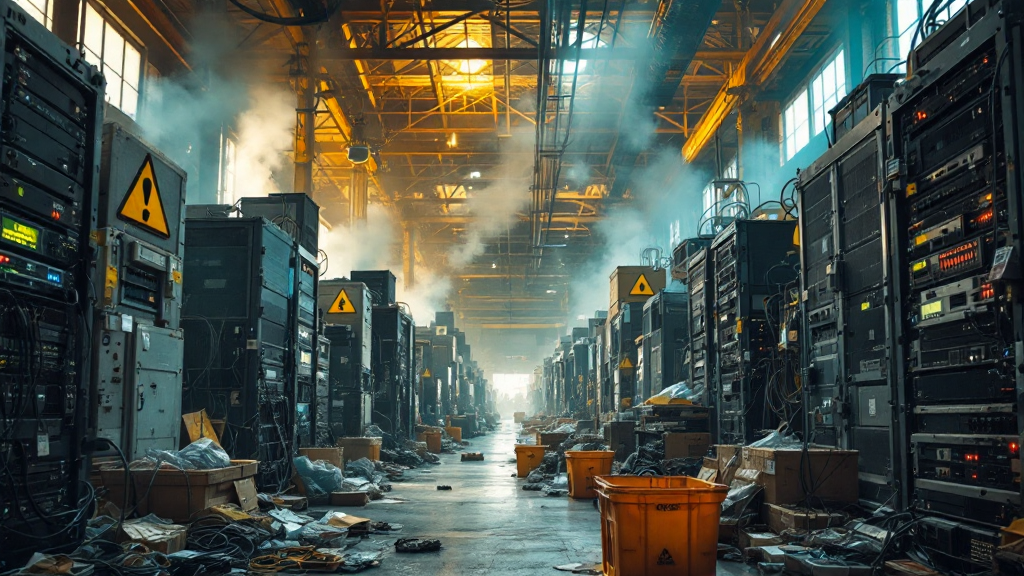
Large-scale development of infrastructure for artificial intelligence could triple the annual volume of electronic waste worldwide over the next 25 years, warns the environmental organization BAN. Experts are calling for strategies focused on repairing, reusing, and recycling equipment to prevent the e-waste problem from worsening.
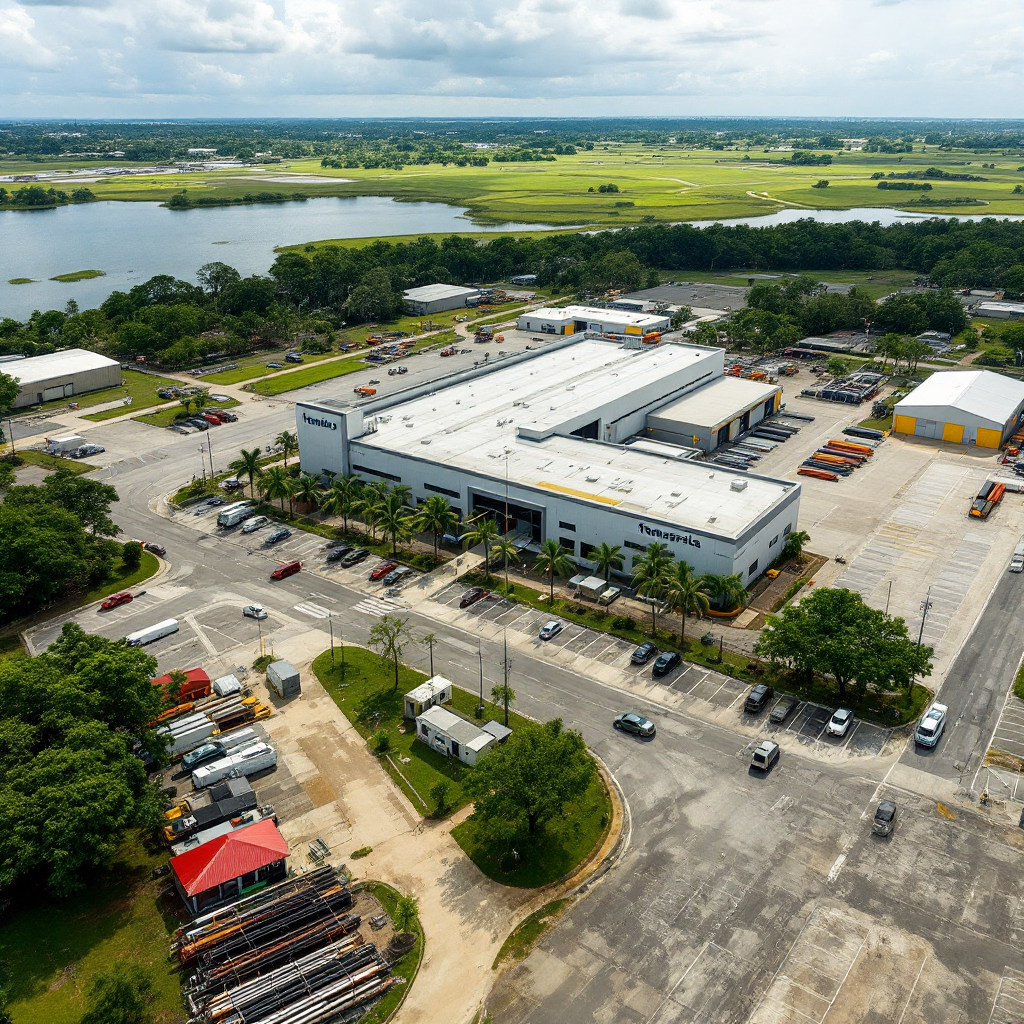
International company Tenaris has opened a service center in Suriname to support the country's first deepwater oil and gas project, GranMorgu. The center will provide advanced services and logistics for the TotalEnergies, APA Corporation, and Staatsolie consortium.
The International Society of Automation and the OT Cybersecurity Coalition have formed a partnership to enhance the protection of critical infrastructure by promoting the adoption of the unified global ISA/IEC 62443 standard. This collaboration aims to raise awareness about risks and harmonize requirements in the field of OT cybersecurity.
In 2024, oil and condensate production in Kazakhstan is expected to decrease by nearly 4% due to drone attacks on export infrastructure and the early shutdown of production at the Tengiz field. Authorities do not anticipate a return to the record output levels of previous years until 2026.
Tesla and SpaceX have announced major investments in building factories for the production of solar cells and semiconductors in Texas, aiming to boost solar energy capacity in the United States. These projects will create thousands of jobs and support the development of infrastructure for new technologies.
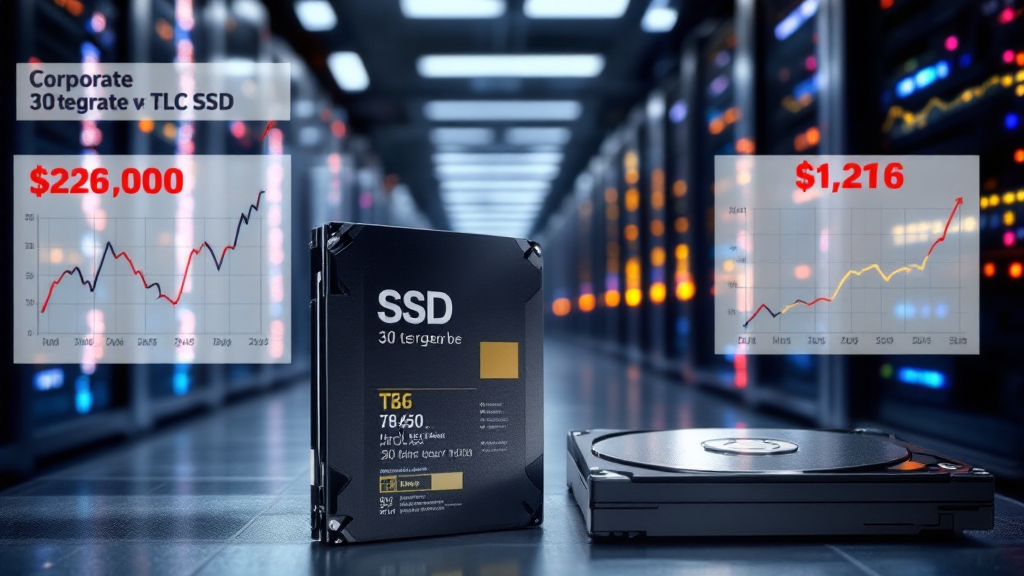
Prices for enterprise SSDs and HDDs have risen significantly due to high demand for storage solutions supporting artificial intelligence infrastructure. HDD supplies are locked in by contracts until 2027, while SSD prices have increased 6.5 times over the past year.
The incident involving the destruction of a maritime drone near Romania's Neptun Deep gas field has raised concerns about the vulnerability of Europe's energy infrastructure and the need to strengthen security measures. Experts suggest designating offshore platforms as critical infrastructure and increasing transparency in how such threats are addressed.
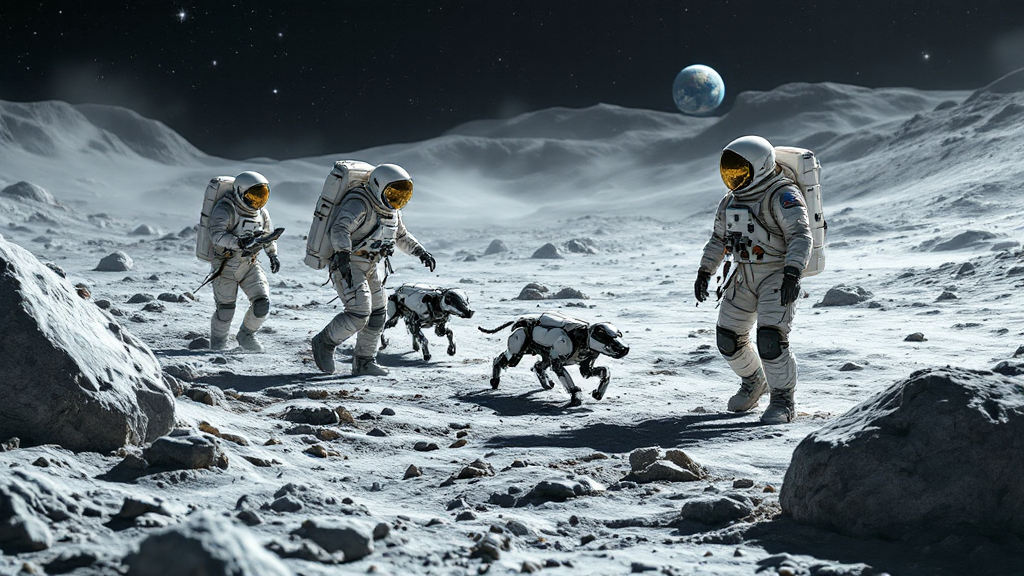
Chinese engineers propose using robot dogs at lunar bases to handle dangerous and routine tasks, as well as to provide emotional support for the crew. These machines could patrol the area, collect samples, maintain infrastructure, and help people cope with isolation.
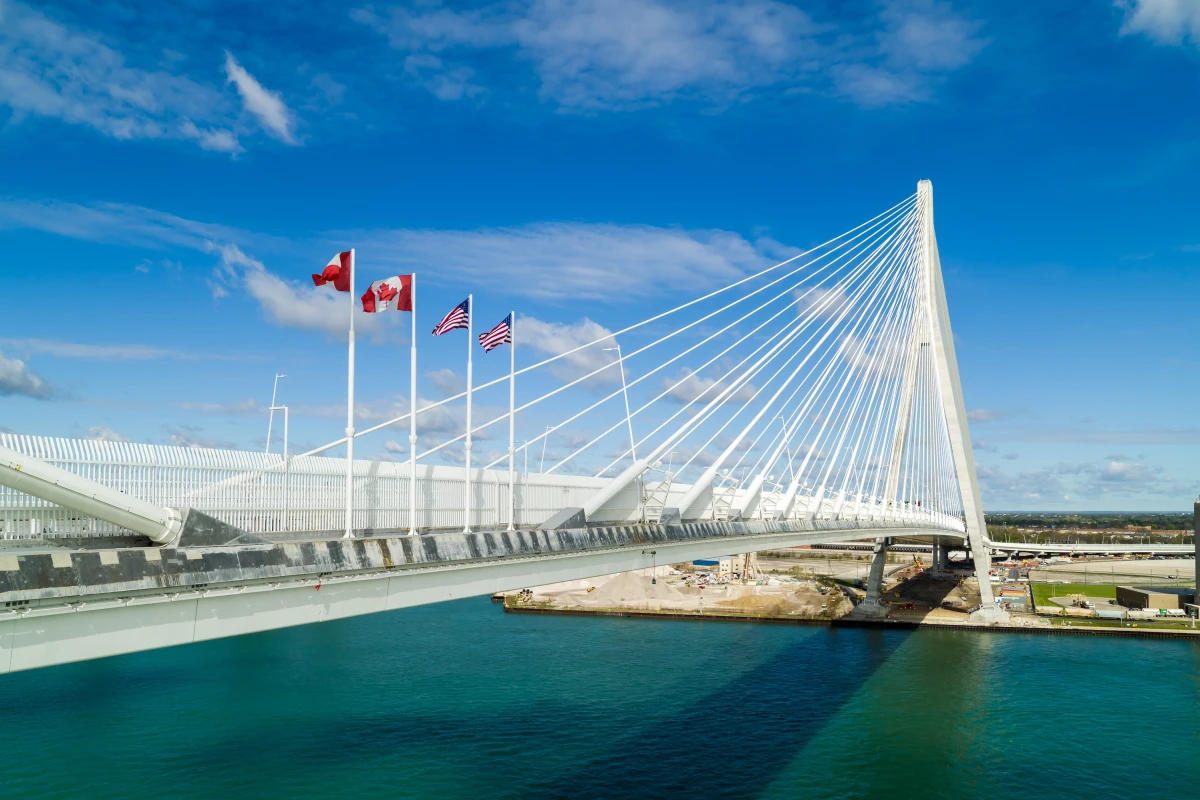
After eight years of construction, the Gordie Howe International Bridge—the longest cable-stayed bridge in North America connecting the United States and Canada—has opened. This new crossing will significantly streamline freight transportation between the two countries.
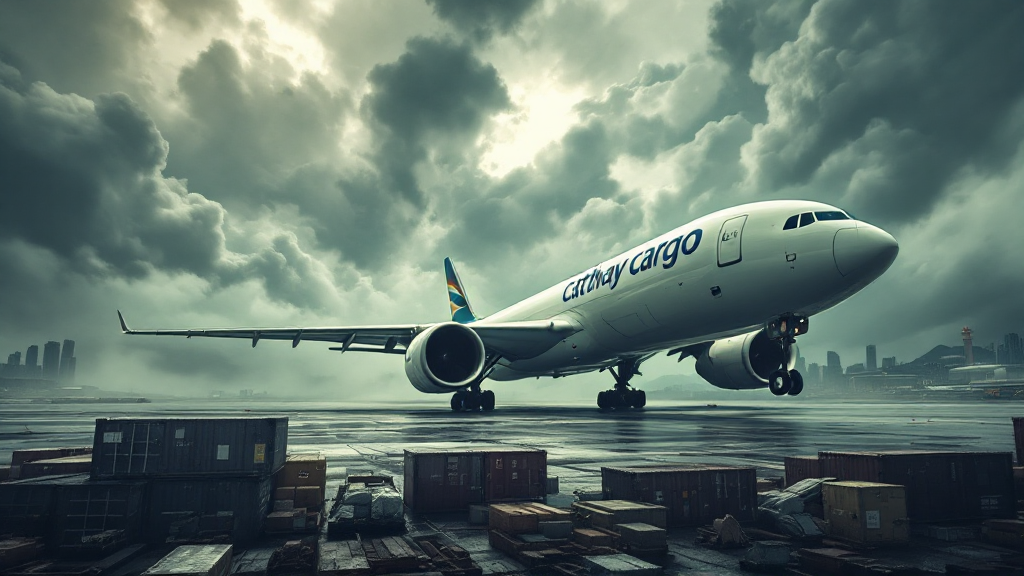
Cathay Cargo's freight volume increased by 9% in the first half of the year, driven by an improving Chinese economy and rising demand in international markets, despite external challenges and new tariffs.
Norway is actively advancing the implementation of subsea connections in the oil and gas sector, which helps accelerate the development of new fields and reduce costs. Major operators such as Equinor plan to launch dozens of similar projects in the coming years, opening up new opportunities for contractors and strengthening the country's position in the global energy market.
Emerson has introduced the DeltaV automation platform for data centers, which unifies thermal, mechanical, and electrical subsystems within a single architecture. This solution leverages artificial intelligence to enhance efficiency and enable centralized infrastructure management.


 Ingenium