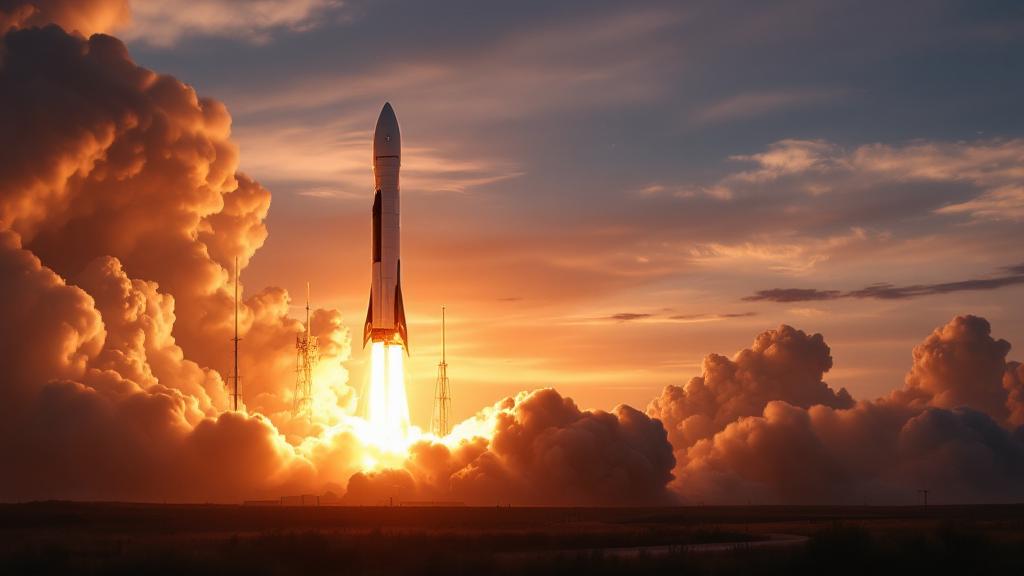
SpaceX is preparing a test launch of Starship, during which, for the first time, the upper stage is expected to be placed into a stable orbit and deploy new Starlink V3 satellites with record-breaking bandwidth. This mission will mark an important step toward creating a fully reusable orbital system.
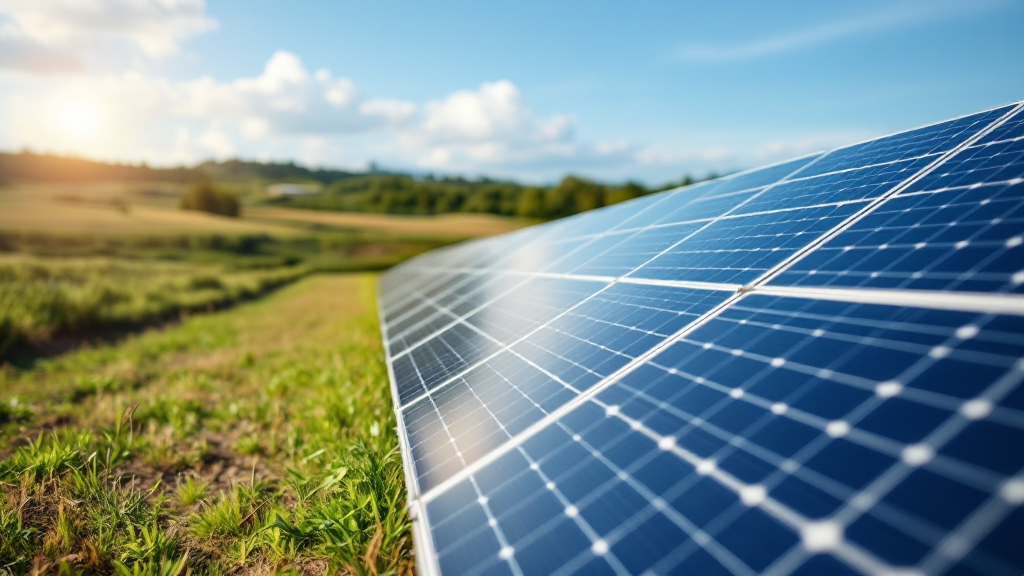
Tesla and SpaceX have announced major investments in building factories for the production of solar cells and semiconductors in Texas, aiming to boost solar energy capacity in the United States. These projects will create thousands of jobs and support the development of infrastructure for new technologies.
In August 2026, the upper stage of a Falcon 9 rocket will collide with the Moon, creating a crater and scattering debris. Astronomers plan to observe and document this event using telescopes and orbital spacecraft.
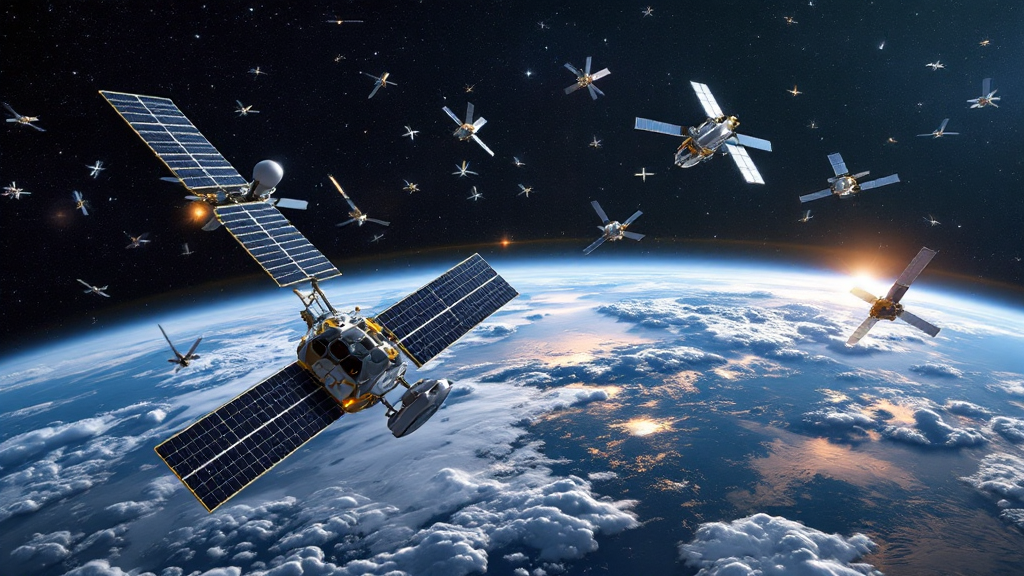
SpaceX has requested permission to launch and operate up to 100,000 third-generation Starlink satellites, which would significantly increase the system's capacity but also raises concerns about orbital safety.
The SpaceX Dragon cargo spacecraft has completed its six-month mission at the ISS, returning to Earth with large batches of scientific materials and biological samples for further research. Experiments in human physiology and materials science are ongoing at the station, and additional spacecraft are scheduled to dock soon to test new technologies and manage waste disposal.
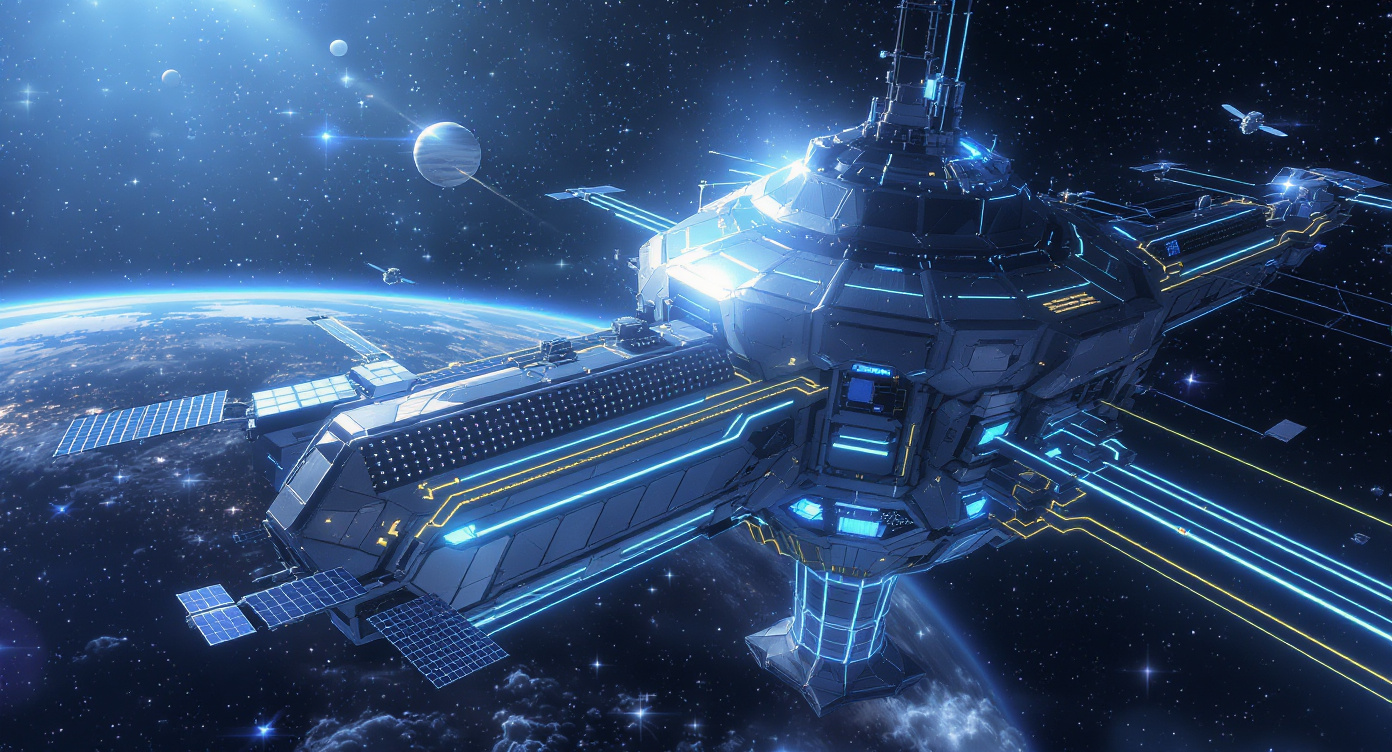
Leading technology companies are considering placing data centers in orbit as an alternative to land-based facilities. The project is attracting investment, but faces technical and environmental challenges.
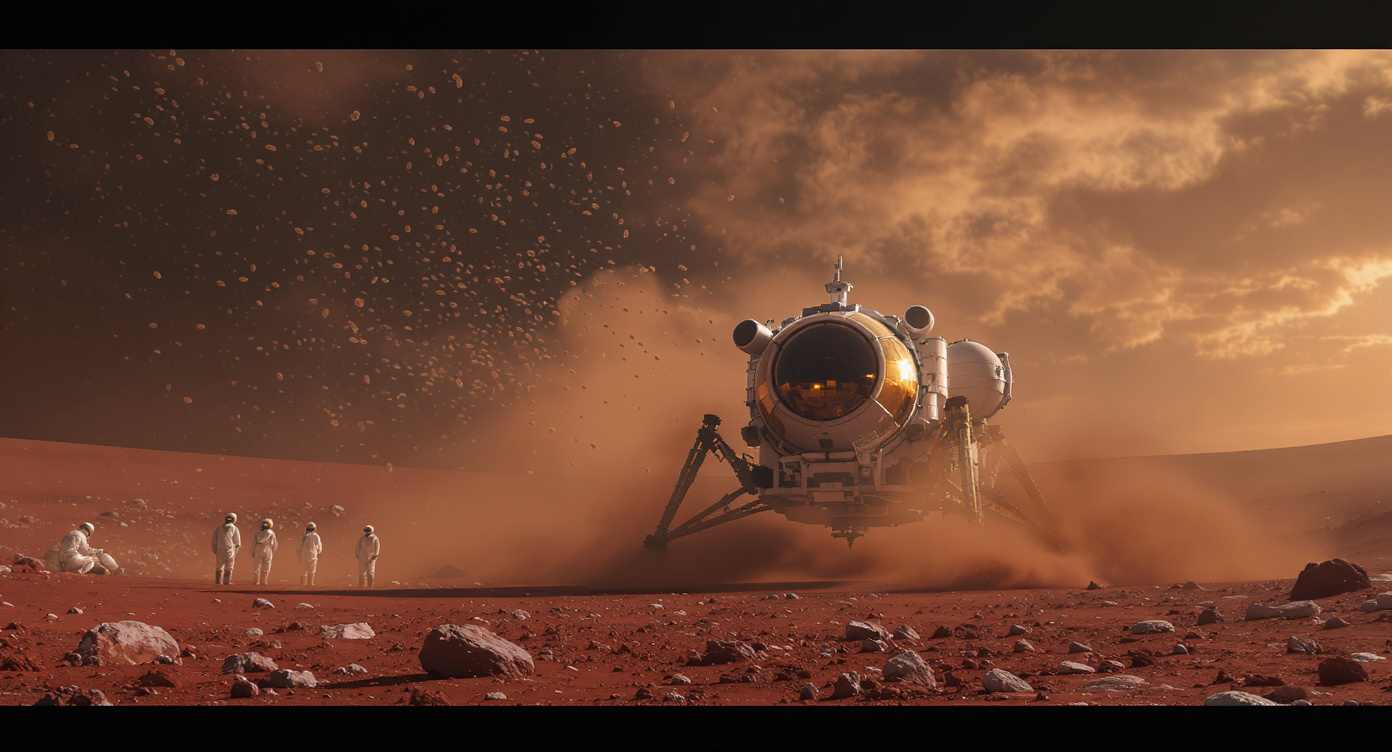
Even after thorough sterilization, spacecraft can still carry terrestrial bacteria to Mars—microorganisms capable of surviving in extreme conditions. This complicates the search for genuine Martian life and calls for new methods to control contamination.

 Ingenium