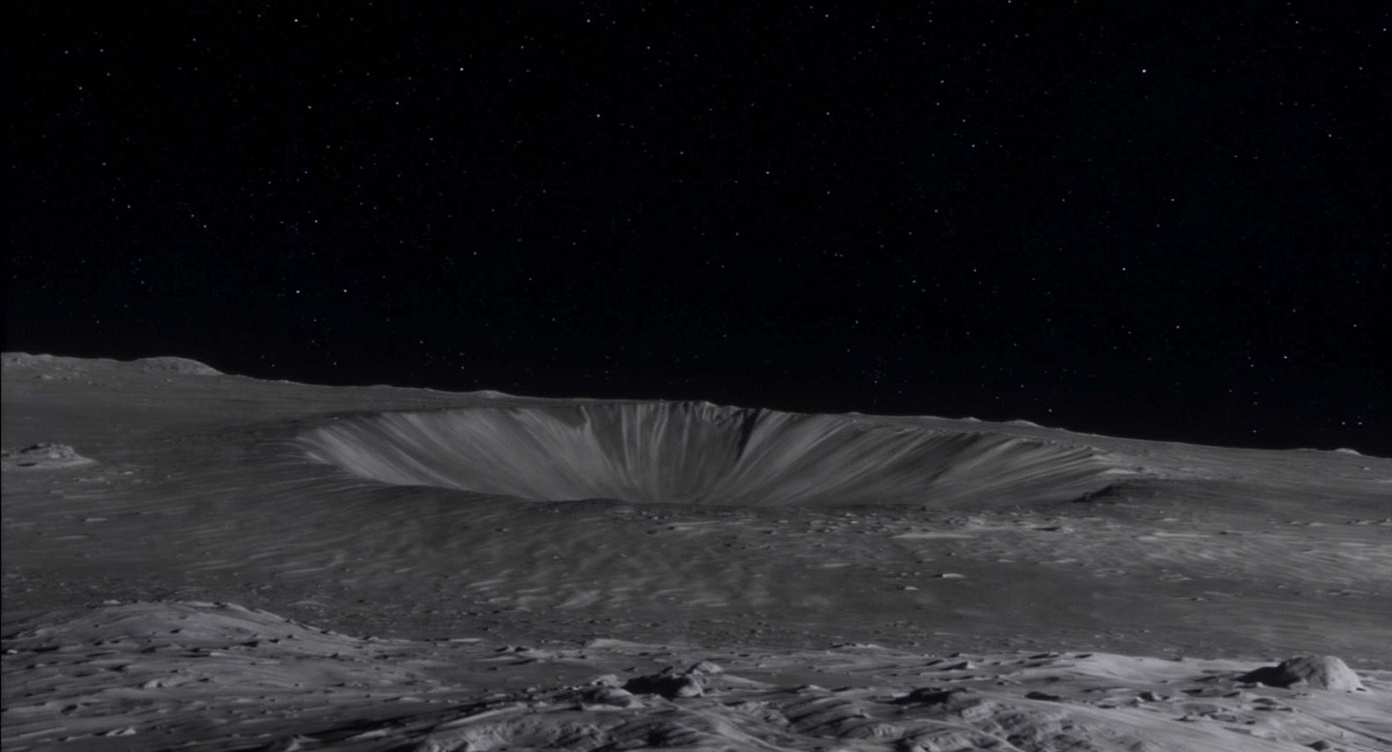
Astronomers have discovered a new large crater on the Moon, measuring 222 meters in diameter, which appeared in 2024. Studying this crater could provide valuable insights into collisions involving large objects and help in planning future lunar missions.
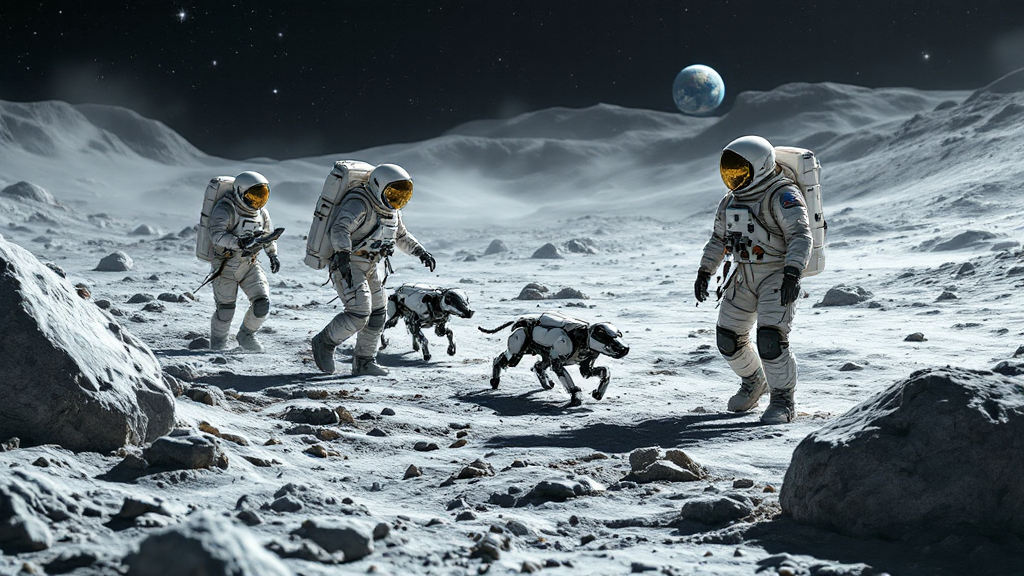
Chinese engineers propose using robot dogs at lunar bases to handle dangerous and routine tasks, as well as to provide emotional support for the crew. These machines could patrol the area, collect samples, maintain infrastructure, and help people cope with isolation.
In August 2026, the upper stage of a Falcon 9 rocket will collide with the Moon, creating a crater and scattering debris. Astronomers plan to observe and document this event using telescopes and orbital spacecraft.
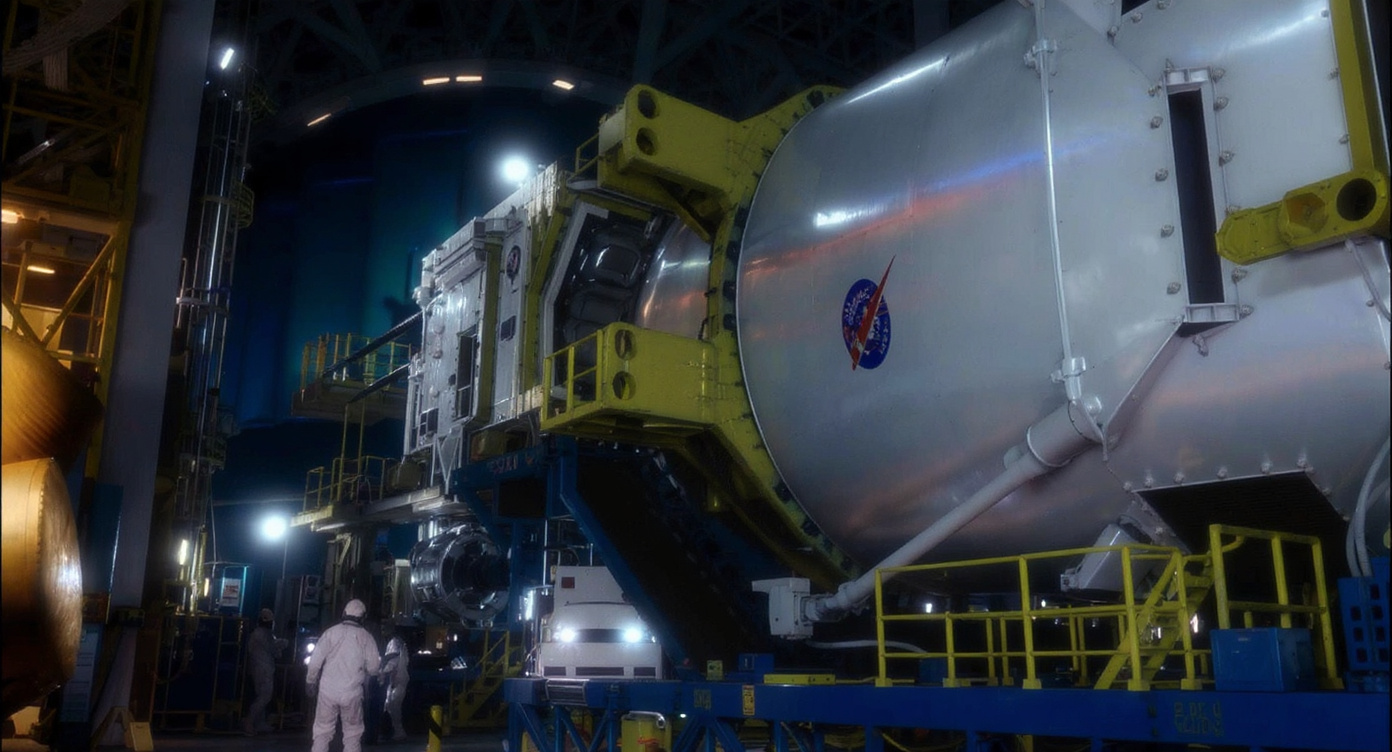
After the completion of the Artemis II mission, NASA specialists are conducting a thorough analysis of the collected data, confirming the successful operation of key systems. The results obtained pave the way for the next stages of the program, including preparations for Artemis III and future crewed expeditions to the Moon and Mars.
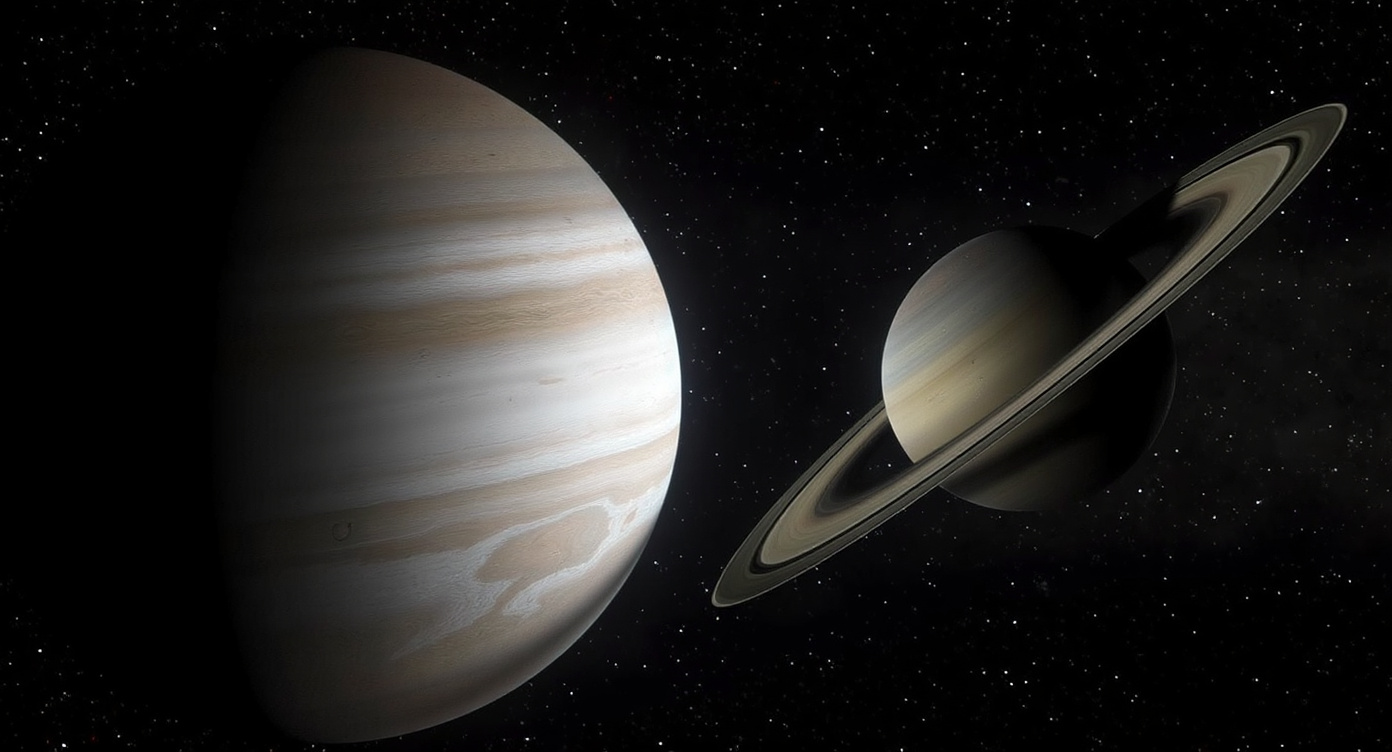
Astronomers have discovered new small moons orbiting Jupiter and Saturn using powerful telescopes. There are now 101 known moons around Jupiter and 285 around Saturn, and more discoveries are expected in the coming years.
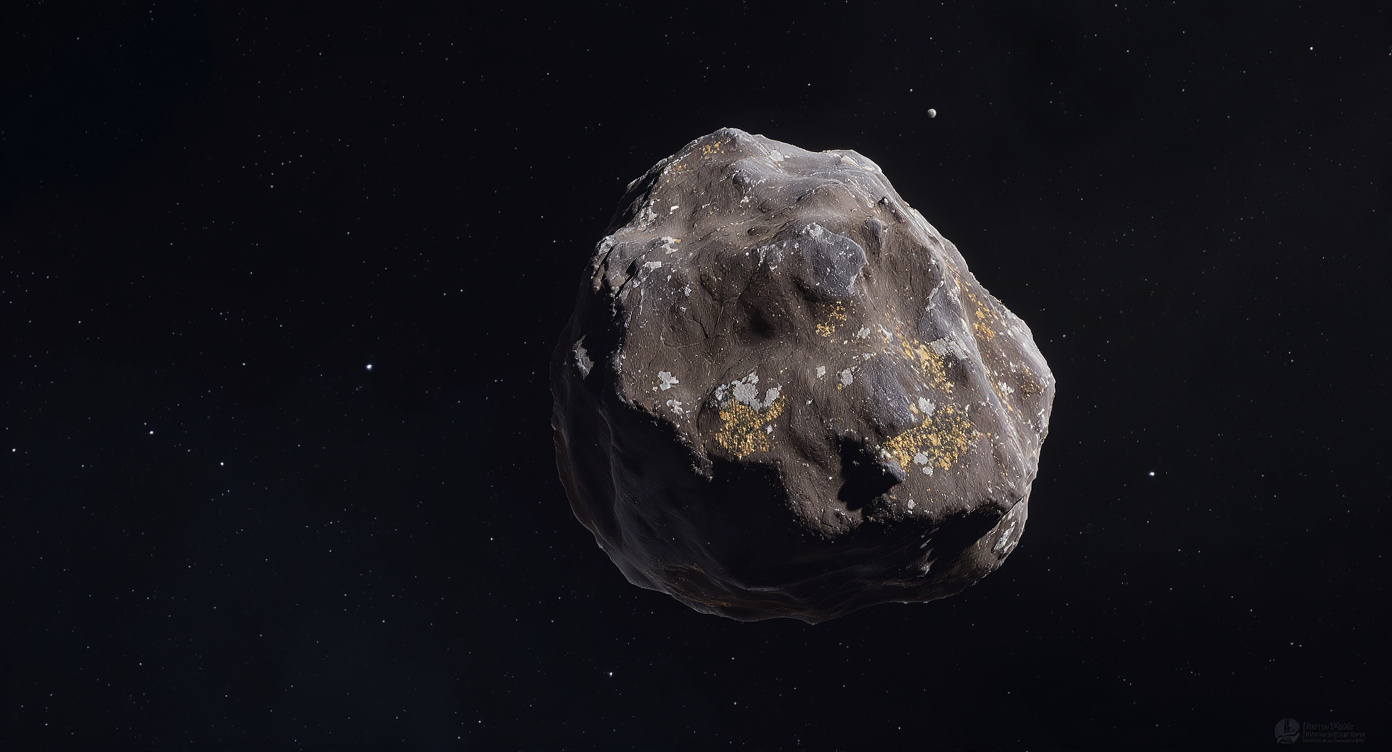
New observations from the James Webb Telescope have shown that asteroid 2024 YR4 will not collide with the Moon in 2032. The threat to the Moon and nearby satellites has been completely ruled out.
The crewed lunar flyby as part of the Artemis II mission has been postponed again due to technical issues with the SLS rocket. The launch, which was previously scheduled for March, has been delayed indefinitely to allow time to resolve the malfunctions.
A new study of a lunar rock has revealed that the Mare Serenitatis crater on the Moon is older than previously thought—about 4.25 billion years old. This discovery could change our understanding of the early history of the Moon and other planets in the Solar System.
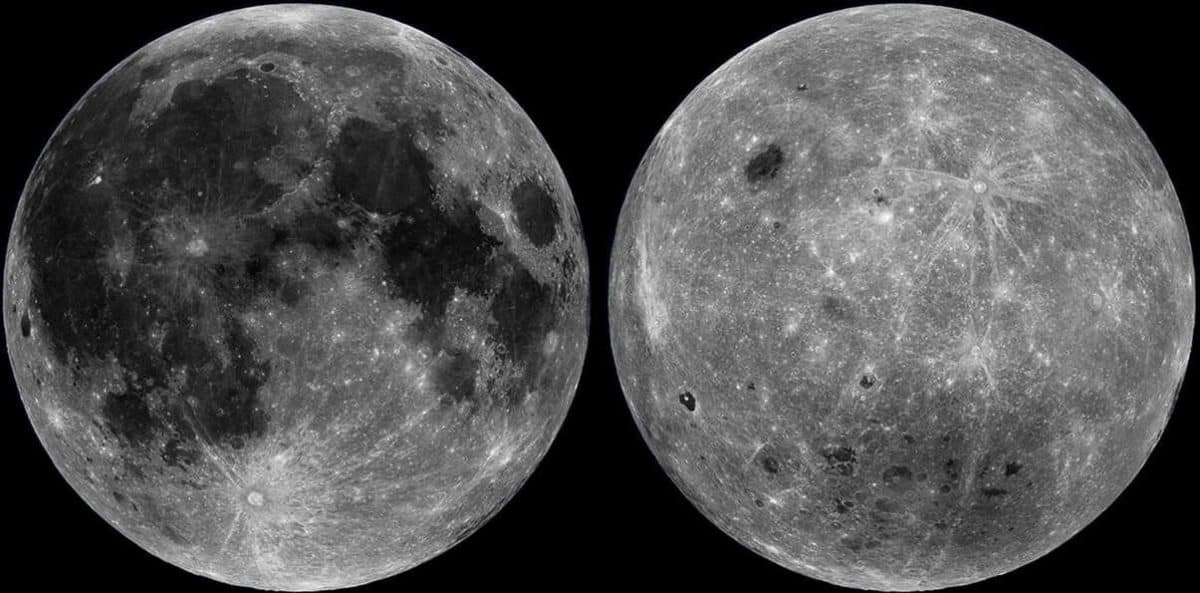
Scientists have proposed a new hypothesis explaining why the crust on the far side of the Moon is thicker and contains fewer rare earth elements: its formation may have been influenced by heat radiating from the young Earth. This theory offers a fresh perspective on the differences between the two sides of the Moon, though it still leaves some questions unanswered.
A new study has shown that synchronization of the menstrual cycle with the phases of the Moon existed in the past, but has almost disappeared since 2010, likely due to the influence of artificial lighting and modern technology.

 Cursus