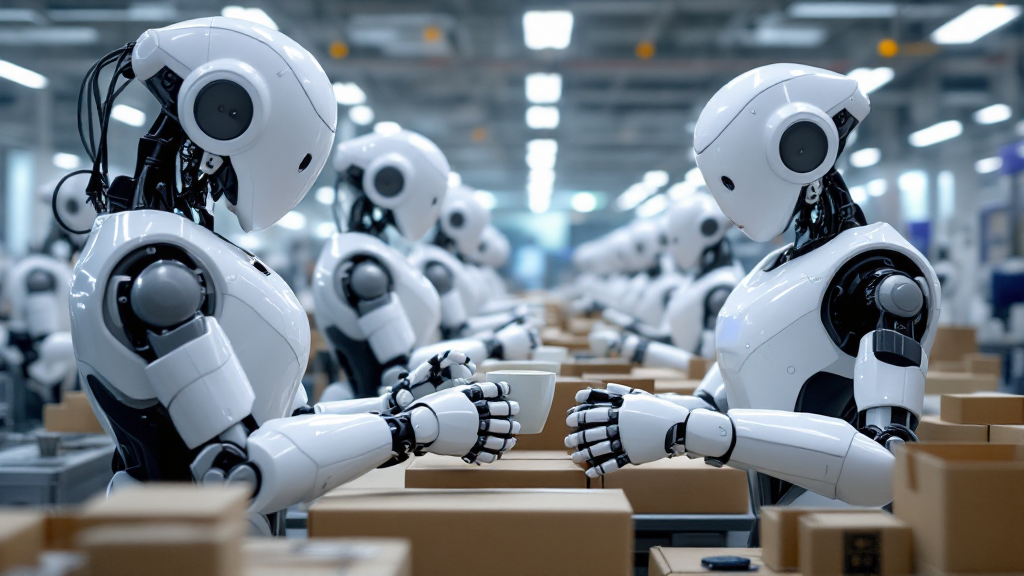
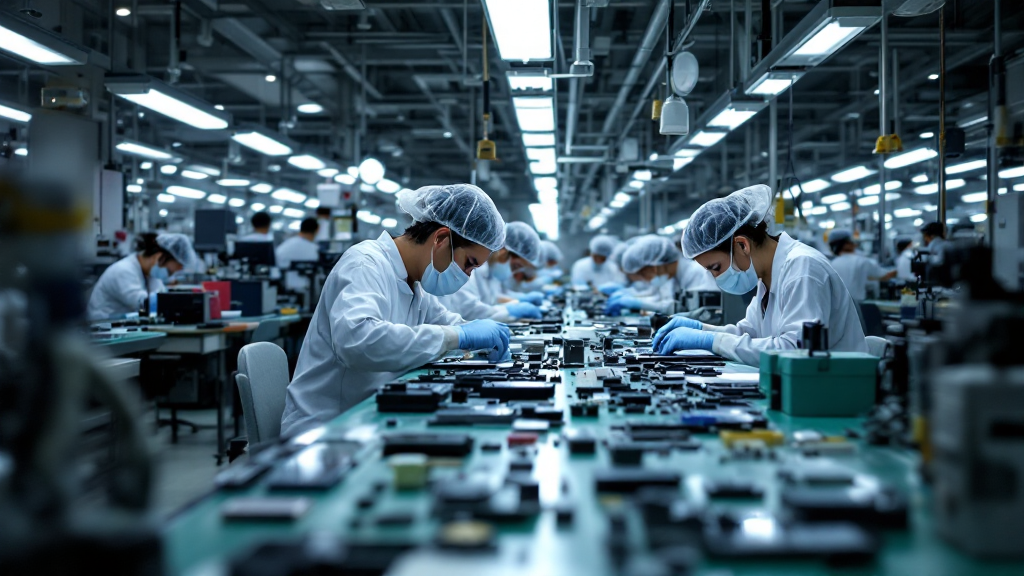
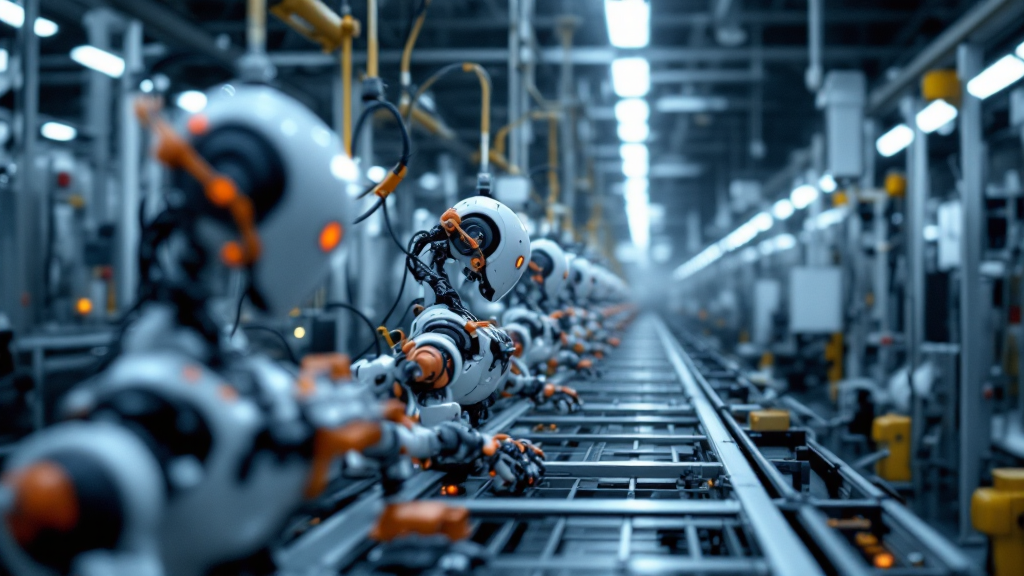
In 2025, a record number of industrial robots—600,000 units—were installed worldwide, which is 11% more than the previous year. The main driver of this growth was China, and the global market continues to expand thanks to technological advancements and a shortage of skilled labor.
Huawei has announced the upcoming release of the Ascend 960DT chip, which offers performance comparable to Nvidia’s solutions. This development could reduce China’s reliance on foreign technologies and accelerate the country’s AI progress. The new chip has the potential to reshape the balance of power in the artificial intelligence market.
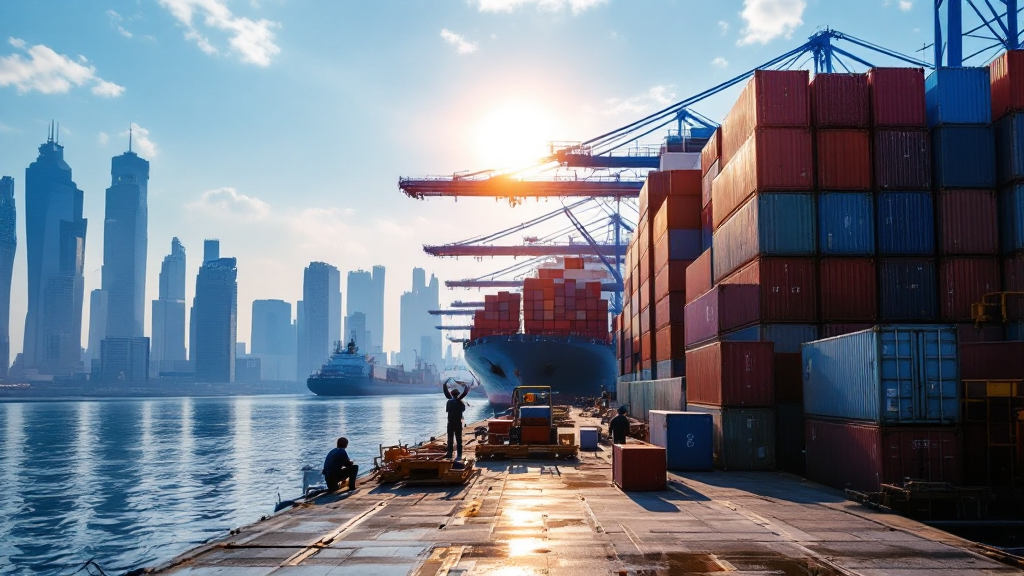
The South Korean shipping industry is intensifying competition in the Asian market, where growing demand for container transport is driven by the expansion of manufacturing and logistics networks in Southeast Asia. Major carriers like HMM are increasing their fleets and developing regional routes to strengthen their positions amid the rapidly evolving transportation infrastructure of the region.
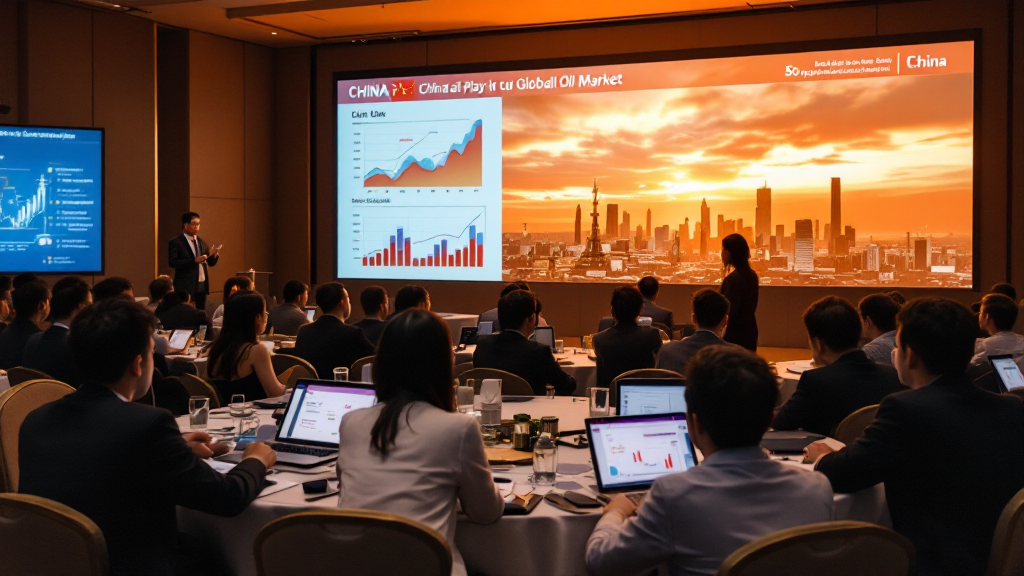
China's reduction in oil imports and its substantial reserves are having a noticeable impact on the global oil market, helping to stabilize prices amid geopolitical conflicts. The country's changing demand structure is strengthening China's role in managing the global balance.
China is actively investing in the development of humanoid robots, but their current technology is not yet advanced enough to replace humans in most jobs. Despite impressive demonstrations, these robots still lag behind industrial counterparts in terms of speed and versatility. Achieving a real breakthrough will require further advancements in artificial intelligence.
Google plans to completely move the production of its Pixel smartphones, as well as its watches and earbuds, from China to Vietnam and India by 2027 amid ongoing trade tensions between the US and China. The company expects Pixel shipments to grow by 8–10% this year, despite rising component costs.
Chinese engineers propose using robot dogs at lunar bases to handle dangerous and routine tasks, as well as to provide emotional support for the crew. These machines could patrol the area, collect samples, maintain infrastructure, and help people cope with isolation.
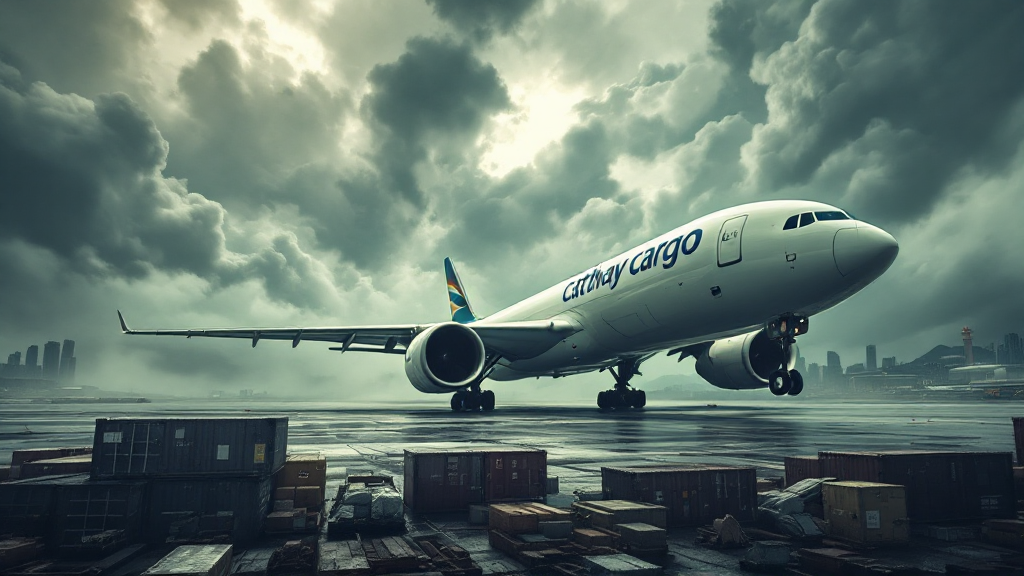
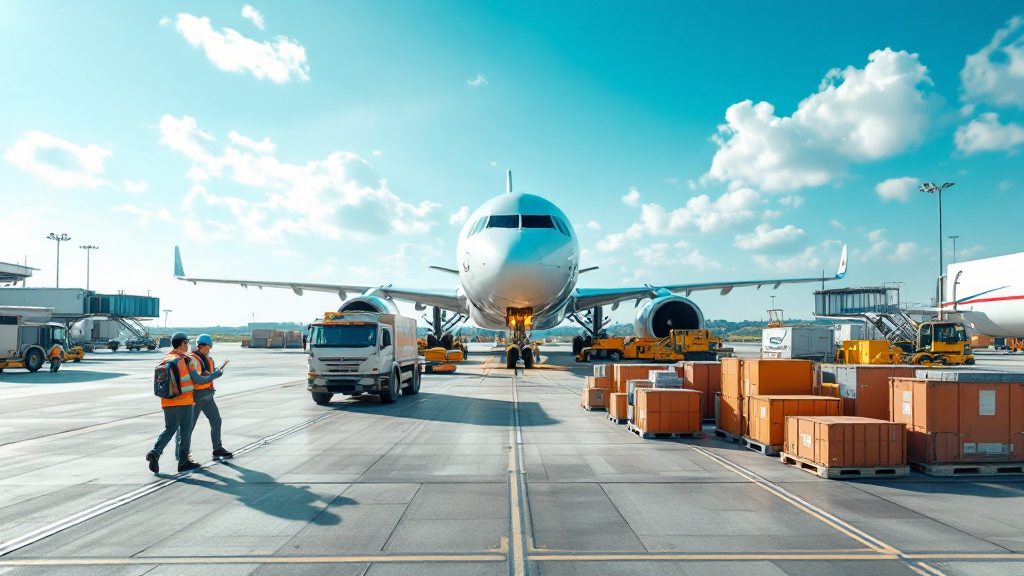
Cathay Cargo's freight volume increased by 9% in the first half of the year, driven by an improving Chinese economy and rising demand in international markets, despite external challenges and new tariffs.
China is intensifying its efforts to combat the spread of fake videos and misinformation about electric vehicles, much of which is generated using artificial intelligence. Companies and authorities are taking action against campaigns that undermine trust in new models in the highly competitive market.
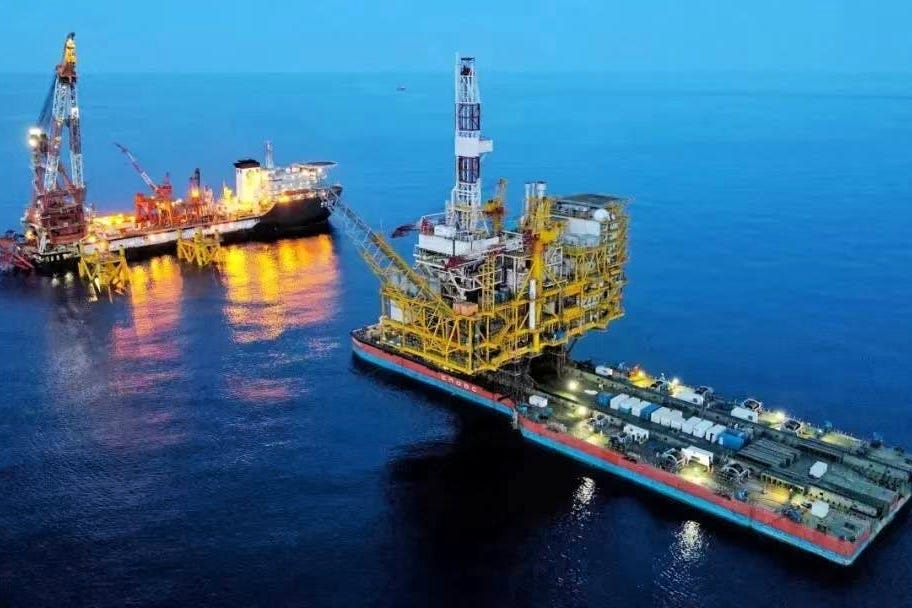
The Chinese company CNOOC has connected the country's first domestically developed floating wind power station to the grid at an offshore oil field. This project will help reduce dependence on fossil fuels and lower CO₂ emissions.
Freight rates for road carriers are once again soaring amid a surge in Chinese electric vehicle exports. The strong demand for transportation is driving new vessel orders and attracting fresh players to the market.
Airfare rates are declining despite rising fuel prices and shifting demand on certain routes. The market is showing resilience, and operators are flexibly reallocating capacity in response to new challenges.
Container shipping rates within Asia continue to decline amid weakening Chinese exports and a slowdown in peak season activity. Shipping companies are expanding their routes, but the market is showing signs of slowing down.
The expected European prices and specifications for the Redmi Note 17 smartphone series have been revealed. It is anticipated that the international versions will differ from the Chinese models, featuring an improved camera and higher prices for the Pro variants.
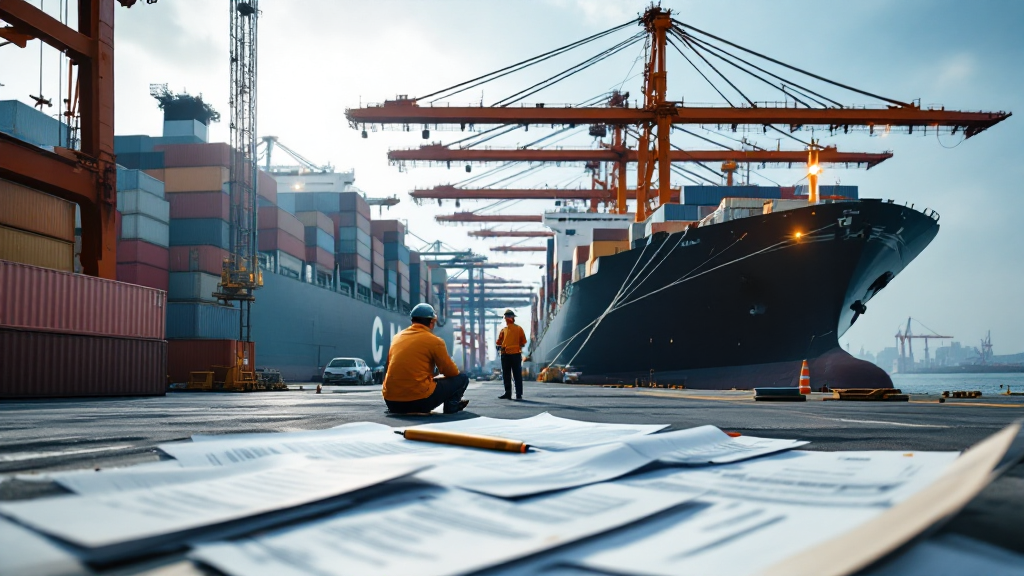
Starting May 1, China has implemented sweeping changes to its maritime legislation, affecting carriers, freight forwarders, and cargo owners. The new regulations tighten requirements for shipping documentation, limit exemptions from liability in the event of fires, and extend the period for handling unclaimed cargo.

 Ingenium