The growth of the European automotive market is largely driven by Asian manufacturers, especially Chinese brands, which have captured a record market share. For the first time, electric vehicles have surpassed gasoline cars in the number of registrations, reshaping the industry and intensifying competition.
Huawei has announced the upcoming release of the Ascend 960DT chip, which offers performance comparable to Nvidia’s solutions. This development could reduce China’s reliance on foreign technologies and accelerate the country’s AI progress. The new chip has the potential to reshape the balance of power in the artificial intelligence market.
The South Korean shipping industry is intensifying competition in the Asian market, where growing demand for container transport is driven by the expansion of manufacturing and logistics networks in Southeast Asia. Major carriers like HMM are increasing their fleets and developing regional routes to strengthen their positions amid the rapidly evolving transportation infrastructure of the region.
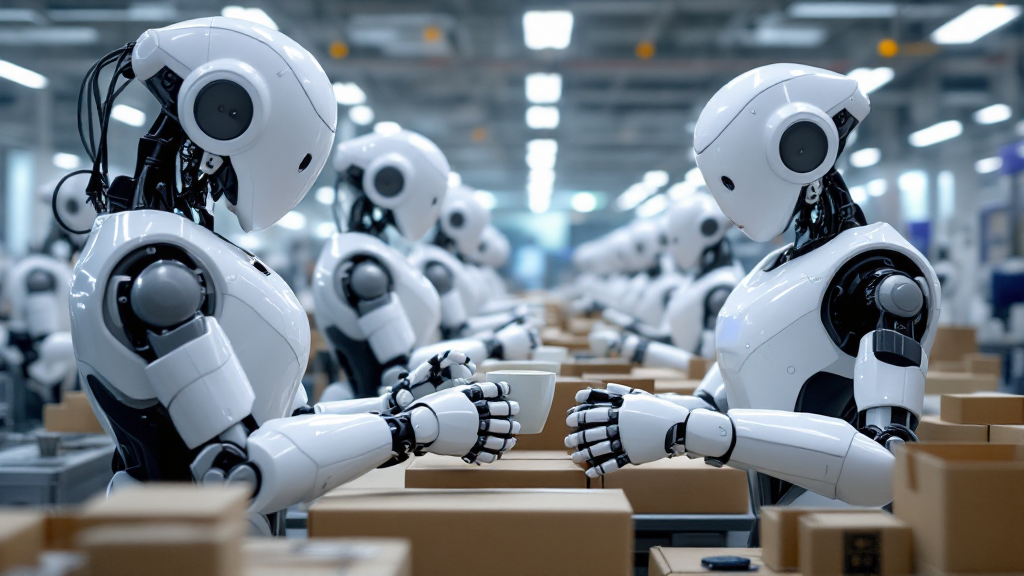
China is actively investing in the development of humanoid robots, but their current technology is not yet advanced enough to replace humans in most jobs. Despite impressive demonstrations, these robots still lag behind industrial counterparts in terms of speed and versatility. Achieving a real breakthrough will require further advancements in artificial intelligence.
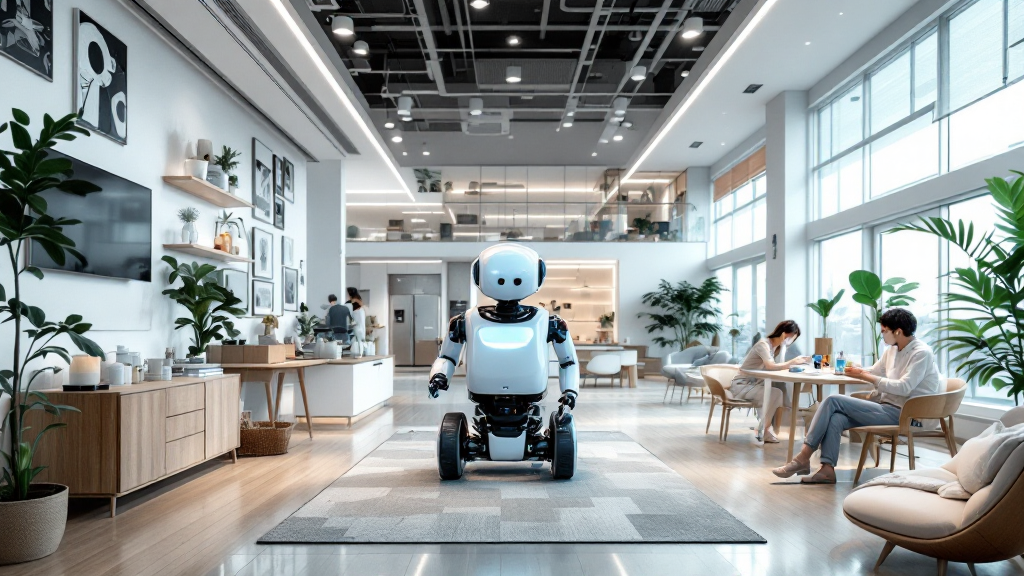
LG and Nvidia are expanding their collaboration in robotics by creating a new data center to train home robots using both real and synthetic data. The project aims to accelerate the adoption of smart robots in everyday life, but the widespread appearance of fully autonomous home assistants is not yet guaranteed.
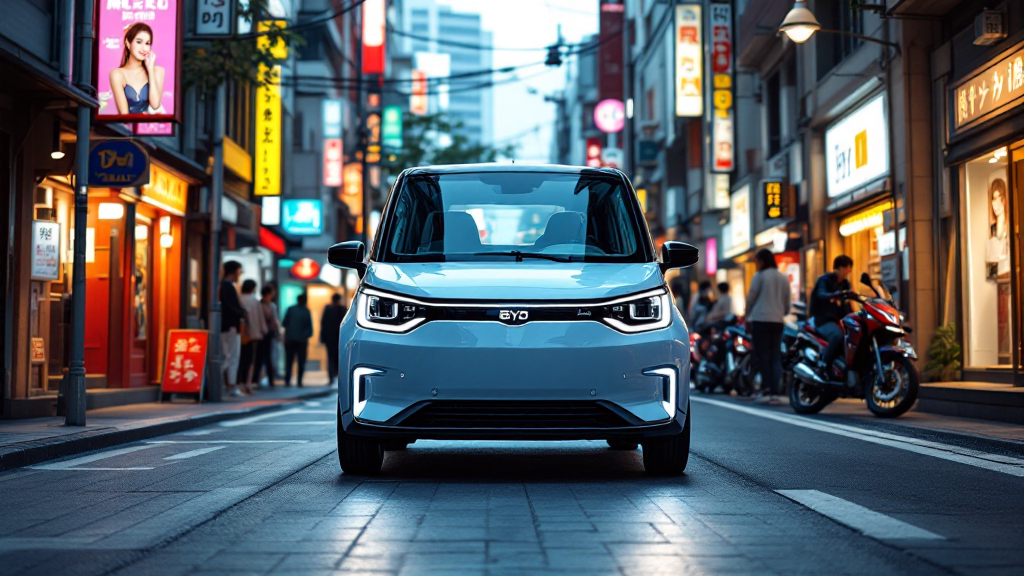
BYD is launching its Racco electric kei car on the Japanese market for the first time, offering greater driving range and an affordable price. The model is aimed at urban drivers and is set to compete with local brands.
BYD has joined the race to develop humanoid AI robots, unveiling the Xiao Di project with advanced recognition and interaction capabilities. The prototype is expected to be showcased as early as August.
The European Commission has launched an in-depth investigation into the planned merger between Saipem and Subsea7 due to concerns about reduced competition in the subsea infrastructure and engineering services market. A final decision is expected by November 26.
The European Commission has launched an in-depth investigation into the planned merger of Saipem and Subsea7 due to concerns about reduced competition in the offshore engineering services market. A final decision is expected by November 26.
Nigeria is currently holding a partially completed oil exploration licensing round, where nine companies—mostly local—have emerged as the main contenders for licenses. Competition for key blocks remains intense, and the application review process is still ongoing.
In 2027, AMD plans to release gaming graphics cards based on the RDNA 5 architecture, while the launch of Nvidia's GeForce RTX 60 series may be postponed until 2028. This gives AMD an opportunity to strengthen its position in the market with new solutions and the arrival of next-generation consoles powered by their graphics technology.
The introduction of goldfish into freshwater lakes leads to ecosystem destruction: water quality deteriorates, algae disappear, and the populations of native animals decline. Scientists urge that aquarium owners be informed about the harm caused by releasing these fish into the wild.
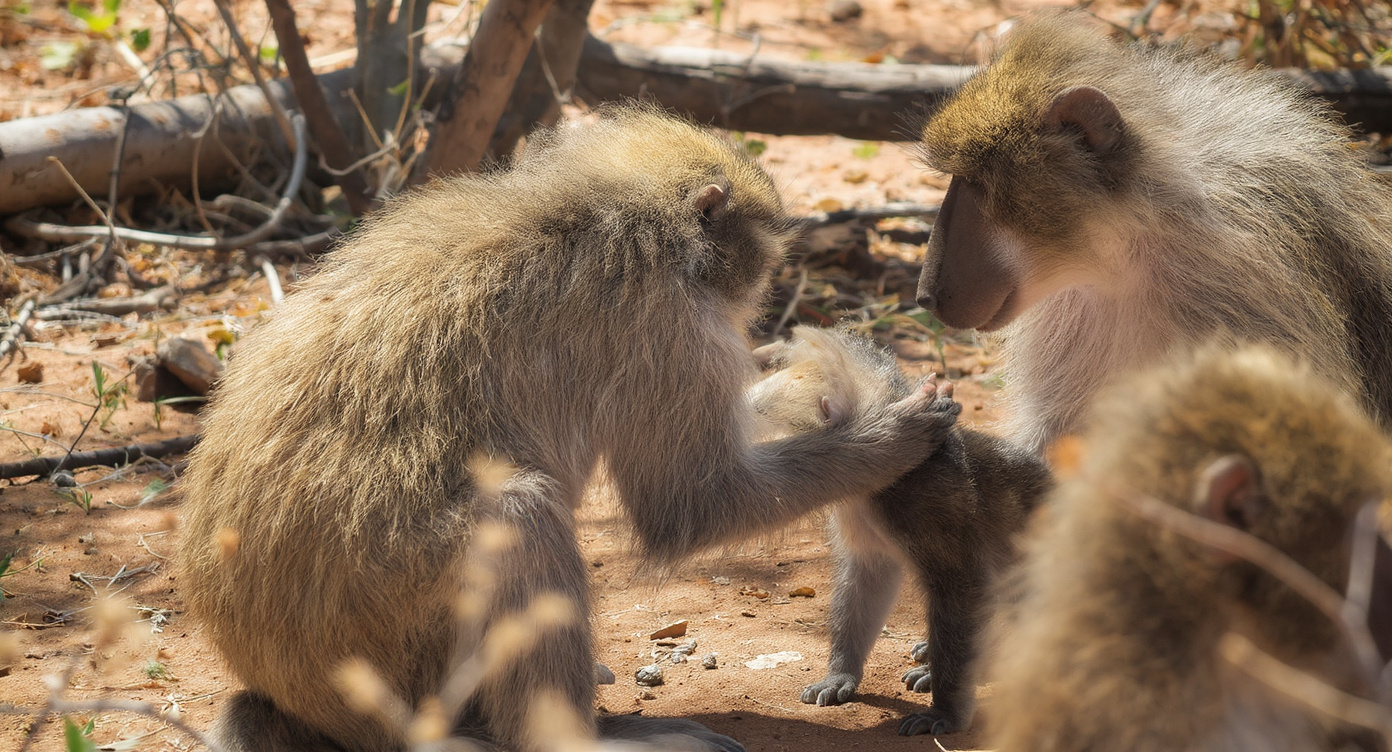
A new study has shown that baboons in the wild display jealousy similar to that of humans: older offspring often interrupt interactions between their mothers and younger siblings, not for their own benefit, but to disrupt their closeness. These findings support the idea that complex emotions emerged in primates long before humans appeared.
Scientists are discussing the reasons behind the disappearance of the Flores people. Possible factors include climate change, a decline in prey populations, competition with predators, and the arrival of Homo sapiens. A definitive answer has yet to be found.
A new study challenges the notion of equality and altruism in hunter-gatherer societies, revealing that beneath the appearance of fairness lie personal interests, social pressure, and competition.


 Vectus