Air transportation is becoming an increasingly important part of logistics, especially amid the instability of sea shipping. However, new regulations for preparing air waybills are creating additional challenges and risks for market participants.
Cathay Cargo's freight volume increased by 9% in the first half of the year, driven by an improving Chinese economy and rising demand in international markets, despite external challenges and new tariffs.
The article examines the logistical and strategic challenges of creating new oil and gas export routes that bypass the Strait of Hormuz, as well as their impact on energy markets and supply stability. It analyzes the prospects of major infrastructure projects, alternative export pathways, and the associated risks for India and the countries of the Persian Gulf.
Airfare rates are declining despite rising fuel prices and shifting demand on certain routes. The market is showing resilience, and operators are flexibly reallocating capacity in response to new challenges.
Container shipping rates within Asia continue to decline amid weakening Chinese exports and a slowdown in peak season activity. Shipping companies are expanding their routes, but the market is showing signs of slowing down.
The main peak of the container shipping season ended earlier than usual this year, due to external factors and changes in logistics. A possible second mini-peak is expected in the fourth quarter.
The shift of airlines to dynamic pricing and fragmented booking channels makes it more challenging for freight forwarders to calculate costs and find available cargo capacity. To operate efficiently, it is essential to integrate digital platforms and apply professional judgment when selecting the best solutions for clients.
Despite restrictions and ongoing instability in the Middle East, container ships continue to pass through the Red Sea, and demand for charter vessels remains high. Carriers are seeking alternative routes to keep trade flowing in the region.
Global container shipping leader MSC is investing in the Indian port of Vizhinjam, acquiring a 49% stake in the key Adani Ports project. This partnership will enable the port’s container throughput to nearly quadruple by 2028 and strengthen its position as a leading hub in the Indian Ocean.
DP World will build two new terminals on the eastern coast of the UAE, increasing the country's container capacity and enhancing the resilience of logistics outside the Strait of Hormuz. The project is planned as a 50-year concession and aims to develop modern port infrastructure.
Shipping rates between South and North America have increased, despite a decline in trade volumes and stricter U.S. tariff policies toward Brazil. Exporters are seeking new markets, while carriers report improved schedule reliability.
Gemini Cooperation is undergoing a strategic realignment of its routes, reducing capacity on the Asia–North America and Asia–Northern Europe corridors in order to strengthen transport between Asia and the Mediterranean. This approach enables the company to increase its market share on this route by focusing resources and modernizing its fleet.
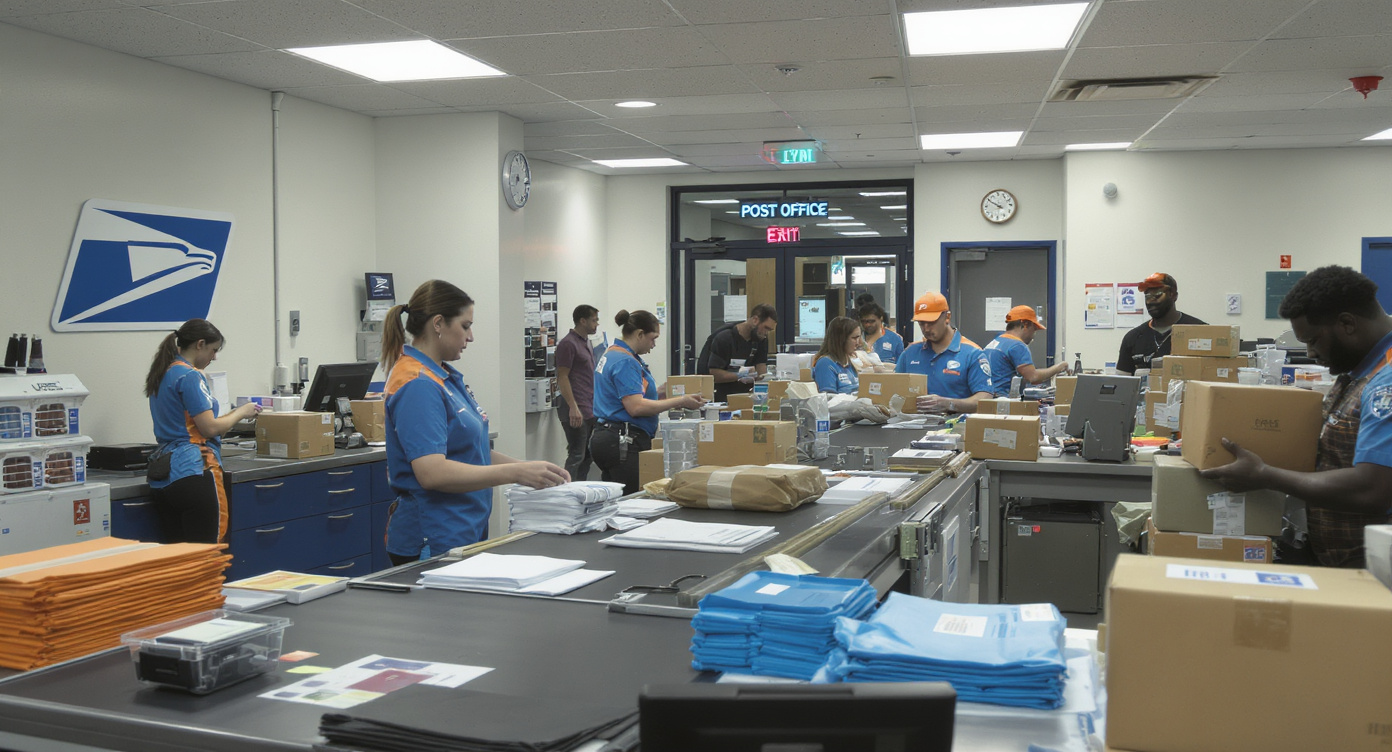
The United States Postal Service will introduce an additional 8% surcharge on parcel shipments to offset rising fuel costs. This measure will apply only to parcels and will not affect other postal services.


 Vector