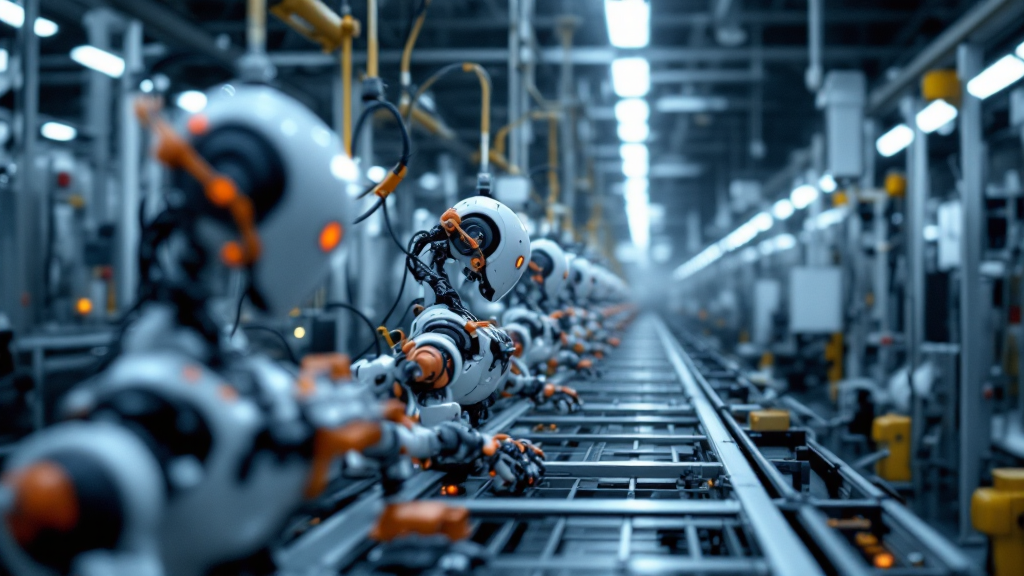
In 2025, a record number of industrial robots—600,000 units—were installed worldwide, which is 11% more than the previous year. The main driver of this growth was China, and the global market continues to expand thanks to technological advancements and a shortage of skilled labor.
Container shipping rates within Asia continue to decline amid weakening Chinese exports and a slowdown in peak season activity. Shipping companies are expanding their routes, but the market is showing signs of slowing down.
South Korean shipping company HMM is investing $19.7 billion to expand its container and bulk carrier fleet by 2030, and will also modernize its terminal in Tacoma to increase capacity. The company aims to strengthen its position in both ocean and coastal shipping markets by utilizing a hub-and-spoke model.
Rising demand for gas and LNG in Asia, dry weather conditions, and limited alternative supplies are increasing price volatility in the global market. Competition between European and Asian buyers may lead to further fluctuations, especially amid uncertainty surrounding the restoration of production in Qatar.
In 2024, Chevron changed its oil supply routes due to military conflicts, shifting its focus to Asian and European markets. The company notes that portfolio diversification has helped it overcome the crisis.
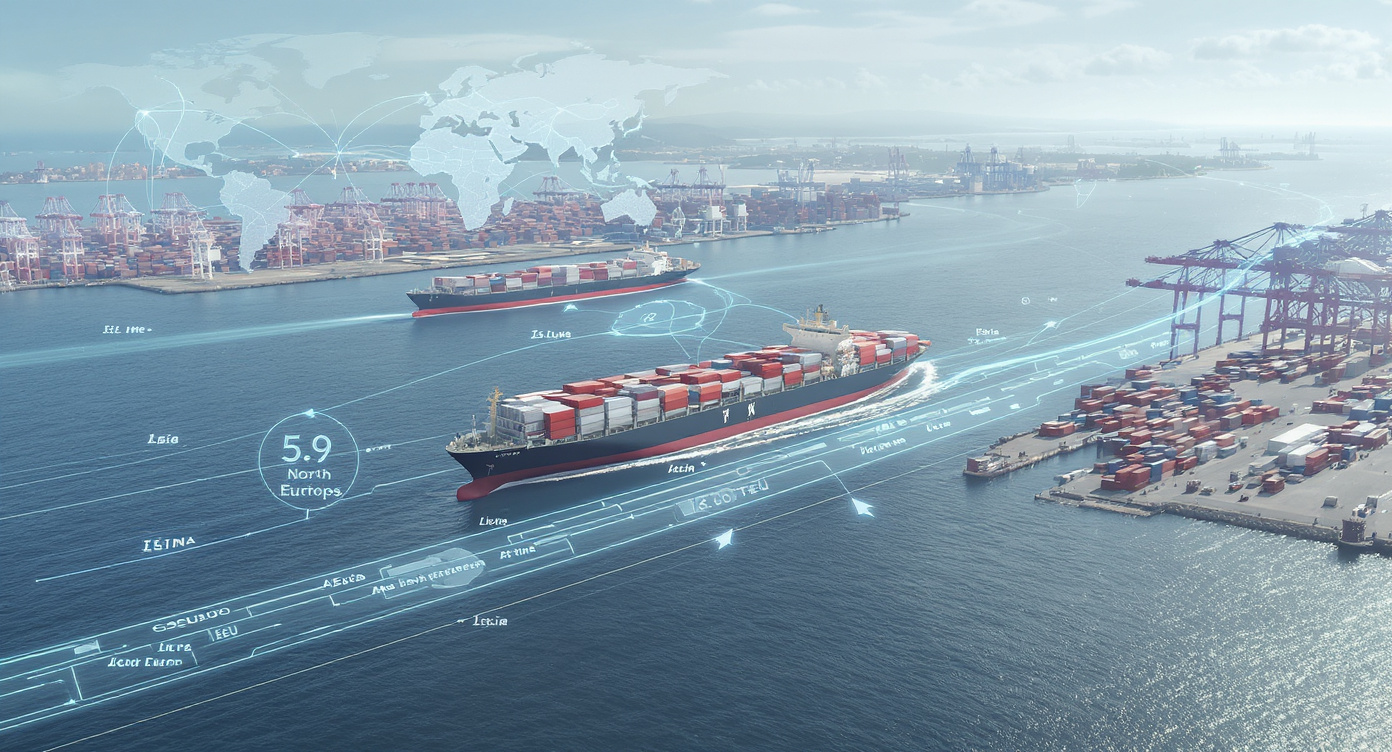
Gemini Cooperation is undergoing a strategic realignment of its routes, reducing capacity on the Asia–North America and Asia–Northern Europe corridors in order to strengthen transport between Asia and the Mediterranean. This approach enables the company to increase its market share on this route by focusing resources and modernizing its fleet.
A new study of ancient Homo erectus teeth has revealed a genetic link between this species, Denisovans, and modern humans, shedding light on the evolution and interactions of ancient populations.

 Ingenium