As a result of a shark attack off the coast of Western Australia, a 63-year-old geologist from Amplitude Energy has died. Authorities have called off the search for the predator due to a lack of signs of its activity.
Sunda Energy is in negotiations with the authorities of Timor-Leste regarding the Chuditch project and is continuing the acquisition of Matahio Energy's assets in New Zealand, with plans for further production expansion.
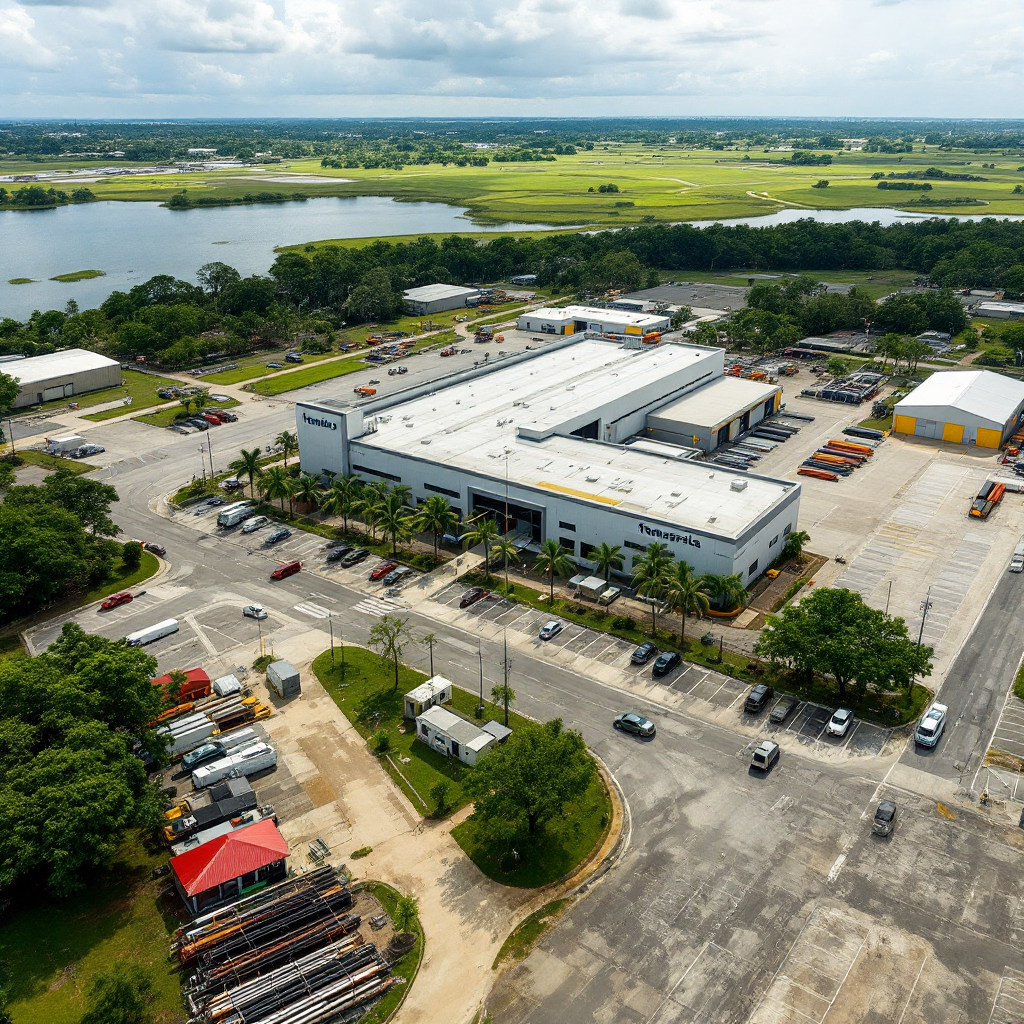
International company Tenaris has opened a service center in Suriname to support the country's first deepwater oil and gas project, GranMorgu. The center will provide advanced services and logistics for the TotalEnergies, APA Corporation, and Staatsolie consortium.
Sri Lanka has announced a new licensing round for international companies, offering four offshore blocks in the Mannar Basin for hydrocarbon exploration. This initiative aims to develop the country's own oil and gas industry and attract investment to this largely unexplored region.
The incident involving the destruction of a maritime drone near Romania's Neptun Deep gas field has raised concerns about the vulnerability of Europe's energy infrastructure and the need to strengthen security measures. Experts suggest designating offshore platforms as critical infrastructure and increasing transparency in how such threats are addressed.
The Chinese company CNOOC Limited plans to begin drilling its first exploratory well on the Brazilian continental shelf in the Santos Basin in 2029. The project focuses on little-studied deepwater areas, where major international oil companies are also operating.
Norwegian oil and gas companies are actively developing complex and dense reservoirs, using advanced technologies to tap into previously hard-to-reach reserves. Successes in projects such as Victoria are opening up new opportunities for the industry and could significantly increase the country's oil and gas production.
Norway is actively advancing the implementation of subsea connections in the oil and gas sector, which helps accelerate the development of new fields and reduce costs. Major operators such as Equinor plan to launch dozens of similar projects in the coming years, opening up new opportunities for contractors and strengthening the country's position in the global energy market.
Over the next five years, investments in 22 offshore oil and gas projects in Nigeria could reach $50 billion. This is expected to boost production, create jobs, and strengthen the country's energy security.
Turkish Petroleum has joined a joint gas exploration project in the Bulgarian sector of the Black Sea, acquiring a 33% stake alongside Shell and OMV Petrom. In 2024, seismic data collection is planned, with possible drilling to follow the next year.
British Shell is selling its stake in the Cypriot Aphrodite gas project to Hungary's MOL Group for up to $720 million. The deal is expected to be finalized in early 2027, pending all necessary approvals.
In the second quarter of 2026, Shell reported profits that significantly exceeded analysts’ expectations, driven by high oil and gas prices, record refinery utilization, and successful trading operations. The company also announced a new share buyback program and continued to reduce its costs.
BP has agreed to sell a 15% stake in its subsidiary that manages oil and gas fields in the Kirkuk region to the Turkish state company Turkish Petroleum. This deal expands BP and TPAO’s cooperation in Iraq and strengthens their strategic partnership.
Norwegian company Vaar Energi plans to drill seven exploration wells in the second half of 2026 to increase oil and gas reserves at key fields. The main targets—Lakris, Jotun Deep, Anabelle, and others—have significant potential and could be connected to the company’s existing infrastructure.
The Italian company Eni is beginning development of the deepwater Cronos field off the coast of Cyprus, which will allow Cypriot gas to enter the market for the first time by 2028. This project will strengthen Cyprus's position as a gas exporter and support Europe's energy security.


 Petrus