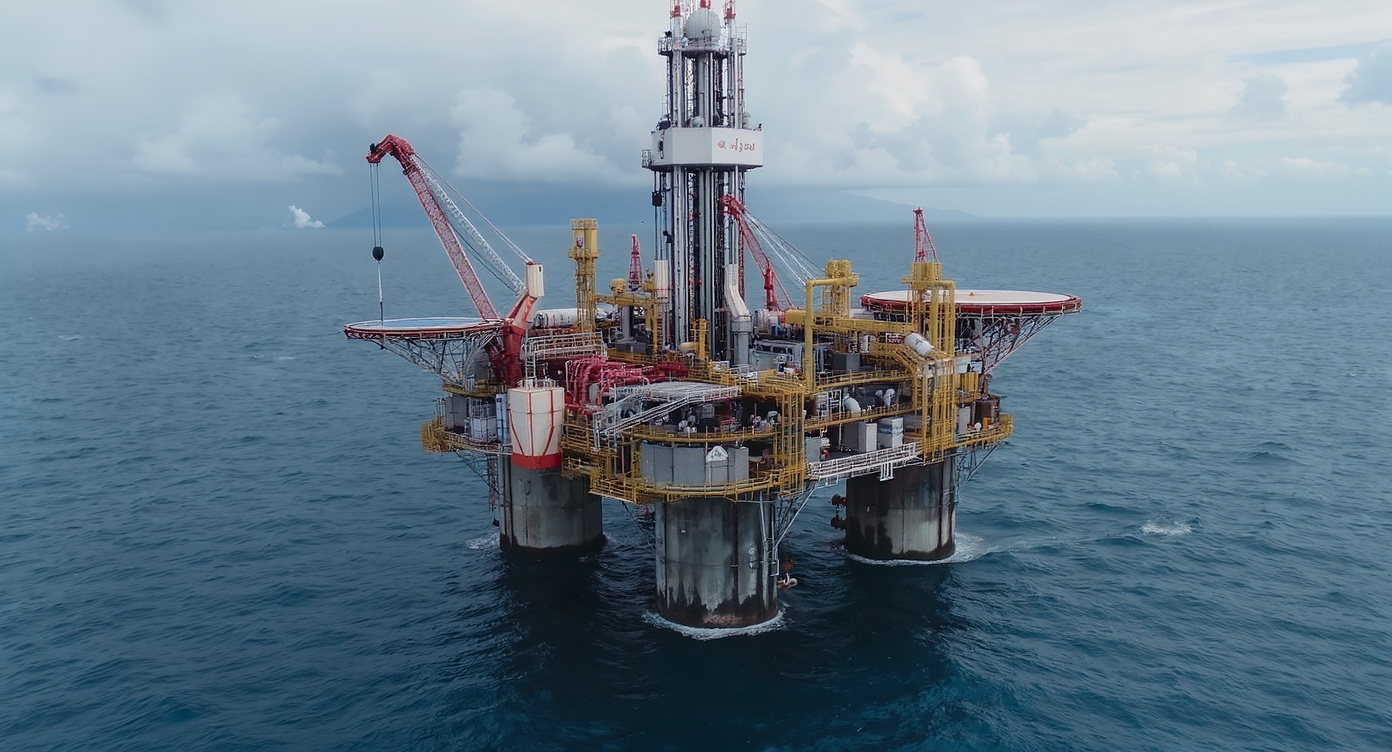
Over the next five years, investments in 22 offshore oil and gas projects in Nigeria could reach $50 billion. This is expected to boost production, create jobs, and strengthen the country's energy security.
The European Commission has proposed postponing the introduction of fines for non-compliance with methane emission regulations until 2029, aiming to avoid disruptions in gas supplies amid ongoing energy uncertainty. This decision was made in response to concerns from the industry and exporting countries. However, experts believe that further refinement of the regulations will be necessary for effective implementation.
BP is considering reducing its investments in oil and gas production on the UK continental shelf due to high tax burdens and regulatory uncertainty. The company acknowledges the potential of existing fields but emphasizes that stable conditions are essential for new investments.
Thailand's national oil and gas company PTTEP is preparing to make an investment decision on the development of the Bussabong gas field, with production expected to begin in 2028. The project involves partner Valeura, which is acquiring a 40% stake, and further exploration and development of offshore assets in the northern part of the Gulf of Siam are planned.
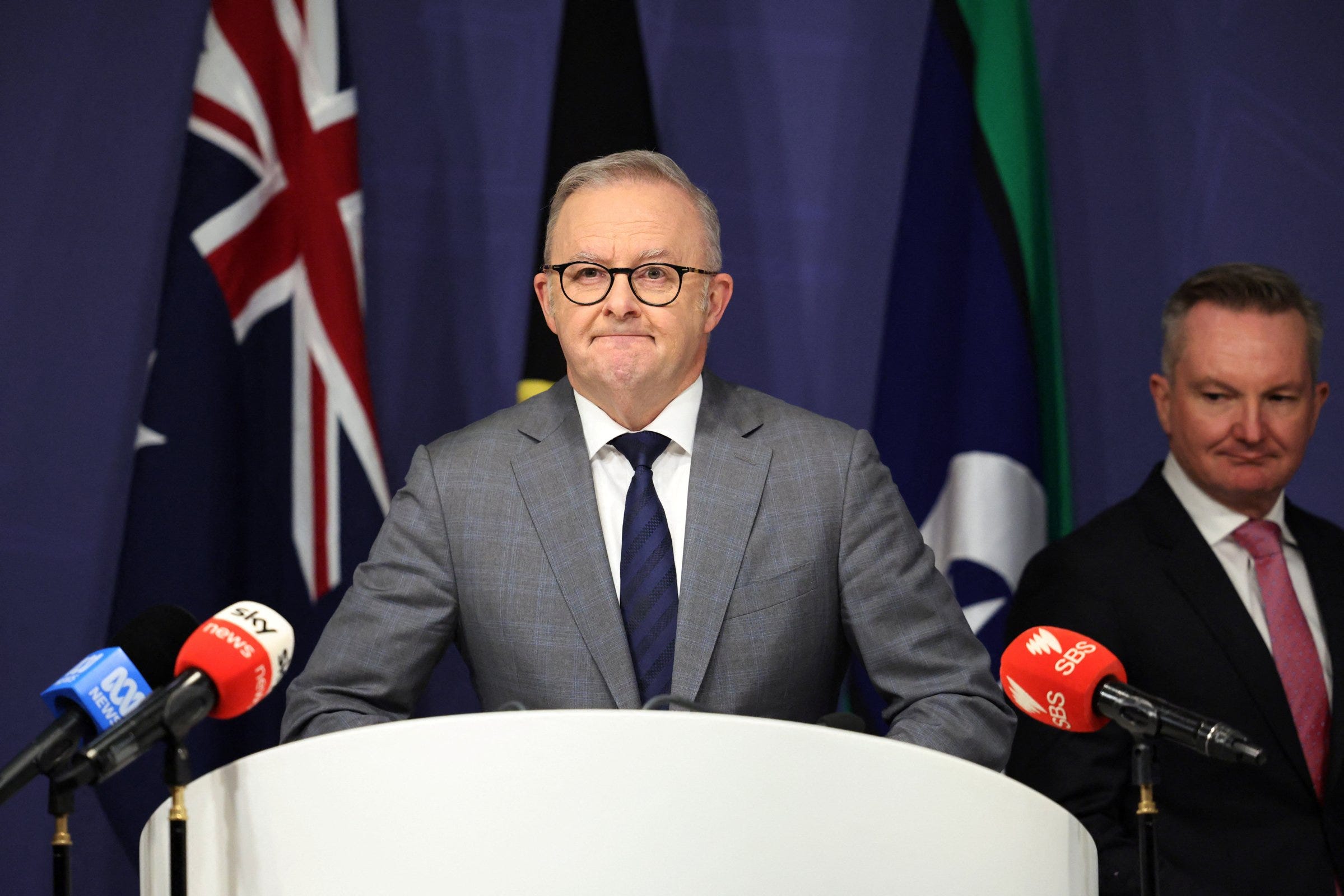
Australia plans to require exporters to allocate 20% of their gas to the domestic market in order to address shortages and rising prices. The initiative has sparked discontent within the industry and raised concerns about competition and investment, but authorities consider it essential for the country's energy security.

 Petrus