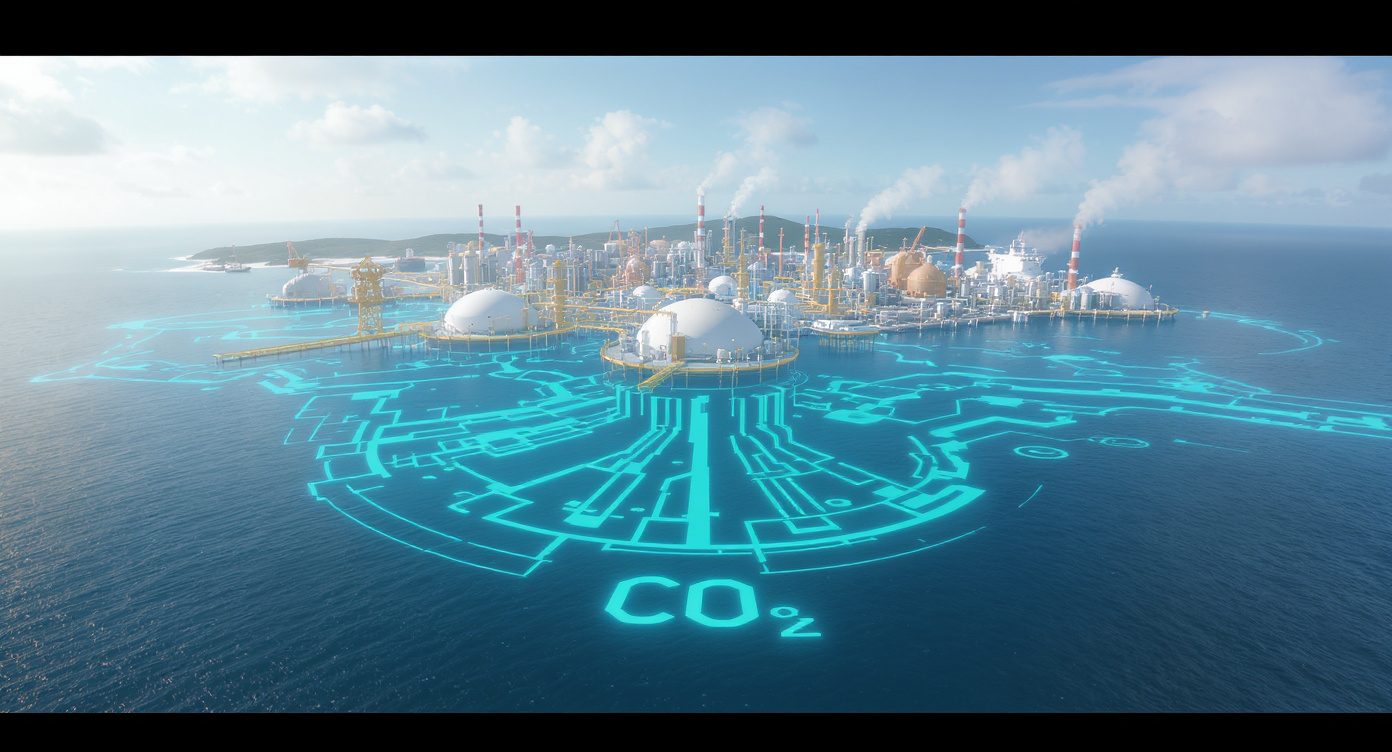
Denmark has launched the EU's first offshore facility for CO₂ storage, capable of handling up to 400,000 tons annually, with the potential to increase capacity to 8 million tons. This project highlights the importance of developing regulatory and investment frameworks to enable large-scale carbon capture in Europe.
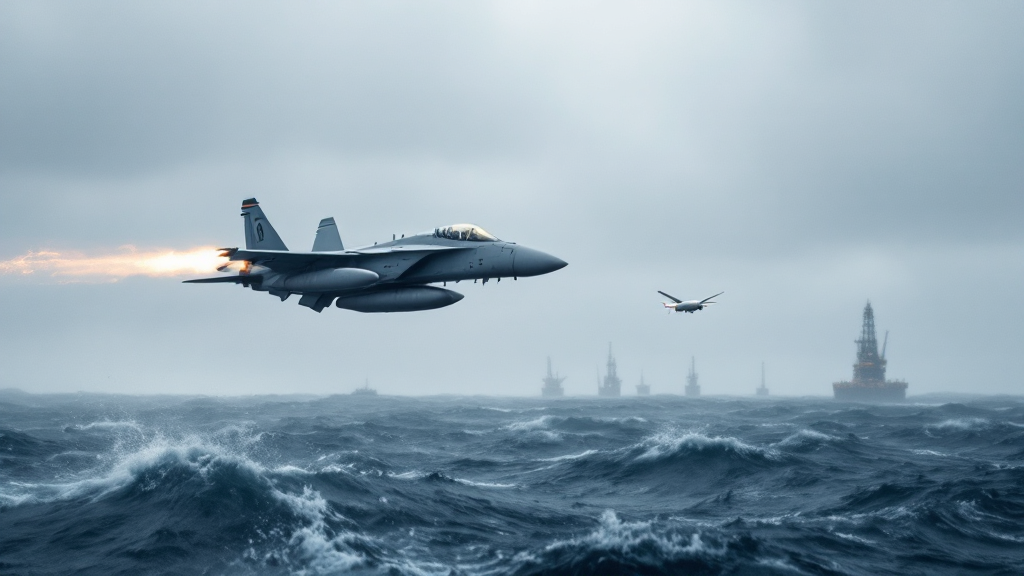
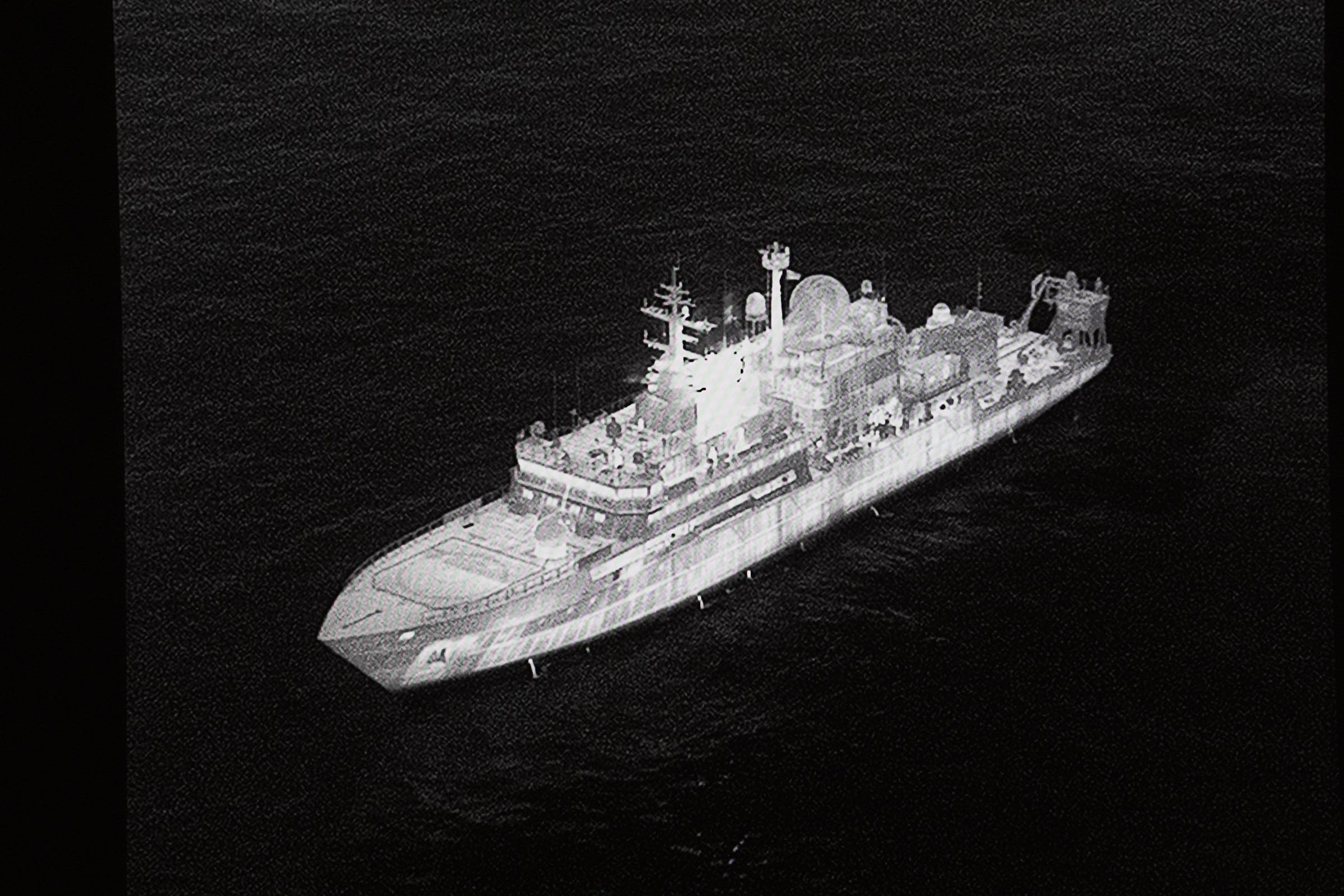
The incident involving the destruction of a maritime drone near Romania's Neptun Deep gas field has raised concerns about the vulnerability of Europe's energy infrastructure and the need to strengthen security measures. Experts suggest designating offshore platforms as critical infrastructure and increasing transparency in how such threats are addressed.
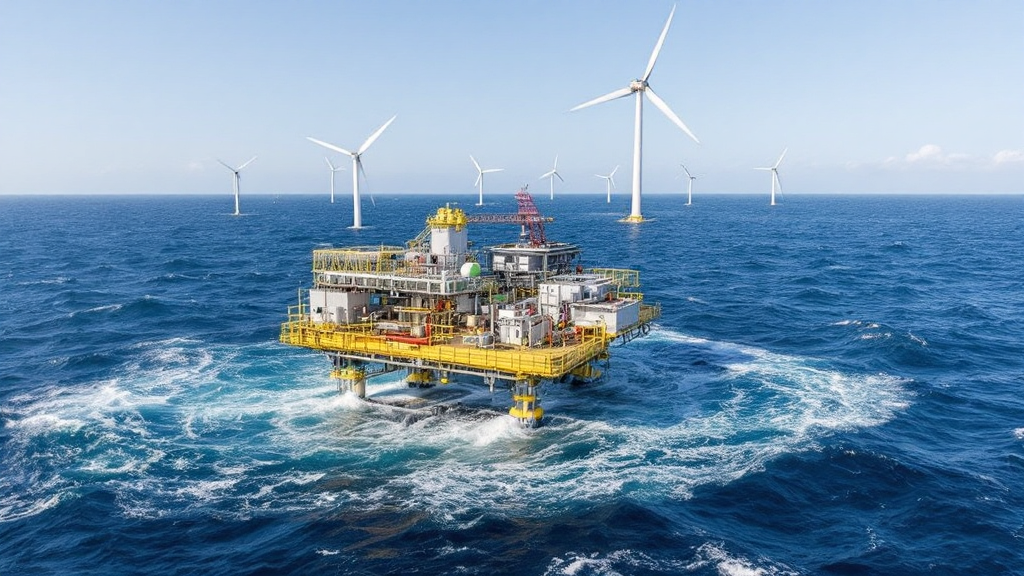
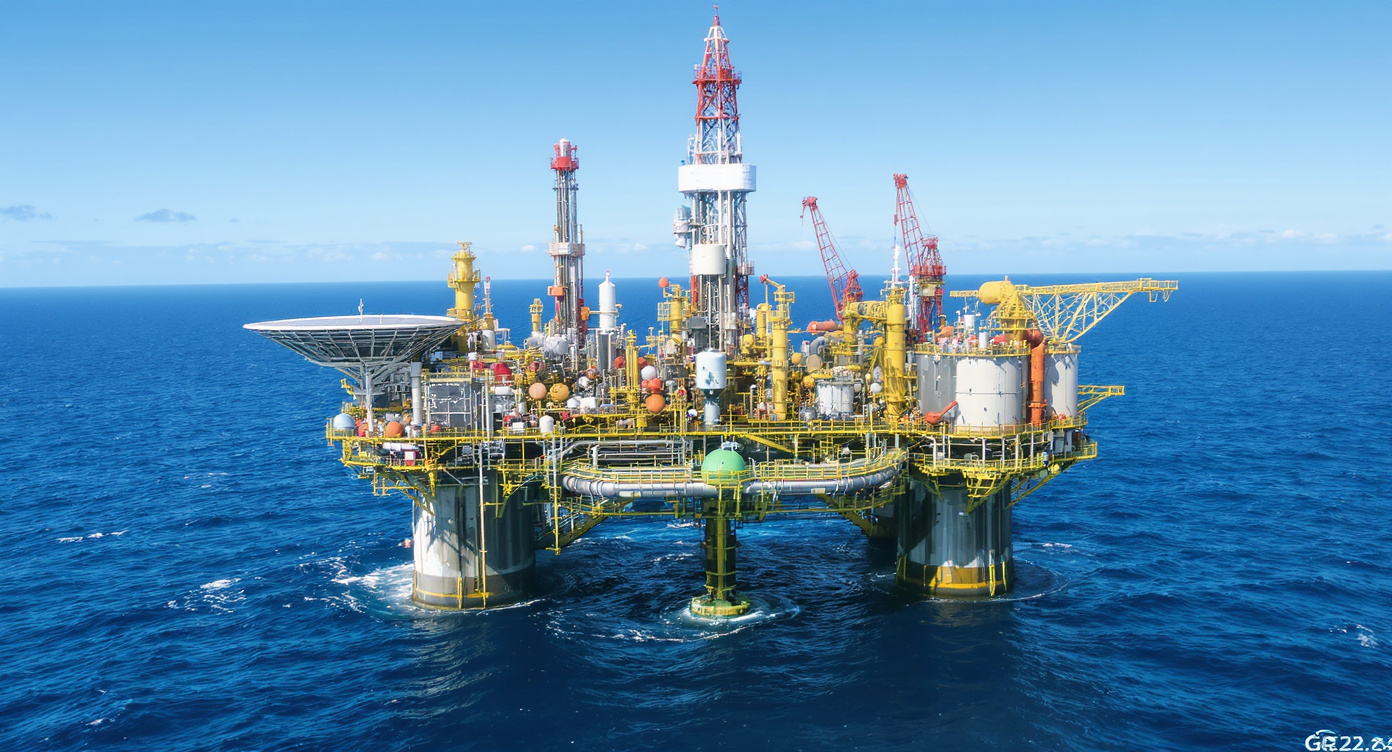
Green hydrogen has been produced for the first time on an offshore platform in the Dutch sector of the North Sea as part of the PosHYdon pilot project. The process uses wind energy and desalinated seawater, and the results of the experiment will be presented to the industry in the fall.
In Aberdeen, representatives of the UK energy sector met with the new minister, Miatta Fahnbulleh, to discuss the development of the industry and key challenges. The discussions covered tax policy, support for new projects, and the importance of energy for the economy and jobs.
Норвежская Vaar Energi приобретает датскую BlueNord, что позволит увеличить добычу примерно на 45 000 баррелей в сутки и выйти на рынок Дании. Сделка направлена на создание одного из крупнейших независимых производителей нефти и газа в Европе.
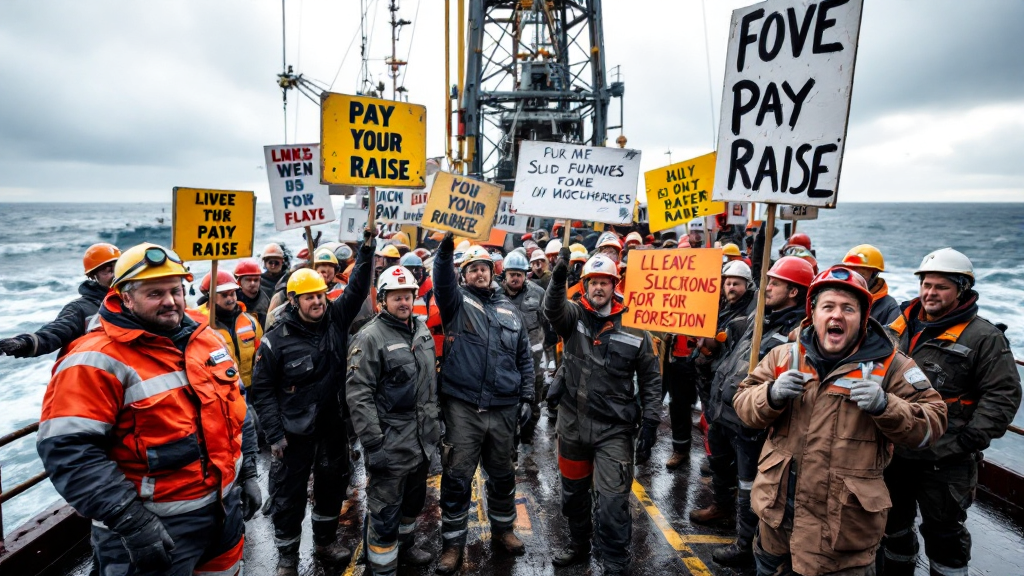
Around 50 workers from the Elgin Franklin and North Alwyn platforms in the North Sea have launched a series of strikes after NeoNext+ refused to increase wages by more than 3%. The Unite union supports the employees' demands for better working conditions and pay.
BP is considering reducing its investments in oil and gas production on the UK continental shelf due to high tax burdens and regulatory uncertainty. The company acknowledges the potential of existing fields but emphasizes that stable conditions are essential for new investments.
Oil and gas operators in the UK sector of the North Sea are facing limited access to information about current threats due to the lack of critical infrastructure status. This hampers the sharing of intelligence and makes it more difficult to respond to growing risks to the region's energy security.
Norway is launching the offshore Trudvang CCS project for carbon capture and storage, designed to capture up to 9 million tons of CO₂ per year—almost 20% of the country’s total emissions. The project is scheduled to begin operations in 2029, with contractors set to develop an integrated chain for transporting and storing CO₂.
Equinor has signed a contract for the design of the Atlantis gas condensate field and has launched the new Eirin gas field, further strengthening the development of the Norwegian continental shelf.
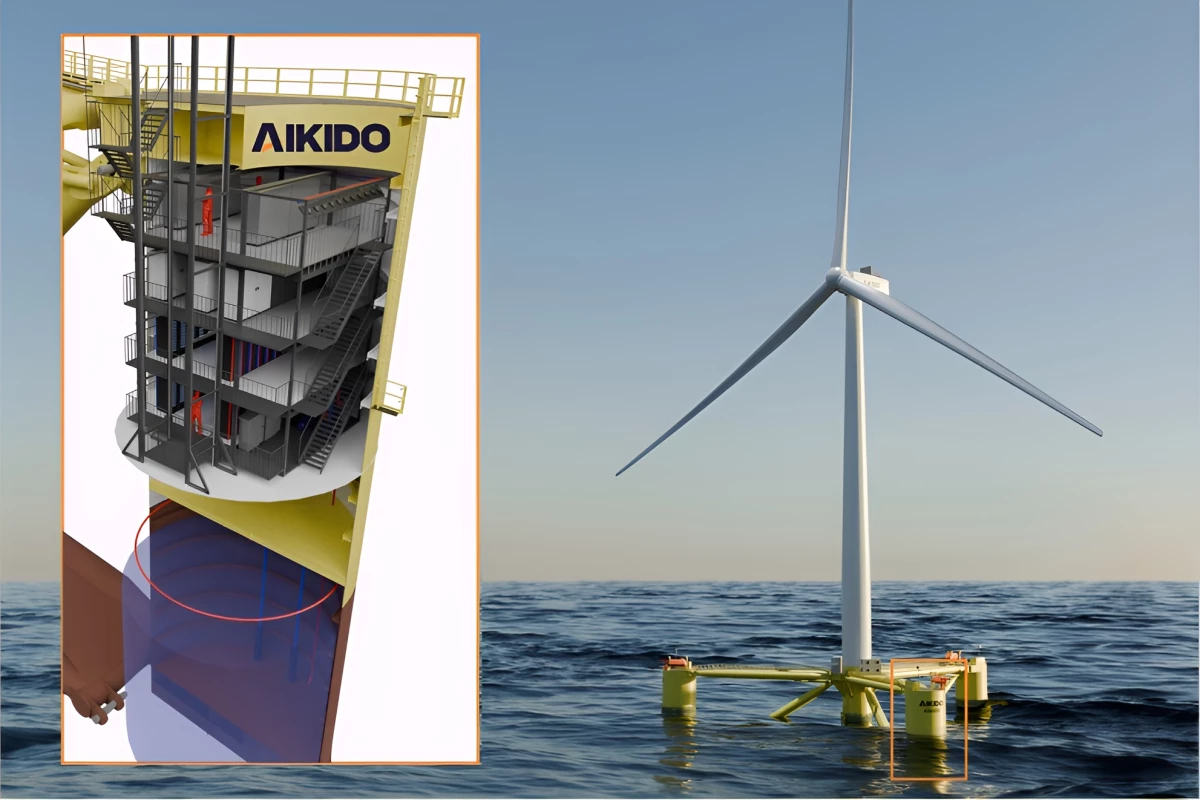
As AI energy consumption increases, engineers are seeking sustainable solutions for data centers. Aikido Technologies offers autonomous floating platforms equipped with wind power and seawater cooling, minimizing the load on power grids and reducing environmental impact.

 Vigor
Vigor