Studies have shown that sodium batteries capable of retaining water can not only efficiently store energy but also desalinate seawater. This approach opens up possibilities for developing devices that simultaneously provide energy storage and water purification, which is especially relevant for coastal regions.
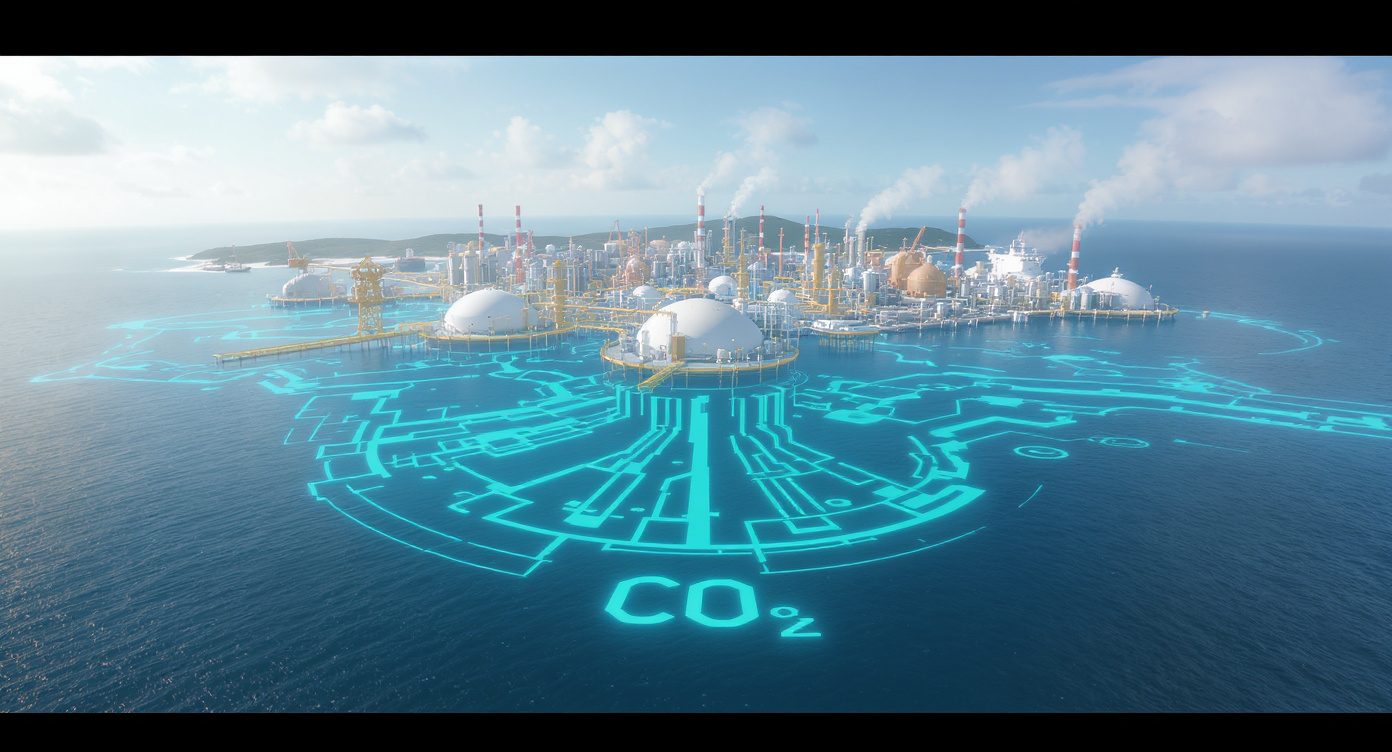
Norway is launching the offshore Trudvang CCS project for carbon capture and storage, designed to capture up to 9 million tons of CO₂ per year—almost 20% of the country’s total emissions. The project is scheduled to begin operations in 2029, with contractors set to develop an integrated chain for transporting and storing CO₂.
Scientists have developed a new electrolyte that enables lithium-metal batteries to be fully charged in just 15 minutes, while also improving their safety. This technology could accelerate the arrival of more powerful and faster-charging batteries for electric vehicles.
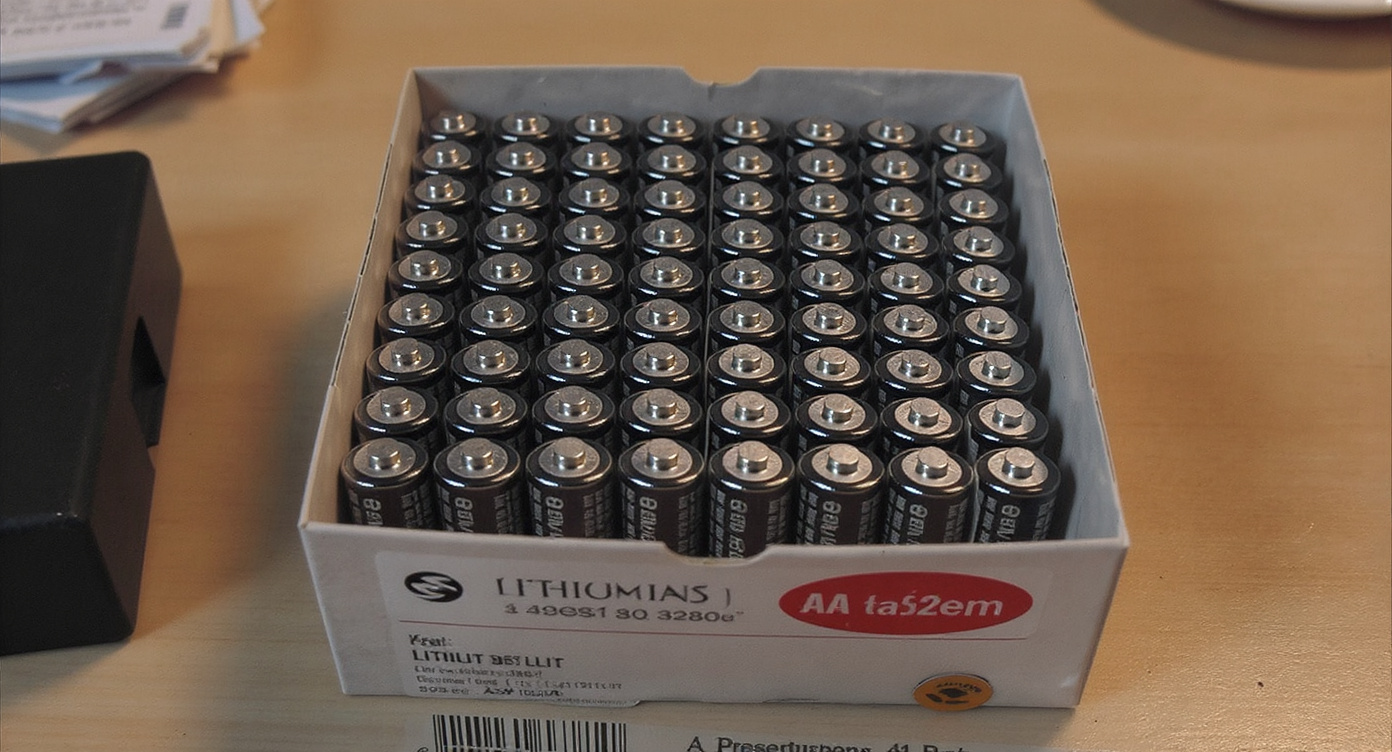
Scientists have developed an innovative method for extracting lithium from used batteries, which has proven to be significantly cheaper and more environmentally friendly than traditional techniques. This new approach could make lithium recycling a commercially viable and sustainable alternative to mining.


 Vigor
Vigor