

The first offshore CO₂ storage facility in the EU has opened in Denmark.
Denmark has launched the EU's first offshore facility for CO₂ storage, capable of handling up to 400,000 tons annually, with the potential to increase capacity to 8 million tons. This project highlights the importance of developing regulatory and investment frameworks to enable large-scale carbon capture in Europe.
Vigor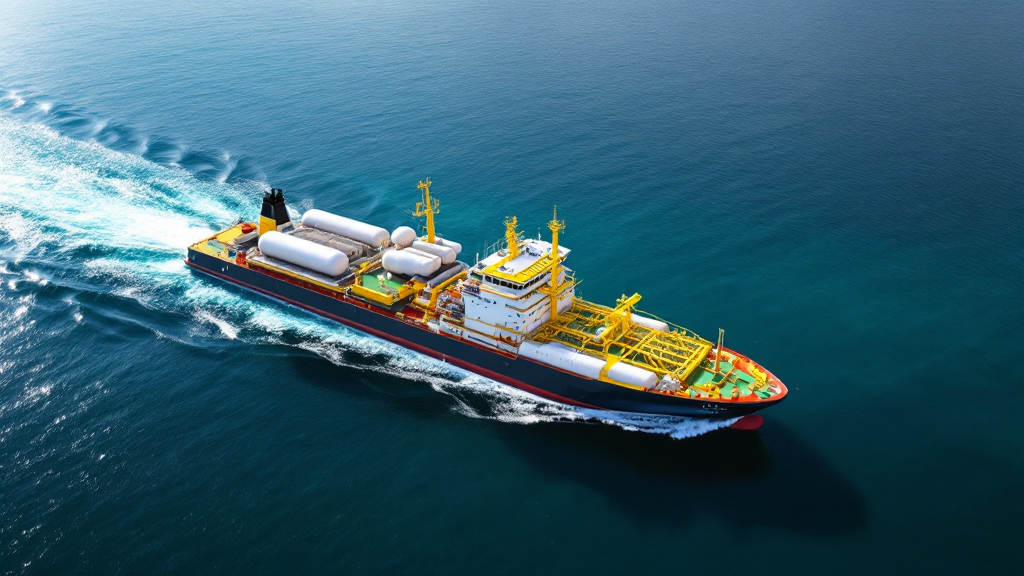
Ineos Energy has launched the Greensand carbon storage facility in Denmark, marking the first offshore storage site of its kind in the European Union.
Main Stages and Project Capacity
The Greensand project, developed in partnership with Harbour Energy and the Danish North Sea Fund, plans to store up to 400,000 tonnes of carbon dioxide annually in its initial phase. In the future, storage capacity is expected to increase to between 4 and 8 million tonnes per year.
CO₂ Sources and Logistics
The CO₂ for storage will primarily be sourced from Danish biomethane plants. After extraction and capture, the carbon dioxide is liquefied and transported by truck to a specialized terminal at the Port of Esbjerg.
Transport and Injection
The EU’s first specialized CO₂ transport vessel, Carbon Destroyer 1, will carry the liquefied carbon dioxide from the port for subsequent injection into the Nini West reservoir in the North Sea. This reservoir is a depleted oil field previously operated by Ineos, located about 250 kilometers offshore and at a depth of approximately 1,800 meters beneath the seabed.
Development Prospects
With the opening of the facility, a key challenge for the EU will be the speed at which regulatory, infrastructure, and investment frameworks can be established to enable large-scale CO₂ capture by industrial enterprises.