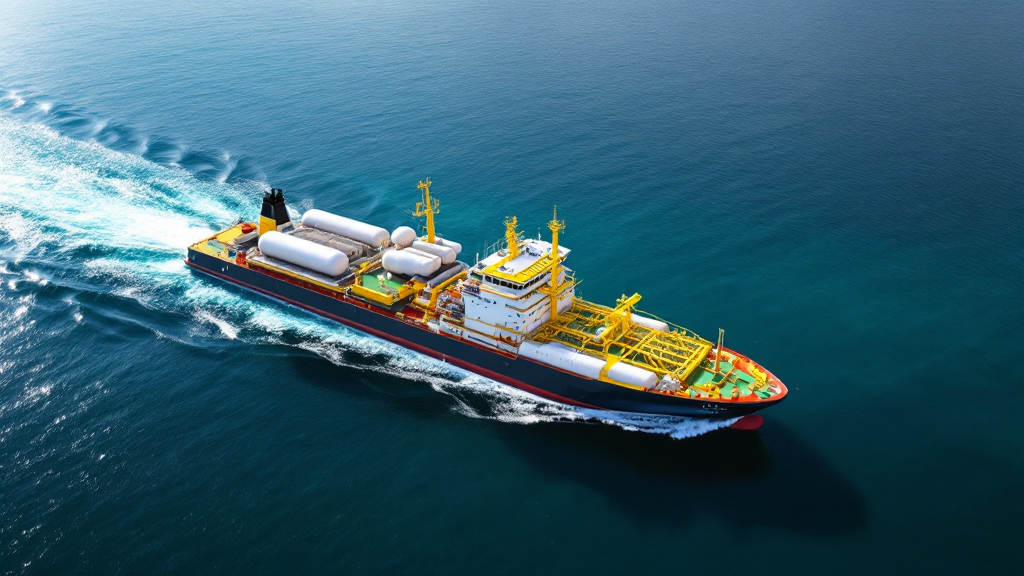
Denmark has launched the EU's first offshore facility for CO₂ storage, capable of handling up to 400,000 tons annually, with the potential to increase capacity to 8 million tons. This project highlights the importance of developing regulatory and investment frameworks to enable large-scale carbon capture in Europe.
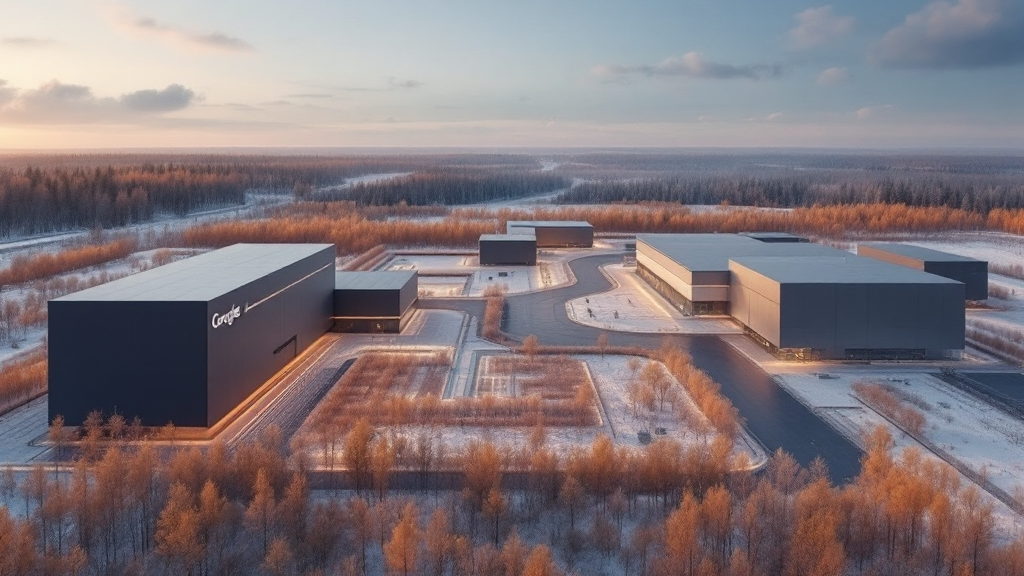
Google is investing €13 billion in the development of artificial intelligence infrastructure in Finland, including the construction of data centers and support for energy projects. The initiative is expected to create thousands of jobs and make a significant contribution to the country's economy and education sector.
The incident involving the destruction of a maritime drone near Romania's Neptun Deep gas field has raised concerns about the vulnerability of Europe's energy infrastructure and the need to strengthen security measures. Experts suggest designating offshore platforms as critical infrastructure and increasing transparency in how such threats are addressed.
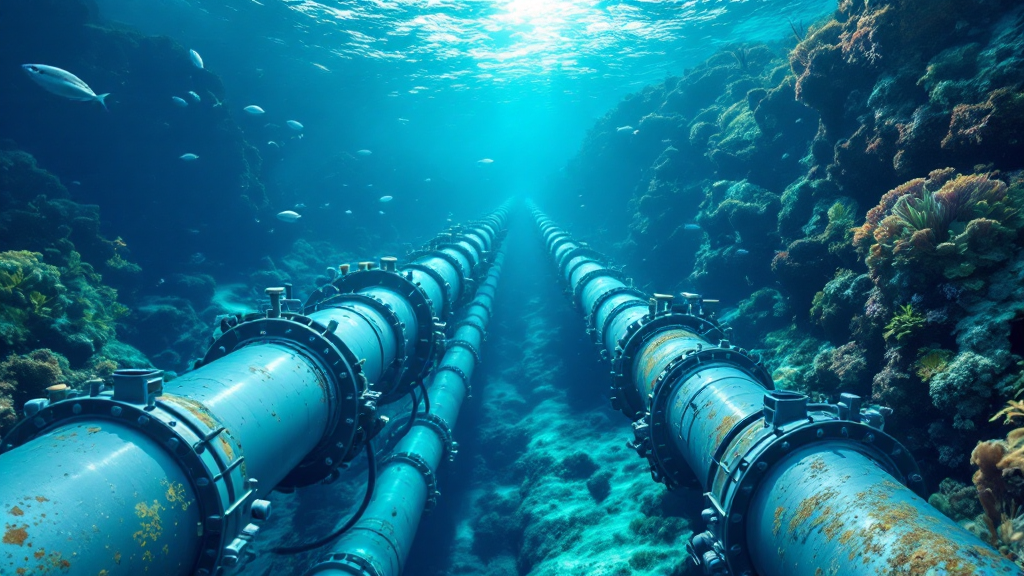
The United Kingdom is actively developing the carbon storage market, exploring the use of new and repurposed pipelines for transporting CO2. These measures are considered essential for achieving the country's climate goals by 2050.
American Bureau of Shipping and HD Hyundai Heavy Industries have signed a memorandum of cooperation in the fields of sustainable development, decarbonization, and digital innovation in the offshore sector. The companies will also explore joint projects in wind energy, offshore substations, and carbon capture technologies.
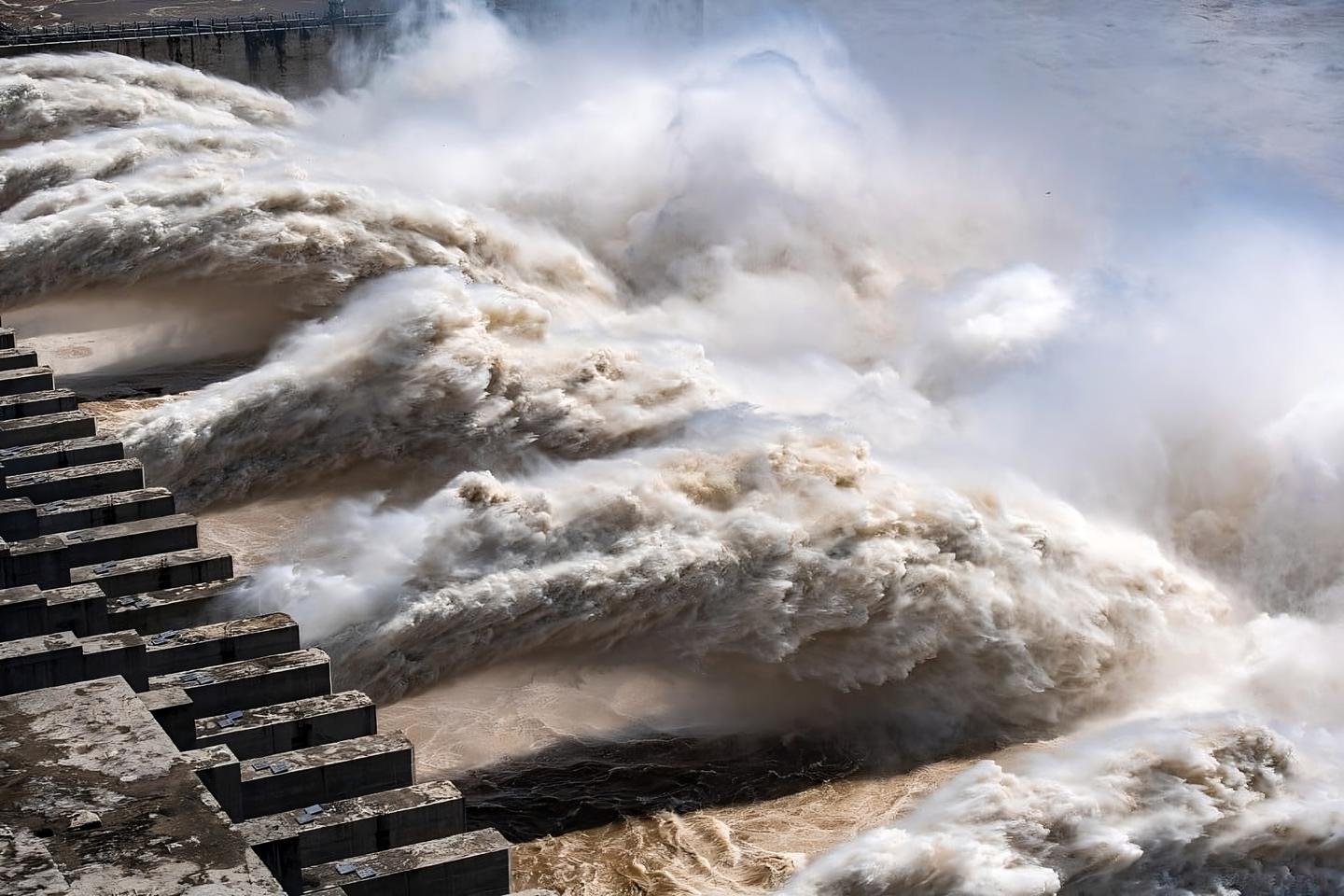
Китай одобрил проект самой мощной ГЭС в мире на реке Ярлунг-Цангпо в Тибете. Новый комплекс втрое превзойдет по выработке энергии знаменитую плотину «Три ущелья».

 Vigor
Vigor