In 2027, Toyota will unveil the zero-emission hydrogen-powered DKR GR FC Hilux pickup at the Dakar Rally to test new technologies in extreme conditions. The data collected will help develop a production version by 2028.
Scientists have discovered that iron-rich rocks in Western Australia are capable of generating natural hydrogen, opening up new opportunities for the development and export of low-emission energy. The efficiency of this process depends not only on the presence of magnetite but also on the structure of the rock, which ensures water can access mineral surfaces.
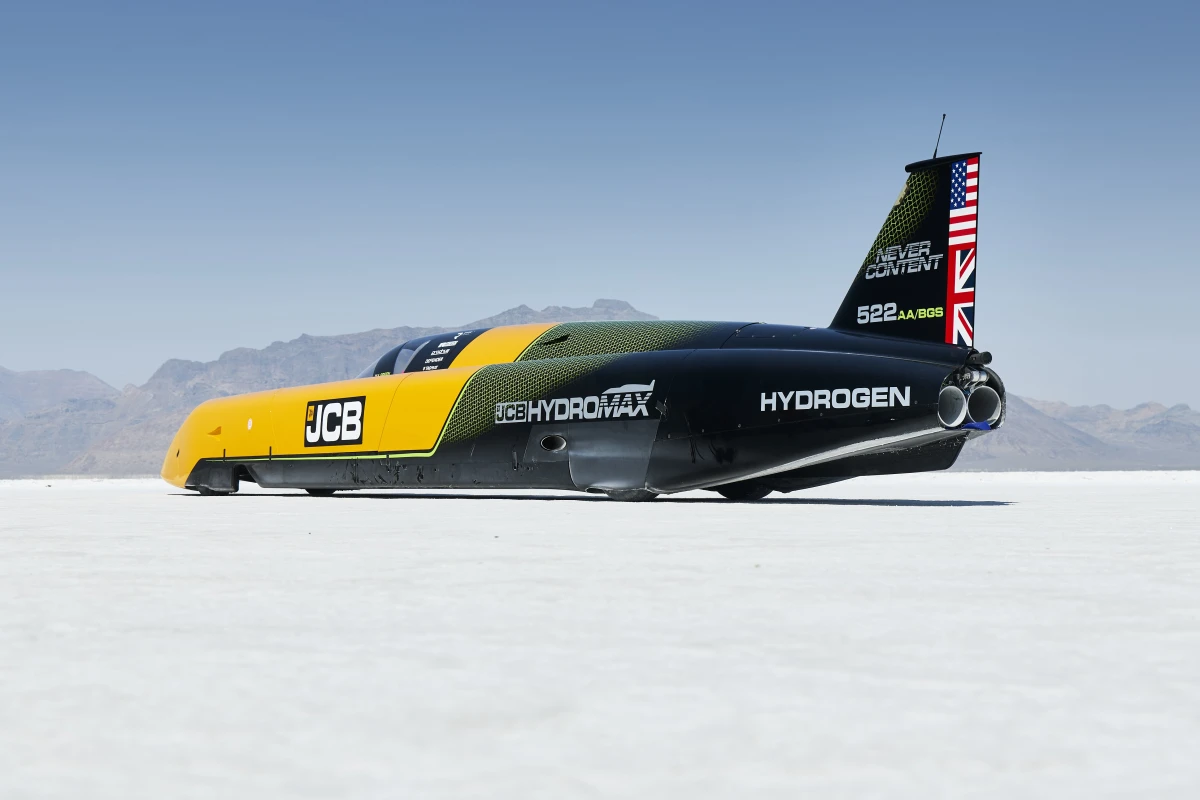
The JCB Hydromax hydrogen car has set a new world speed record among eco-friendly vehicles, reaching a top speed of 653.91 km/h on the Bonneville Salt Flats. This achievement demonstrates the potential of hydrogen engines for both mass production and extreme performance applications.
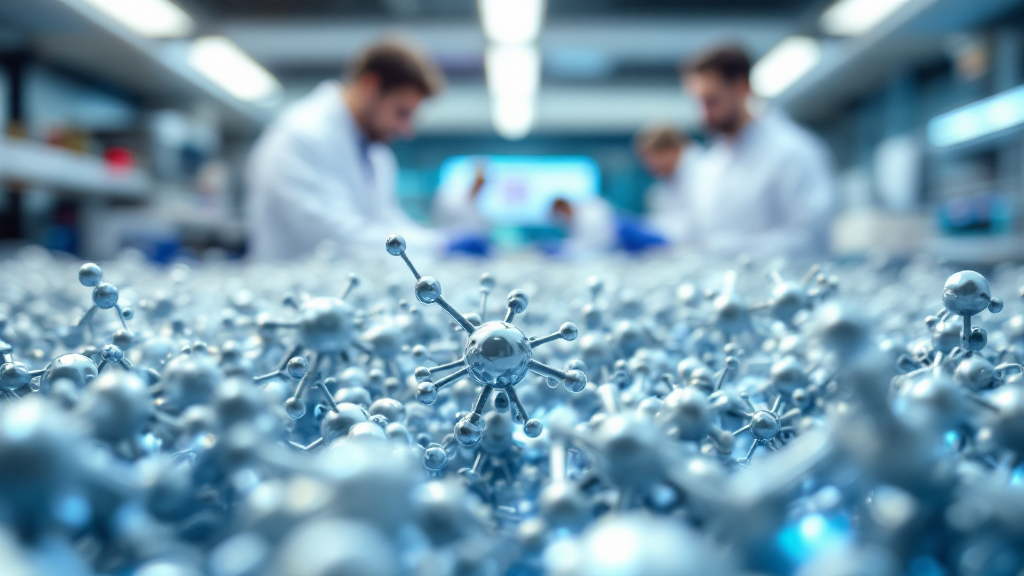
The rapid growth of data center energy consumption is driving the search for new solutions. Scientists have developed a carbon nanostructure that increases the efficiency and lifespan of fuel cells, which could help reduce the strain on the power grid.
Shell has appointed Felix Farber as Executive Vice President for Low-Carbon Solutions amid a reduction in green assets. He will be responsible for developing the company’s hydrogen, biofuel, and carbon capture initiatives.
Chinese scientists have developed a new catalyst for seawater electrolysis that maintains high efficiency for over 7,000 hours. This technology could simplify and reduce the cost of producing hydrogen from seawater.
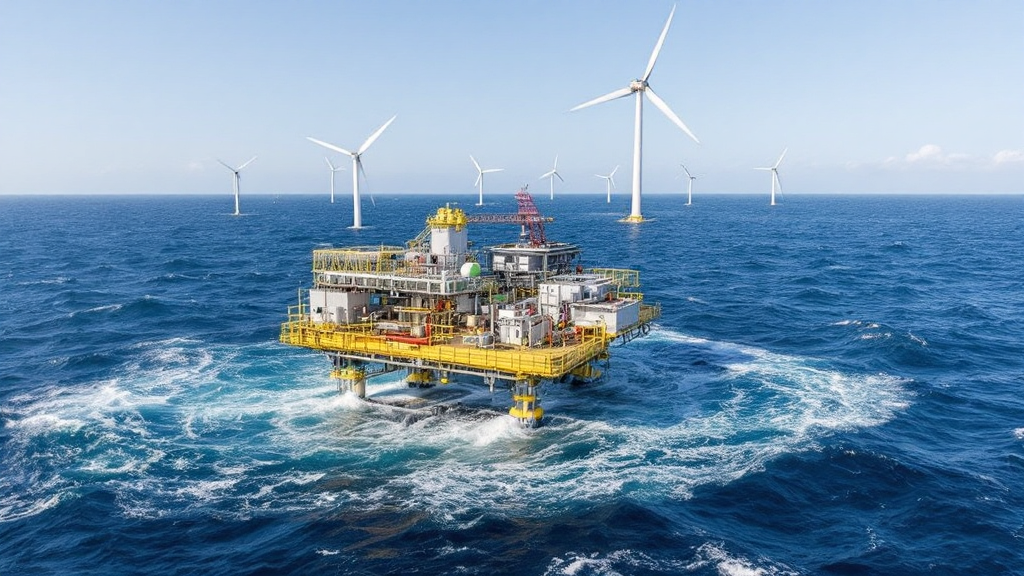
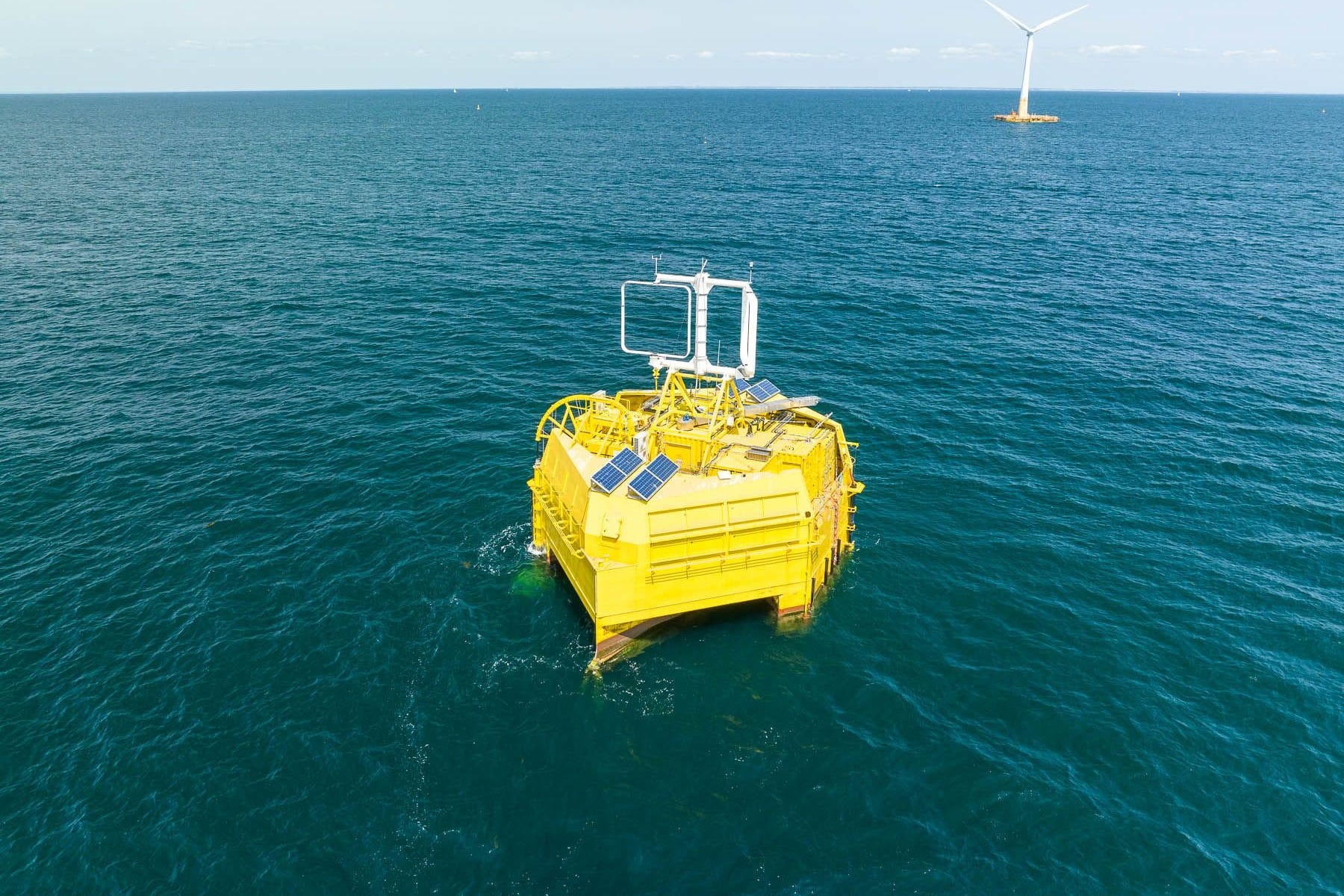
Green hydrogen has been produced for the first time on an offshore platform in the Dutch sector of the North Sea as part of the PosHYdon pilot project. The process uses wind energy and desalinated seawater, and the results of the experiment will be presented to the industry in the fall.
Clare Harris, who has over 25 years of experience in the energy sector and previously held senior positions at Shell, has been appointed CEO of Tree Energy Solutions. The company develops projects focused on sustainable gas production and the expansion of renewable energy infrastructure in Europe and North America.
American company Baker Hughes has raised its forecast for orders in the energy technology segment to more than $45 billion for 2026–2028, following a successful second quarter. The company notes an increase in profits, an expanded contract portfolio, and active growth in key business areas.
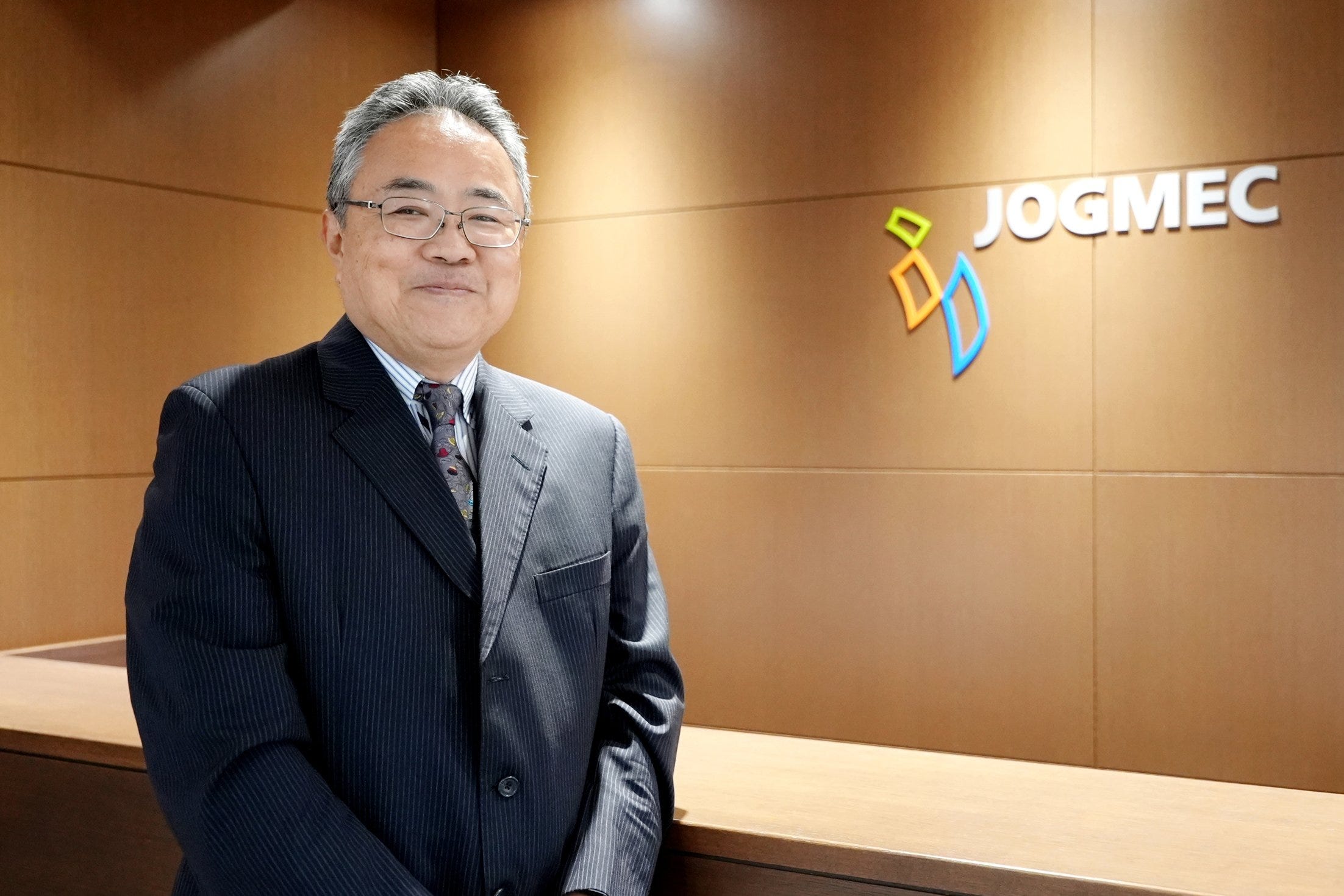
Against the backdrop of instability in Asia's energy sector, Japan is strengthening international cooperation and investment through the Jogmec agency to ensure stable energy supplies and to promote the development of alternative energy sources.
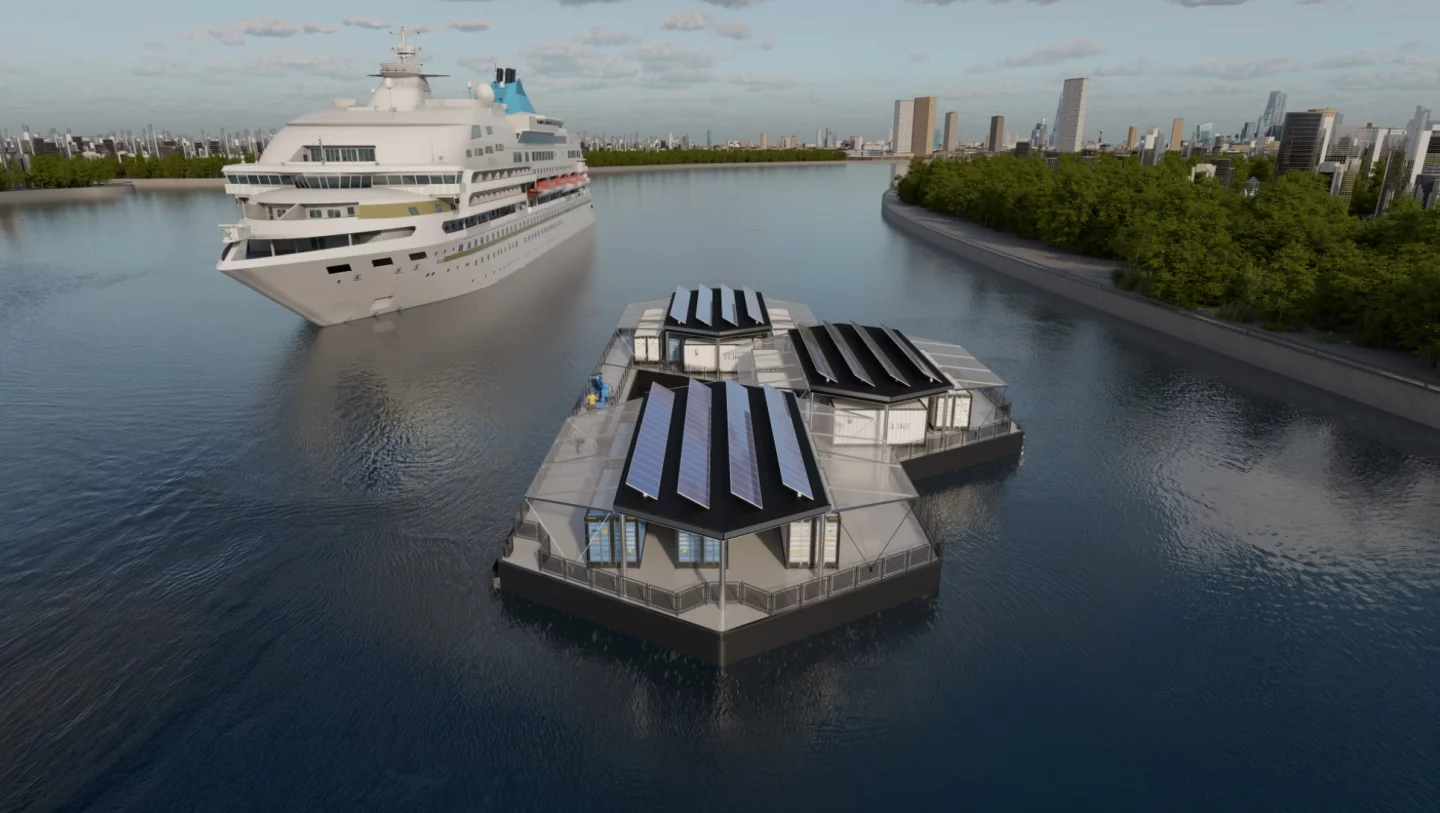
A British company has introduced a modular floating hydrogen platform that supplies ships with clean energy without the need to rebuild port infrastructure. This solution can reduce CO2 emissions by 77% compared to diesel generators, although it is more expensive than traditional energy sources.
French company Lhyfe has postponed the launch of its pilot offshore hydrogen production project in Belgium due to permitting challenges and is now seeking a new site, considering ports in Germany.
A new study reveals that the degradation of chemical bonds in electronic materials begins with quantum-mechanical processes triggered by individual electrons. These findings will help in developing more reliable electronic devices.
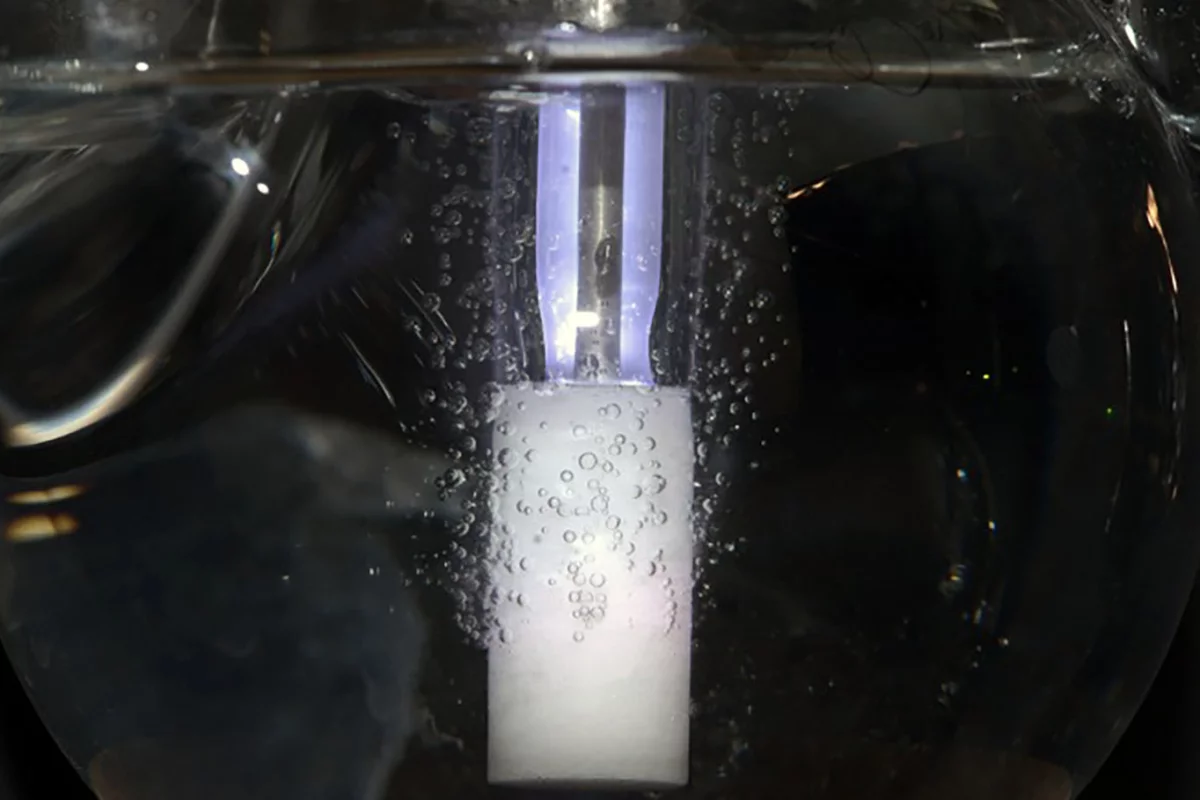
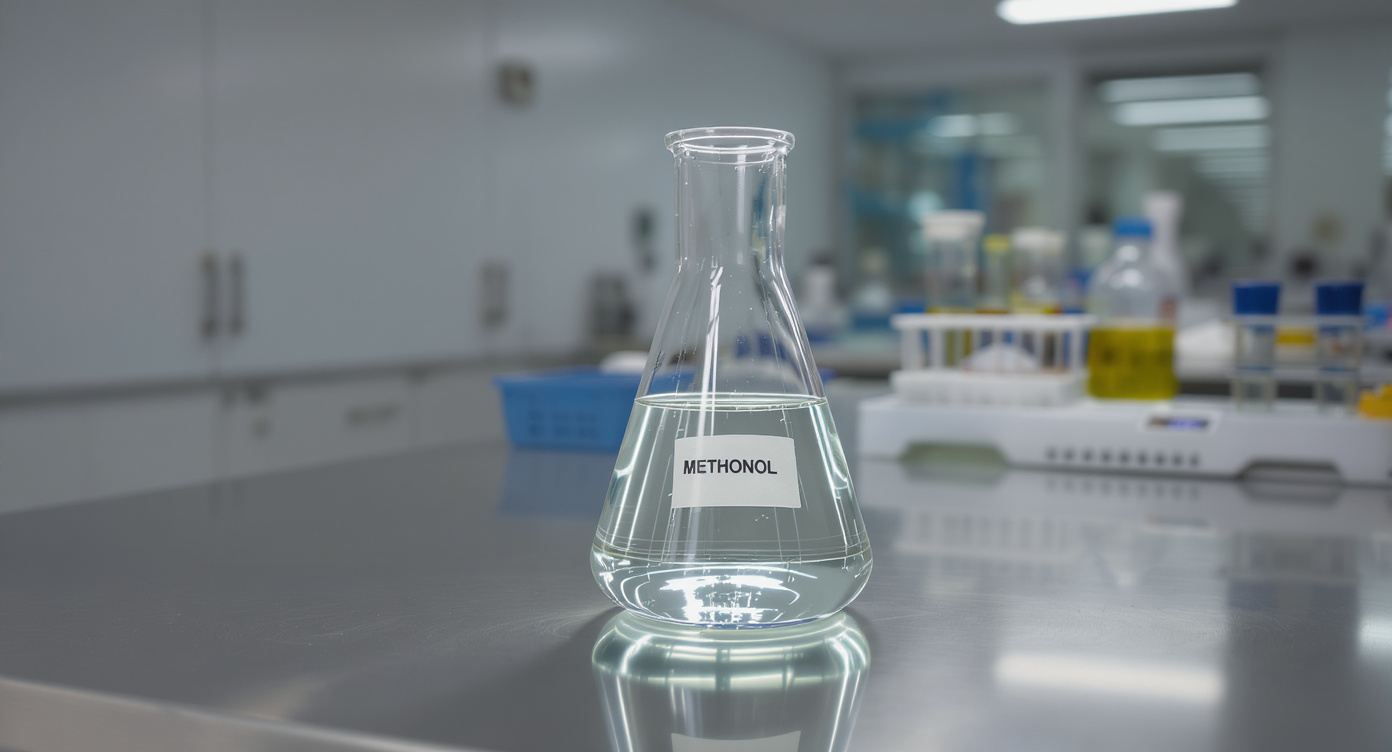
Scientists have developed a technology that uses plasma to efficiently convert methane into methanol without the need for high temperatures or pressure, reducing both energy consumption and the environmental impact of production. This new method could simplify the process of obtaining clean fuel directly at methane extraction sites.
Scientists at ETH Zurich have developed a catalyst based on individual indium atoms that significantly increases the efficiency of producing methanol from CO2 and hydrogen. This approach enables the efficient use of rare metals and supports the advancement of sustainable chemical production.


 Ingenium