Chinese scientists have developed a new catalyst for seawater electrolysis that maintains high efficiency for over 7,000 hours. This technology could simplify and reduce the cost of producing hydrogen from seawater.
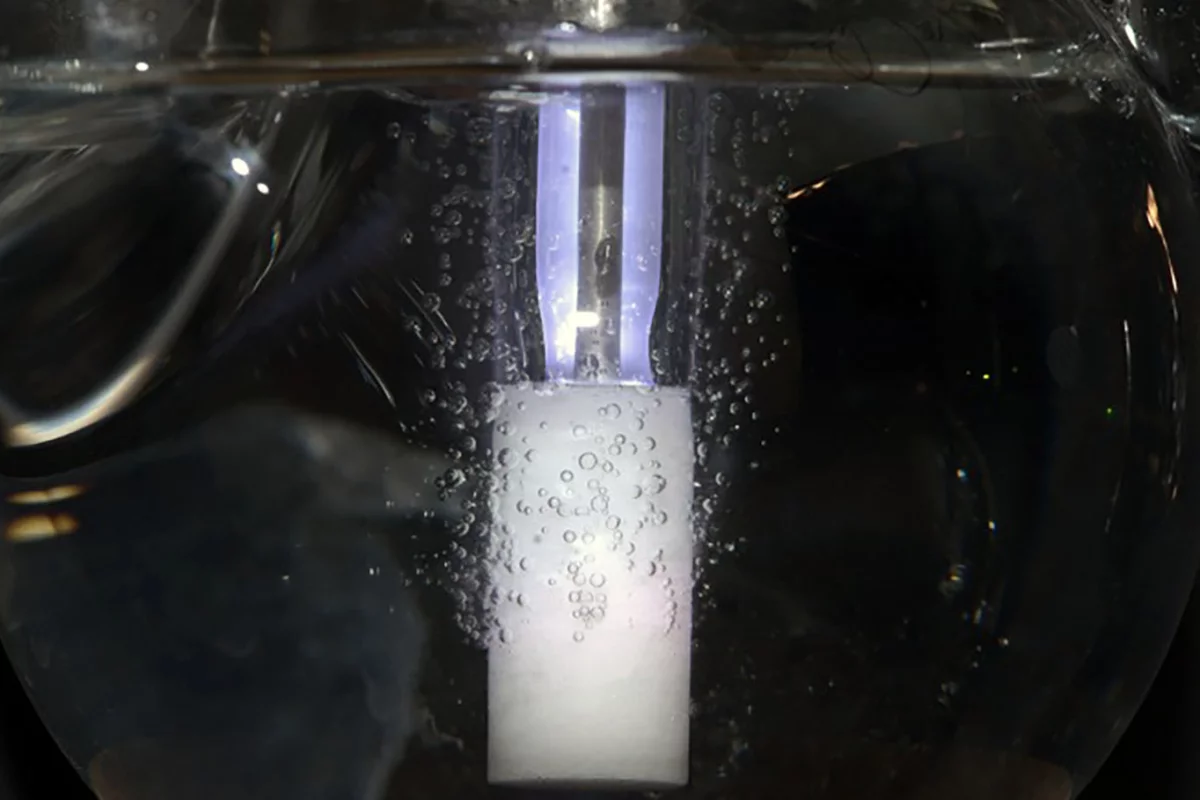
Scientists have developed a technology that uses plasma to efficiently convert methane into methanol without the need for high temperatures or pressure, reducing both energy consumption and the environmental impact of production. This new method could simplify the process of obtaining clean fuel directly at methane extraction sites.
Scientists at ETH Zurich have developed a catalyst based on individual indium atoms that significantly increases the efficiency of producing methanol from CO2 and hydrogen. This approach enables the efficient use of rare metals and supports the advancement of sustainable chemical production.
Scientists have developed a biofuel cell that uses glucose and riboflavin instead of expensive metals, making batteries more affordable and environmentally friendly. This new technology delivers record-breaking power and opens up promising opportunities for industrial applications.

 Vigor
Vigor