

Plasma converts methane into methanol without emissions
Scientists have developed a technology that uses plasma to efficiently convert methane into methanol without the need for high temperatures or pressure, reducing both energy consumption and the environmental impact of production. This new method could simplify the process of obtaining clean fuel directly at methane extraction sites.
Ingenium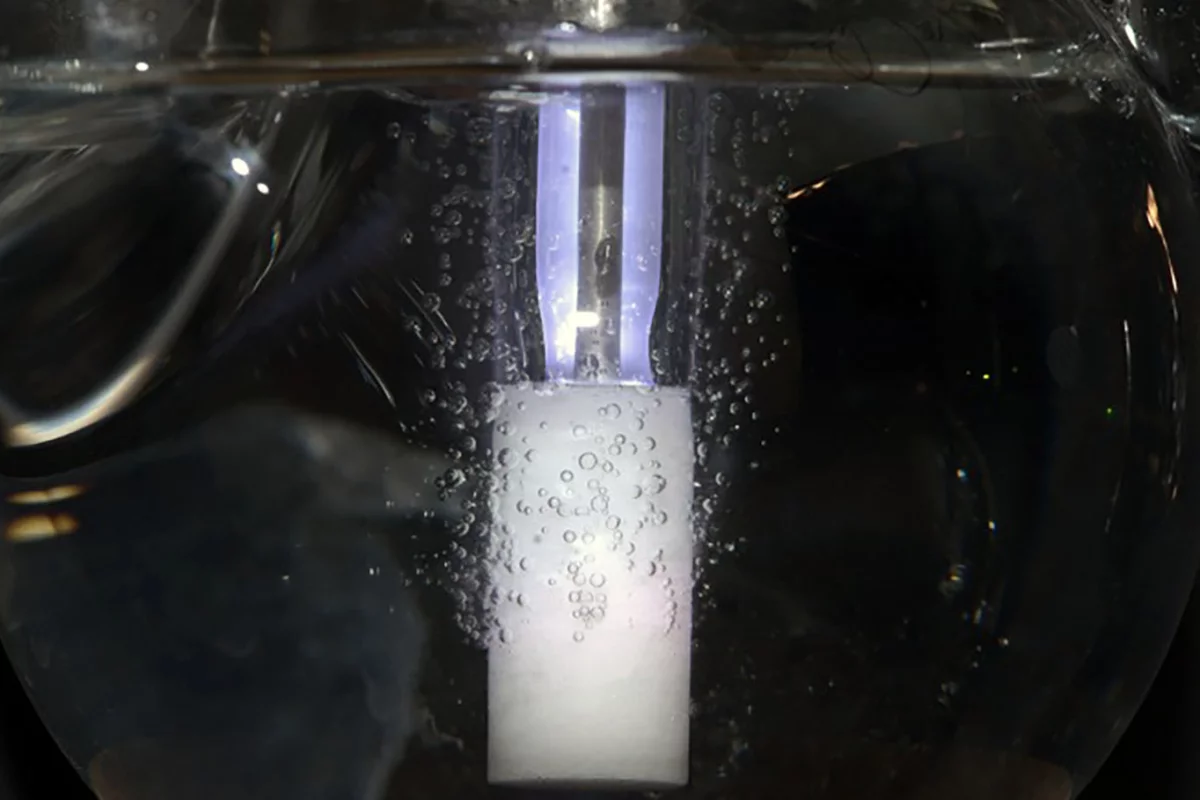
People often wonder about the possibility of "capturing lightning in a bottle" and what benefits it might bring. Researchers at Northwestern University have developed a technology that uses plasma—resembling lightning—to produce clean fuel, methanol, from methane. Traditionally, this process requires significant energy input, but the new method utilizes plasma inside glass tubes to convert methane into methanol with much lower energy consumption.
The Importance of Methanol
Methanol is widely used in both industry and everyday life. It is a key ingredient in the production of plastics, acids, and also serves as a fuel for vehicles, ships, and kitchen stoves. Additionally, methanol acts as an industrial solvent and is used in wastewater treatment.
Traditional Production Methods
Conventional methanol production is a complex, energy-intensive process that begins with breaking down methane at around 800 °C into carbon dioxide and hydrogen. These gases are then combined and catalyzed under pressures of 200–300 atmospheres to form methanol. This approach demands substantial resources to maintain high temperatures and pressures and results in the emission of carbon dioxide.
Challenges of the Traditional Approach
Methanol production requires extreme conditions to decompose methane, and the resulting methanol quickly breaks down into carbon dioxide. This creates an additional challenge: stopping the reaction at the right moment to preserve the methanol.
A New Plasma-Based Approach
To address these issues, a system was created where short electrical pulses generate plasma inside a reactor filled with water. Methane is introduced through a porous glass tube containing a copper oxide catalyst. When high-voltage pulses are applied, the gas briefly turns into plasma, forming reactive fragments from methane and water.
Mechanism and Advantages of the Technology
The resulting fragments rapidly recombine to form methanol, which is immediately absorbed by the surrounding water. This quick absorption allows the reaction to be stopped in time, preventing further breakdown of methanol into carbon dioxide—a major limitation of traditional methods.
To boost efficiency, argon is added to the system. In its plasma state, argon becomes reactive, helping to stabilize the reaction and reduce unwanted byproducts. As a result, the process achieves high selectivity for methanol and also produces useful byproducts like hydrogen and ethylene.
Application Prospects
This technology eliminates the need for extreme temperatures and pressures, reducing costs, energy consumption, and the environmental footprint of methanol production. The process is simplified: methane is converted to methanol in a single step with minimal byproducts.
Currently, the setup operates at a laboratory scale. If successfully scaled up, the technology could enable distributed systems capable of converting methane directly at extraction or leakage sites, turning this greenhouse gas into a valuable industrial product.
The research team continues to optimize the system and explore effective methods for extracting and purifying methanol as the final product. The study was published in the Journal of the American Chemical Society.