 Ingenium
Technologies and engineering · Renewable EnergyTechnologies and engineering · Internet of ThingsEnergy and resources · Renewable Energy
Microbial batteries: an eco-friendly power source for soil sensors
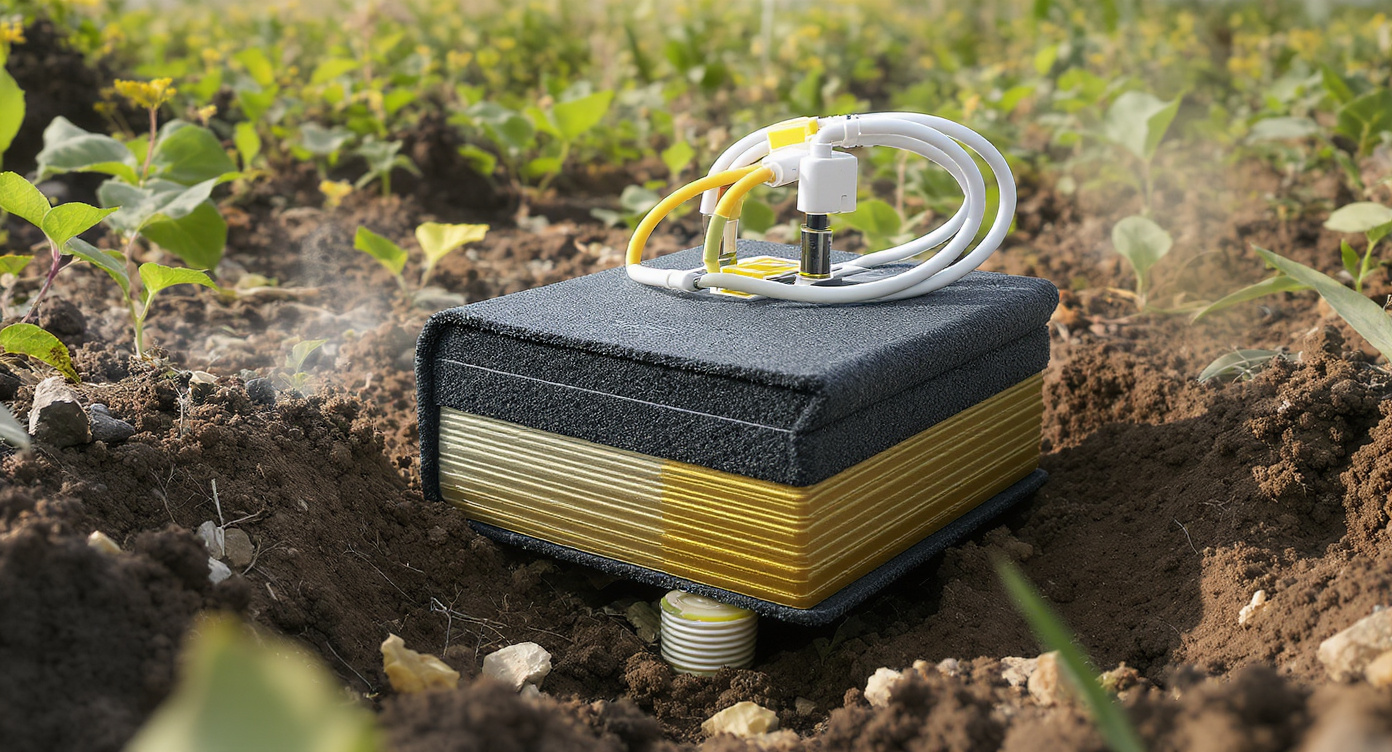
Researchers have developed a fuel cell that generates electricity using soil microbes, providing an eco-friendly way to power underground sensors for agriculture and environmental monitoring. This new technology operates in various conditions and could serve as an alternative to traditional batteries, helping to reduce electronic waste.
0 —