A study of wintering at an Antarctic station revealed that constant close contact within a small group does not always improve relationships and can actually increase stress. These findings are important for preparing future space missions and other extreme environments.
Swedish biologists have discovered that nightingales cross deserts exclusively at night, without feeding and relying on fat reserves accumulated in advance. This strategy helps the birds avoid overheating and predators.
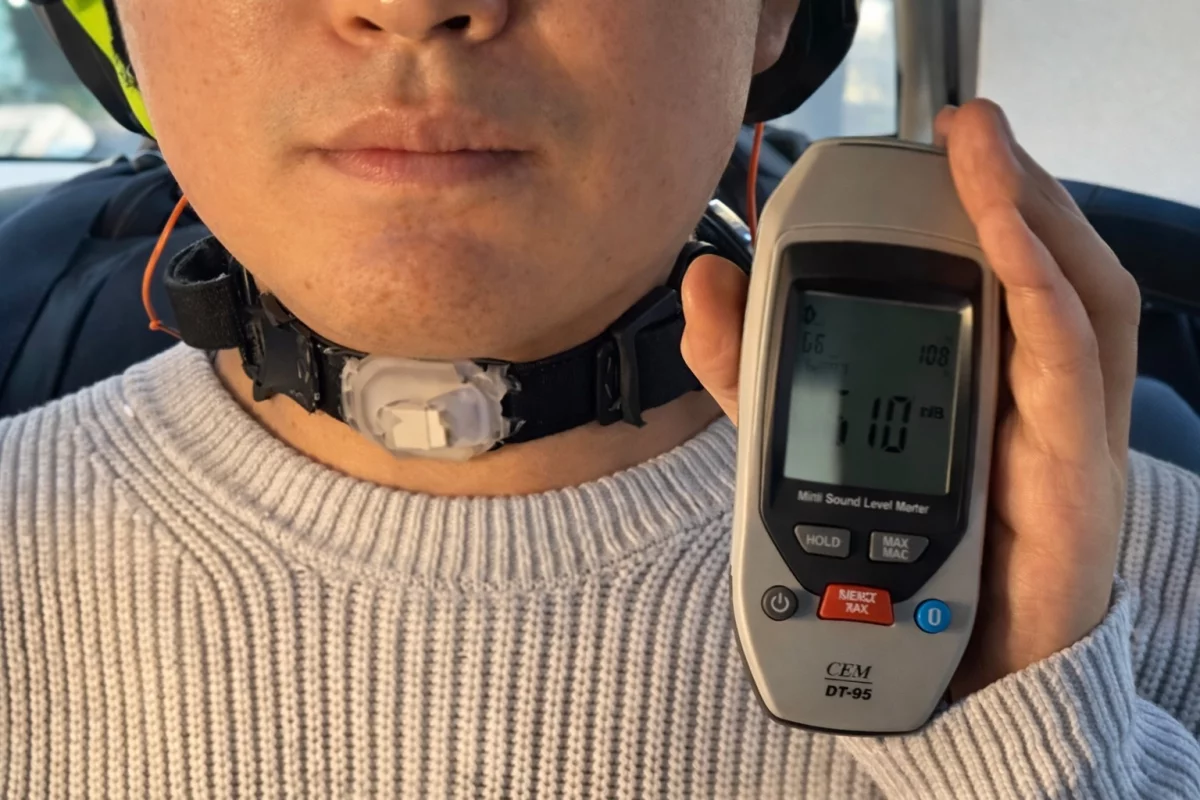
South Korean researchers have developed a silicone collar that detects neck movements when words are mouthed silently and, using AI, converts them into speech that closely resembles the user's own voice. This technology could be used in medicine and in extremely noisy environments where traditional microphones are ineffective.
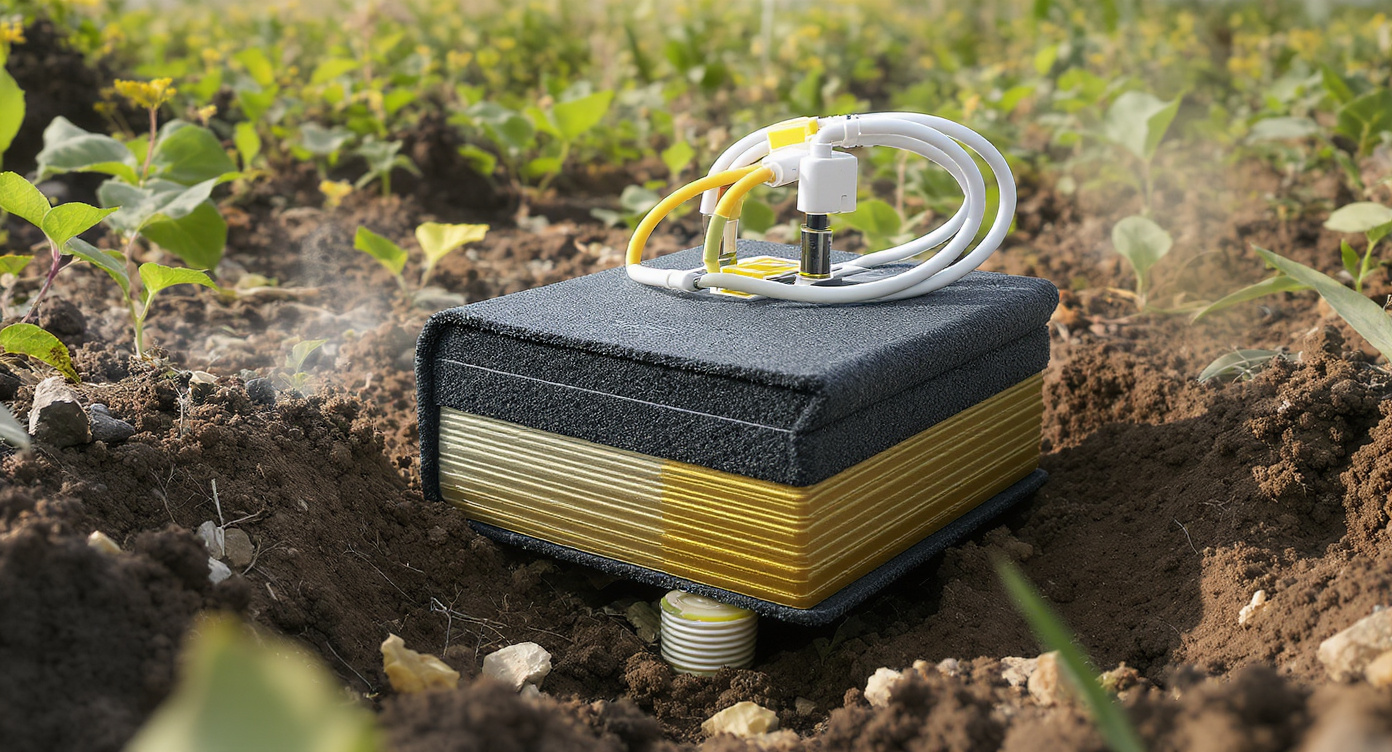
Researchers have developed a fuel cell that generates electricity using soil microbes, providing an eco-friendly way to power underground sensors for agriculture and environmental monitoring. This new technology operates in various conditions and could serve as an alternative to traditional batteries, helping to reduce electronic waste.
Japanese scientists have, for the first time, demonstrated that weak magnetic fields can alter the direction of currents in unique kagome metals, amplifying electrical switching by a factor of 100. This discovery could pave the way for the development of new types of magnetic devices and highly sensitive sensors.


 Cursus