A new study has found that in most songbird species, males tend to live longer than females, especially among migratory species. Researchers link these differences to physical exertion and social dominance.
A new study has shown that masturbation in birds is a natural evolutionary mechanism for reducing hormonal tension, especially in species without permanent mates. Human intervention or attempts to suppress this behavior are not recommended.
A new study has shown that approval from others accelerates speech development in infants and singing in birds. Social feedback helps foster faster and more coherent communication.
A new study has found that birds tend to fly away sooner when approached by women than by men, regardless of country or species. Scientists are now discussing possible reasons for this behavior.
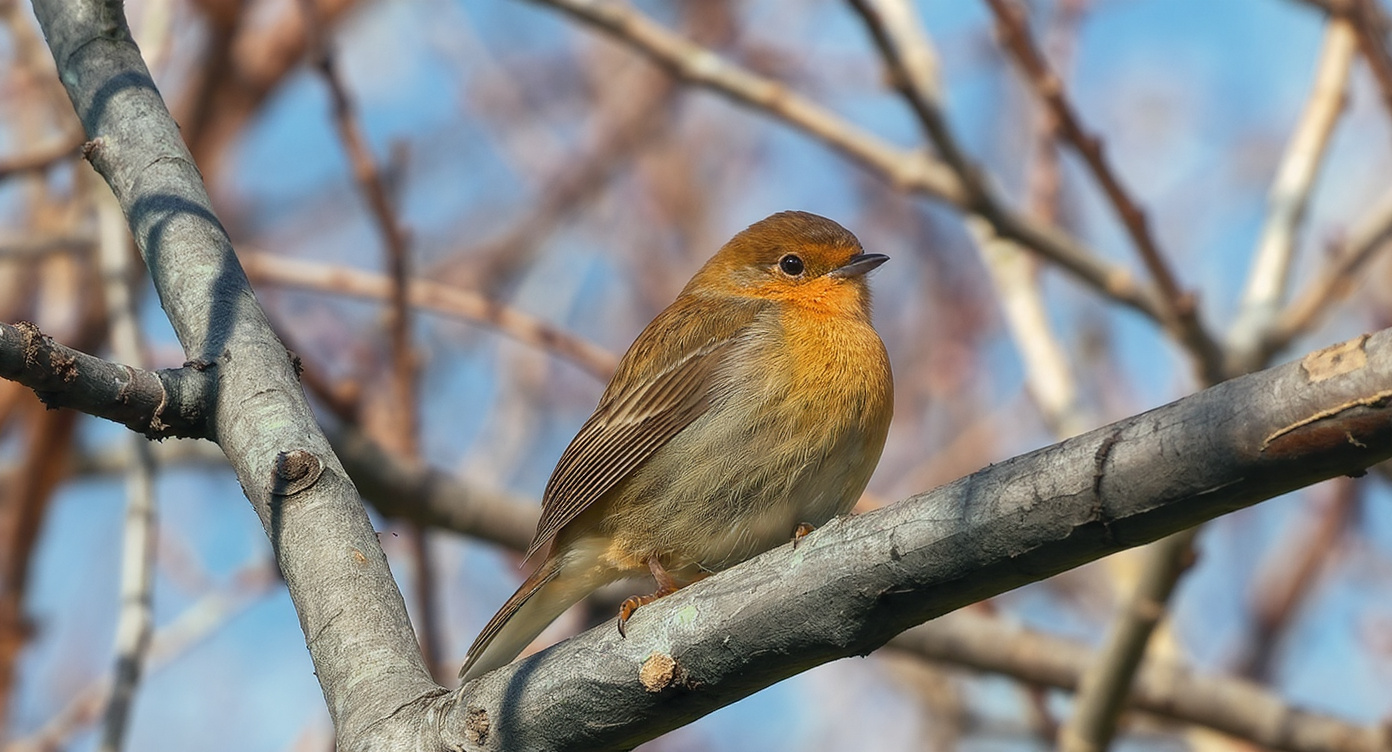
Swedish biologists have discovered that nightingales cross deserts exclusively at night, without feeding and relying on fat reserves accumulated in advance. This strategy helps the birds avoid overheating and predators.
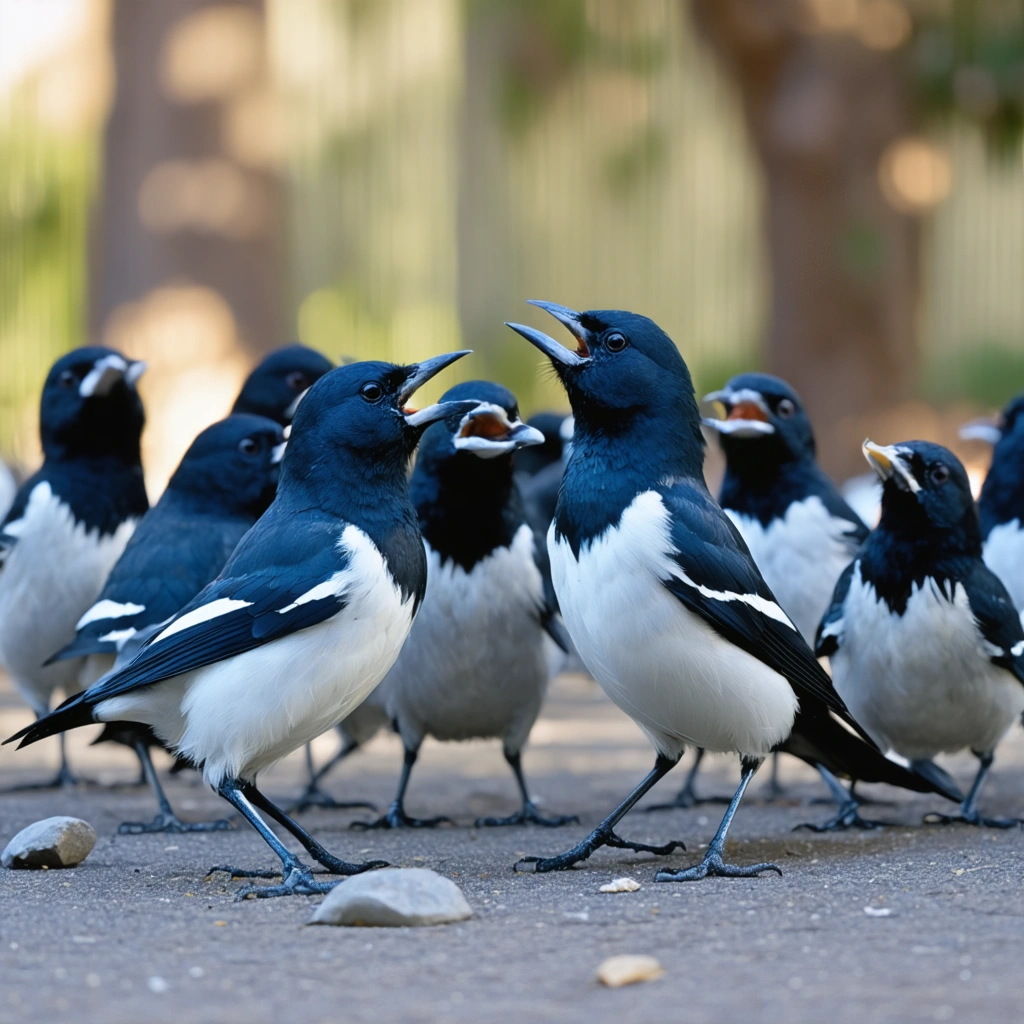
A new study has shown that close social bonds among Western Australian magpies accelerate their learning of complex vocal combinations, while a wider social circle helps them develop a more diverse vocal repertoire. Social activity has been identified as a key factor in the development of communication skills in birds.
Platypuses have acquired yet another unique feature: their fur contains hollow spherical melanosomes, a type previously unseen in any other vertebrate. This discovery highlights the extraordinary nature of platypuses and, in several ways, brings them closer to birds.
A large-scale study found that people often prefer the same mating signals in animals that attract females in nature. Aesthetic preferences for sounds are shaped by similar biological principles across different species.
In various countries, birds have started using cigarette butts to build their nests as a way to protect themselves from parasites. However, by doing so, they are also exposed to harmful substances, which can have a negative impact on their health.
A new study has shown that birds, by providing sandy islands with organic fertilizers, help promote the growth of plants that strengthen shorelines and protect them from erosion. This effect is especially important in the context of rising sea levels.
The experiment showed that male zebra finches can maintain their individual color preferences when building nests, even if most of their peers choose a different color. The key factor is the balance between personal preferences and the influence of the group.
A new study has shown that native tree species, such as oaks, are especially important for the successful breeding of urban birds, as they provide a rich food source. Planting native trees helps support biodiversity and maintain the health of urban ecosystems.
Biologists have discovered that the reddish pigment pheomelanin in birds serves an important protective function, helping the body safely eliminate excess toxic cysteine through their feathers. This finding explains why evolution has preserved this mechanism despite its association with an increased risk of melanoma.
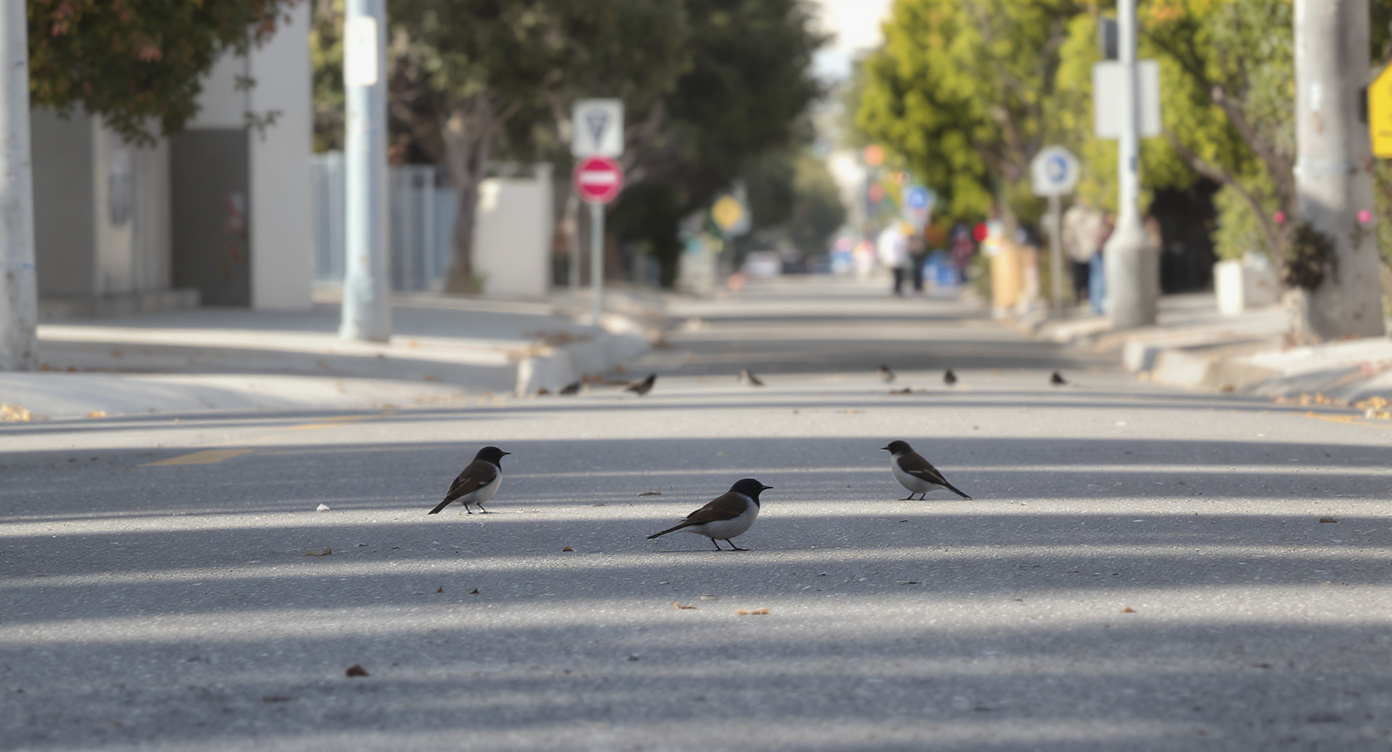
During the lockdown in Los Angeles, city birds quickly changed the shape of their beaks due to reduced human activity and food availability. Once people returned, these changes disappeared. The study demonstrates how rapidly urban wildlife can respond to shifts in their environment.
At the Yunlu Wetland Museum, the architecture blends seamlessly with nature, never overpowering the landscape. The building combines exhibition spaces with a birdwatching tower, inviting visitors to engage more deeply with their surroundings.

 Cursus