

Birds fly away more quickly when approached by women.
A new study has found that birds tend to fly away sooner when approached by women than by men, regardless of country or species. Scientists are now discussing possible reasons for this behavior.
Cursus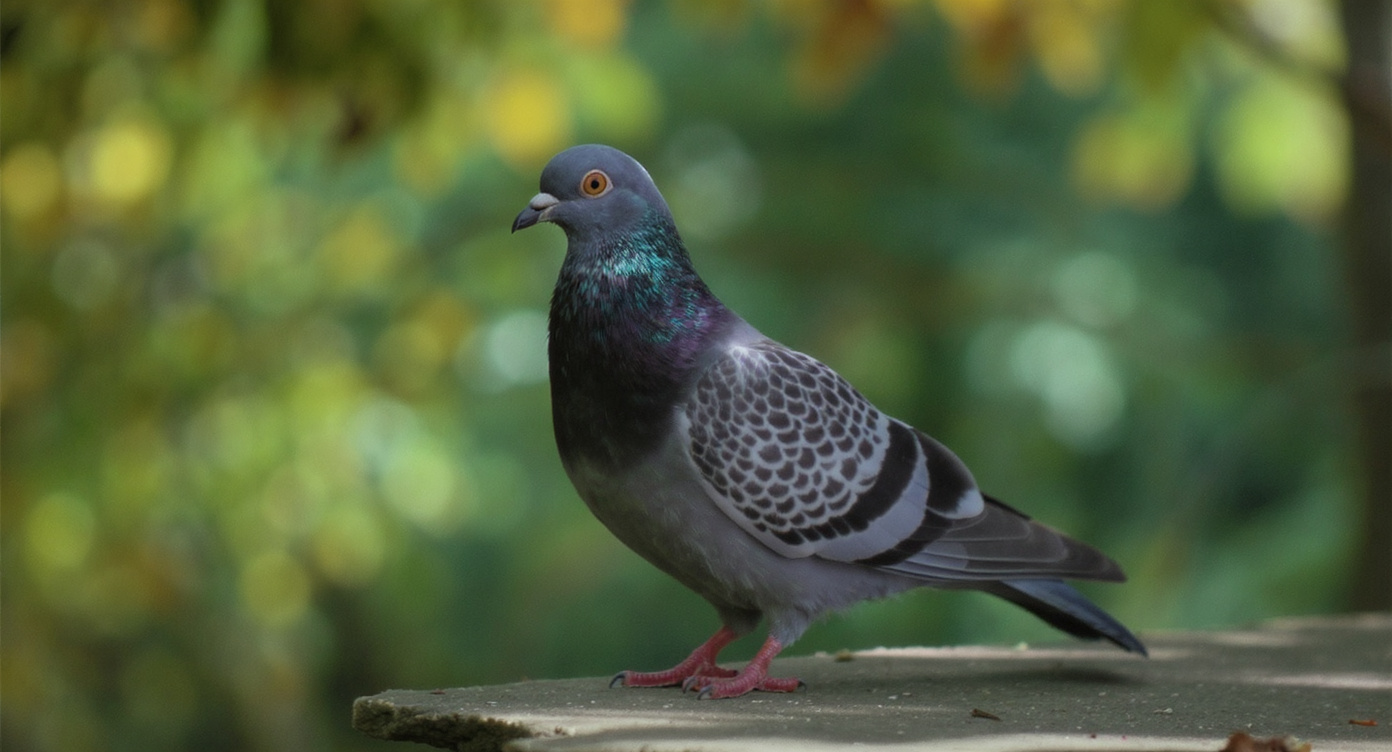
Behavioral experiments with wild animals often encounter challenges due to subtle features of their appearance or behavior that may go unnoticed by researchers. A large-scale study conducted in parks across five European countries revealed that birds are able to distinguish the gender of an approaching human and adjust their reactions accordingly.
The Influence of Observer Gender on Bird Behavior
The way animals respond to humans depends on many factors, including behavior, clothing, and scent. However, the impact of such a fundamental trait as the observer's gender on the behavior of wild animals in their natural environment has long remained largely unexplored. At the same time, laboratory experiments have repeatedly shown that animals, including rodents and primates, react differently to men and women.
Experiment Procedure
The study was carried out in cities in the Czech Republic, France, Germany, Spain, and Poland. For the observations, pairs of observers—a man and a woman—were selected with similar height, dressed in neutral clothing, and with long hair tied back. Before starting, calibration was performed to ensure both observers estimated distances equally accurately by eye. During the experiment, the flight initiation distance was recorded—the distance at which a bird, noticing an approaching person, decided to fly away or flee. A longer distance indicates greater caution, while a shorter distance suggests boldness and a higher willingness to take risks.
In total, more than 2,500 observations were collected and analyzed, covering 37 bird species, from rock pigeons and blackbirds to jays and woodpeckers.
Main Findings
Contrary to the common belief that birds should be more wary of men, the study found the opposite trend. When approached by a woman, birds took flight about a meter earlier than when approached by a man. This effect was observed in all cities and countries, and was seen in both male and female birds.
It was also confirmed that male birds tend to be bolder, allowing humans to come closer than females. The initial distance between the observer and the bird also significantly influenced the flight initiation distance: the greater the starting distance, the earlier the bird would fly away, perceiving a prolonged approach as a more serious threat. The presence of nearby bushes reduced the flight distance, giving birds a sense of nearby shelter.
Possible Explanations
Researchers suggest that birds may have developed an inherited avoidance response to women, since in ancient societies, women may have participated in hunting small game, including birds, more often than commonly assumed. Another theory relates to subtle cues not accounted for in the experiment, such as micro-movements, gait characteristics, or chemical signals. Although birds are traditionally considered visually oriented creatures, recent years have brought increasing evidence of the important role of smell in their lives, including in avoiding predators.