A new study has shown that glyphosate reduces foraging activity in honey bees and may disrupt the chemical balance in their brains. This could negatively affect hive health and highlights the need for further research.
The article explains how a leader’s everyday habits and subtle behaviors shape team culture and influence perceptions of leadership. Even simple words and gestures can set an example for others to follow and help strengthen team spirit.
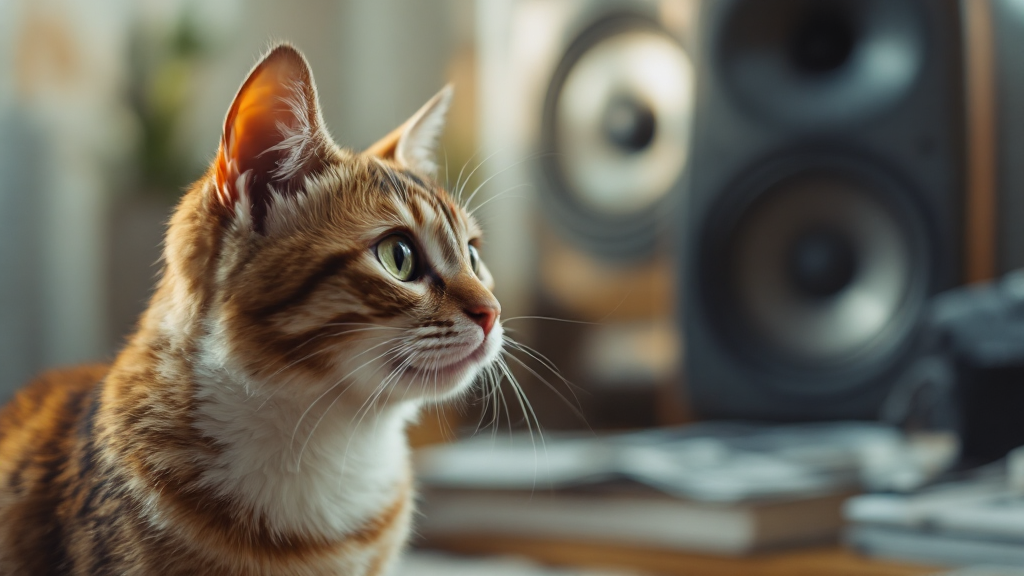
A study has shown that cats can perceive the emotional tone of human speech, but they are unable to distinguish specific emotions based solely on voice. To accurately understand a person's mood, they likely also need visual cues.
A new study has shown that parental care in animals is based on ancient neural mechanisms related to hunger control. Evolution has repurposed existing feeding regulation systems to shape parental behavior.
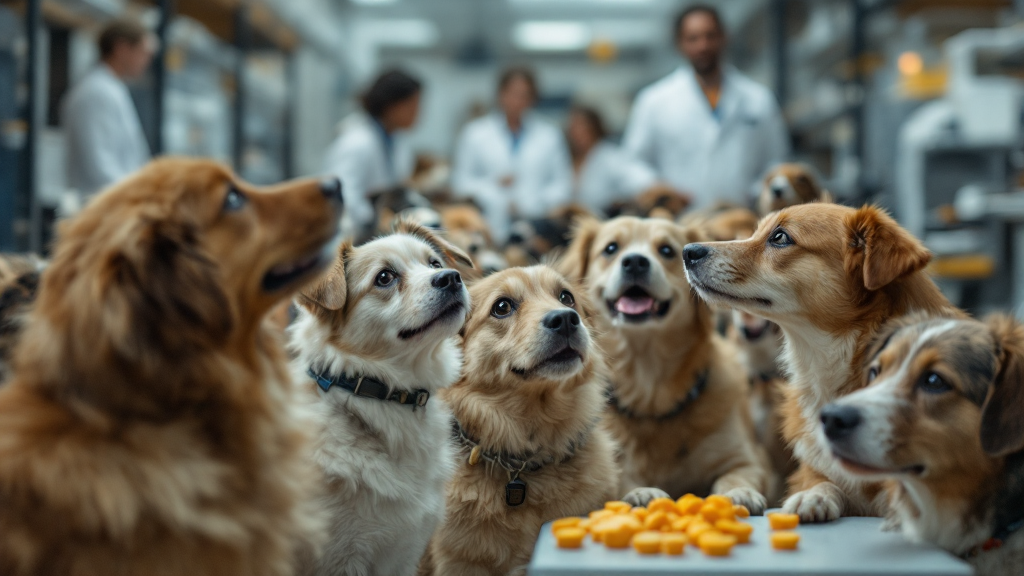
The experiment showed that dogs are more likely to help people in order to receive a treat, rather than out of altruistic motives. The presence of the owner or a stranger had little effect on their behavior.
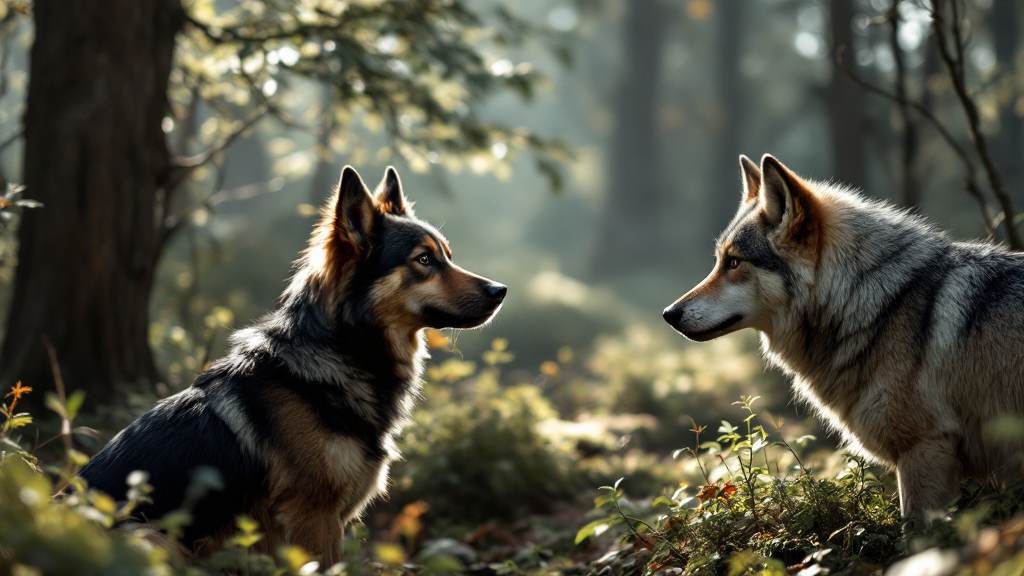
A new study has shown that both dogs and wolves are able to detect the scent of human fear, and their reactions to it are similar. This suggests that such sensitivity has ancient origins, likely developing in the common ancestor of these species.
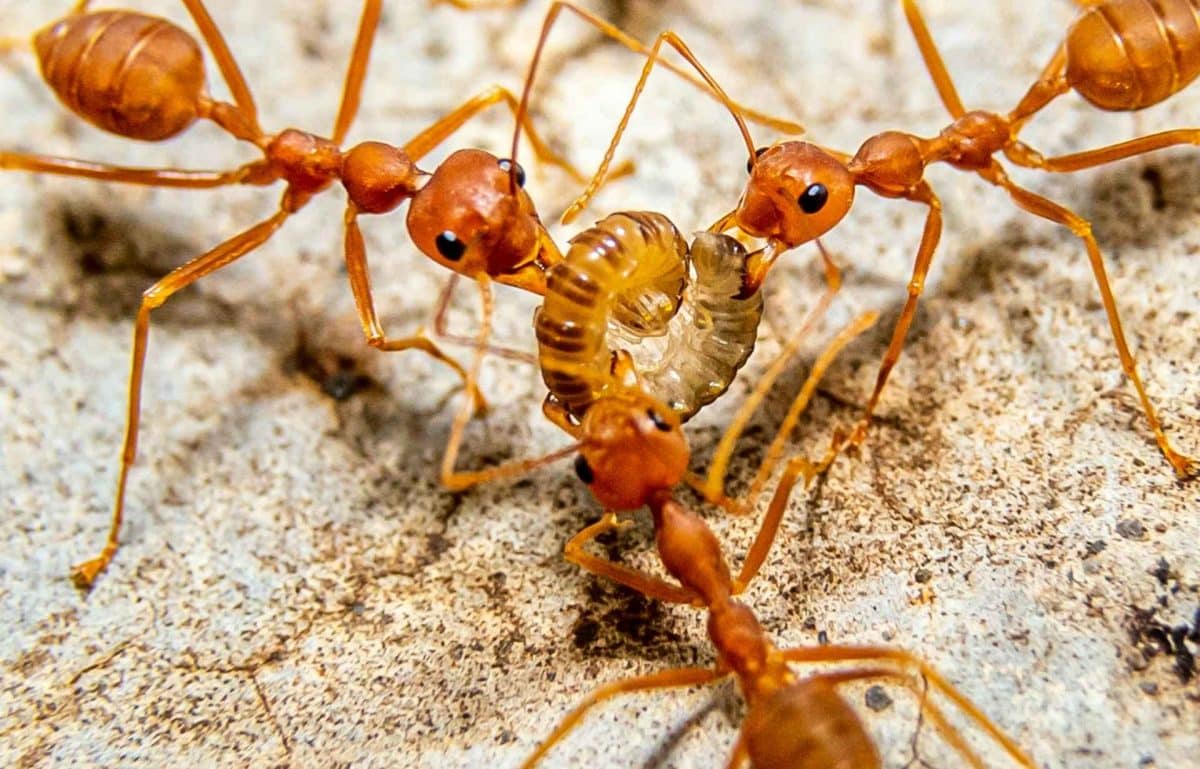
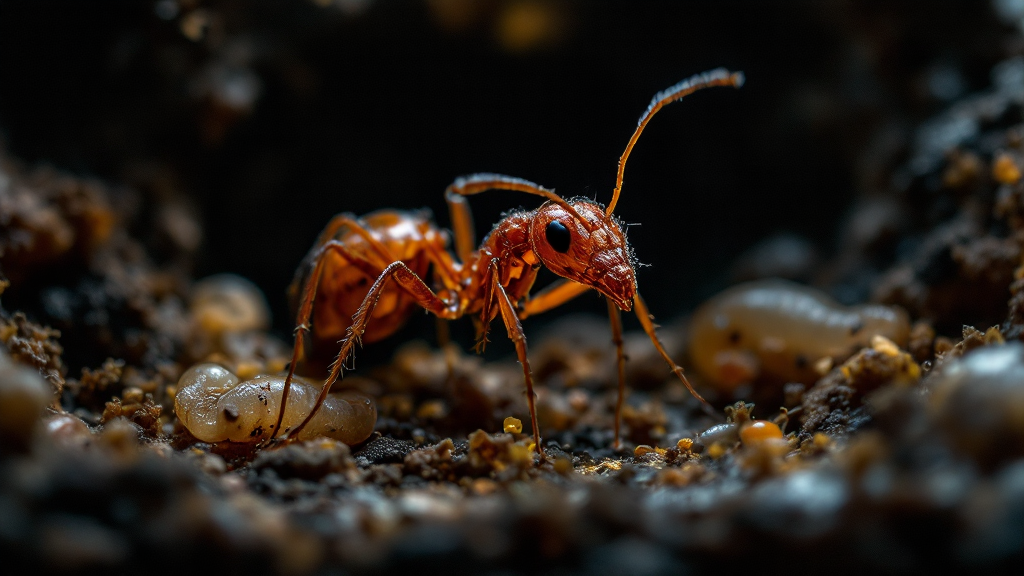
A study has shown that the parasitic worm Anomotaenia brevis alters gene activity in ants, affecting their behavior and lifespan. Instead of mimicking the host's hormones, the parasite manipulates existing genetic mechanisms that control aging and social activity.
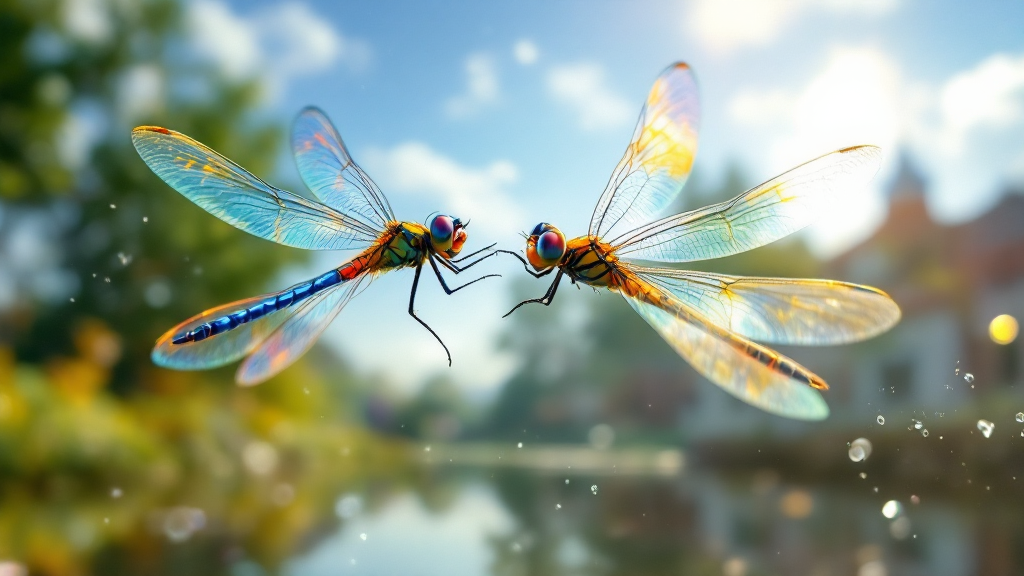
A new study has shown that aerial battles between male dragonflies resemble fighter jet maneuvers: they strive to gain advantageous positions, avoid collisions, and perform complex aerobatic moves. Interestingly, their behavior is guided by simple navigational rules rather than intelligence.
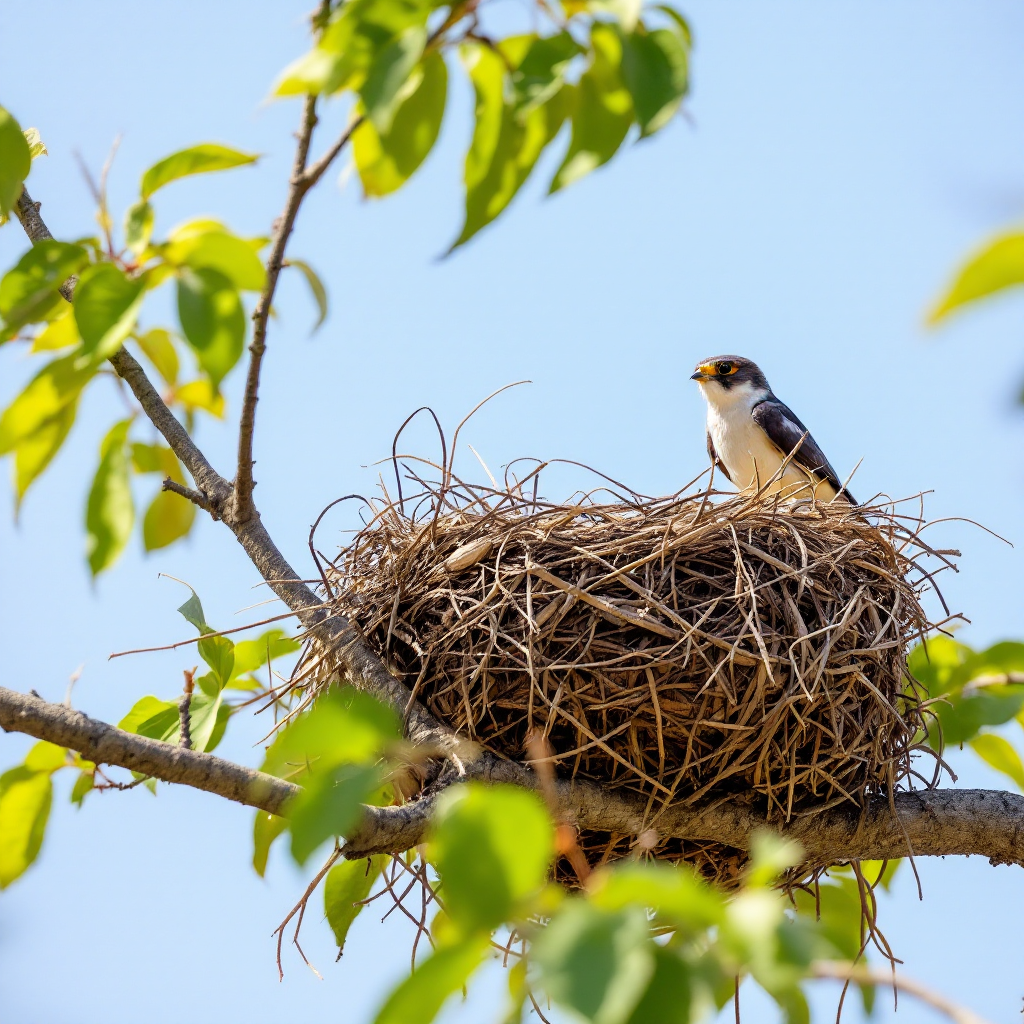
For the first time, researchers have used GPS trackers to study the behavior of the African pygmy falcon—the smallest diurnal predator in Africa. The study revealed that, to feed its chicks, this bird requires a territory almost 14 times smaller than that of its closest relatives.
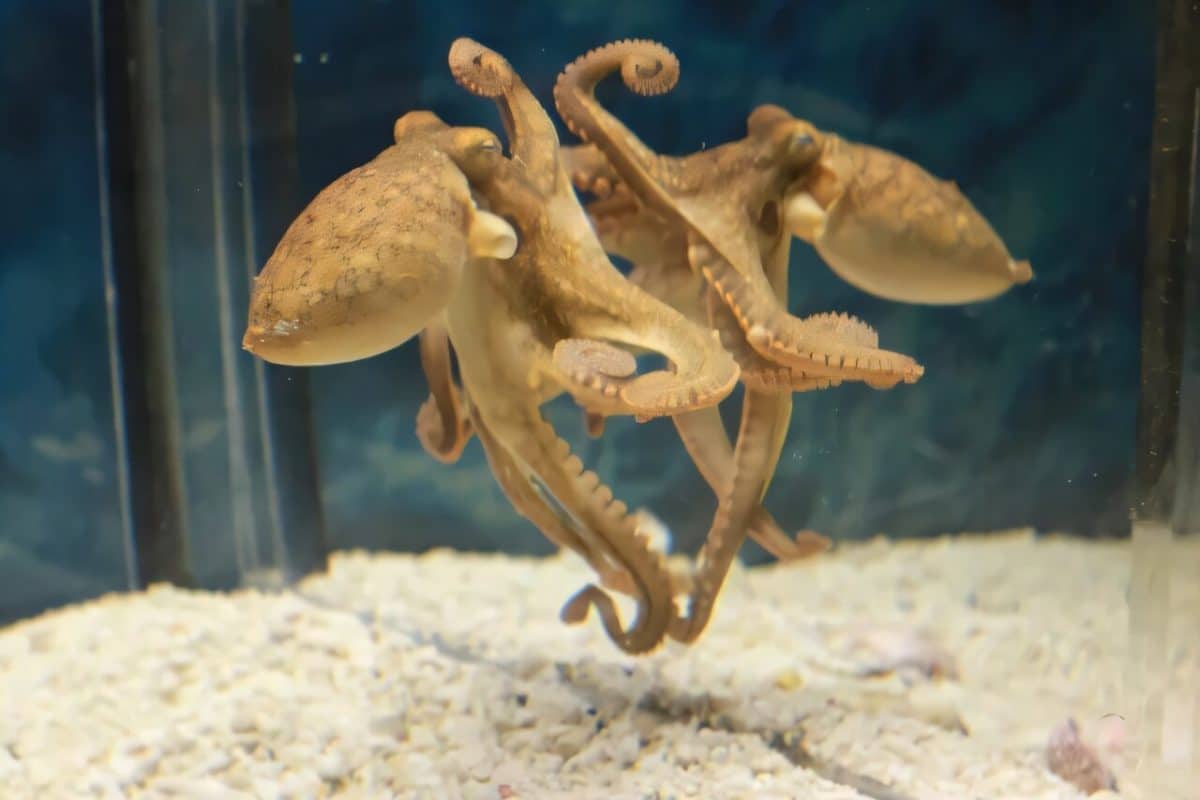
A new study has shown that octopuses are capable of using mirror reflections to locate prey outside their field of vision—something previously thought possible only for mammals and birds. The experiment confirmed the advanced cognitive abilities of these cephalopod mollusks.
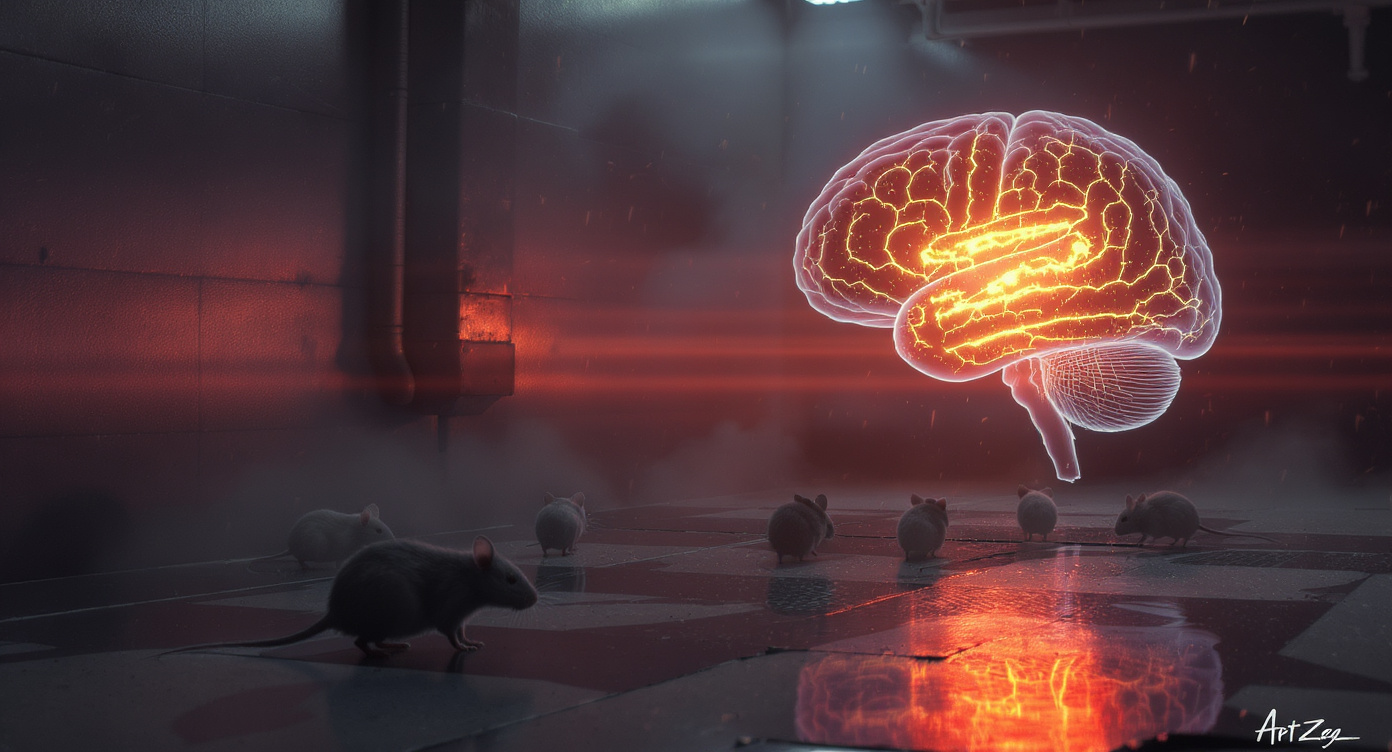
Scientists have identified a specific neural circuit in the brain that plays a key role in anxiety and social isolation. Restoring balance in this circuit in mice reduced symptoms of anxious and depressive behavior, opening up new possibilities for the treatment of affective disorders.
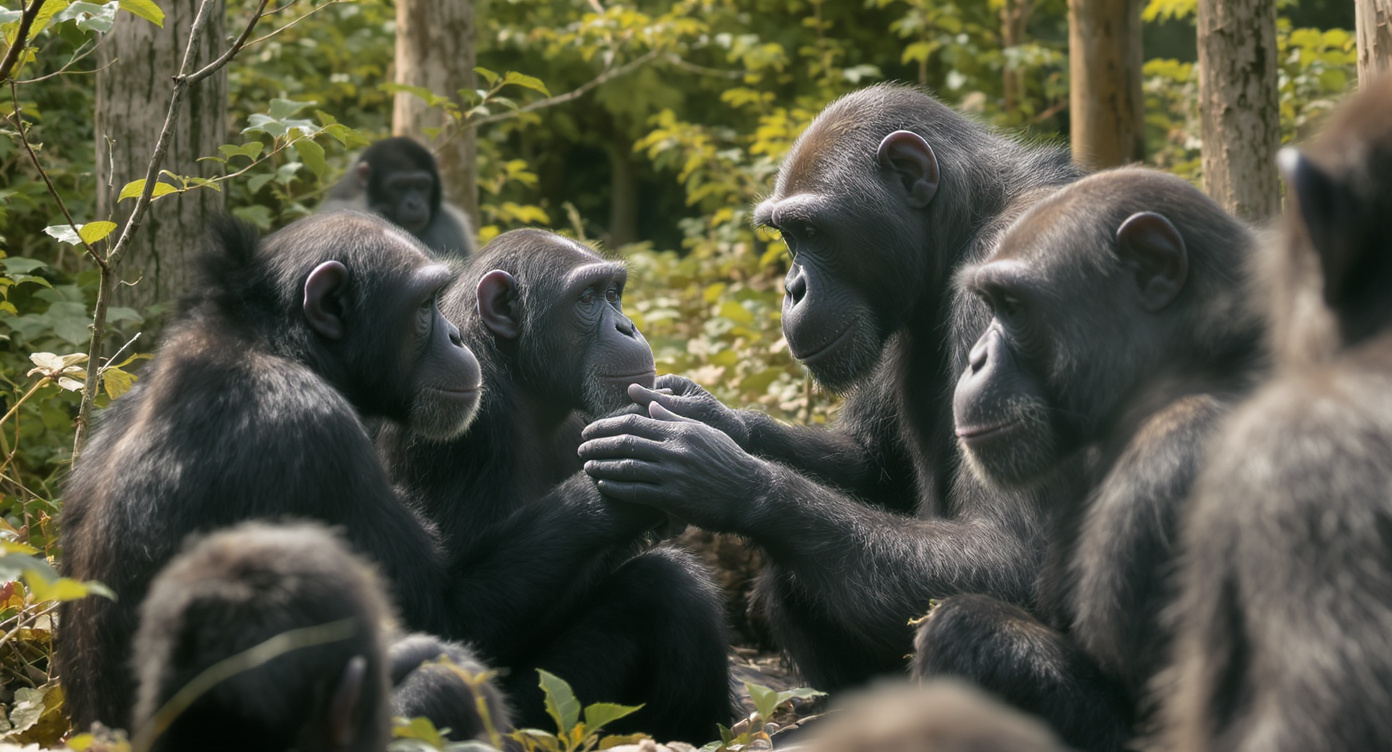
The study revealed that chimpanzees and bonobos form social bonds based on the same principles as humans, distinguishing between close companions and acquaintances. This pattern of social organization emerged long before humans appeared and reflects an ancient evolutionary mechanism for optimally distributing attention and resources.
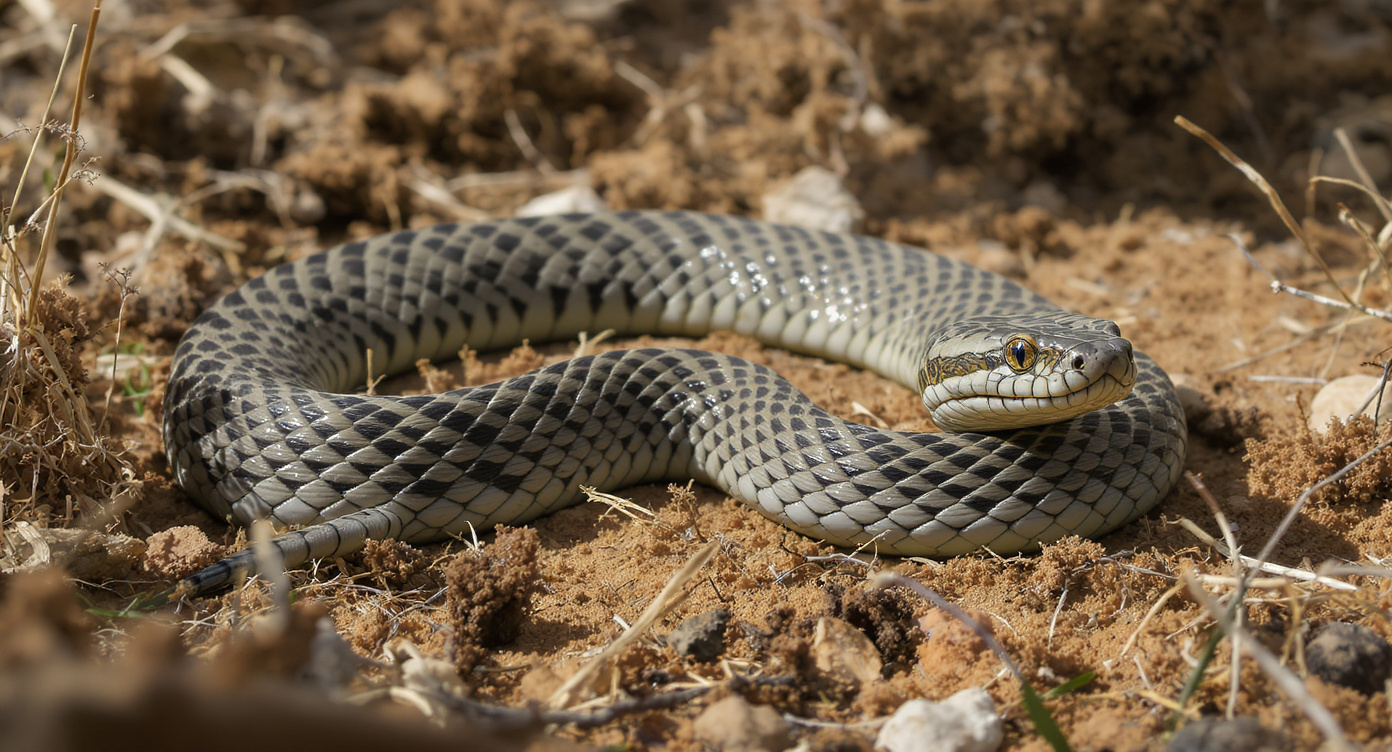
Using a robotic model of a rattlesnake, scientists have discovered that the fear of its rattle among animals living near snakes is innate. This sound serves as an effective warning signal that is hardwired at the genetic level.
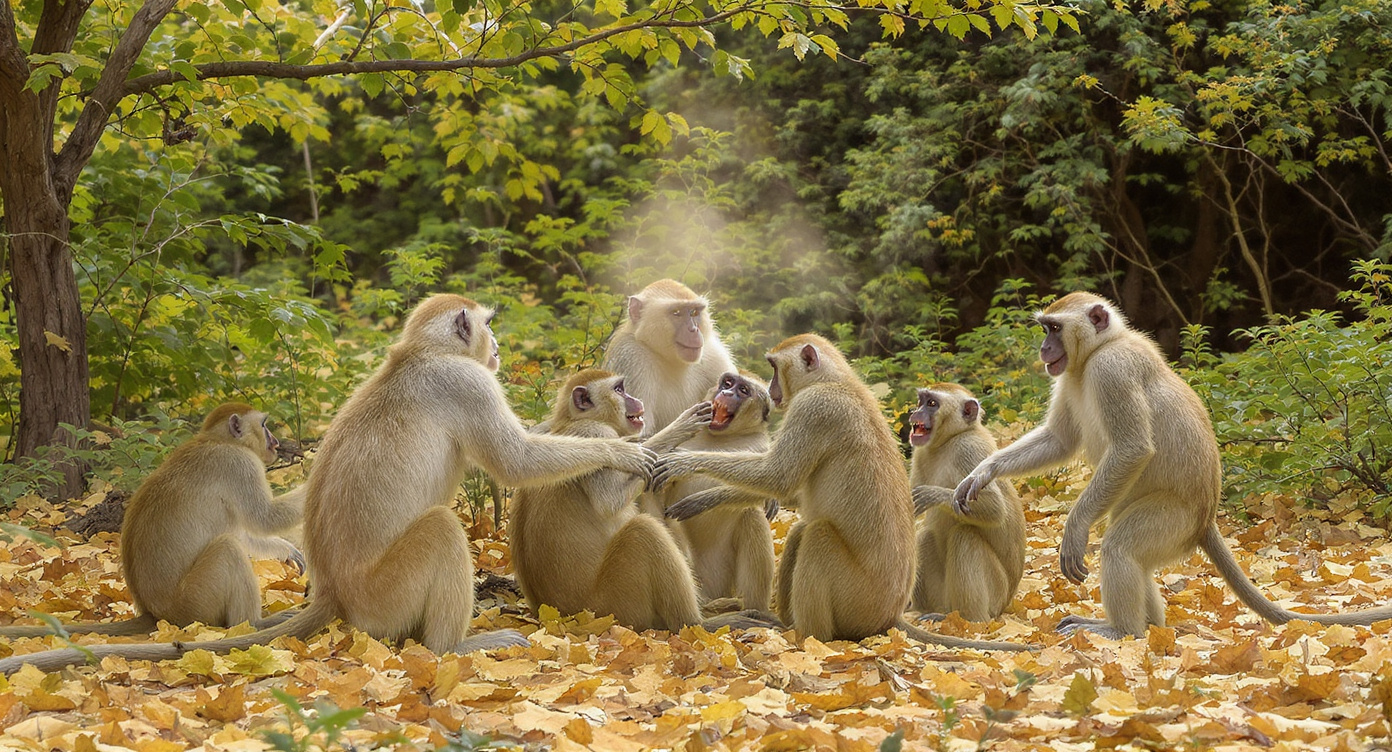
A new study has shown that adult primates’ tendency to engage in play is determined not by their physical characteristics, but by the social structure of their group: play persists where equality and tolerance prevail. In hierarchical societies, such interactions disappear because the risks outweigh the potential benefits.
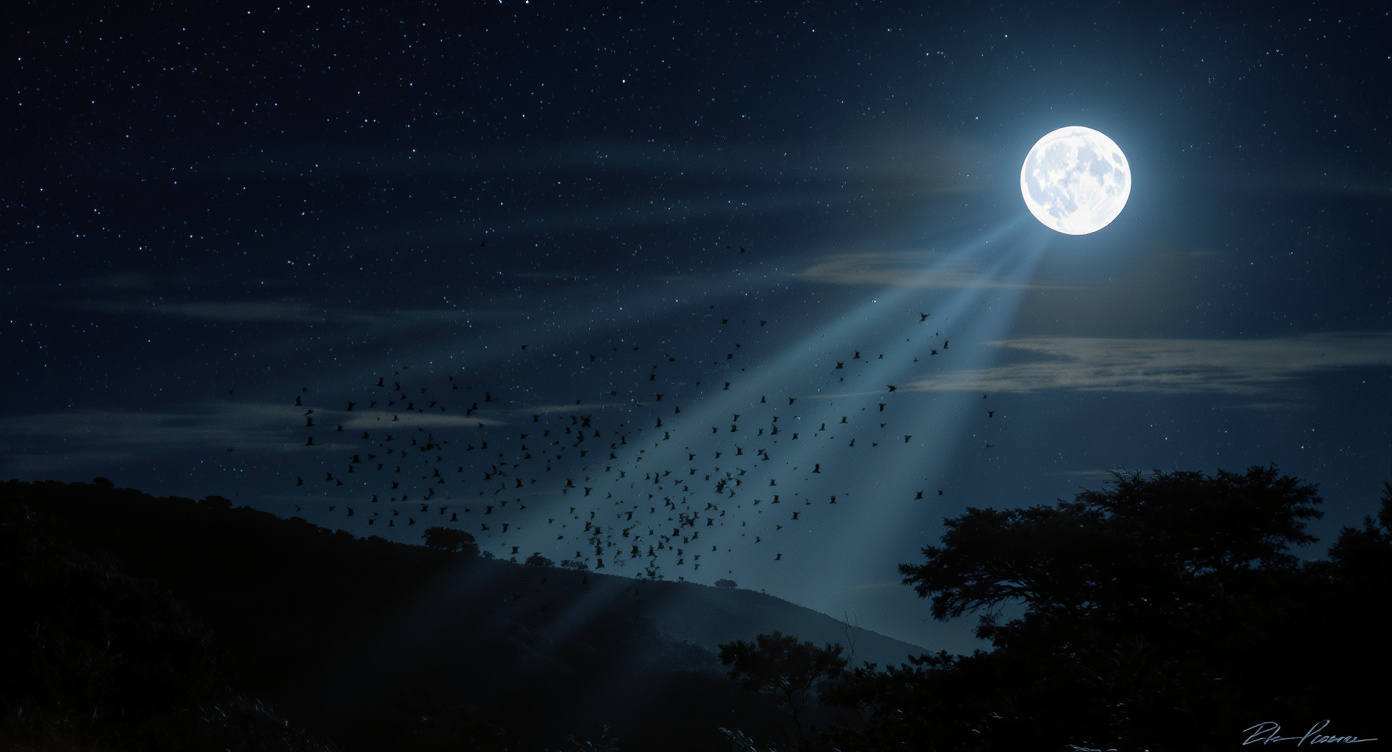
The study revealed that the life cycle of red-necked nightjars is closely linked to the phases of the Moon: these birds are most active during the full moon, while during the new moon they enter a state of torpor to conserve energy. Lunar cycles also influence the migration and breeding patterns of these nocturnal birds.


 Natura