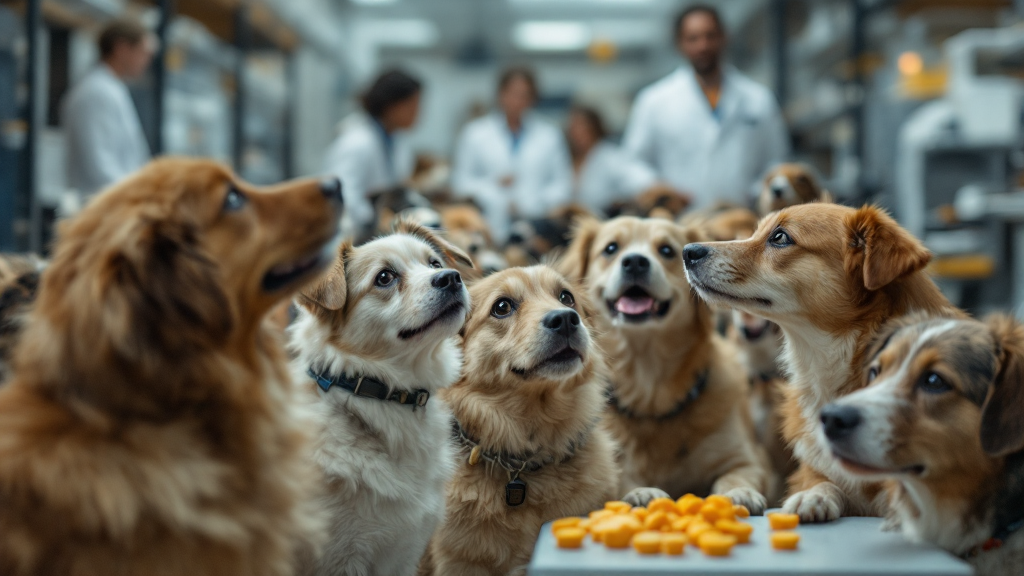
The experiment showed that dogs are more likely to help people in order to receive a treat, rather than out of altruistic motives. The presence of the owner or a stranger had little effect on their behavior.
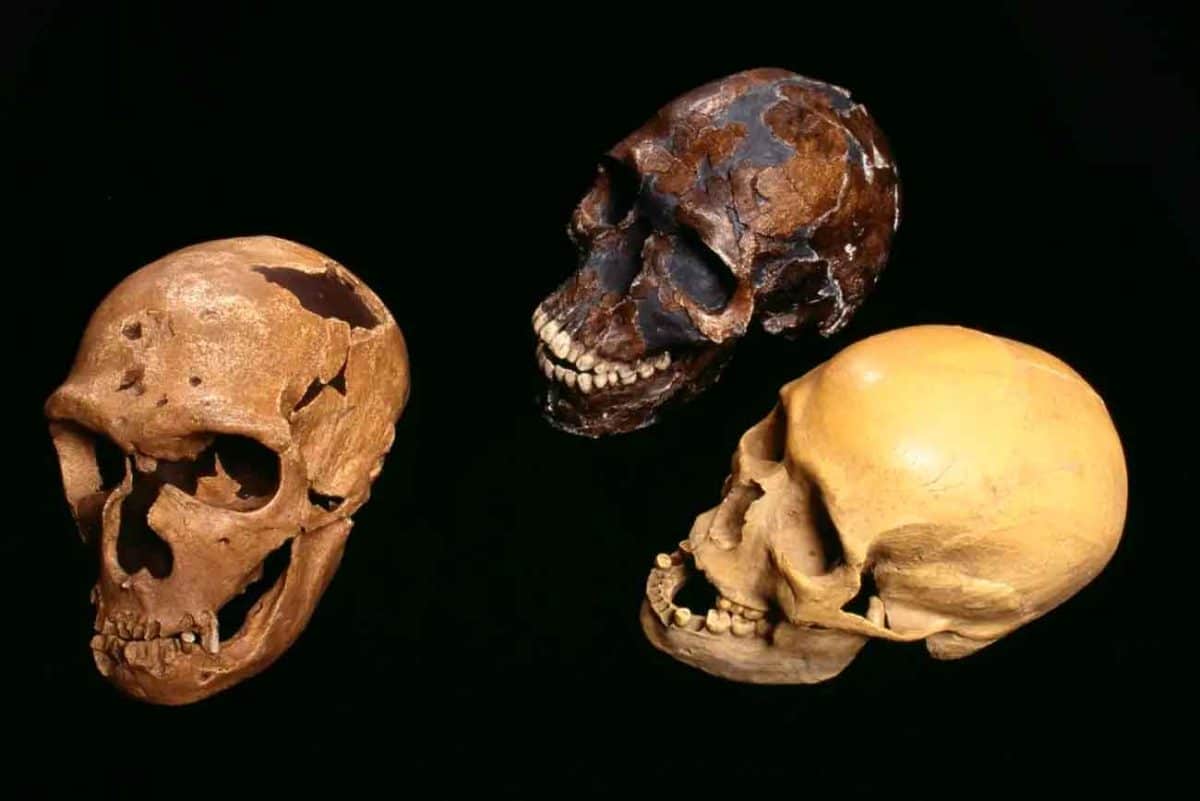
A new study challenges the traditional view that the increase in brain size among Homo species was the result of natural selection, suggesting instead that this process may have occurred by chance. An analysis of skulls indicates that these changes are better explained by models of neutral evolution rather than by directed selection.
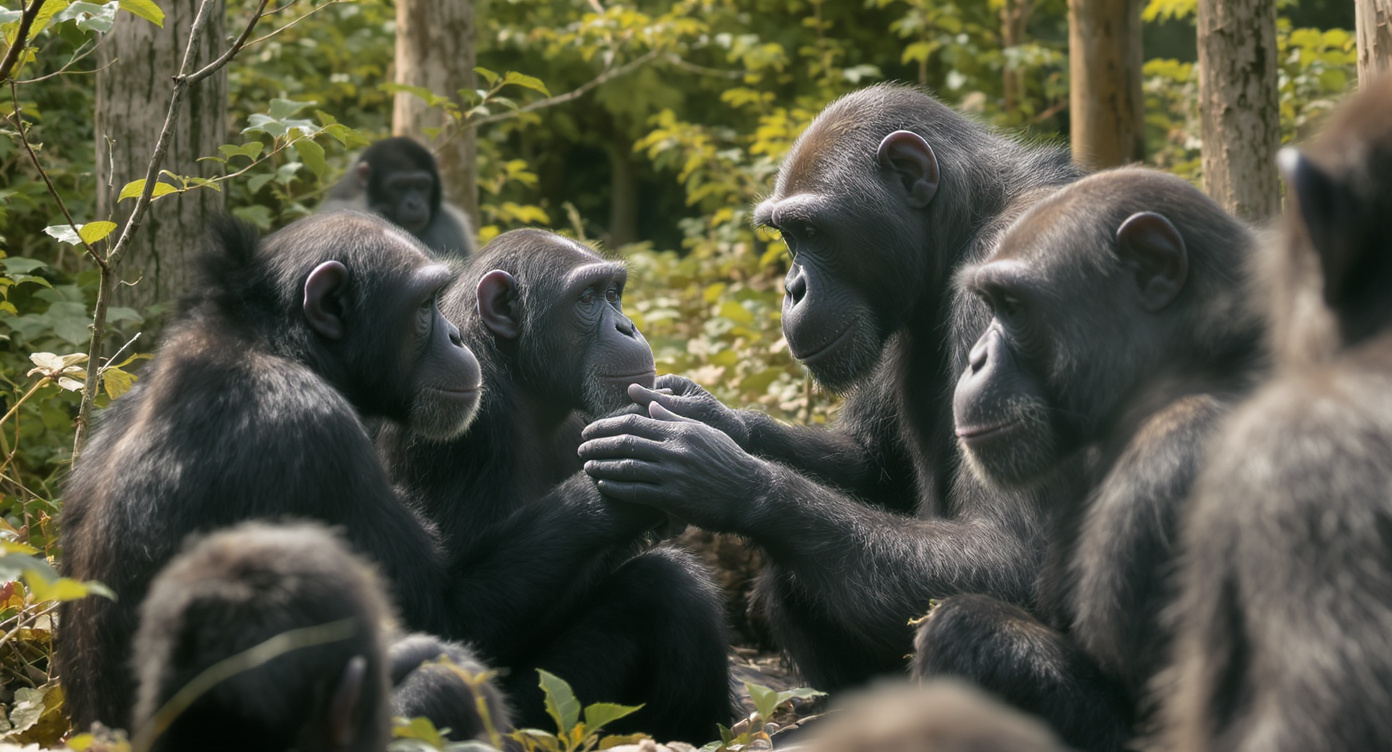
The study revealed that chimpanzees and bonobos form social bonds based on the same principles as humans, distinguishing between close companions and acquaintances. This pattern of social organization emerged long before humans appeared and reflects an ancient evolutionary mechanism for optimally distributing attention and resources.
A new study of ancient Homo erectus teeth has revealed a genetic link between this species, Denisovans, and modern humans, shedding light on the evolution and interactions of ancient populations.
A new study reveals that frequent fire burns played a role in human evolution by promoting the development of unique genetic adaptations for tissue healing and fighting infections. These findings help explain the differences in burn responses between humans and animals.
A new study has shown that people can learn to judge the distance to objects using echolocation by making clicking sounds with their tongues. This skill can be developed even after a short period of training and may be especially useful for individuals who are visually impaired.
A study has shown that due to deforestation and the decline in wild animal populations, mosquitoes are increasingly feeding on human blood, which raises epidemiological risks.
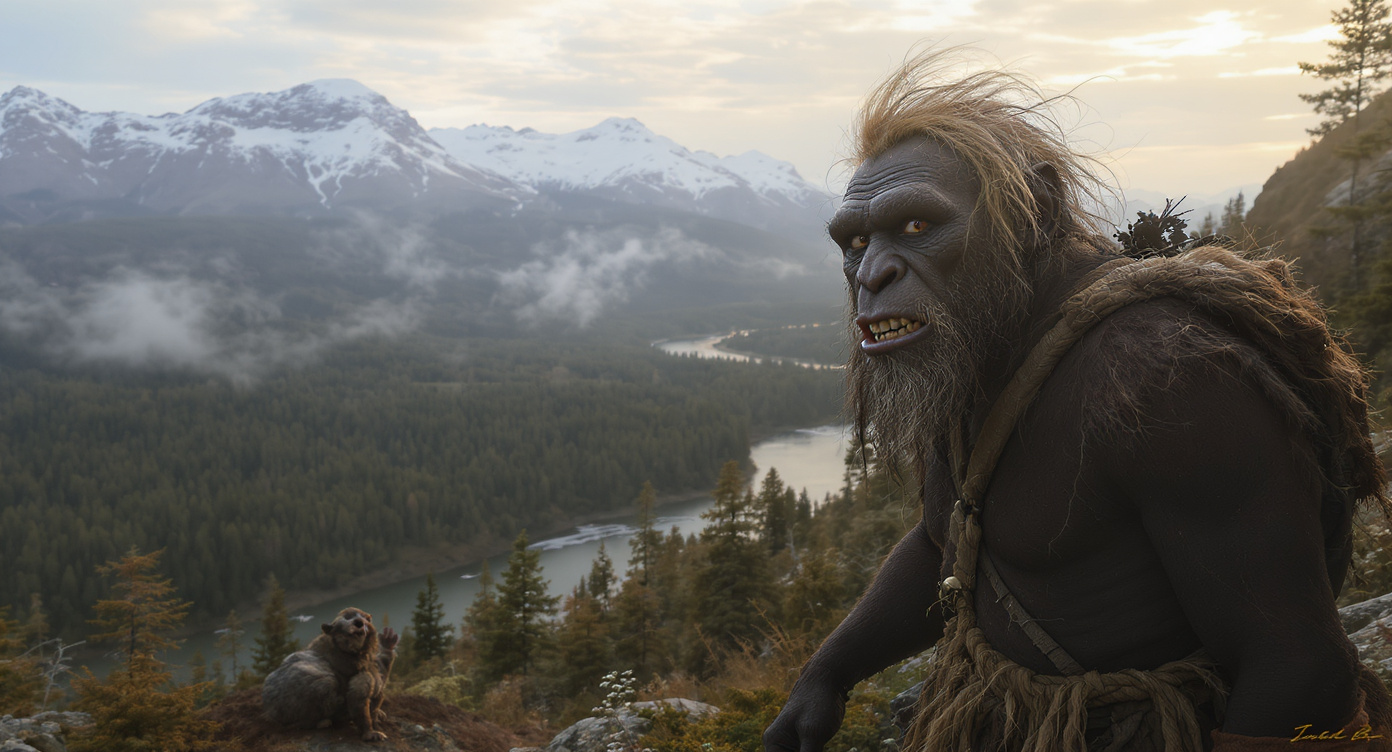
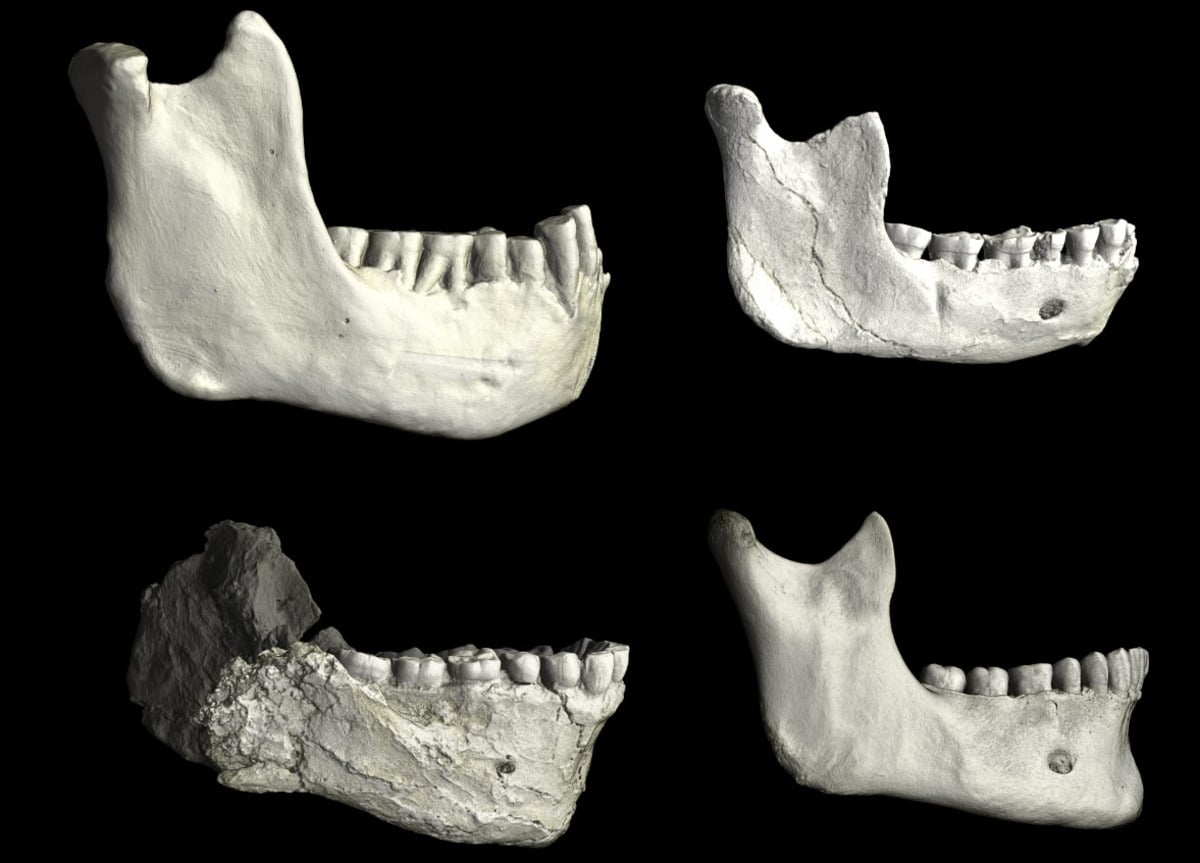
Recent discoveries in Morocco suggest that the ancestors of Homo sapiens may have originated in North Africa rather than Europe, which changes our understanding of the origins of modern humans.
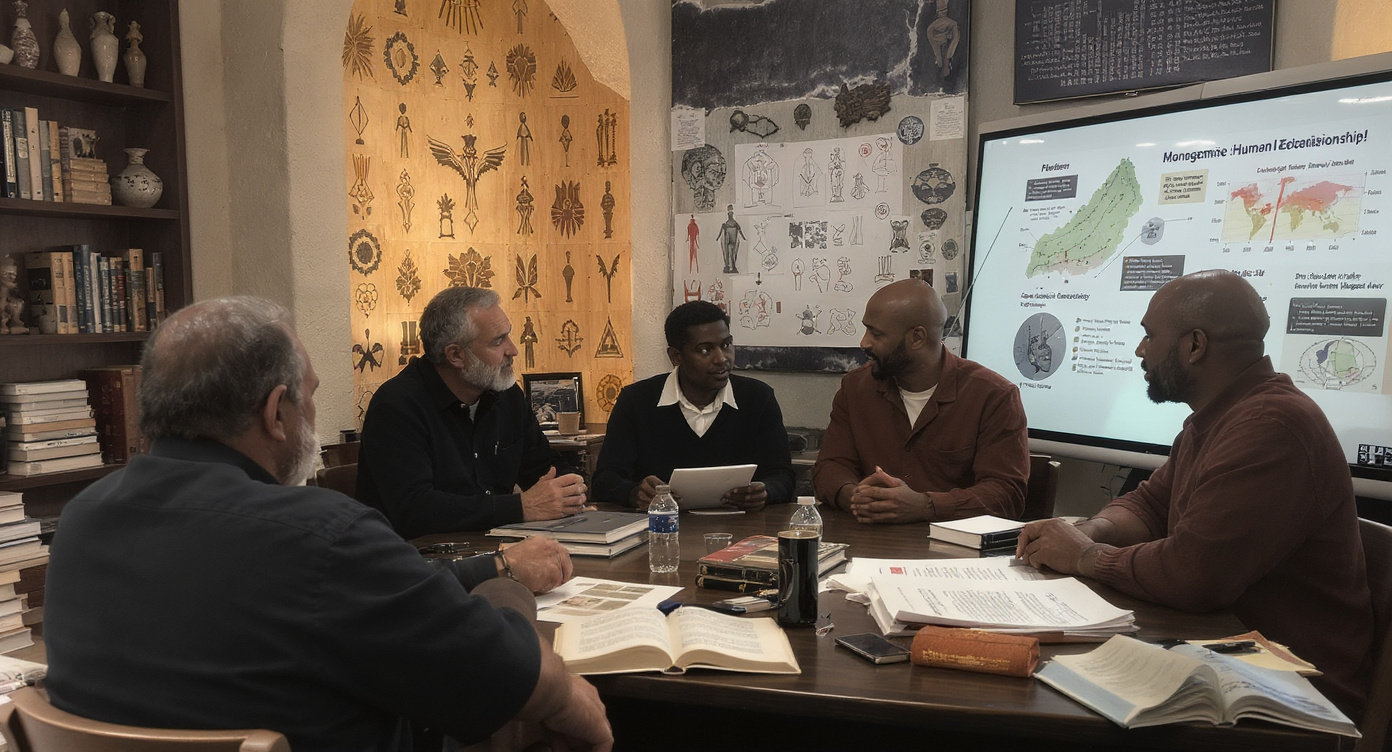
A new study has shown that humans are statistically closer to monogamous species, such as meerkats and gibbons, than to polygamous primates. This type of kinship structure may have contributed to the development of complex societies and cultures.
A new study has shown that a lack of bright light during the day can worsen mood, cause drowsiness, and increase stress levels even in healthy individuals. This is especially relevant for those who spend a lot of time in poorly lit rooms.
An international study has uncovered genetic parallels between dog behavior and human psychological traits. Genes that influence aggression and learning ability in dogs are linked in humans to intelligence, depression, and schizophrenia. These findings could help deepen our understanding of mental disorders and lead to new approaches in animal behavior correction.

 Cursus