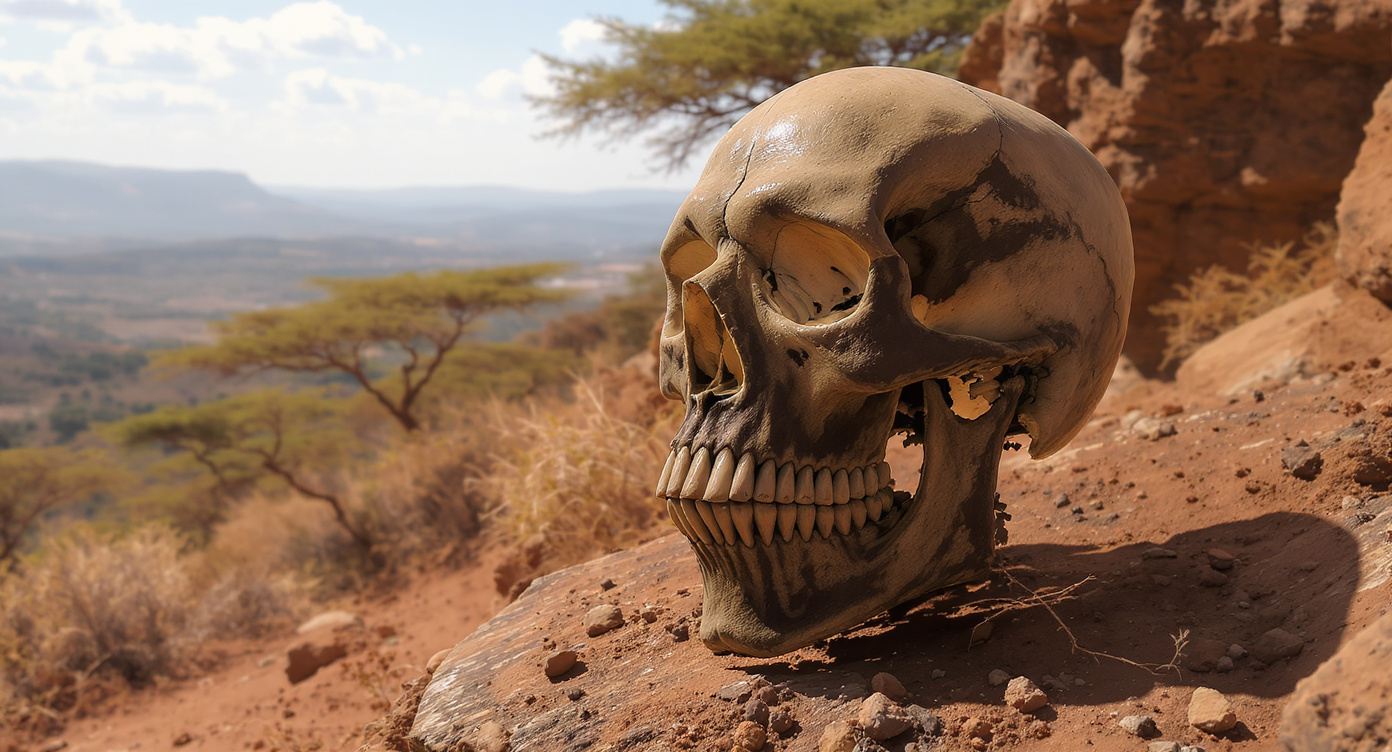
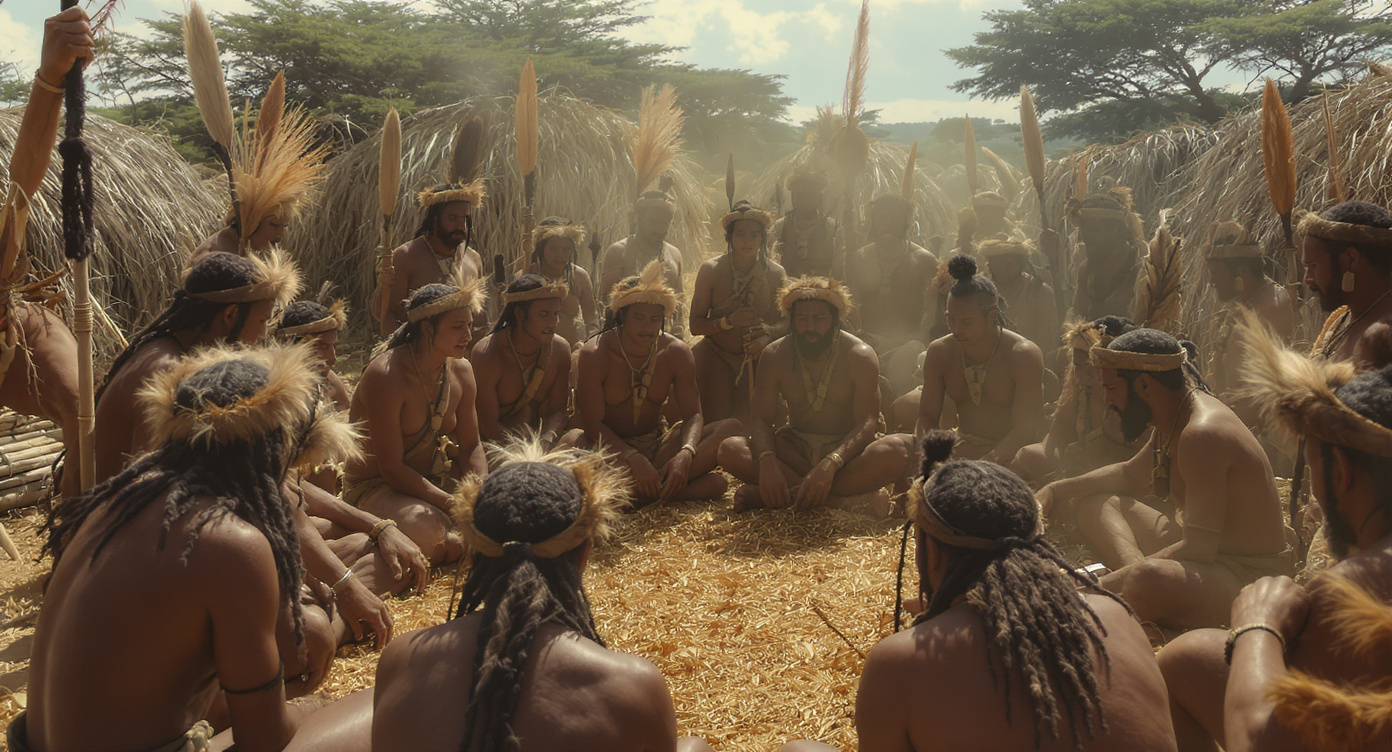
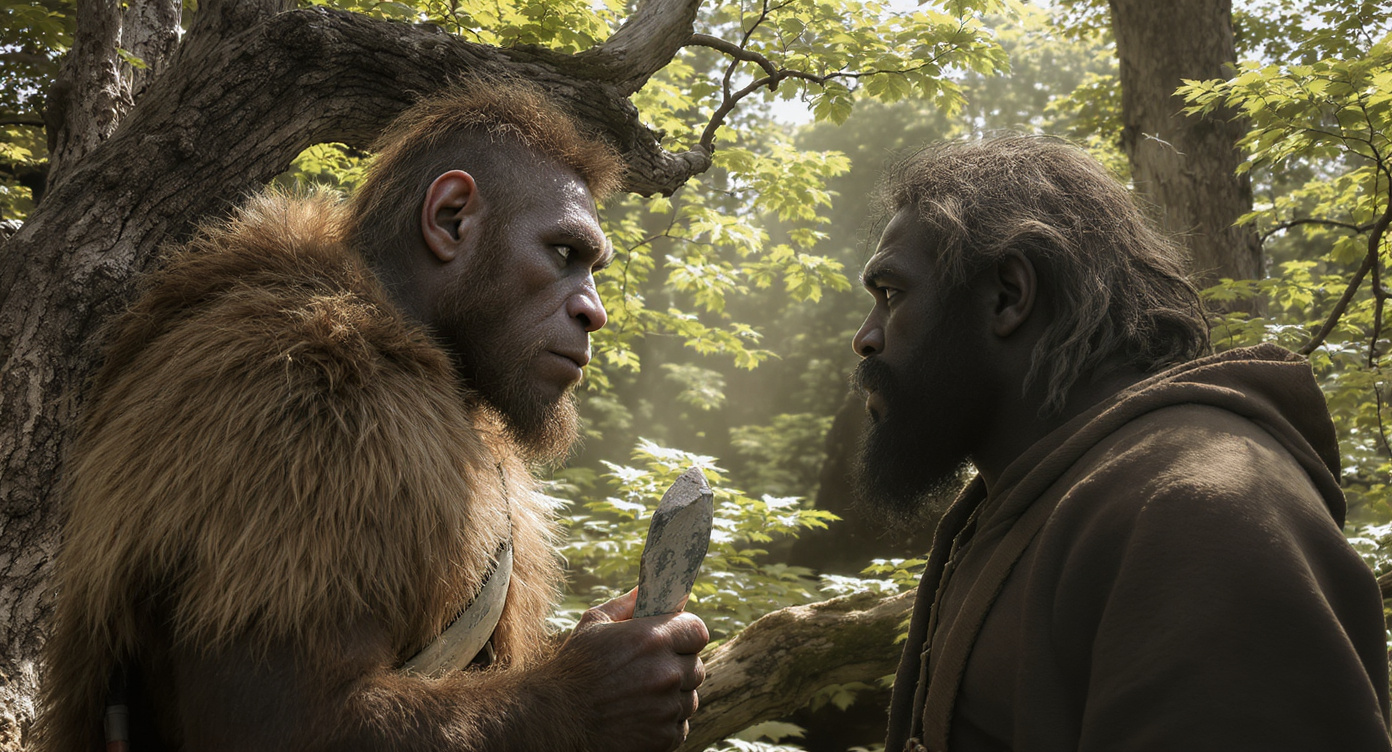
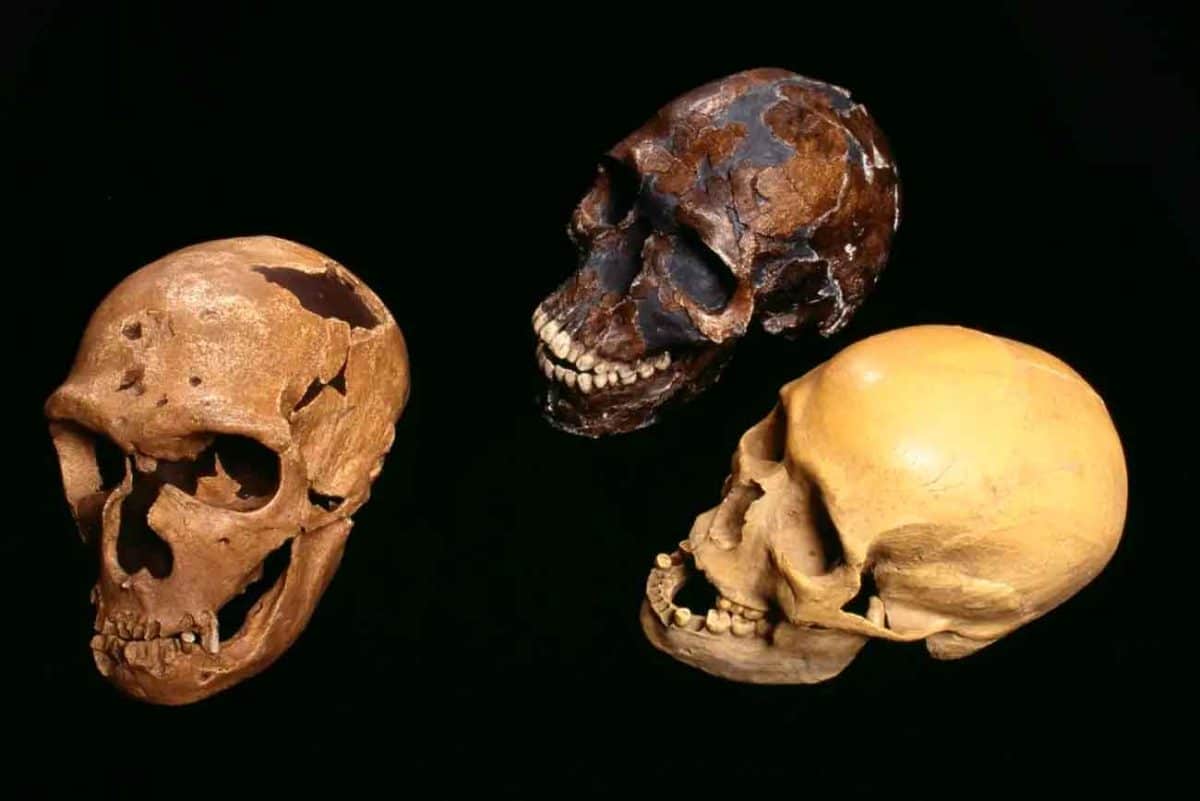
A new study challenges the traditional view that the increase in brain size among Homo species was the result of natural selection, suggesting instead that this process may have occurred by chance. An analysis of skulls indicates that these changes are better explained by models of neutral evolution rather than by directed selection.
In central Spain, archaeologists have discovered an unusual burial of two men showing signs of violent death and adorned with deer antlers, dating back to the Iron Age. This finding points to a rare ritual associated with beliefs about a "bad death" and the protection of the community from dangers believed to come from the deceased.
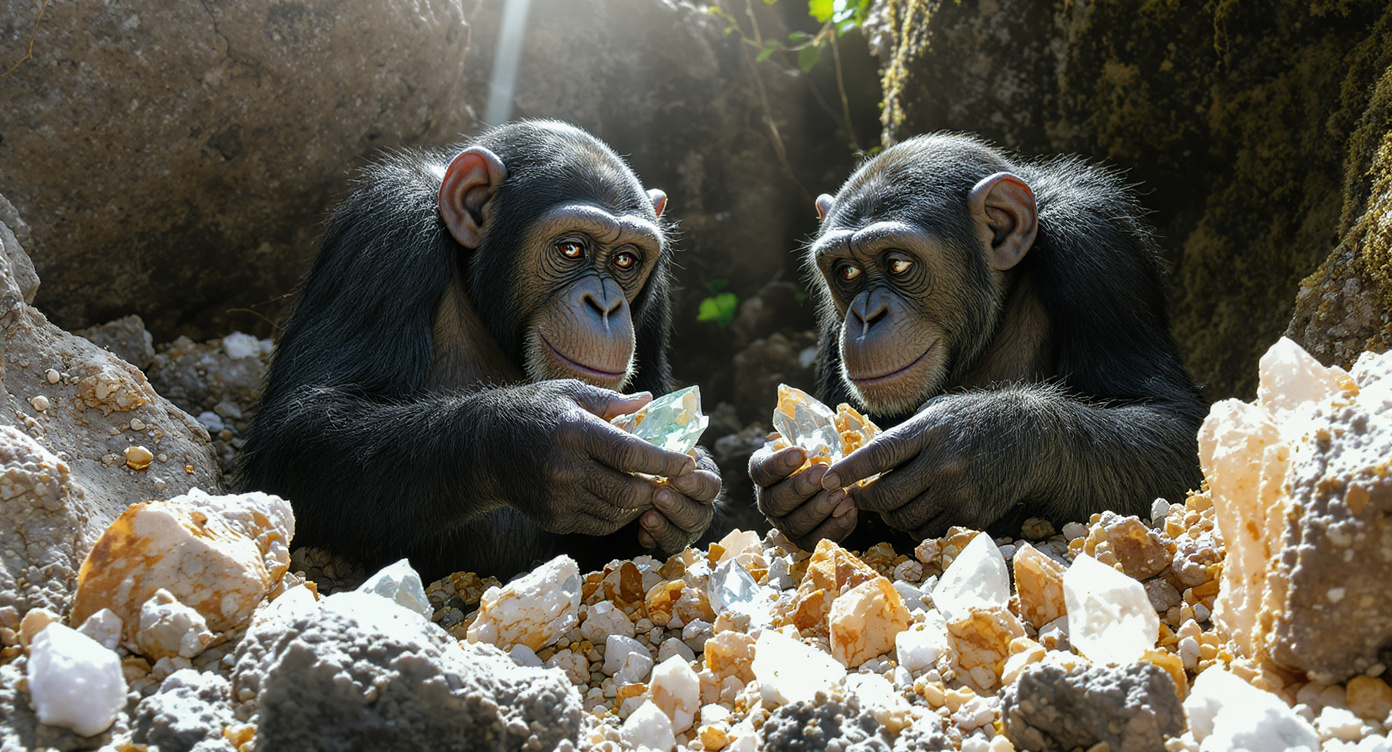
Experiments have shown that chimpanzees can distinguish crystals from ordinary stones and display a special interest in them, examining their geometry and transparency. This behavior is believed to be linked to the ancient roots of symbolic thinking in primates.
Genetic analysis of remains found in Italy has revealed that rare hereditary diseases existed as far back as 12,000 years ago. The study identified a mutation in an ancient adolescent that caused a severe growth disorder, providing evidence of social support within Ice Age communities.
Physical activity is beneficial for your health, but to effectively lose weight, it's important to combine exercise with proper nutrition control. The body compensates for some of the energy expended, so exercise alone is often not enough.
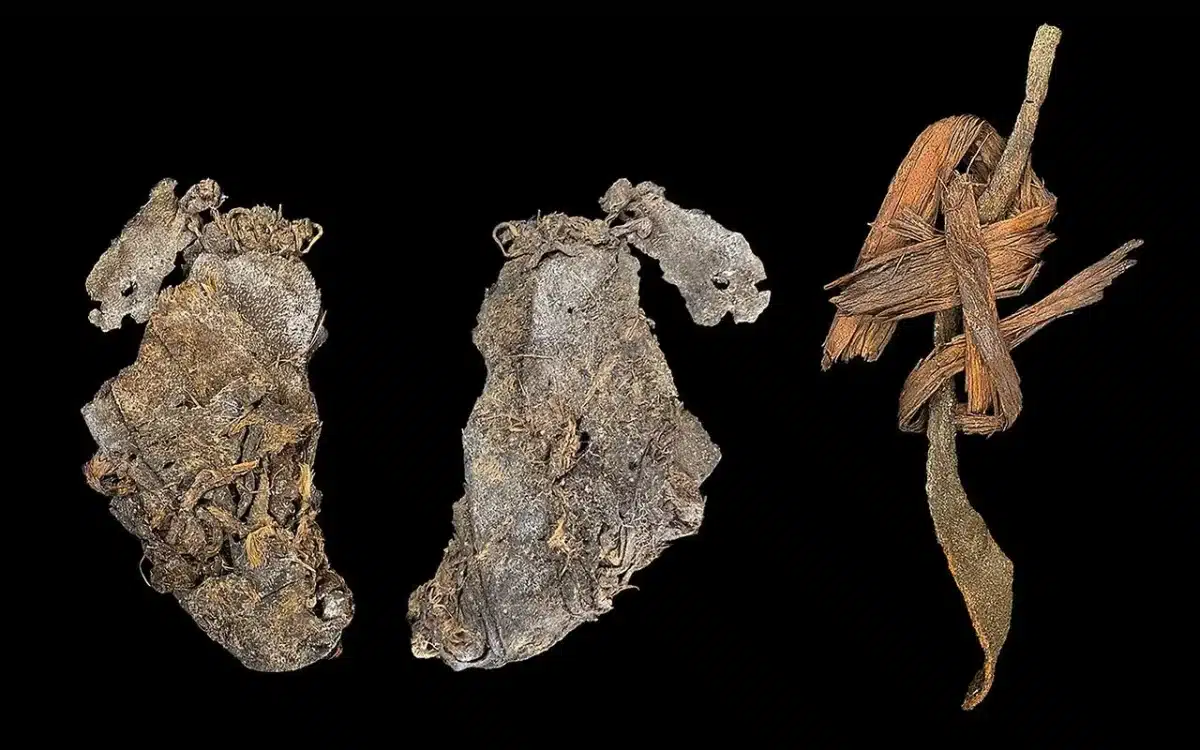
Artifacts from Oregon caves, including the oldest known sample of stitched elk hide, reveal how people 12,000 years ago adapted to the harsh climate of the Ice Age. These discoveries demonstrate the development of sewing techniques and clothing production that were essential for survival during periods of significant cooling.
A new study reveals that Homo sapiens and Neanderthals regularly interacted and interbred across vast areas of Eurasia for thousands of years, not just in a single region. These prolonged interactions have left a significant mark on the genome of modern humans.
The oldest known cave paintings in the world, estimated to be around 68,000 years old, have been discovered on Muna Island. This finding changes our understanding of ancient human migration and capabilities in Southeast Asia.
A new study has revealed that the first migrants from Africa were small in stature and had archaic features, rather than being large, athletic individuals as previously believed. This finding changes our understanding of the early evolution and migrations of Homo erectus.
A new study has shown that humans are statistically closer to monogamous species, such as meerkats and gibbons, than to polygamous primates. This type of kinship structure may have contributed to the development of complex societies and cultures.
A new study challenges the notion of equality and altruism in hunter-gatherer societies, revealing that beneath the appearance of fairness lie personal interests, social pressure, and competition.
A new study suggests that the disappearance of Neanderthals may have been the result of gradual assimilation with Homo sapiens, rather than wars or catastrophes. Even infrequent but regular contact led to the near-complete absorption of Neanderthals into the population of modern humans.

 Cursus