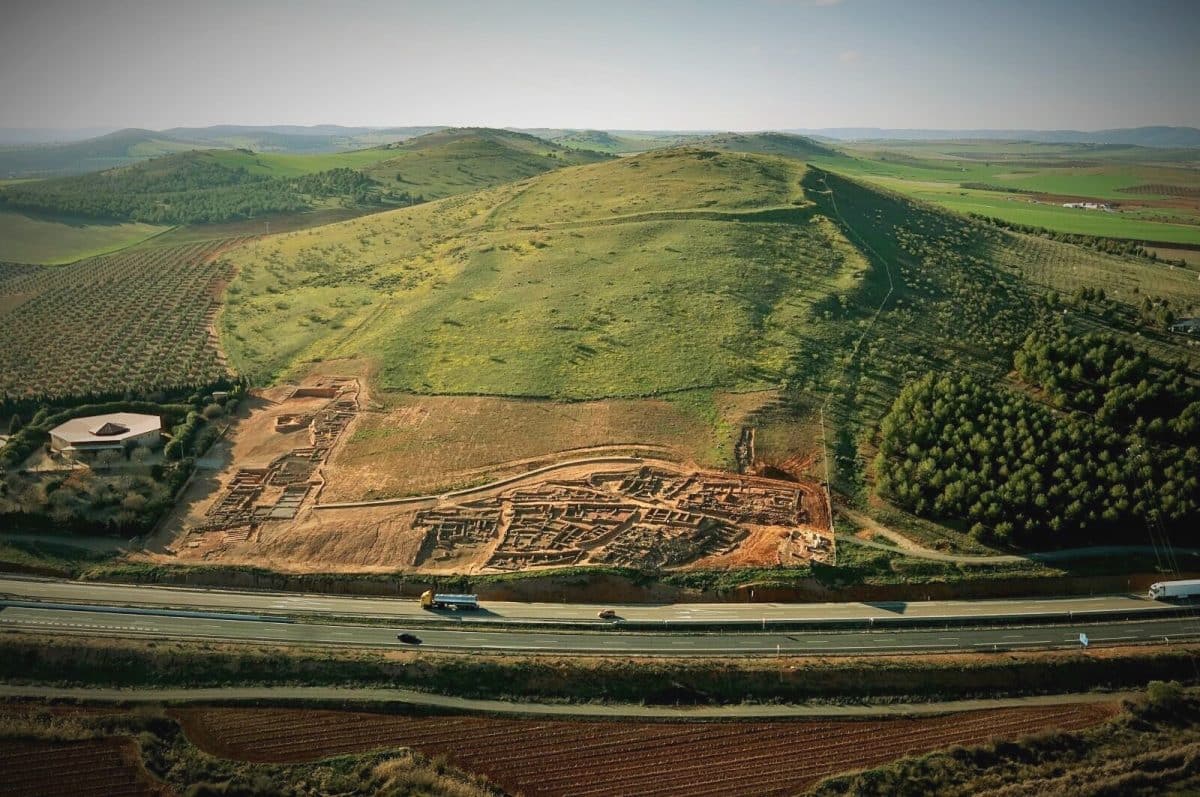
In central Spain, archaeologists have discovered an unusual burial of two men showing signs of violent death and adorned with deer antlers, dating back to the Iron Age. This finding points to a rare ritual associated with beliefs about a "bad death" and the protection of the community from dangers believed to come from the deceased.
Genetic analysis of remains found in Italy has revealed that rare hereditary diseases existed as far back as 12,000 years ago. The study identified a mutation in an ancient adolescent that caused a severe growth disorder, providing evidence of social support within Ice Age communities.
Researchers have discovered that two women who lived in southern Italy 12,000 years ago had a rare genetic mutation that caused short stature. Analysis of their ancient DNA revealed that they were closely related, and their survival suggests that there was social support within prehistoric communities.
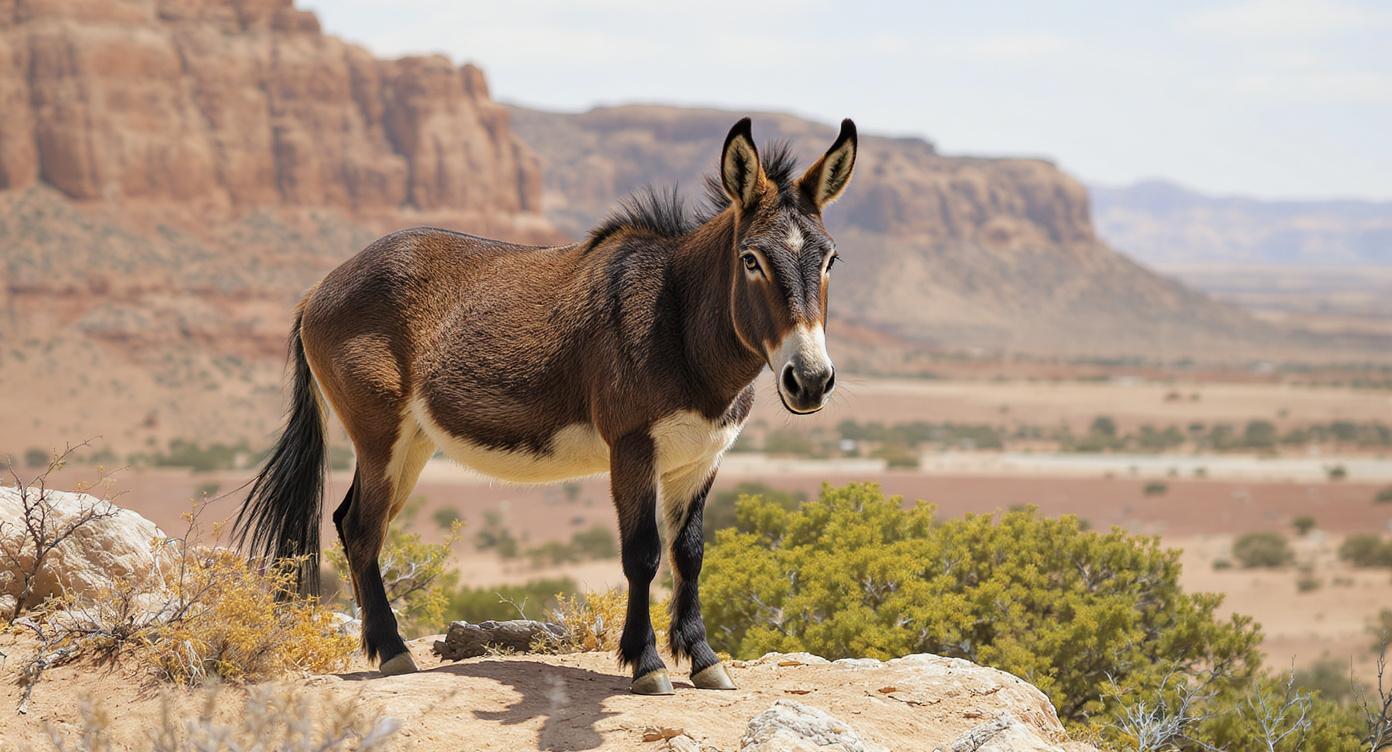
Archaeologists have discovered the oldest remains of a mule in the Western Mediterranean on the northeastern Iberian Peninsula, buried together with a woman. Genetic analysis confirmed the uniqueness of the find and the high social value of the animal during that era. The reasons for their joint burial remain a mystery.

 Cursus