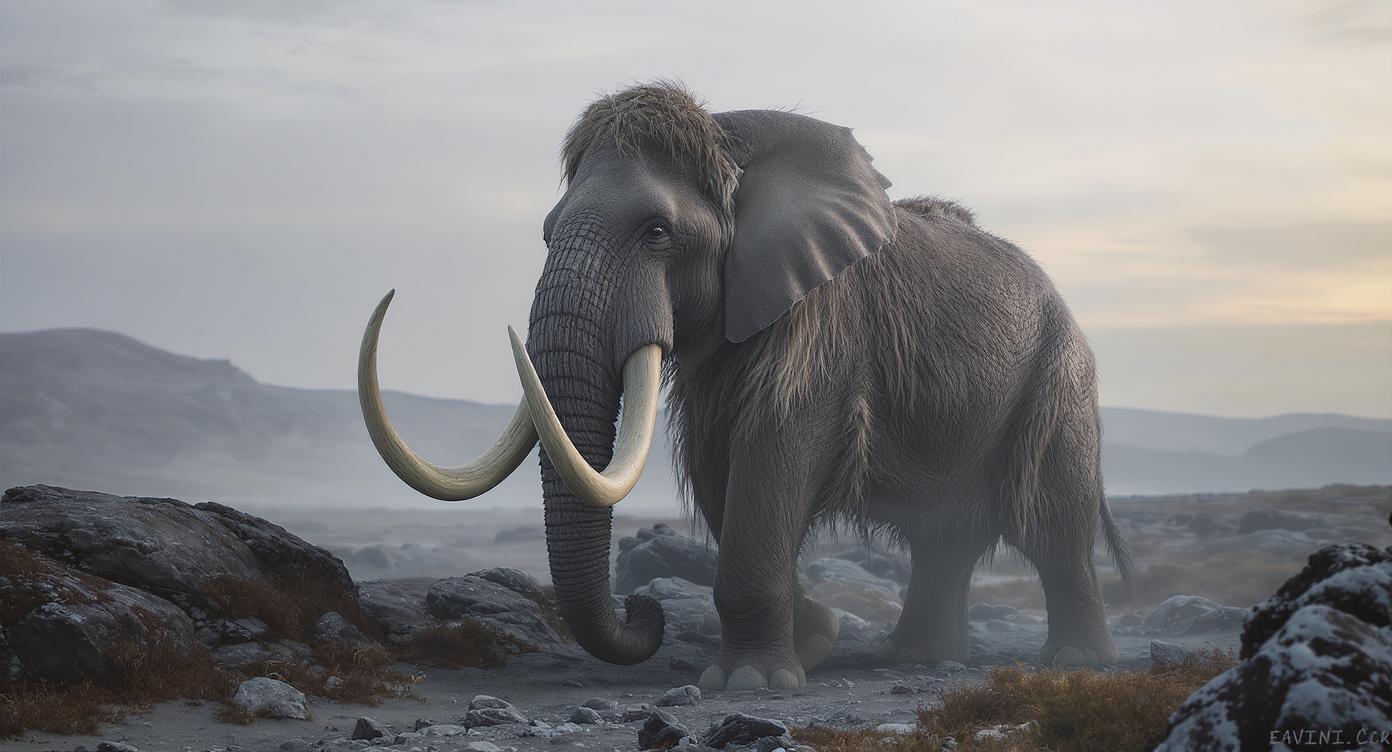
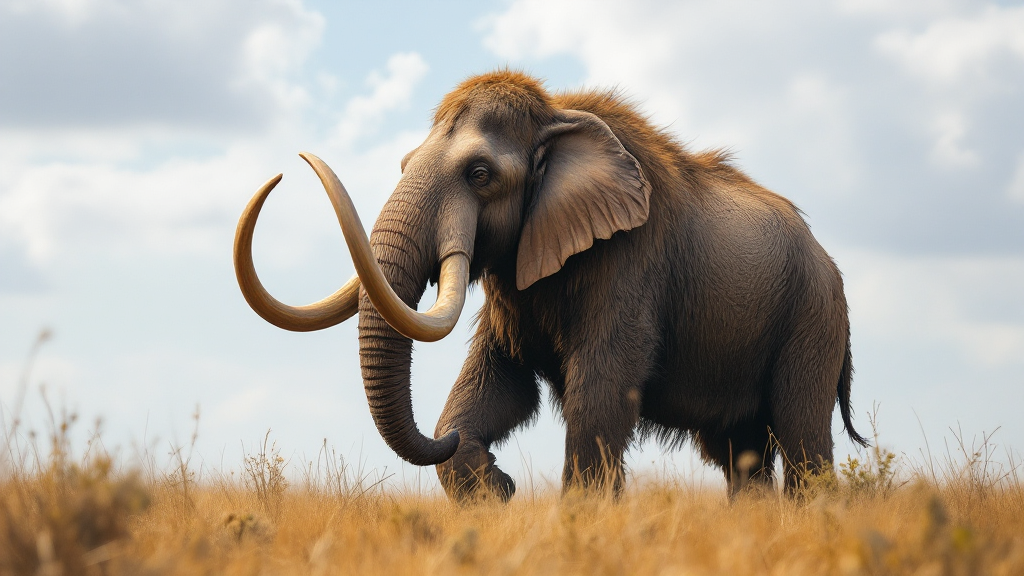
A new DNA study of mammoth remains has revealed that ancient humans primarily hunted females rather than males. This selective hunting may have affected the population size of the species and accelerated their extinction.
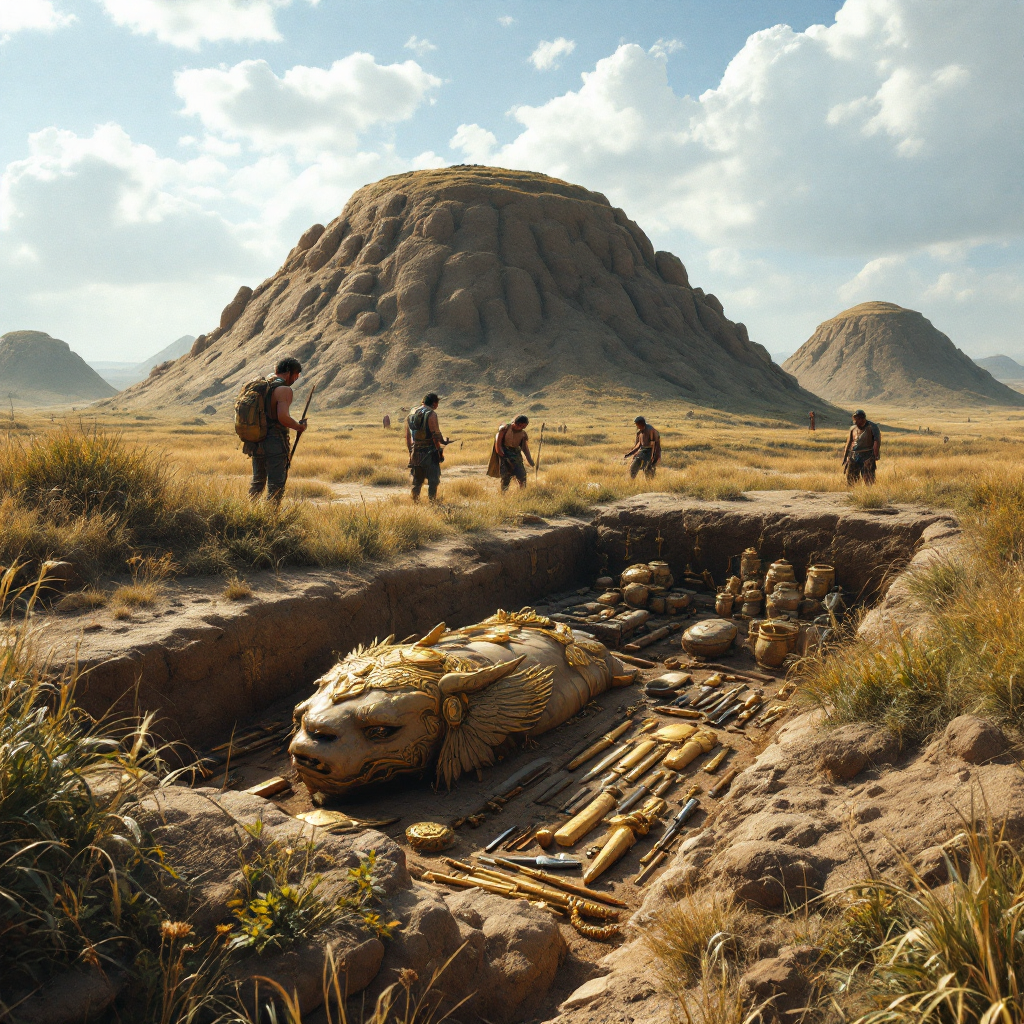
A new study has shown that members of the Scythian nobility buried in burial mounds were related by blood. This confirms the existence of hereditary dynasties and social inequality among ancient nomads.
A new study has revealed that members of the Scythian nobility buried in burial mounds were related by blood. This finding confirms that ancient nomads had hereditary dynasties and social inequality.
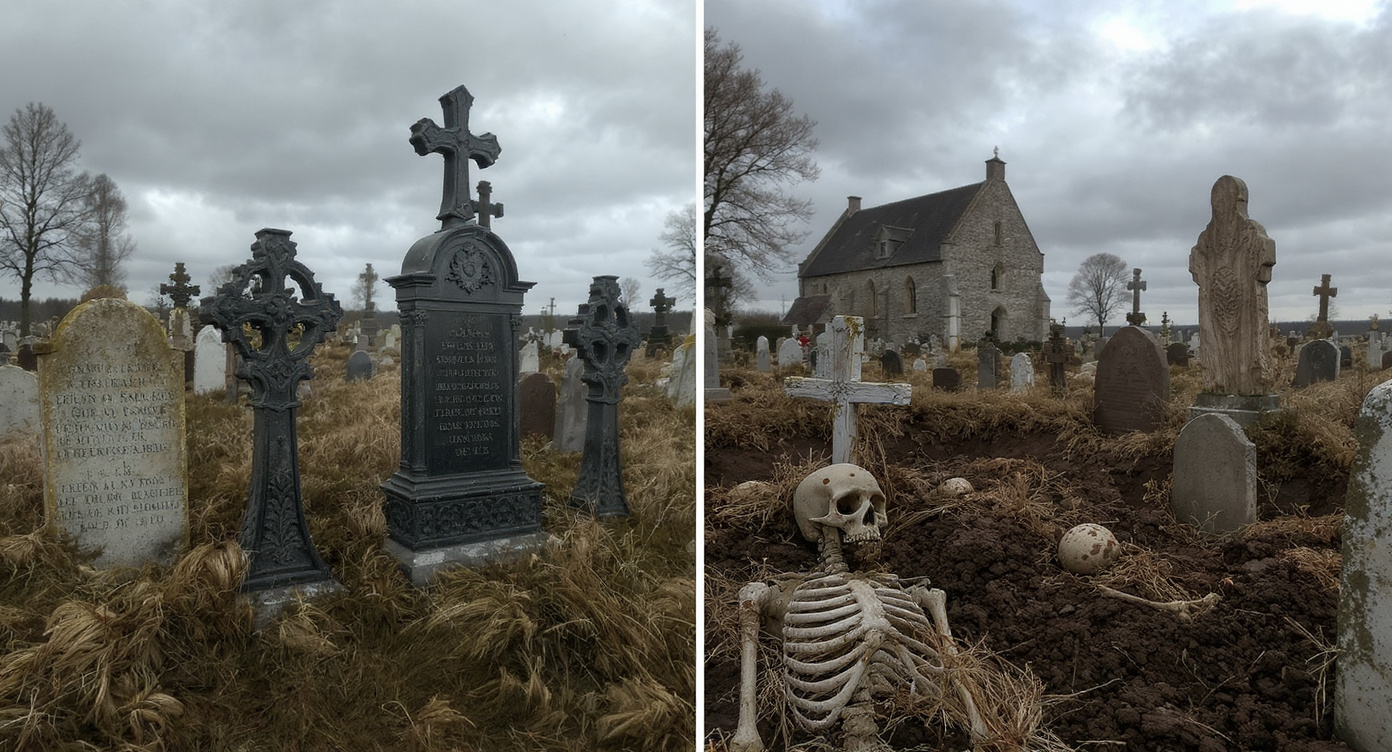
In central Spain, archaeologists have discovered an unusual burial of two men showing signs of violent death and adorned with deer antlers, dating back to the Iron Age. This finding points to a rare ritual associated with beliefs about a "bad death" and the protection of the community from dangers believed to come from the deceased.
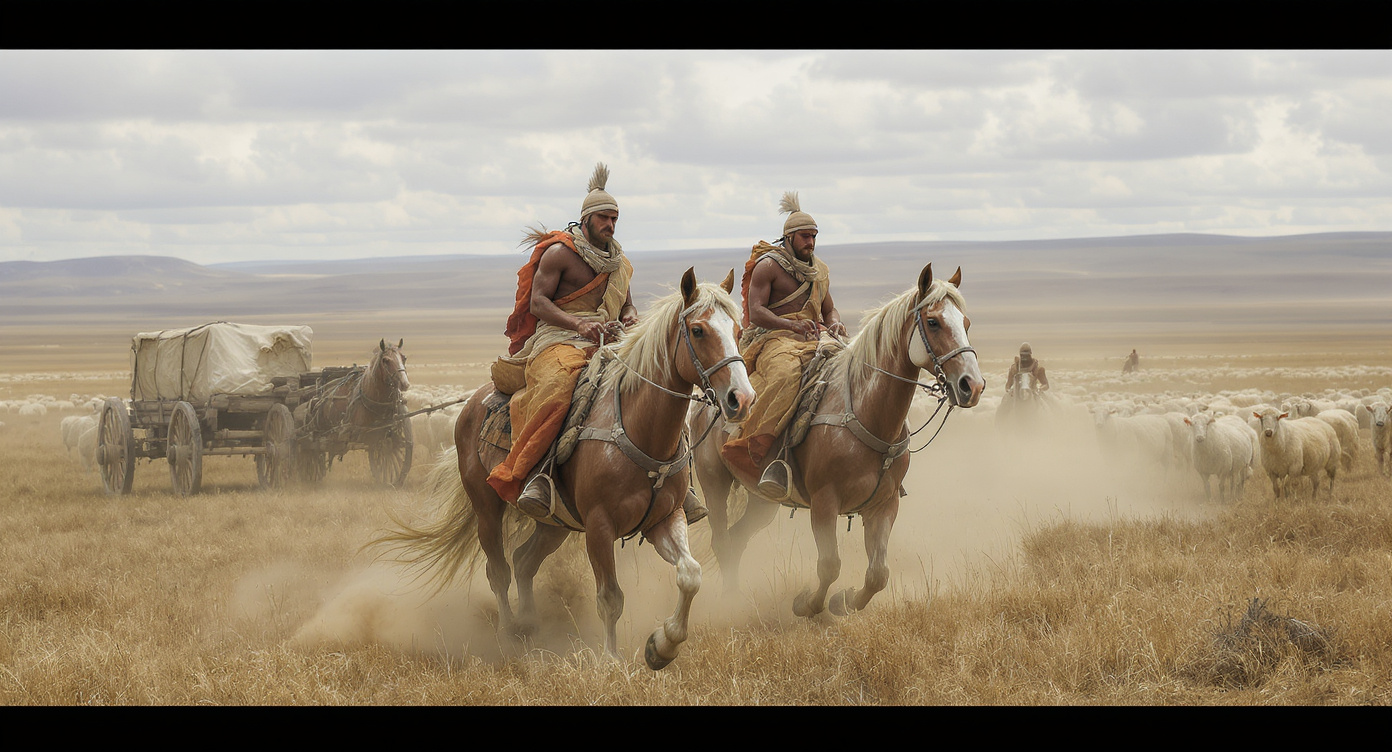
A new study shows that horseback riding and the use of horses began long before the emergence of modern breeds and intentional selective breeding—it was a lengthy cultural process, not the result of a single mutation.
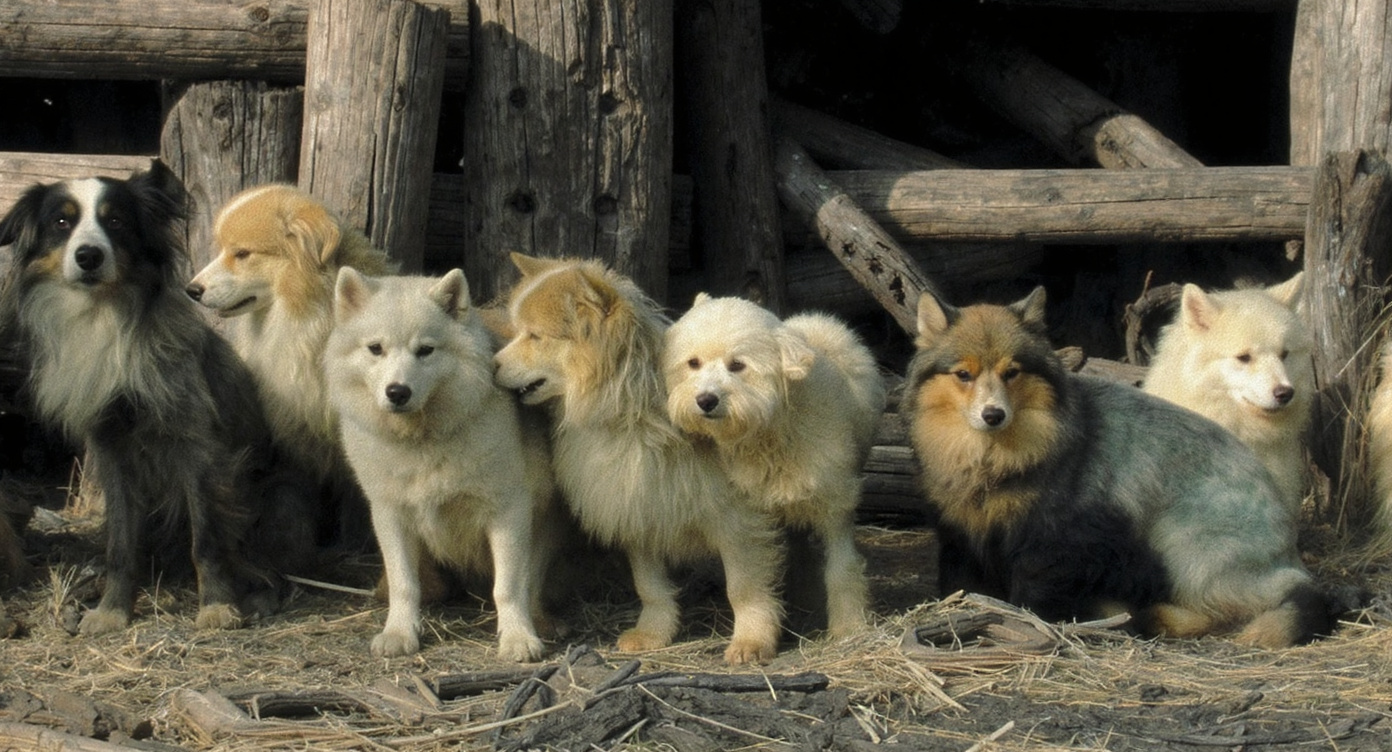
A new study has shown that a significant reduction in dog brain size occurred only about 5,000 years ago, when humans began selecting anxious and loud-barking animals to guard settlements. Previously domesticated dogs retained brains comparable in size to those of wolves, while modern working breeds now have the largest amount of neural tissue.
Archaeologists have described a new species of spider that disguises itself as a victim infected by a parasitic fungus in order to avoid predators. This discovery broadens our understanding of mimicry in the animal kingdom.
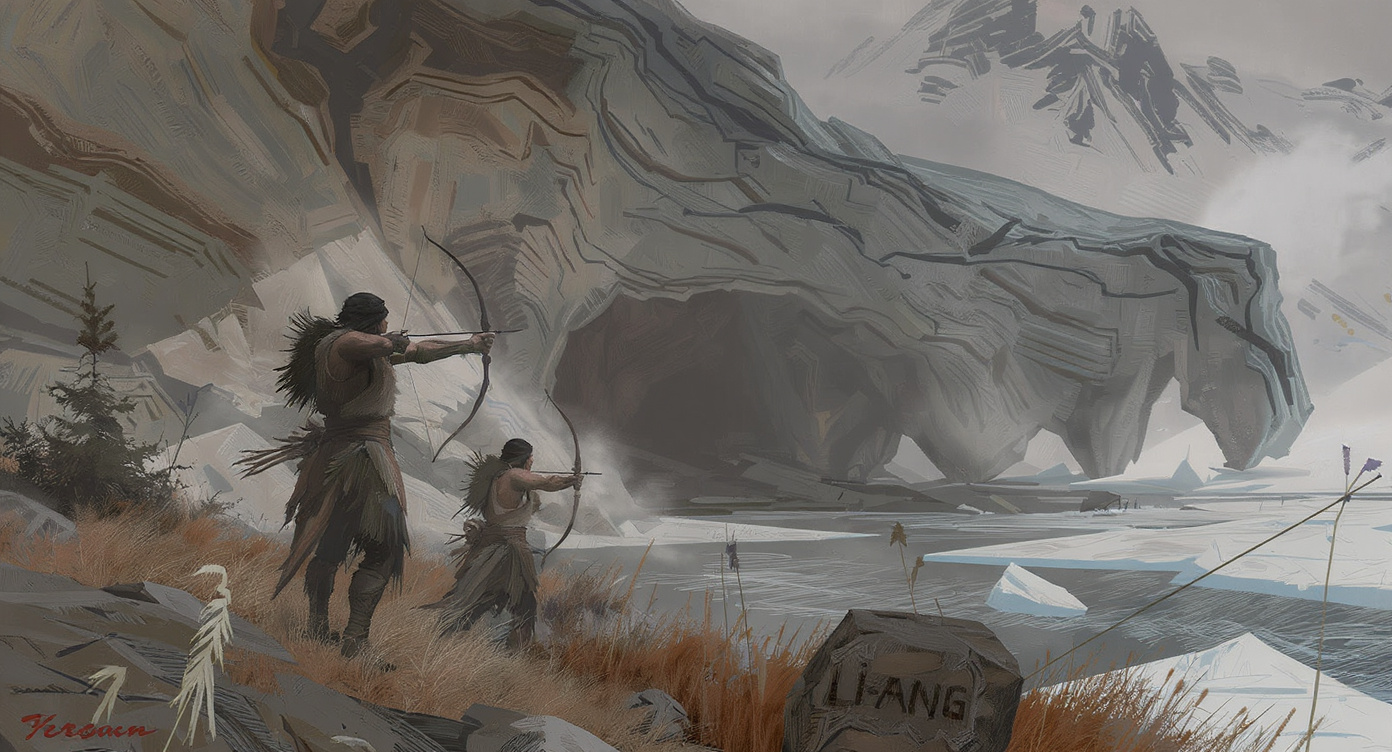
A new study has revealed that the bow and arrow spread across the western part of North America about 1,400 years ago, appearing almost simultaneously in different regions. This challenges the theory of gradual diffusion and suggests that the technology was rapidly adopted thanks to cultural connections between groups.
A new study has shown that Neanderthals primarily hunted adult male ancient elephants, as their solitary lifestyle made them more vulnerable compared to family groups.
A study of medieval cemeteries in Denmark revealed that having tuberculosis or leprosy did not significantly affect the prestige of a burial site. People with serious illnesses were often buried alongside others without any clear signs of discrimination.
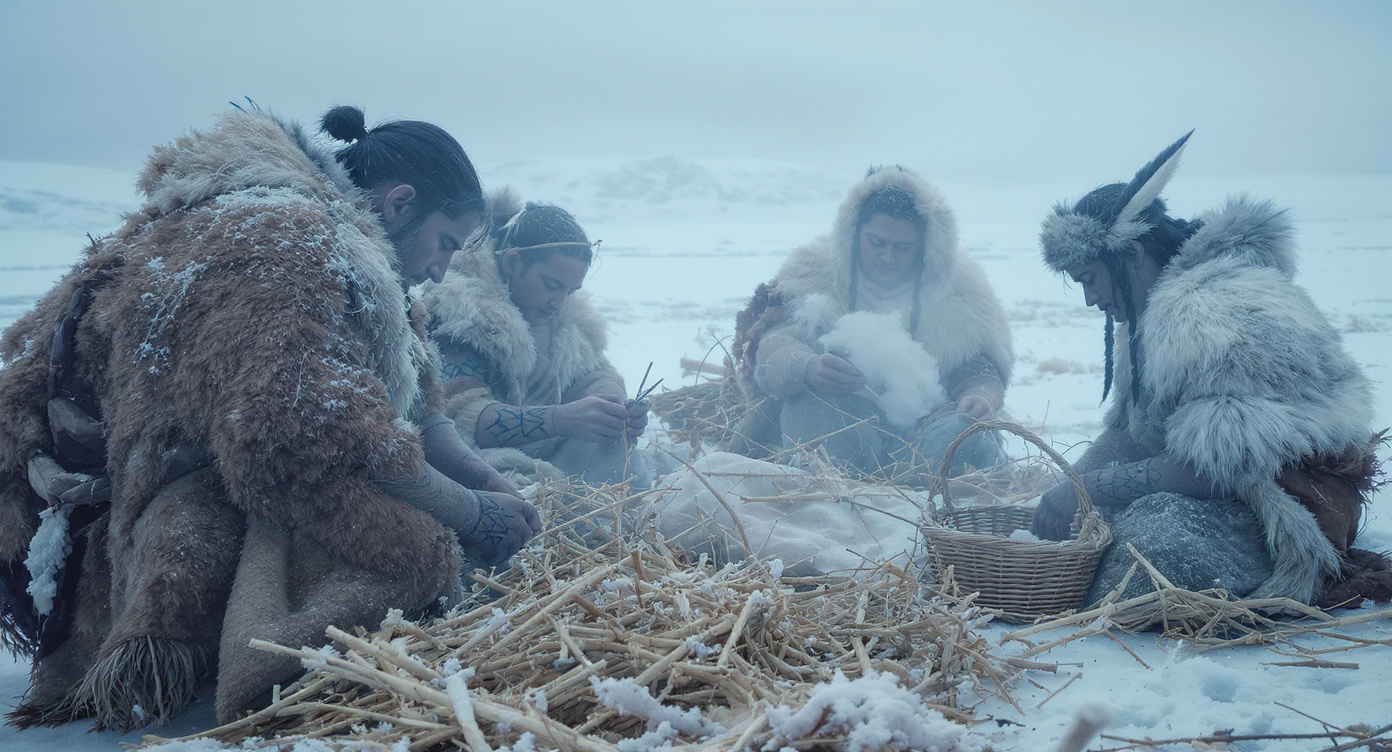
A new study reveals that needles and awls used by ancient peoples served not only for sewing clothes, but also played roles in rituals, medicine, tattooing, and weaving. Only about a third of cases were actually related to protection from the cold.
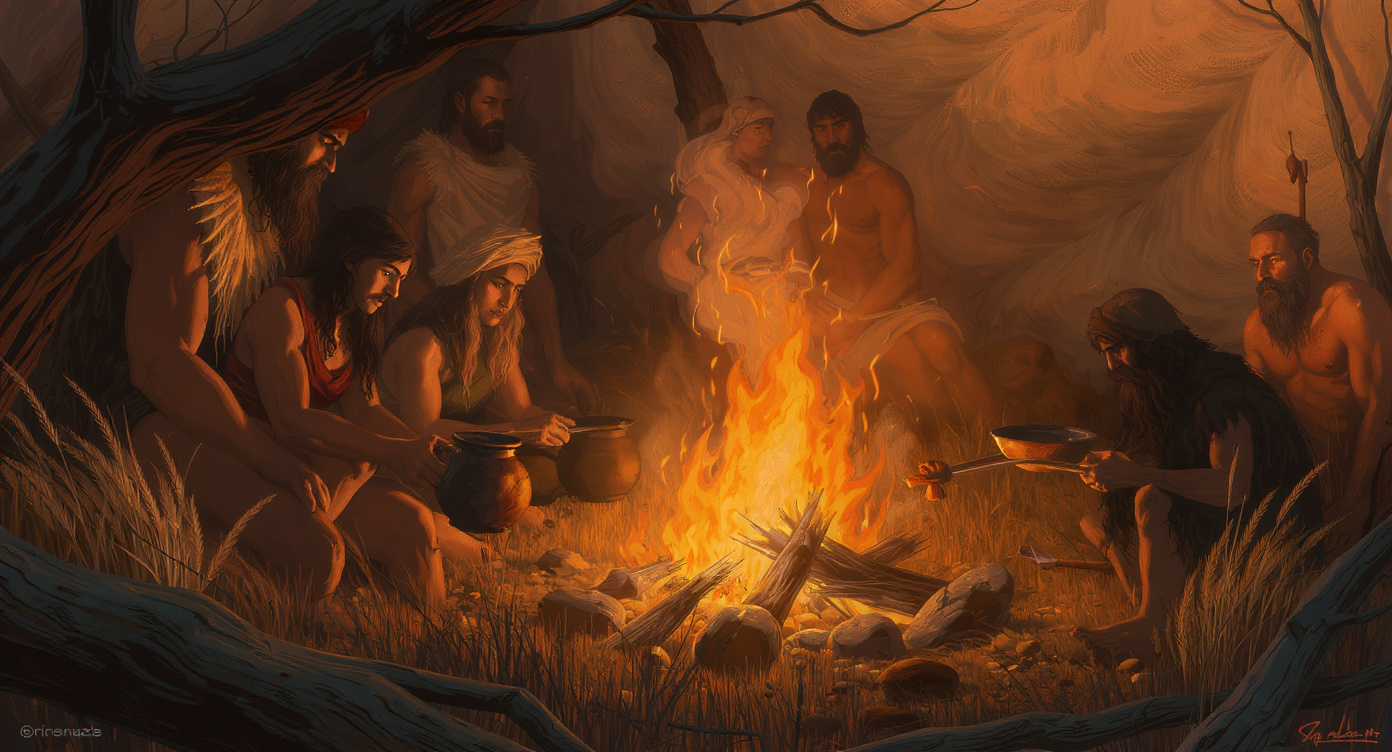
A new study has shown that ancient hunter-gatherers prepared a wide variety of complex dishes, combining fish, berries, grains, and other plants. Their culinary traditions were far richer than previously believed.
A new study has revealed that Mesolithic hunter-gatherers used complex geometric principles when creating ornaments on ostrich eggshell vessels. This suggests that the ability to structure forms and apply geometry was already developed 60,000 years ago, long before the emergence of the first civilizations.
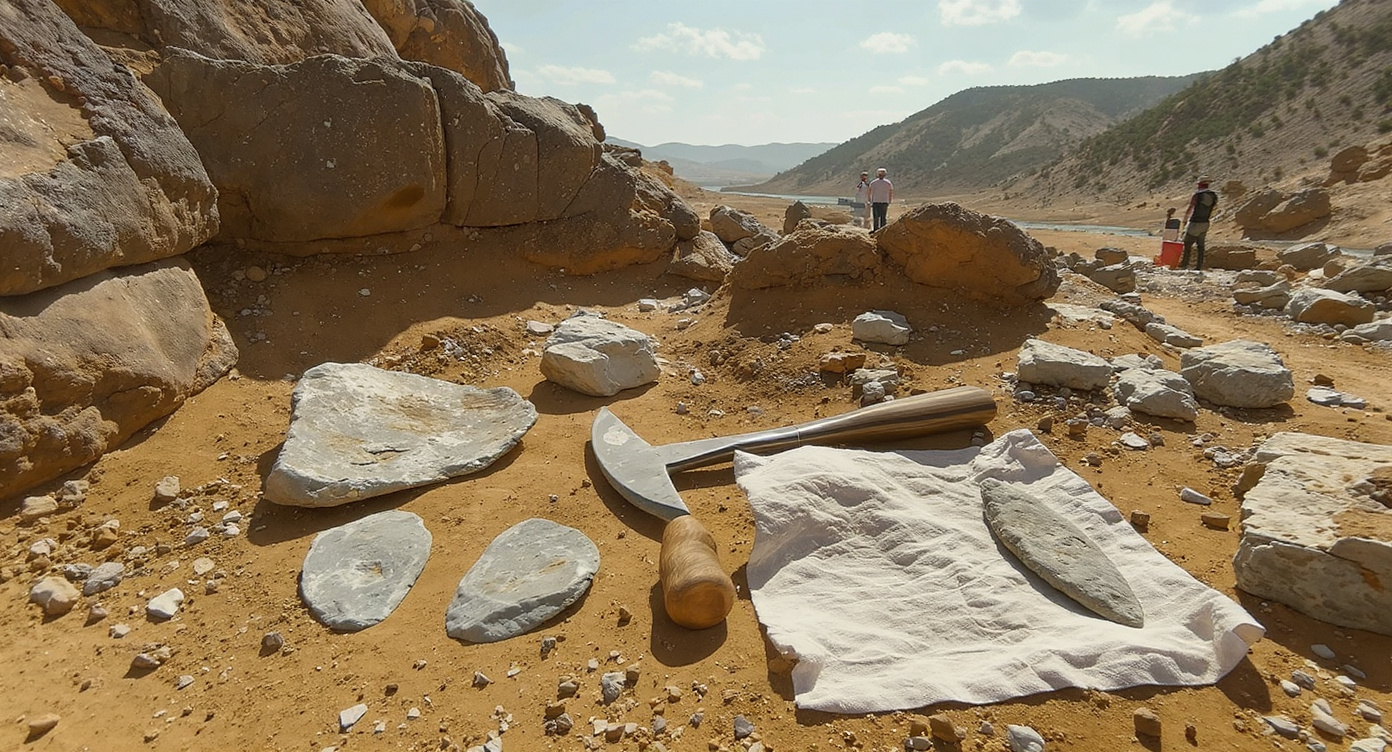
Recent archaeological discoveries in China challenge the notion of technological backwardness in East Asia during the Stone Age, revealing sophisticated tools dating back up to 160,000 years. These findings broaden our understanding of ancient technologies and the capabilities of the Denisovans.
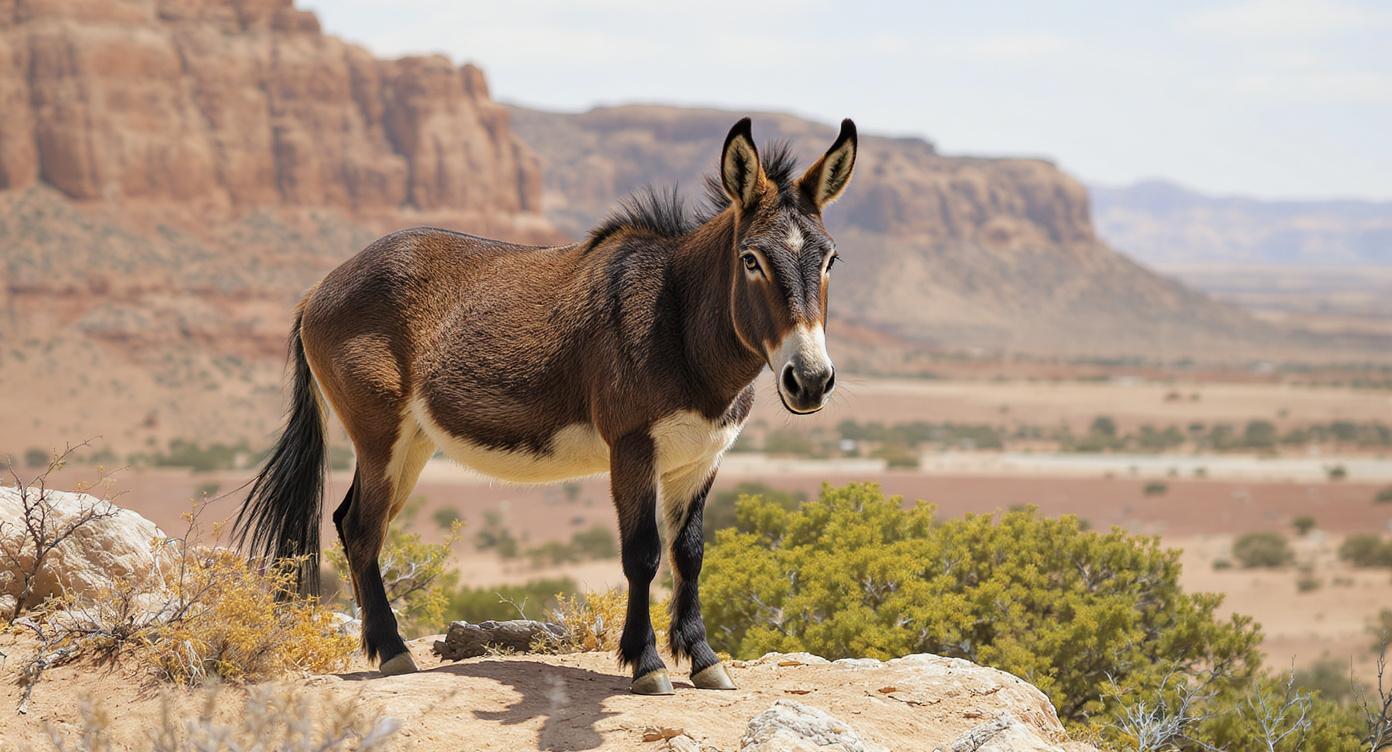
Archaeologists have discovered the oldest remains of a mule in the Western Mediterranean on the northeastern Iberian Peninsula, buried together with a woman. Genetic analysis confirmed the uniqueness of the find and the high social value of the animal during that era. The reasons for their joint burial remain a mystery.

 Cursus