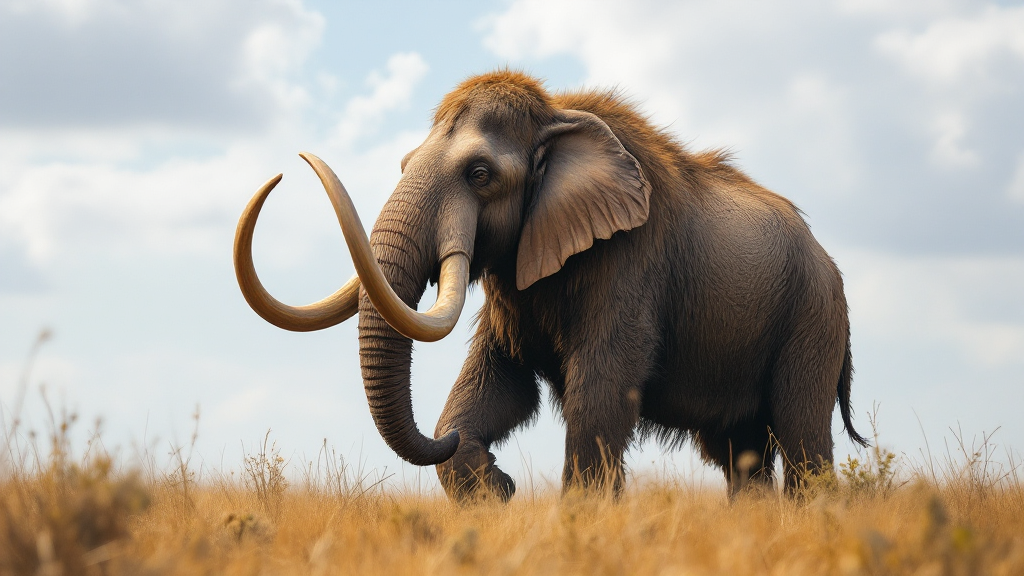
A new DNA study of mammoth remains has revealed that ancient humans primarily hunted females rather than males. This selective hunting may have affected the population size of the species and accelerated their extinction.
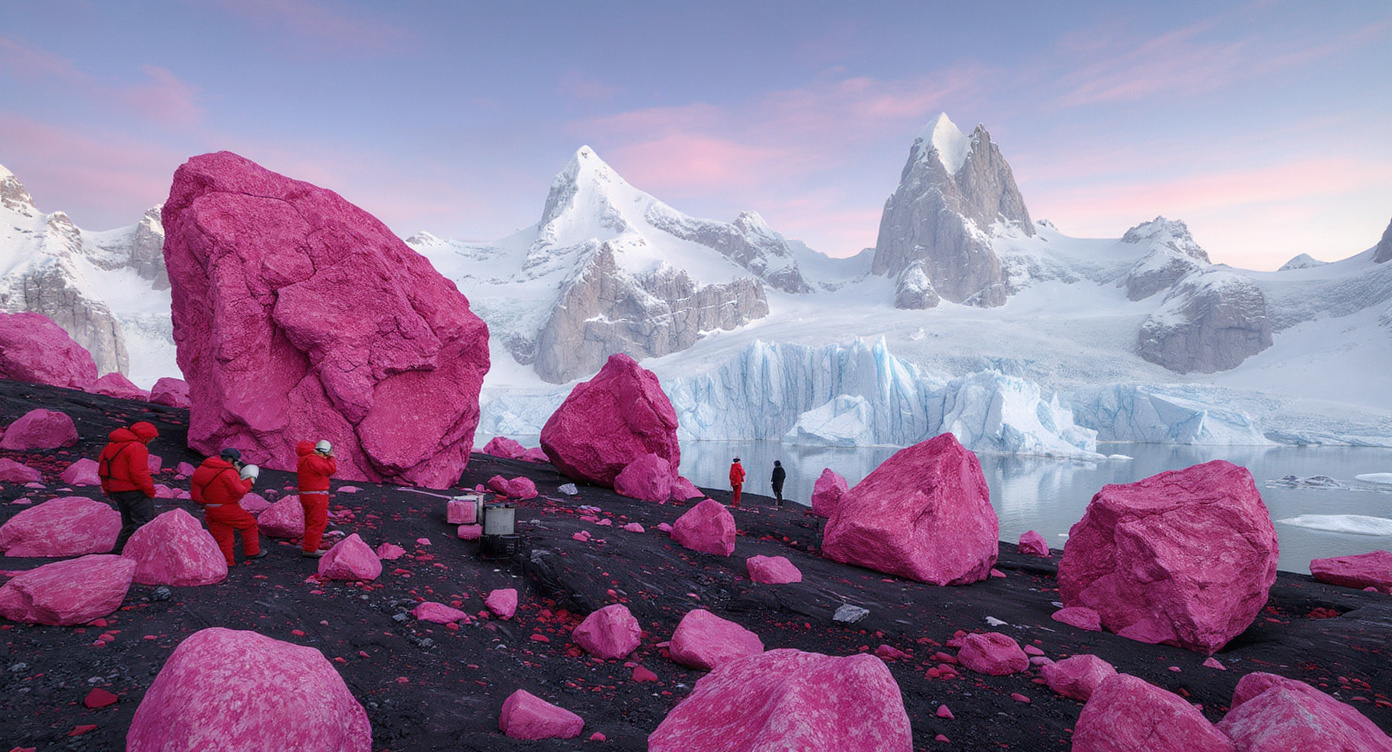
Unusual granite boulders discovered atop mountains in West Antarctica have helped scientists uncover the structure of rocks hidden beneath the ice and trace the movement history of the Pine Island Glacier. This information improves predictions about changes to the ice sheet and sea level in the context of future climate change.
A new study has shown that even during Earth's harshest ice ages, the climate remained variable, resembling modern climate cycles. This discovery changes our understanding of the stability of ancient climate systems.
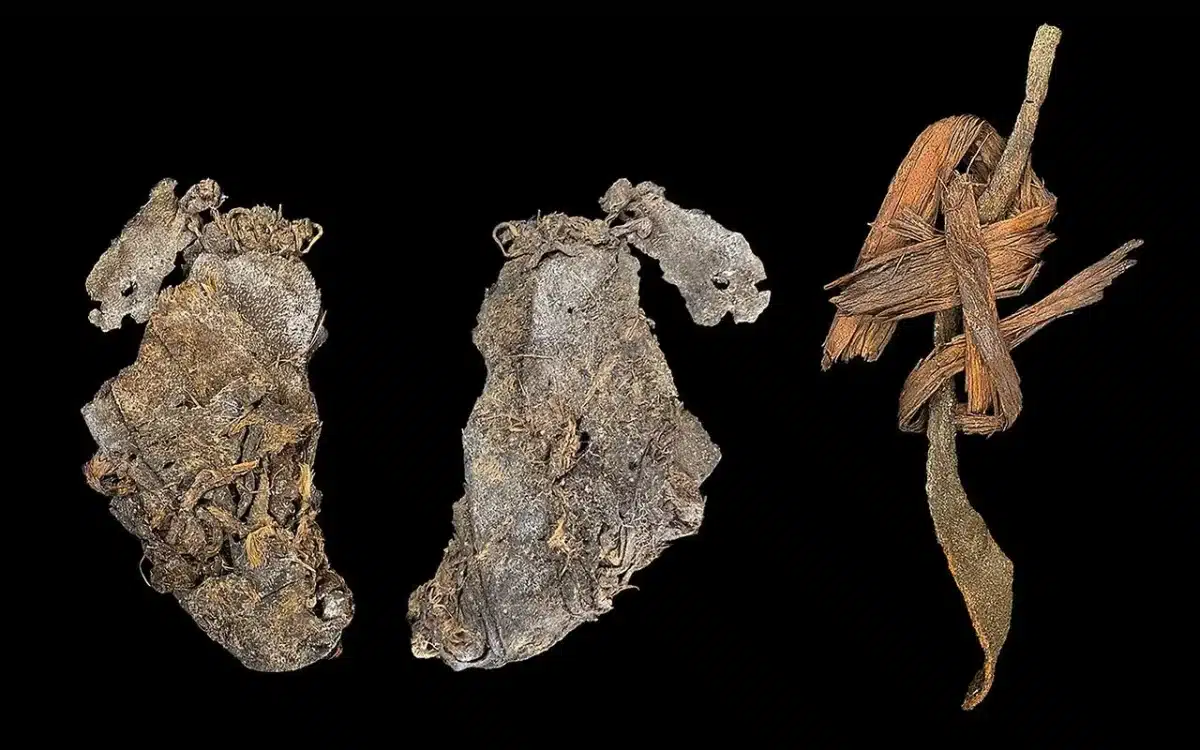
Artifacts from Oregon caves, including the oldest known sample of stitched elk hide, reveal how people 12,000 years ago adapted to the harsh climate of the Ice Age. These discoveries demonstrate the development of sewing techniques and clothing production that were essential for survival during periods of significant cooling.
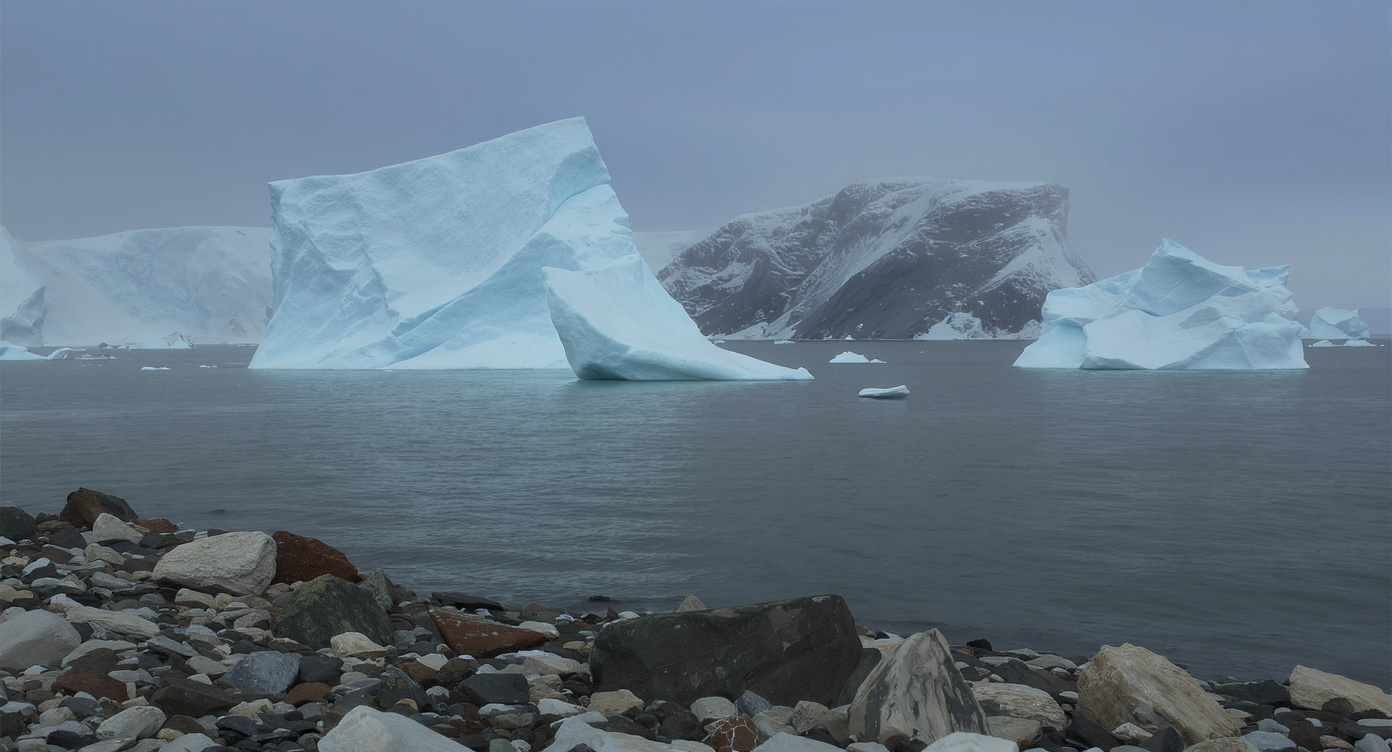
A new study has found that the iron delivered to the Southern Ocean by icebergs is often not easily accessible to algae and does not stimulate their growth as previously believed. This could reduce the ocean's ability to absorb carbon dioxide as climate warming continues.
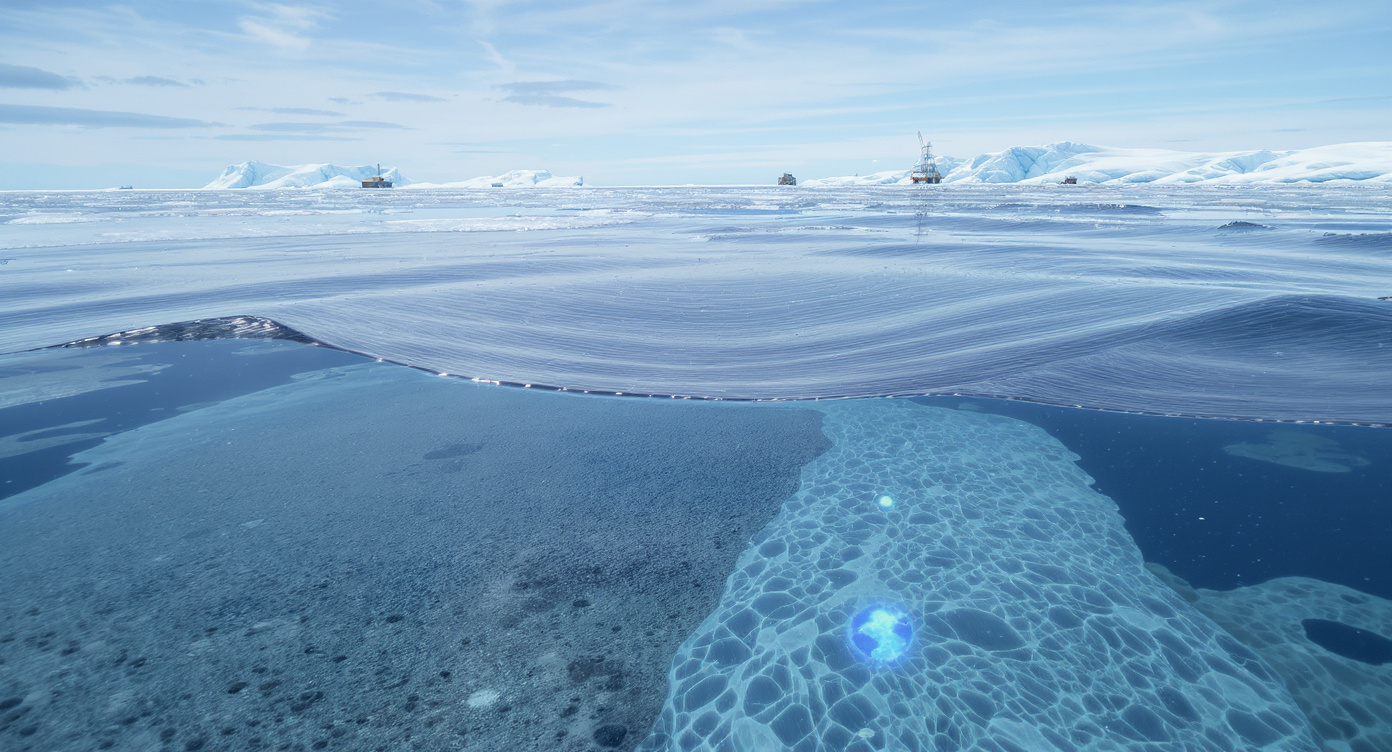
Scientists have reconstructed the history of Arctic sea ice over the past 30,000 years by analyzing cosmic dust found in marine sediments. This data helps to understand how the reduction of sea ice affects the region's ecosystems and food chains.

 Cursus