A new study has shown that pigeons navigate using Earth's magnetic field with the help of immune cells in their liver, which act as an internal compass and send signals to the brain. This discovery reveals a previously unknown mechanism of bird navigation.
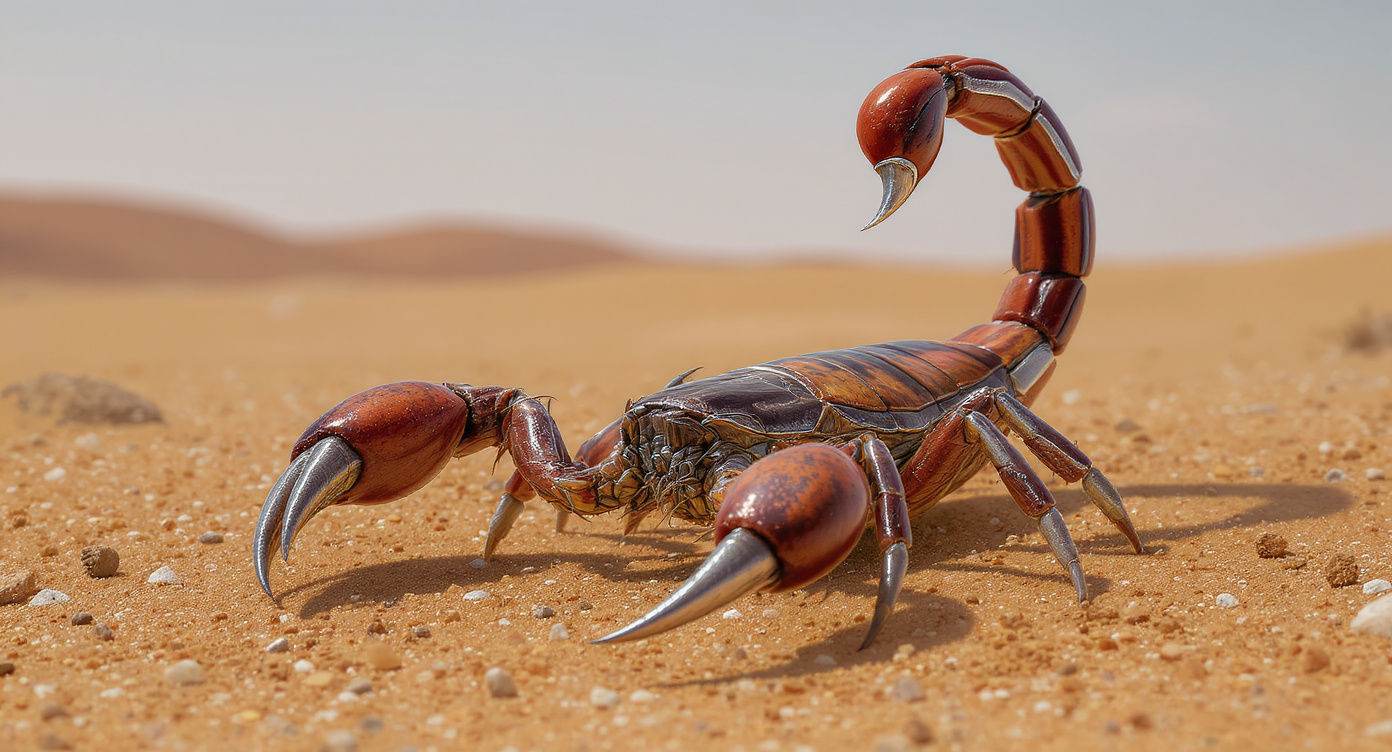
A new study has shown that the stingers and pincers of scorpions contain certain metals that strengthen their structure. The distribution of these elements is linked to the specific hunting and defense strategies of different species.
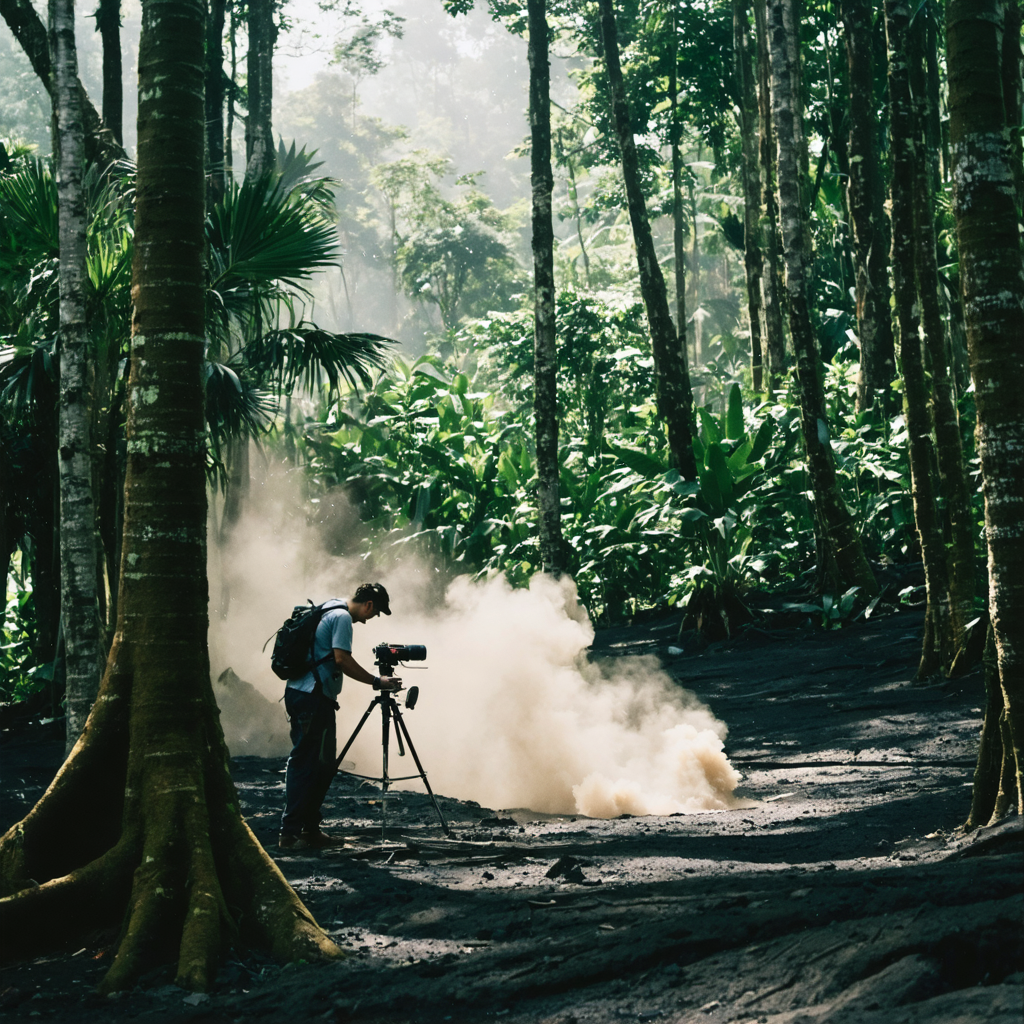
A new study has shown that plants are capable of absorbing minerals directly from atmospheric dust through their leaves, which is especially important for ecosystems with nutrient-poor soils. In some regions, this aerial pathway provides up to 17% of the nutrients that plants need.
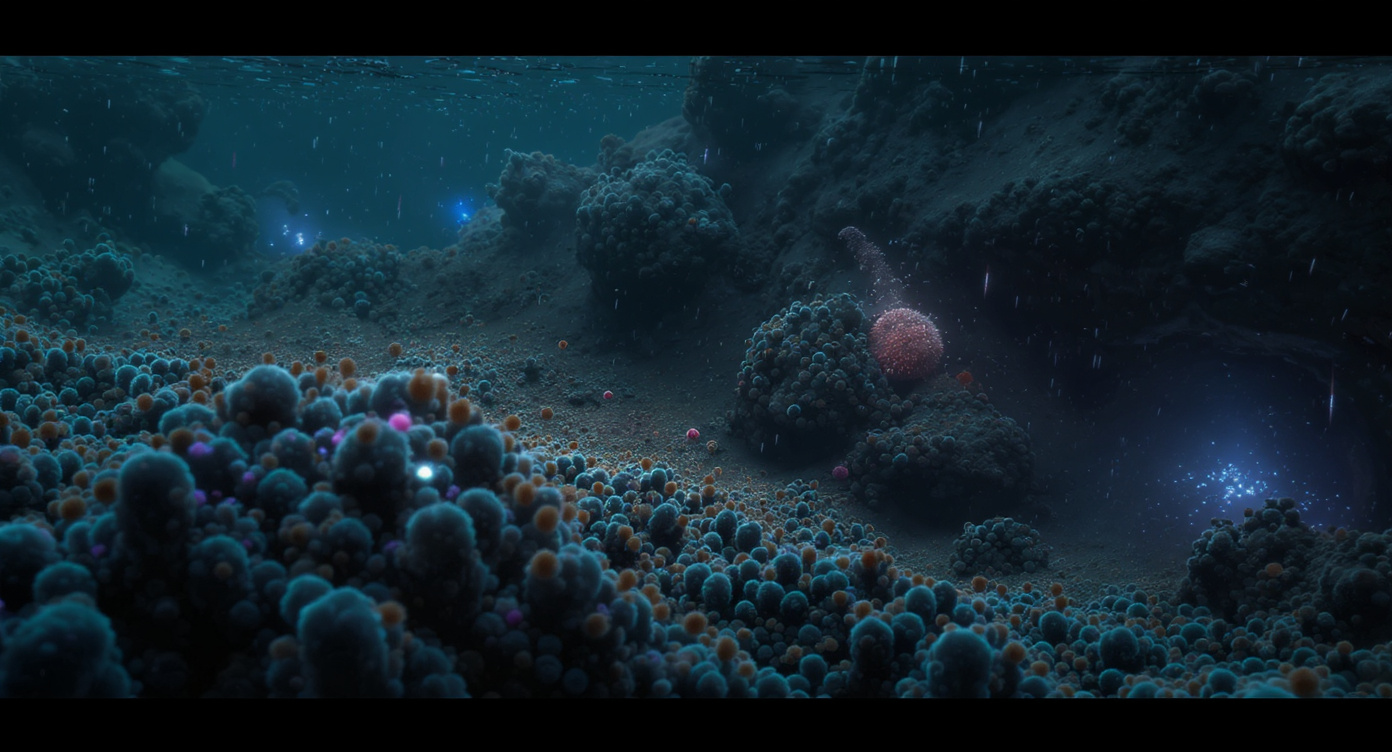
Studies show that Nitrosopumilus maritimus microbes are able to adapt to ocean warming and iron deficiency, while maintaining their crucial role in the nitrogen cycle. This adaptability may influence the biochemistry and resilience of marine ecosystems in the face of climate change.
A new study has found that the iron delivered to the Southern Ocean by icebergs is often not easily accessible to algae and does not stimulate their growth as previously believed. This could reduce the ocean's ability to absorb carbon dioxide as climate warming continues.
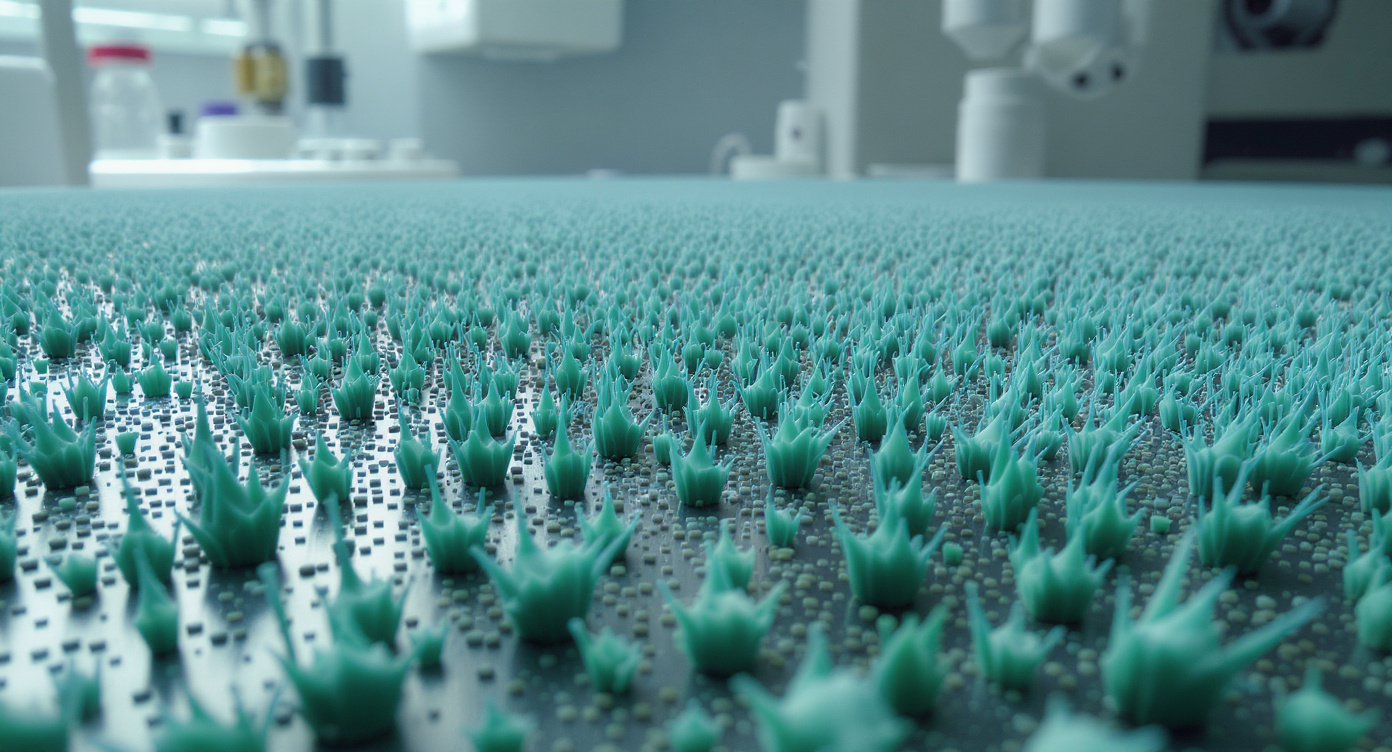
An international team of scientists has developed an innovative antibacterial coating with microscopic spikes that physically destroy bacterial membranes and prevent the formation of dangerous biofilms. The coating is safe for human cells and does not cause bacteria to develop resistance.


 Cursus