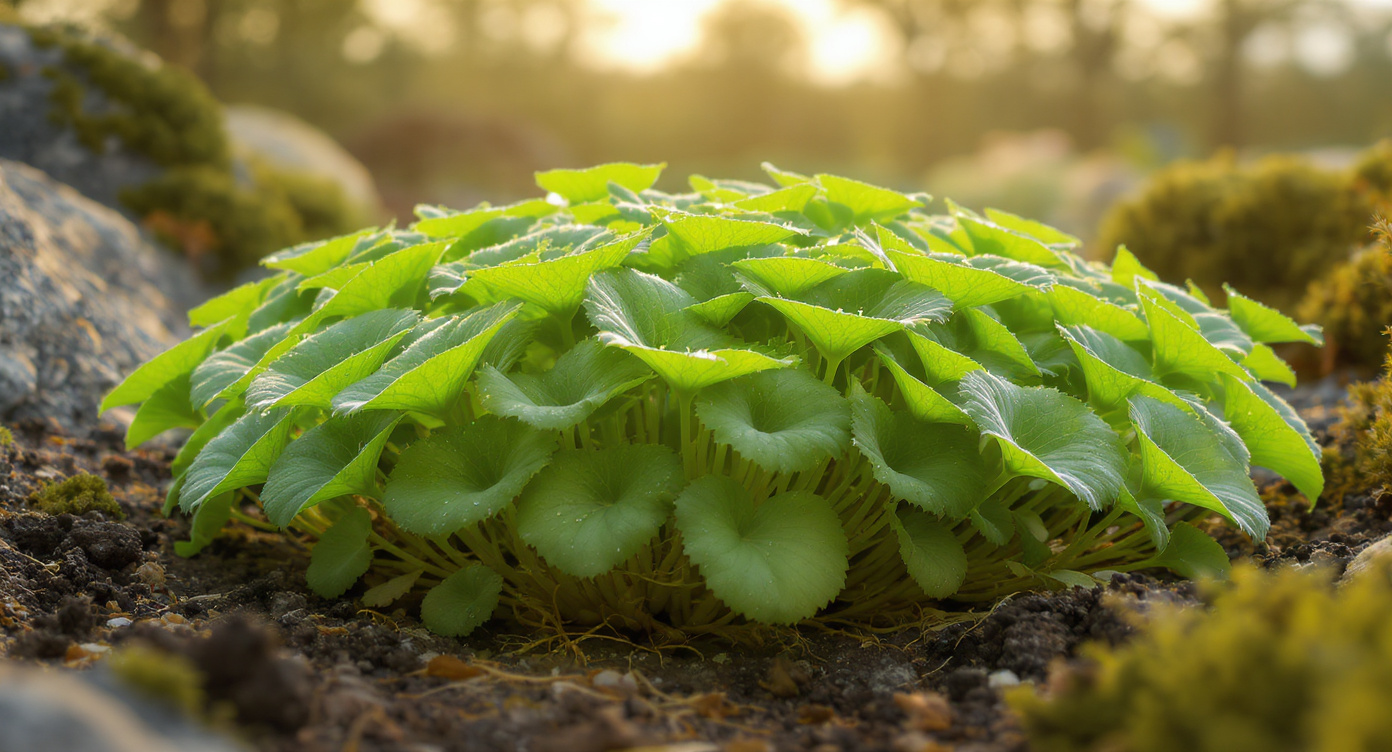
Долгосрочное исследование показало, что заброшенные сельскохозяйственные земли могут самостоятельно превращаться в луга с высоким биоразнообразием без дорогостоящих вмешательств. Такой подход способствует восстановлению экосистем и снижает затраты на реабилитацию земель.
Scientists have uncovered the biochemical mechanisms behind the synthesis of toxic compounds in monkshood and larkspur, paving the way for the development of new medicines based on natural products. This research could lead to environmentally friendly methods for obtaining valuable medical substances.
A new study has shown that plants are capable of absorbing minerals directly from atmospheric dust through their leaves, which is especially important for ecosystems with nutrient-poor soils. In some regions, this aerial pathway provides up to 17% of the nutrients that plants need.
Some pollinators, such as hummingbirds, receive small amounts of ethanol from nectar every day, yet they show no signs of intoxication. This may indicate that they have developed a tolerance to alcohol over the course of evolution.
A new study has shown that when irrigating with treated wastewater, psychoactive substances tend to accumulate mainly in the leaves of vegetable crops rather than in their edible parts. This finding is important for assessing risks and developing safety standards.
Scientists from Illinois have developed a system that allows real-time observation of plant stomata activity and measurement of gas exchange. This breakthrough will help breed crops that use water more efficiently, which is especially important for arid regions.
A new study has shown that physical contact between plant leaves helps them exchange signals and collectively resist light-induced stress, increasing the resilience of the entire group.
A new study has found that nighttime lighting in cities disrupts the biological rhythms of plants, extending the pollen season and increasing the number of days with dangerous concentrations of allergens in the air. The authors recommend taking light pollution into account in urban planning and in forecasts for people with allergies.
The plant Tidestromia oblongifolia can actively grow even in extreme heat thanks to its unique adaptation mechanisms. Studying its resilience may help develop new agricultural crops for the future in the context of global warming.
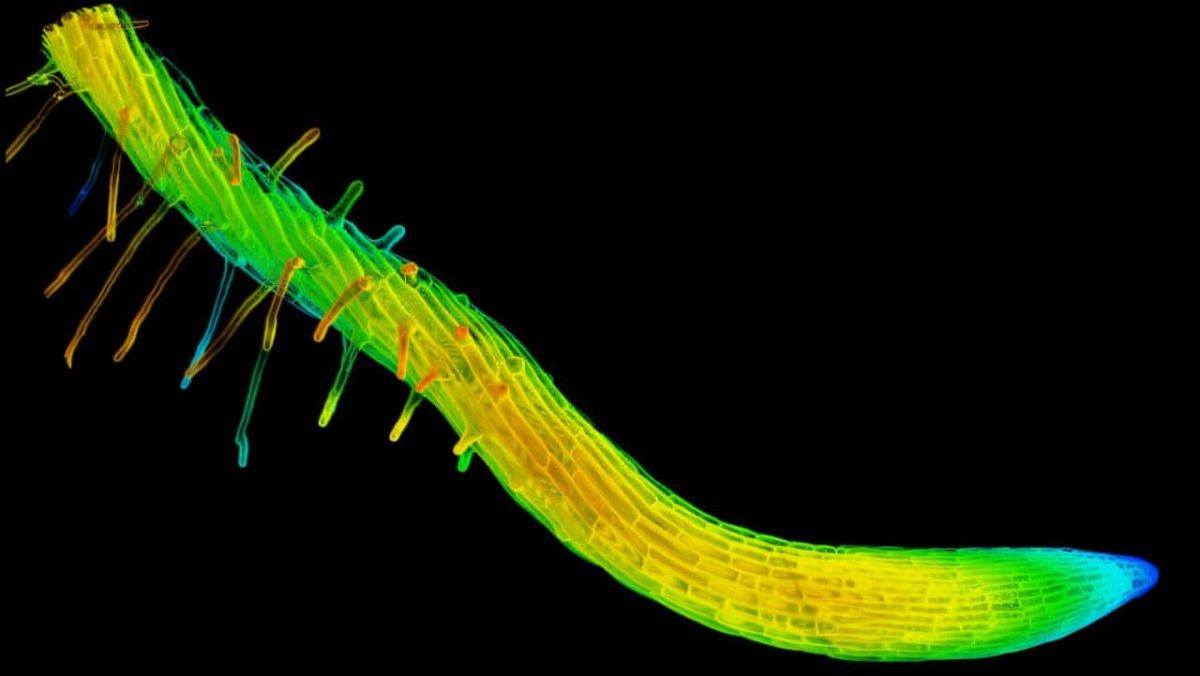
A new study has shown that the outer layer of a root determines its shape and mechanical properties, opening up new possibilities for improving the resilience of crops to challenging soil conditions.
Long before the appearance of bright colors and fragrances, plants attracted insects using heat signals. A new study has shown that ancient cycads used infrared radiation to communicate with their pollinators.
Scientists have discovered a molecular switch that enables plants to enter into symbiosis with nitrogen-fixing bacteria. This breakthrough could pave the way for the development of cereal crops capable of supplying themselves with nitrogen, thereby reducing agriculture's reliance on fertilizers.
A new study has shown that the direction of plant growth is determined not only by their tendency to grow upwards, but also by the balance between two signaling systems, including the SLQ1 protein, which stimulates downward growth. This discovery challenges the traditional understanding of gravitropism and helps explain how plants develop their structure.
A new study has shown that over the past 500 years, the disappearance of large groups of animals and plants has been extremely rare and mostly limited to specific regions. The current biodiversity crisis has not yet reached the scale of past mass extinctions, but it still poses serious threats.


 Natura