An analysis of 280 studies has shown that natural selection operates not only at the level of individuals but also at the level of groups, supporting altruism and cooperation. Evolution is a balance between individual and collective interests.
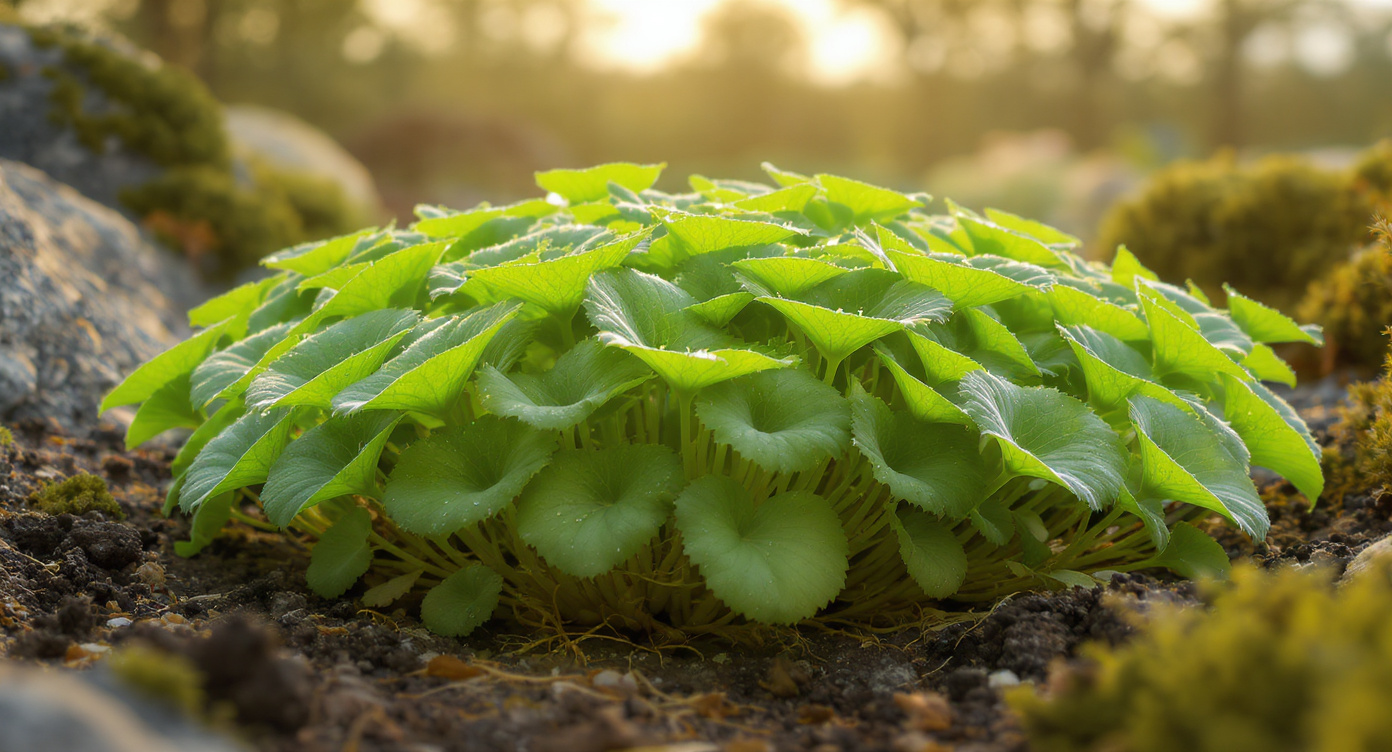
A new study has shown that physical contact between plant leaves helps them exchange signals and collectively resist light-induced stress, increasing the resilience of the entire group.
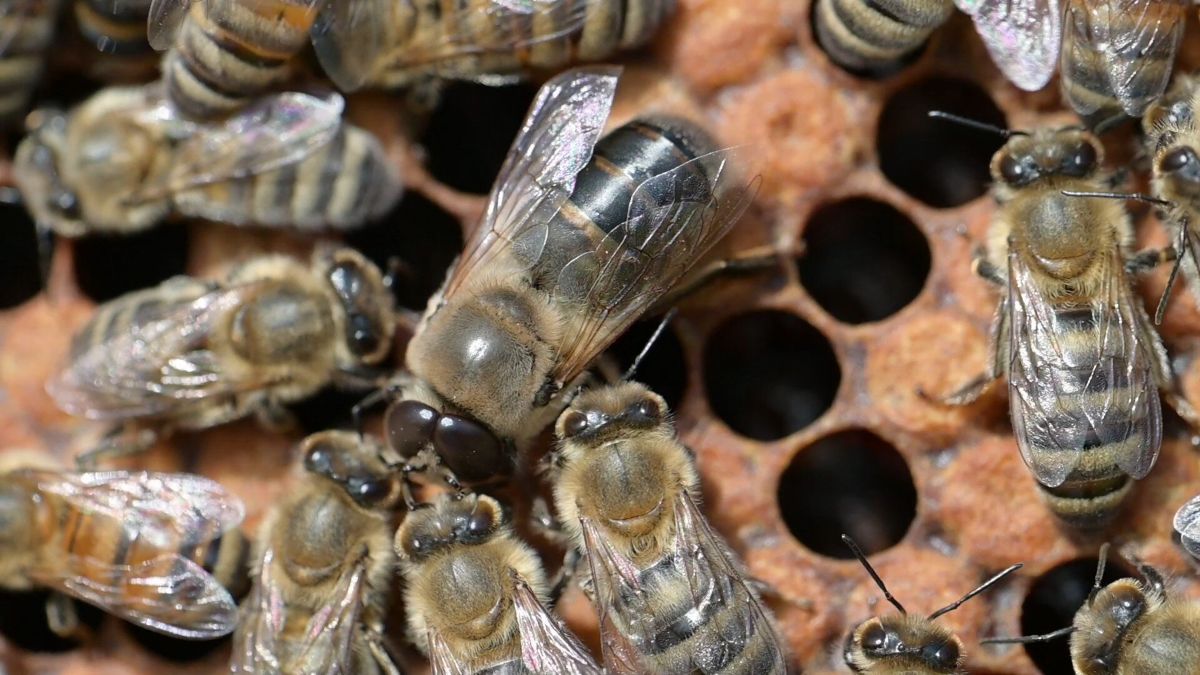
Scientists have discovered that the fruitless gene in honeybees is responsible for the cooperative behavior of drones, influencing their participation in food exchange and navigation within the hive. This finding helps to explain how evolution has adapted genes to support the complex social structure of bee colonies.
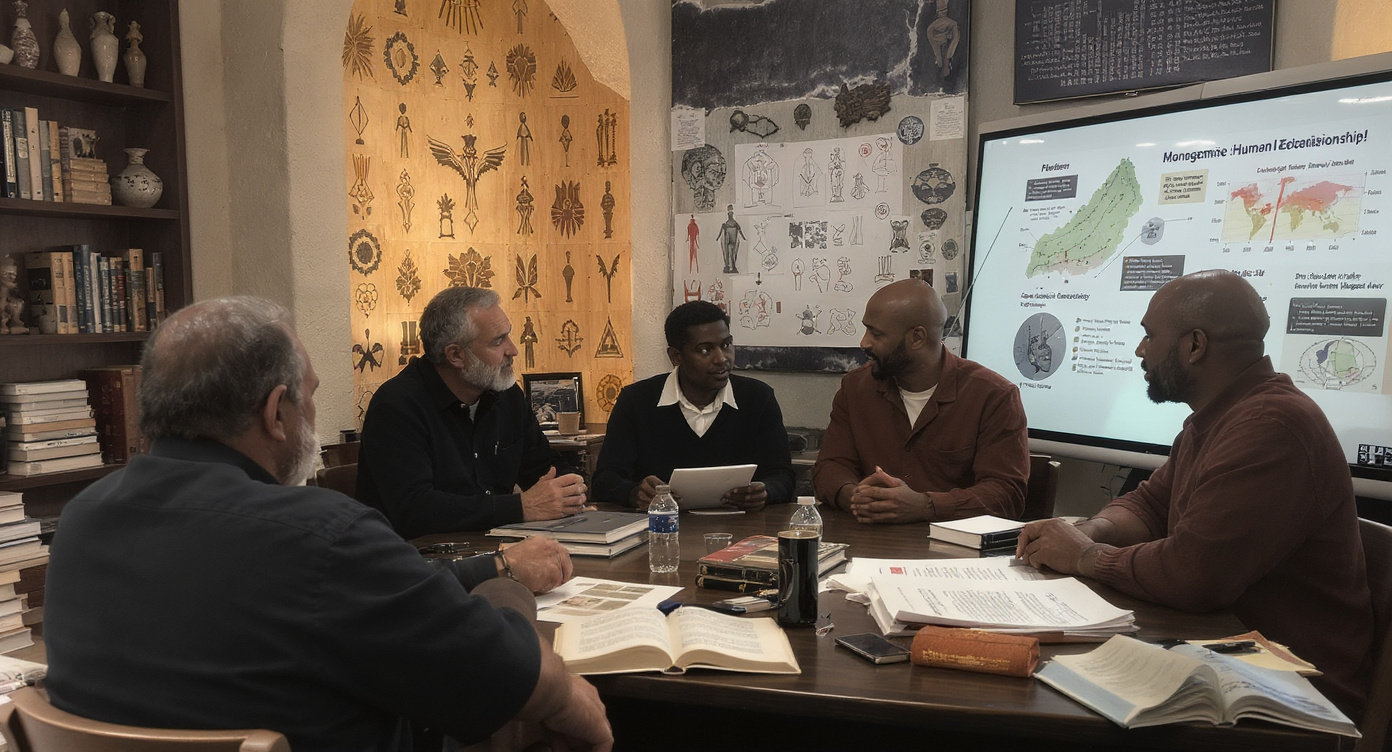
A new study has shown that humans are statistically closer to monogamous species, such as meerkats and gibbons, than to polygamous primates. This type of kinship structure may have contributed to the development of complex societies and cultures.

 Cursus