Chinese bioengineers have developed a tool called smACGmax, which can simultaneously replace three types of nucleotides in DNA to accelerate the process of directed genome evolution. This technology enables the creation of cells with new beneficial properties and speeds up the development of medicines.
Scientists have developed an experimental CRISPR-based technology that makes prostate tumors more susceptible to immune attack and increases the effectiveness of immunotherapy. This new approach could open up possibilities for treating other types of cancer that are difficult to manage with current therapies.
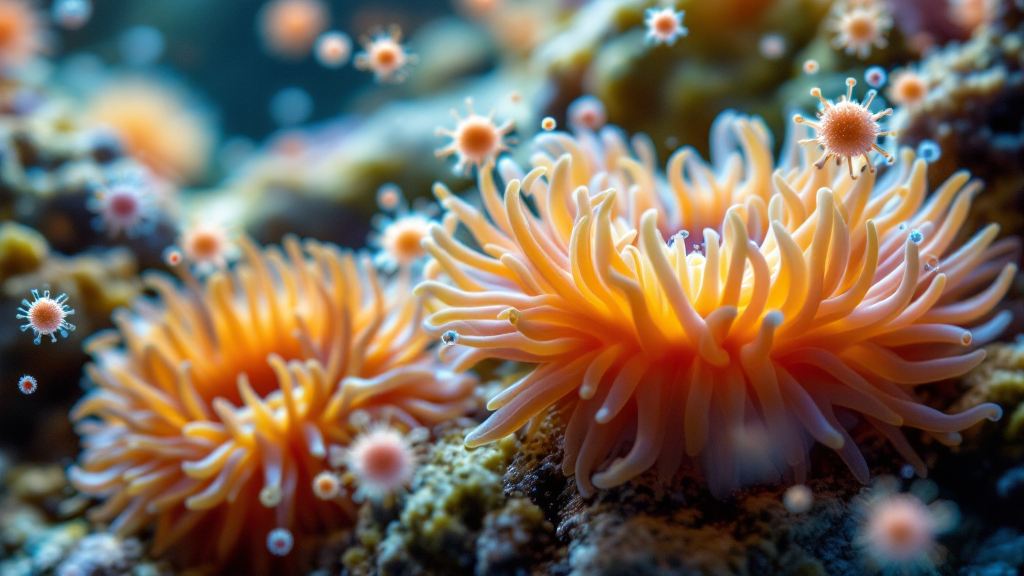
A new study has revealed that sea anemones possess a unique antiviral defense mechanism that differs from that of humans. This discovery broadens our understanding of immune system evolution and opens up new possibilities for developing novel medicines.
A new study has revealed that sea anemones possess a unique antiviral defense mechanism that differs from the immune systems of vertebrates. This discovery broadens our understanding of immune system evolution and could aid in the search for new medicines.
Scientists have used CRISPR technology to create wheat that encourages soil bacteria to naturally fix nitrogen. This breakthrough could reduce fertilizer costs, increase crop yields, and lessen environmental harm.
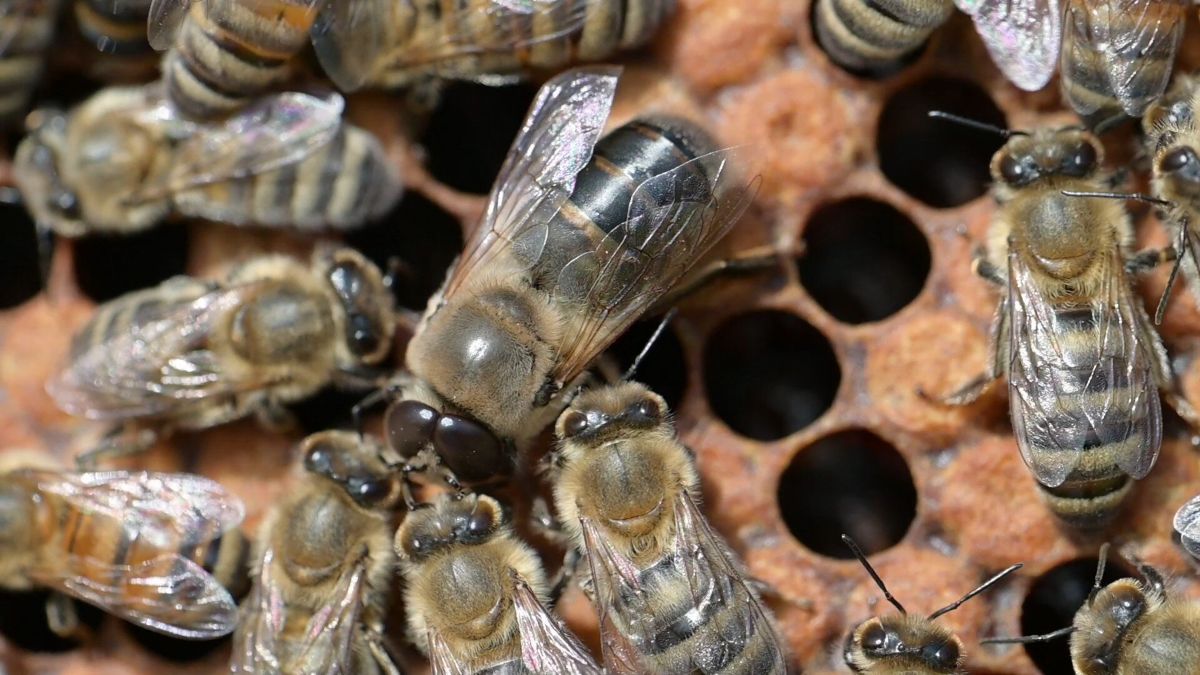
Scientists have discovered that the fruitless gene in honeybees is responsible for the cooperative behavior of drones, influencing their participation in food exchange and navigation within the hive. This finding helps to explain how evolution has adapted genes to support the complex social structure of bee colonies.
Scientists have discovered that the genetic mechanism originally responsible for the development of the cloaca was repurposed by evolution to form fingers in terrestrial animals. This finding changes our understanding of the origins of limbs.


 Cursus