A new study has, for the first time, described the composition of microRNA in dolphin milk and revealed similarities between these molecules and the microRNA found in terrestrial mammals. This discovery will help deepen our understanding of the role milk plays in the development of offspring across different species.
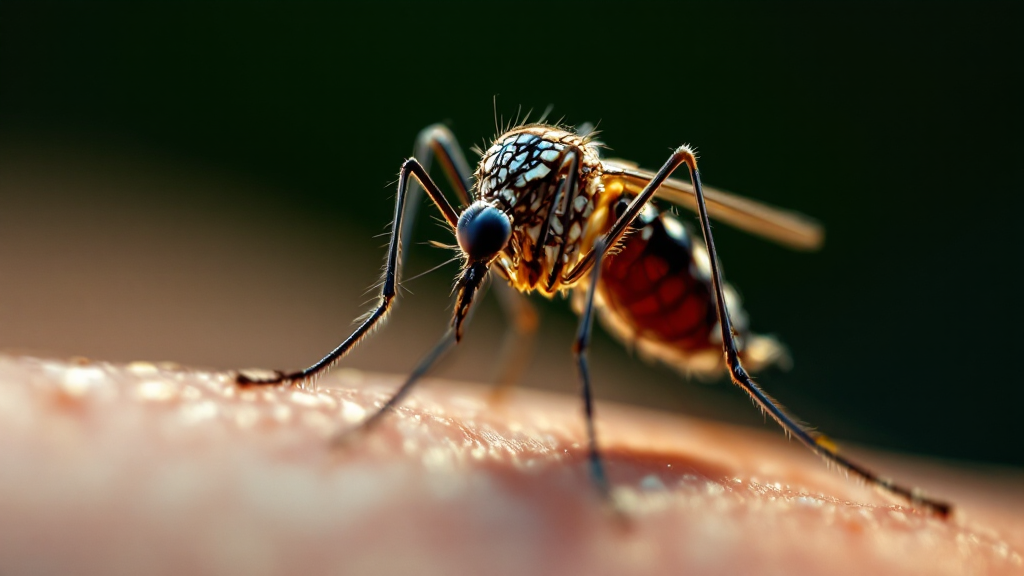
A new study has shown that different species of mosquitoes choose their victims based on unique scents and the skin microbiome, and that there are no universally attractive people for all insects. These findings could help develop more effective protective measures.
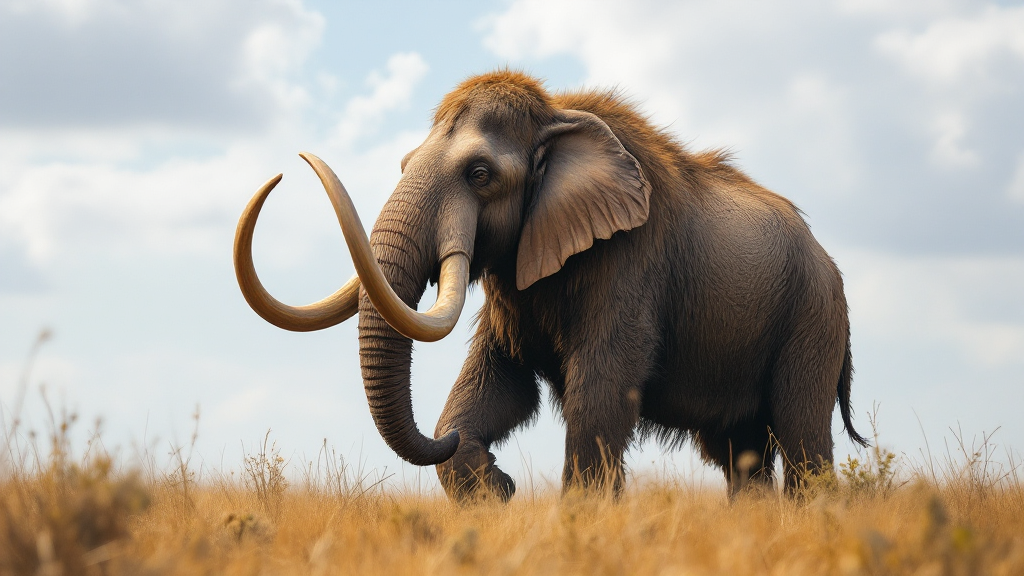
A new DNA study of mammoth remains has revealed that ancient humans primarily hunted females rather than males. This selective hunting may have affected the population size of the species and accelerated their extinction.
Geneticists have discovered traces of two ancient species in the DNA of modern humans—species that existed before the emergence of Homo sapiens. These findings broaden our understanding of the complex history of interbreeding between human ancestors and other hominids.
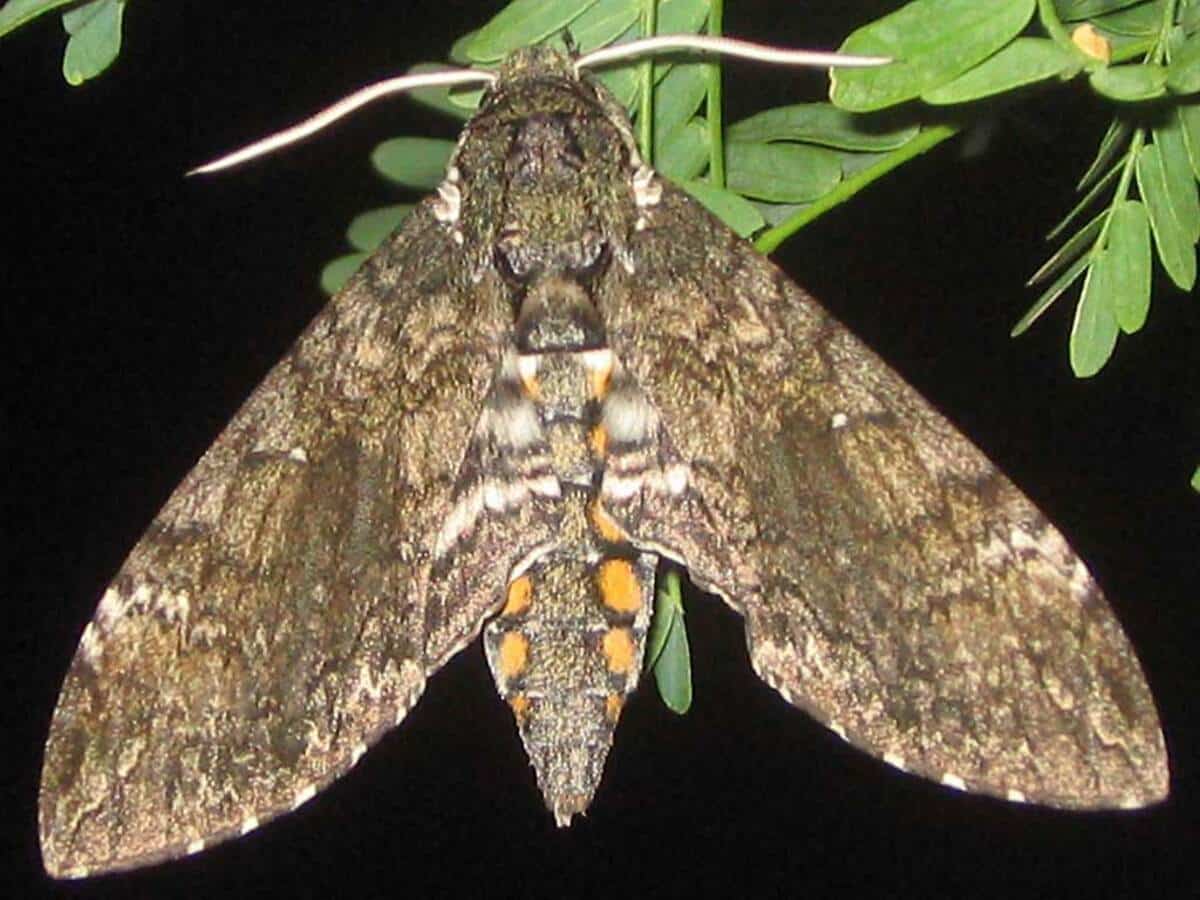
A new study has shown that the wings of the tobacco hawk moth can independently detect scents characteristic of their host plants. This finding broadens our understanding of the insect olfactory system, revealing its complexity and how it is distributed throughout the body.
A new study has shown that inherited genetics influence not only the risk of developing cancer, but also how tumors form. These findings highlight the importance of a personalized approach to diagnosis and treatment.
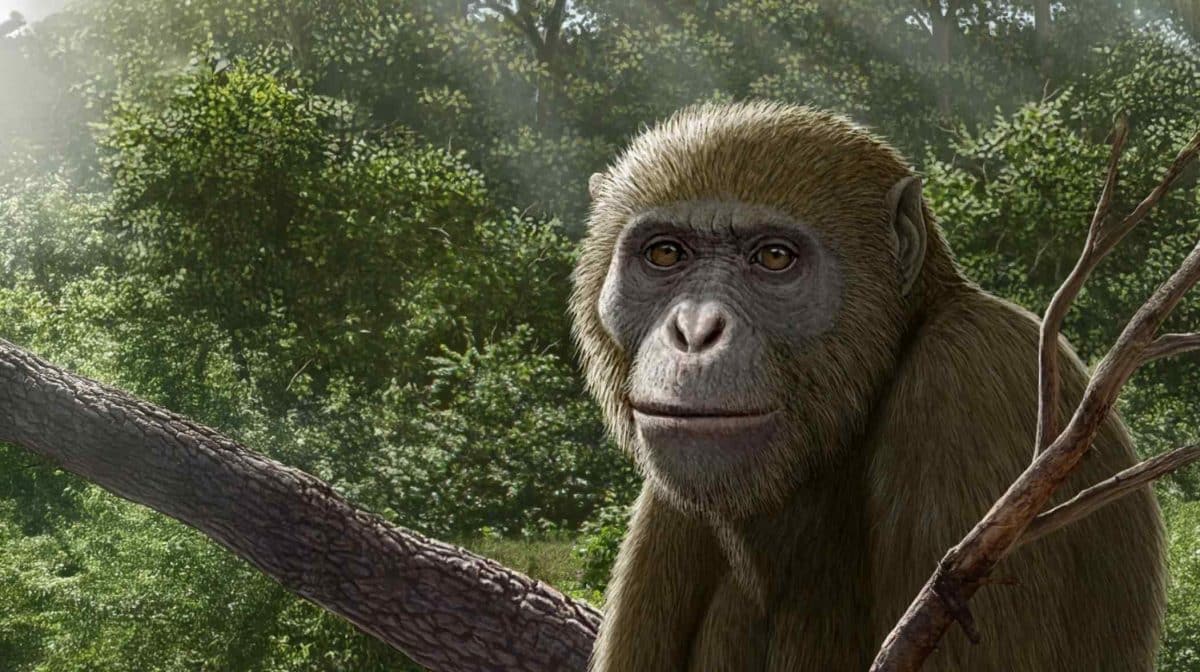
A new discovery in Egypt has cast doubt on previous ideas about the origins of apes: the ancient primate that was found appears to be closer to the common ancestor of humans and modern apes than the East African species. This finding could change our understanding of the geographic history of primate evolution.
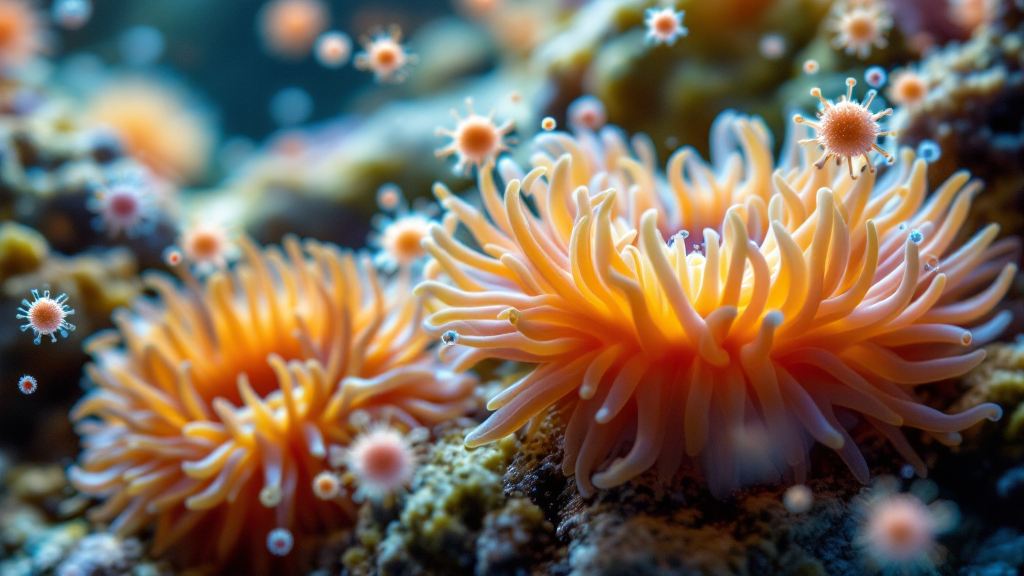
A new study has revealed that sea anemones possess a unique antiviral defense mechanism that differs from that of humans. This discovery broadens our understanding of immune system evolution and opens up new possibilities for developing novel medicines.
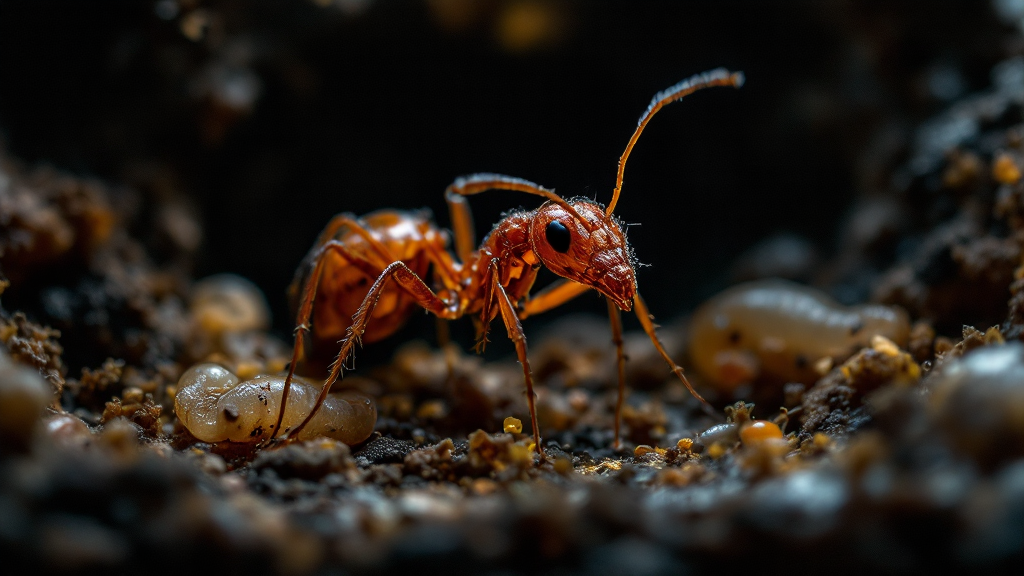
A study has shown that the parasitic worm Anomotaenia brevis alters gene activity in ants, affecting their behavior and lifespan. Instead of mimicking the host's hormones, the parasite manipulates existing genetic mechanisms that control aging and social activity.
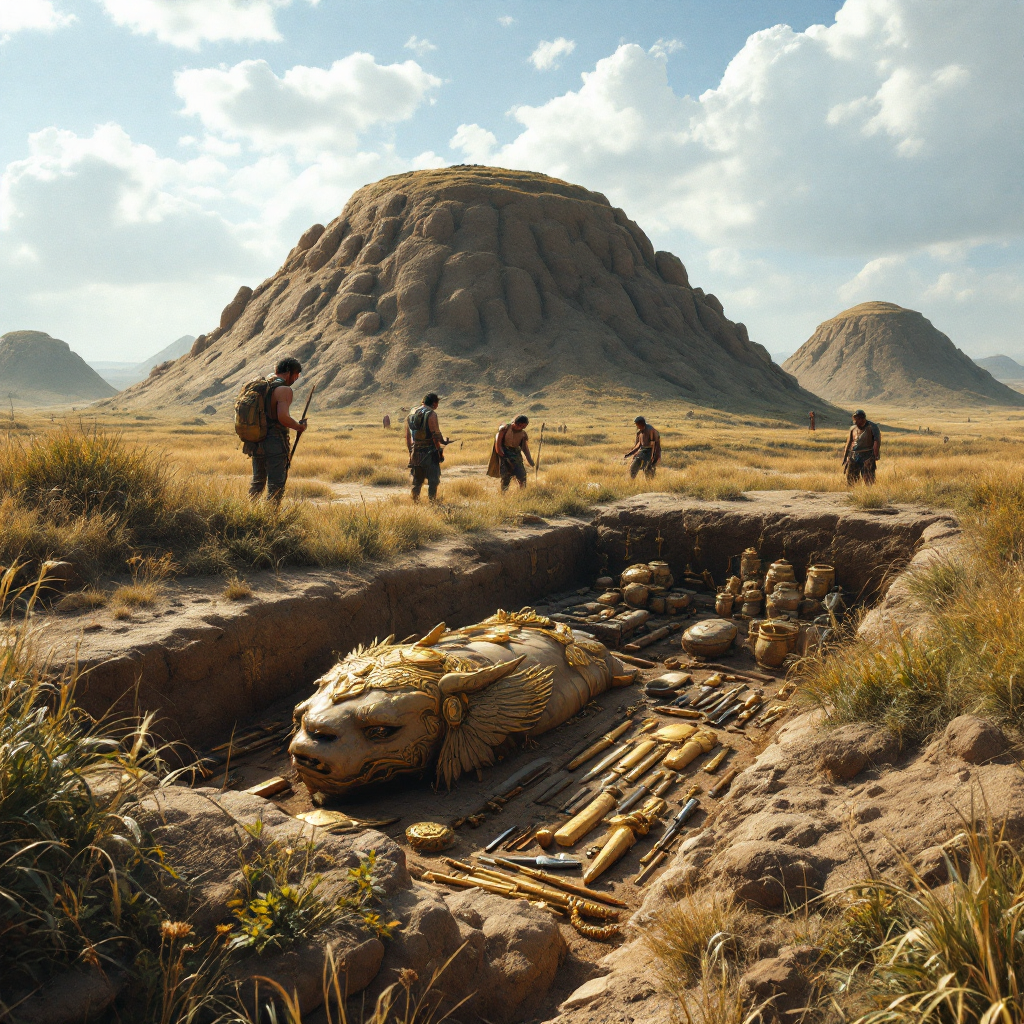
A new study has shown that members of the Scythian nobility buried in burial mounds were related by blood. This confirms the existence of hereditary dynasties and social inequality among ancient nomads.
A new study has revealed that sea anemones possess a unique antiviral defense mechanism that differs from the immune systems of vertebrates. This discovery broadens our understanding of immune system evolution and could aid in the search for new medicines.
A new study has revealed that members of the Scythian nobility buried in burial mounds were related by blood. This finding confirms that ancient nomads had hereditary dynasties and social inequality.
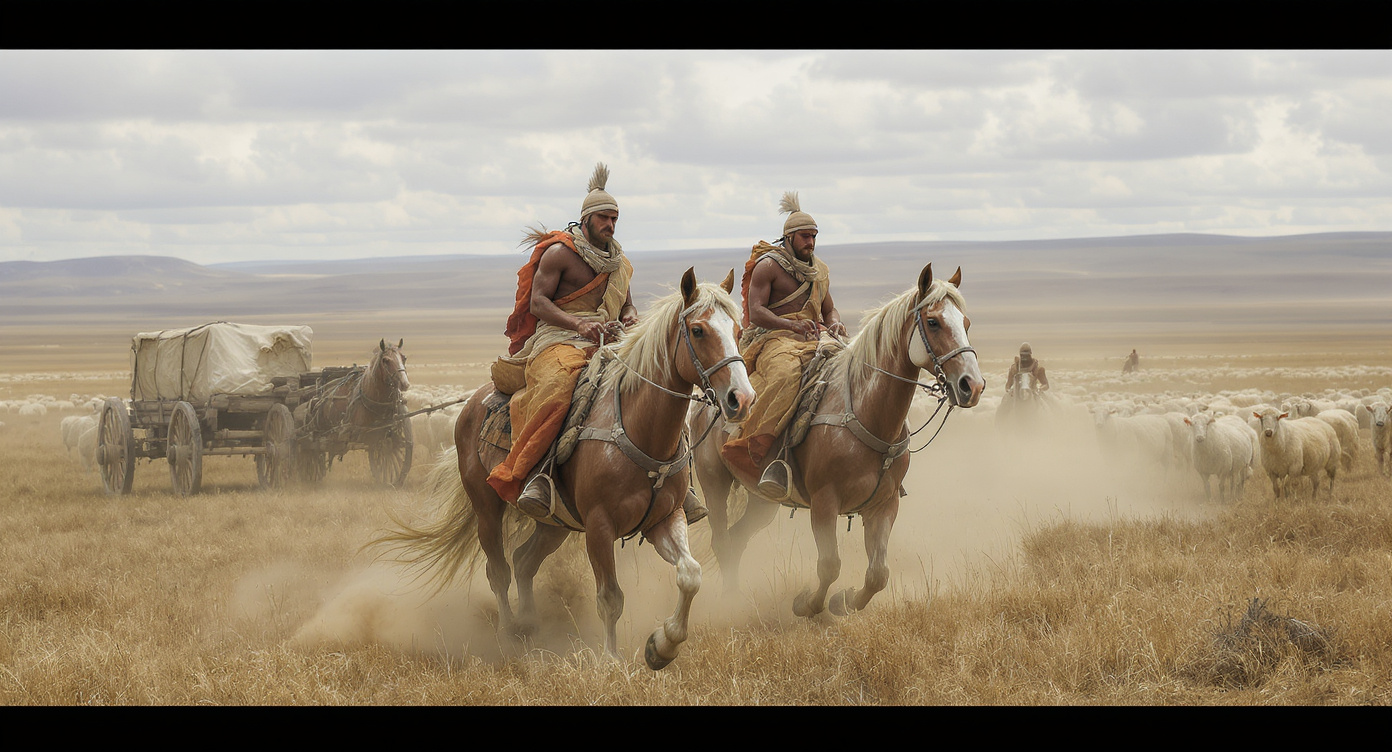
A new study shows that horseback riding and the use of horses began long before the emergence of modern breeds and intentional selective breeding—it was a lengthy cultural process, not the result of a single mutation.
A new study of ancient Homo erectus teeth has revealed a genetic link between this species, Denisovans, and modern humans, shedding light on the evolution and interactions of ancient populations.
The shift to a potato-based diet around 10,000 years ago led the inhabitants of the Andes to develop a significant increase in the number of amylase gene copies, which helped them digest starch more efficiently. This genetic adaptation optimized their metabolism, but it is also linked to modern issues such as a higher prevalence of tooth decay.


 Cursus